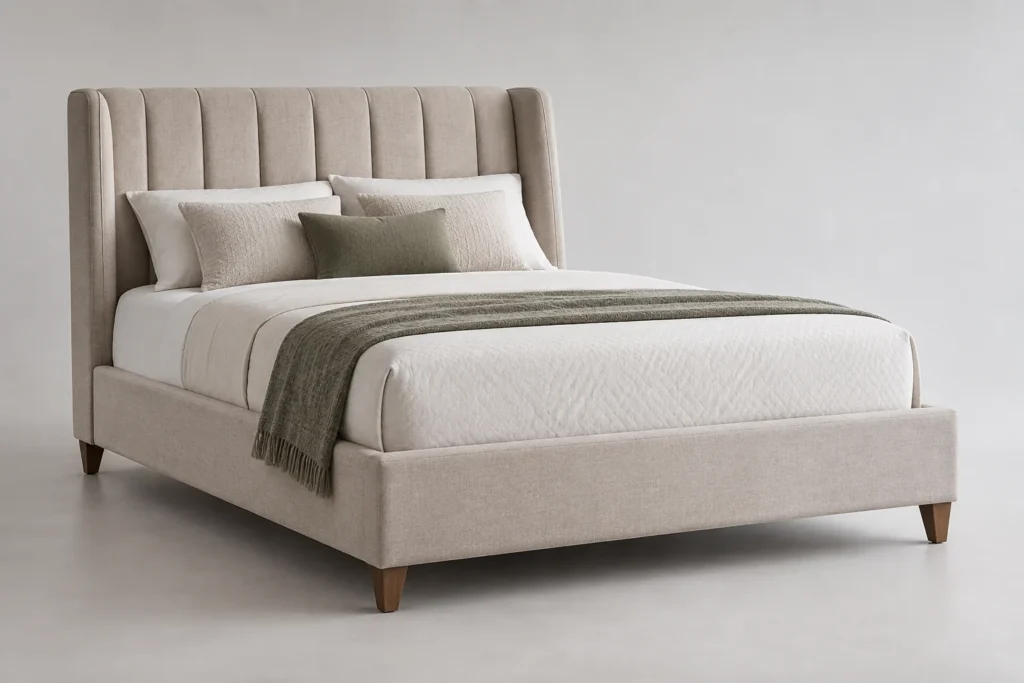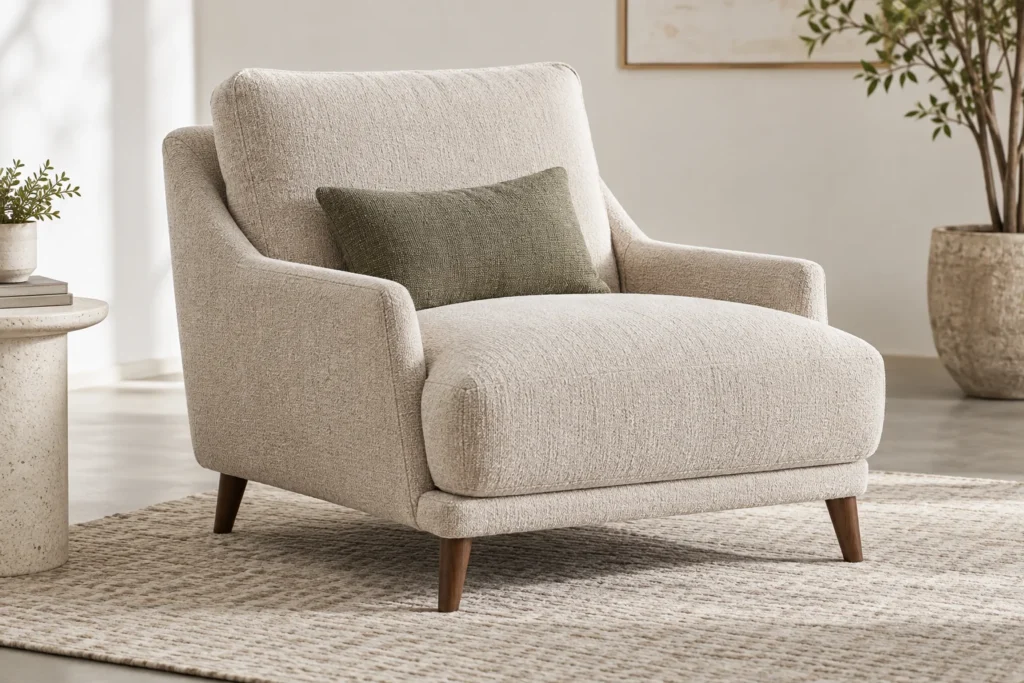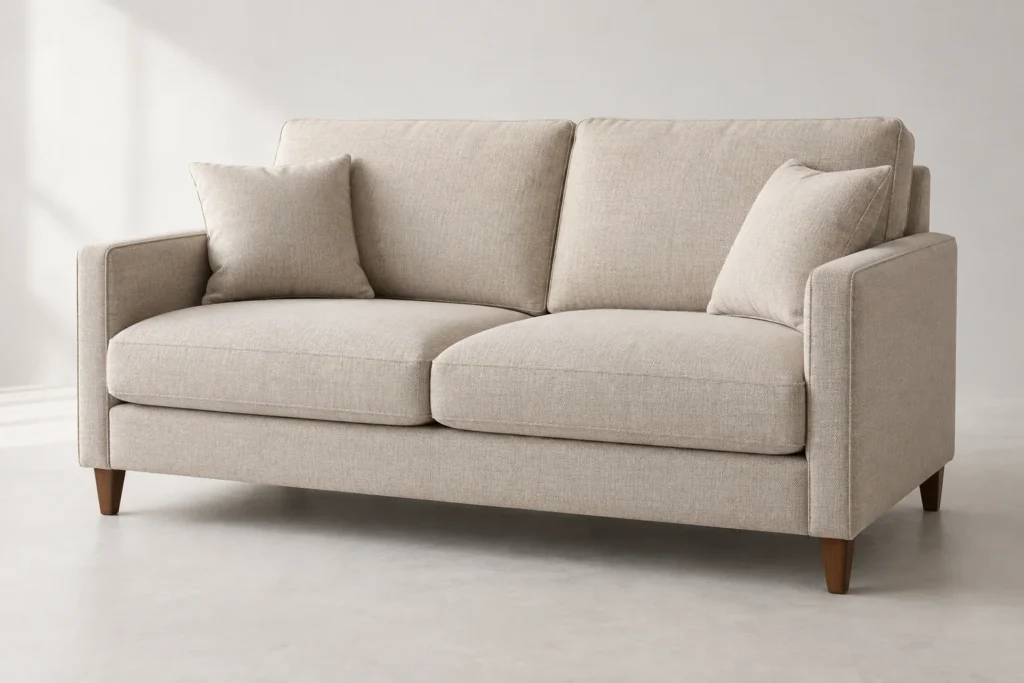

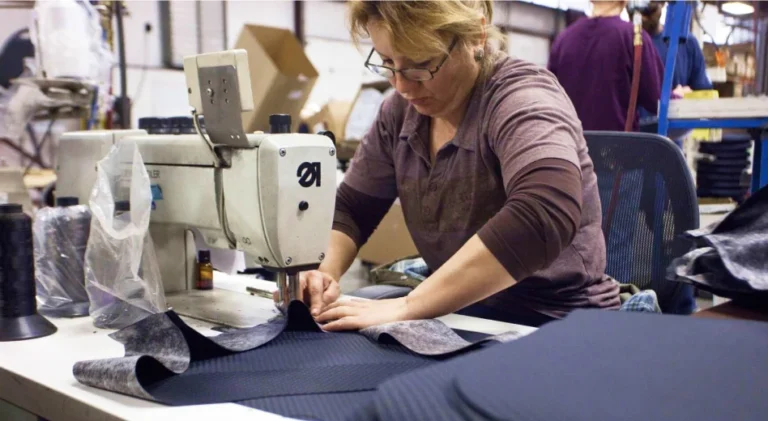
Furniture materials and finishes decide whether a B2B furniture order looks right, cleans easily, lasts long enough, and stays consistent across bulk production. Buyers should not choose fabric, leather, wood finish, metal legs, color, and surface treatment only from photos. Start with the project type, traffic level, cleaning routine, target market, and budget. Then confirm swatches, finish samples, and one approved standard before mass production.
Send your reference photos, target market and furniture list to get material and finish suggestions for your project.
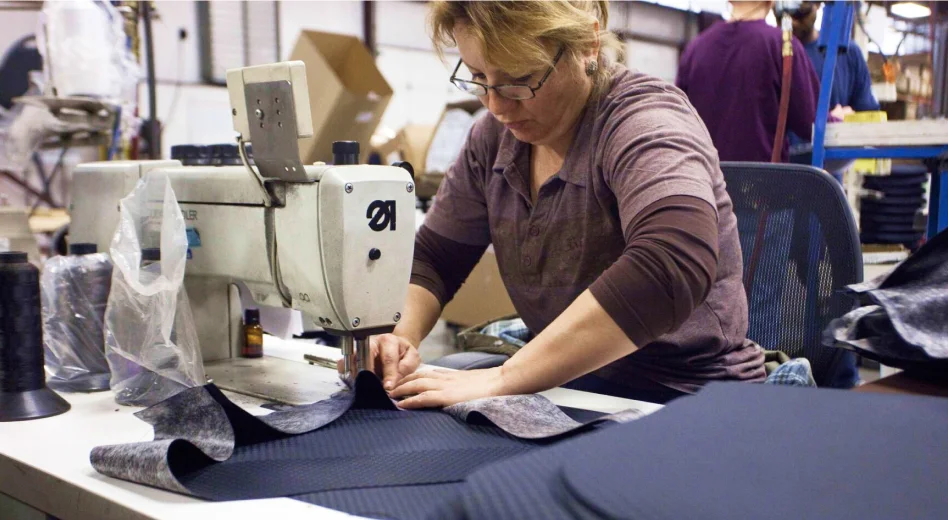
Why Materials and Finishes Matter in B2B Furniture Projects
For hotels, apartments, restaurants, offices, dealers, and project contractors, furniture is judged after months of use, not only on delivery day. Upholstery may stain, wood color may vary, metal legs may scratch, and light fabric may look tired if the material does not match the space. A beautiful reference photo is useful, but it is not a specification.
A practical decision on furniture materials and finishes should answer five questions. Who will use the product? How often will it be cleaned? What level of comfort is expected? What color and texture should repeat across the order? What risk is unacceptable for this project? These questions help buyers avoid materials that look good in a showroom but fail in a restaurant, hotel lobby, rental apartment, or office lounge.
When furniture materials and finishes are not confirmed early, the project team often discovers problems too late. The designer may approve one shade from a rendering, the purchasing team may quote another fabric grade, and the factory may source the closest available finish. A written material standard prevents this. It should name the upholstery, wood finish, metal finish, color reference, cleaning expectation, and approved sample date.
For quotation comparison, furniture materials and finishes should be written into the RFQ. If two suppliers quote the same chair with different foam, fabric, veneer, or metal finish levels, the prices are not truly comparable. Clear furniture materials and finishes help the buyer compare value instead of only comparing unit price.
HUAXUAN can review materials for commercial sofas and couches, upholstered chair options, restaurant furniture, hotel furniture project support, custom office furniture, materials and finishes capability, OEM and ODM furniture development, and sample approval process. The goal is not to make every product expensive. The goal is to choose the right material level for the real use scenario.
Upholstery Materials for Sofas, Chairs and Booth Seating
Upholstery is often the most visible material decision. It affects comfort, color, cleaning, durability, and customer perception. For B2B projects, buyers should ask for fabric codes, PU or vinyl samples, leather samples, color references, cleaning notes, and any performance data the supplier can provide. The approved sample should be kept as the standard for bulk production.
The easiest way to compare furniture materials and finishes is to separate appearance from performance. Appearance includes color, texture, sheen, stitch direction, and how the material matches the room. Performance includes abrasion resistance, cleanability, stretch, backing, fading risk, and whether replacement material will be available later. A material that wins on appearance but fails on performance is risky for public projects.
Use the same logic for every product family. Furniture materials and finishes for sofas should be checked against comfort and cleaning, while furniture materials and finishes for beds should be checked against room style, headboard wear, and long-term color consistency.
| Material | Best application | Durability | Cleaning difficulty | Buyer should confirm |
|---|---|---|---|---|
| Fabric upholstery | Sofas, lounge chairs, hotel rooms, offices | Medium to high depending on grade | Medium | Rub count or performance notes, color, backing, stain resistance |
| PU leather | Restaurant booths, office seating, value sofas | Medium when quality is controlled | Low to medium | Peeling risk, thickness, surface feel, color stability |
| Genuine leather | Executive lounges, premium sofas, boutique projects | High with care | Medium | Leather grade, color variation, maintenance, budget impact |
| Velvet and textured fabrics | Hotel rooms, statement chairs, boutique areas | Varies by construction | Medium to high | Pile direction, shading, cleaning limits, color consistency |
| Performance fabric | High-traffic lounges, hospitality and commercial seating | High when specified correctly | Low to medium | Stain resistance, cleaning method, availability, MOQ |
Fabric Upholstery
Fabric gives warmth and a broad color range. It works well for sofas, lounge chairs, upholstered beds, and many hotel or apartment pieces. The risk is cleaning and wear. A fabric that suits a low-traffic apartment bedroom may not suit a restaurant booth or public office lounge. Buyers should confirm hand feel, texture, backing, color fastness where available, and whether the fabric can be repeated in future batches.
PU Leather
PU leather and leather-look vinyl are common for commercial seating because they can be easier to wipe than woven fabric. They are useful for restaurant booths, waiting chairs, and some office lounge furniture. Quality levels vary widely, so buyers should confirm thickness, surface finish, stretch, backing, cold or heat exposure if relevant, and whether the material has a history of peeling in similar use.
Genuine Leather
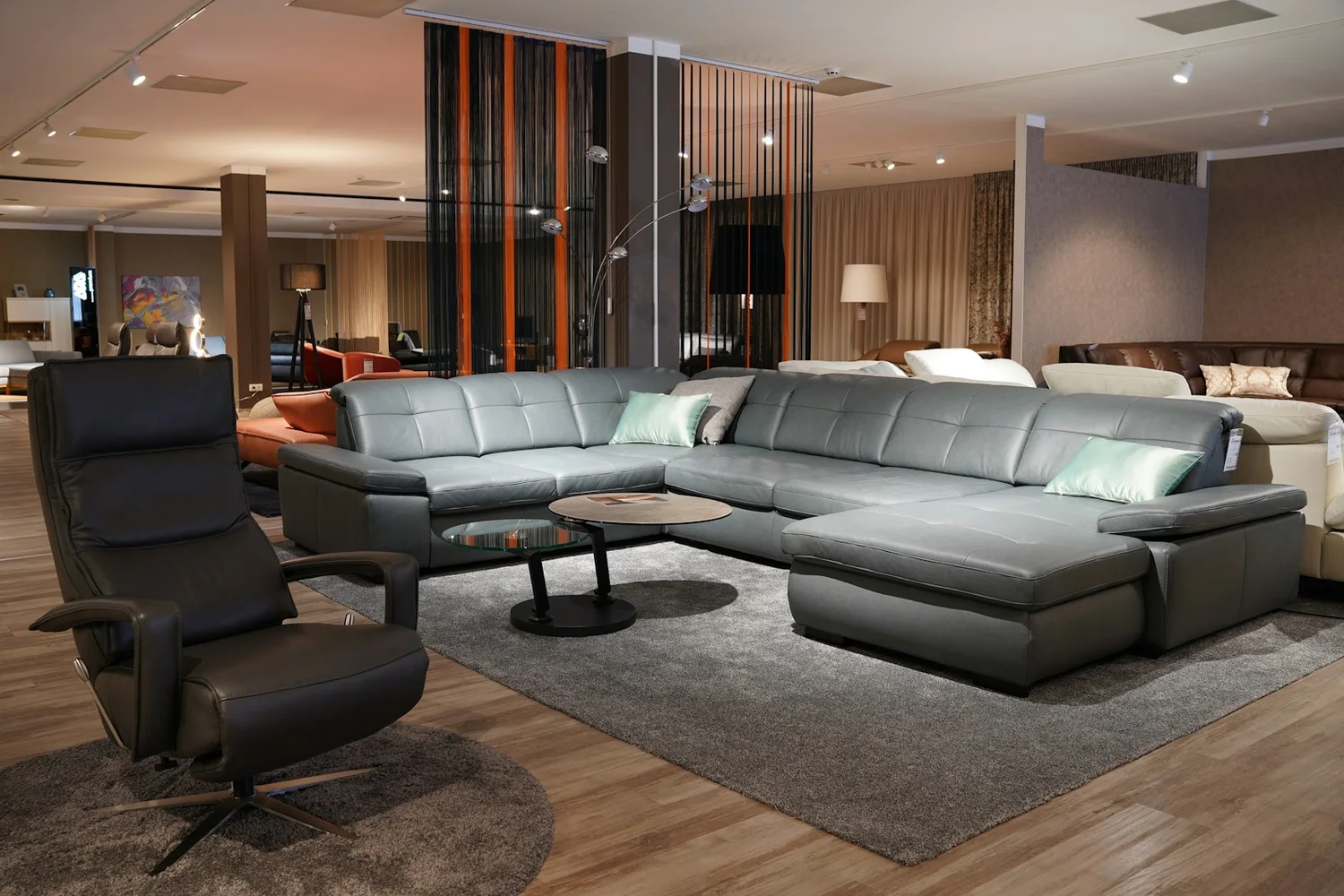
Genuine leather can create a premium feel for executive lounges, hospitality areas, villas, and high-end sofas. It also brings natural variation, higher cost, and maintenance requirements. For bulk orders, the buyer should ask how color variation will be controlled and whether leather will be used on all surfaces or only contact areas. This prevents budget surprises and inconsistent appearance.
Velvet and Textured Fabrics
Velvet, boucle, chenille, and other textured fabrics can make furniture feel distinctive, but they need careful approval. Pile direction and light reflection can change how color appears. Textured fabrics may catch dust or show pressure marks depending on construction. They can work well for hotel rooms and statement chairs, but they should be tested against cleaning expectations.
Performance Fabric
Performance fabric can help high-traffic projects balance comfort and maintenance. It is often considered for offices, hospitality lounges, healthcare-adjacent waiting spaces, and restaurants that want a softer look than vinyl. Buyers should still request real samples and cleaning instructions. The label performance fabric is not enough; the actual specification and supplier availability matter.
Wood Finishes for Beds, Chairs and Project Furniture
Wood finishes affect tone, texture, durability, and how furniture matches the interior. Common options include veneer, solid wood, laminate, stained wood, painted finish, and wood-look surfaces. For B2B buyers, the most important point is consistency. A chair leg, bed frame, nightstand, and table edge may all be described as walnut, but they can look different if the finish standard is not approved.
Ask for finish samples under the lighting conditions closest to the project. Hotel rooms, restaurants, and offices can make the same finish look warmer or cooler. If several factories or product categories are involved, keep one approved master finish sample. This helps control repeat orders and reduces arguments about whether a batch is acceptable.
For furniture materials and finishes involving wood, buyers should also confirm the substrate. A veneer finish, solid wood part, laminate surface, and painted MDF panel can all show wood color, but they do not age, repair, or price the same way. This matters for hotel case goods, apartment beds, restaurant chairs, and office tables where the finish may be touched and cleaned every day.
Metal Finishes for Legs, Frames and Details
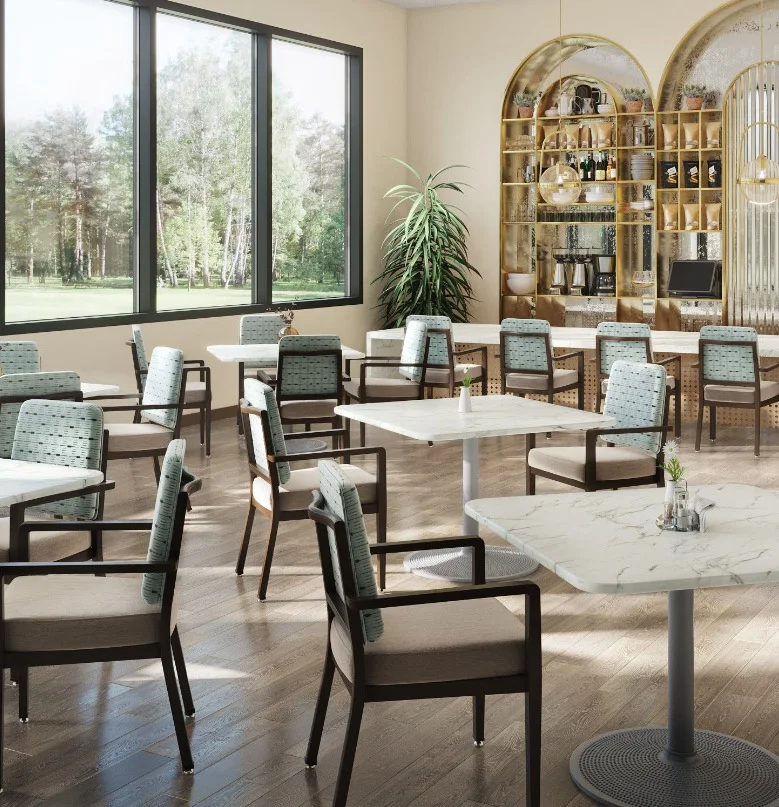
Metal legs, chair frames, table bases, and decorative trims can use powder coating, chrome, brushed stainless steel, brass-look finishes, black finish, or wood-grain metal. The choice should match traffic level and cleaning. Restaurant chairs may need stronger scratch resistance and easy cleaning. Hotel furniture may need a finish that looks refined but does not show fingerprints too easily.
Buyers should confirm metal thickness, finish color, surface treatment, weld quality, foot glide, and whether exposed edges are smooth. For chairs and tables, the metal finish is not only visual. It affects stability, floor protection, noise, and long-term maintenance.
Metal is often where furniture materials and finishes become a hidden cost issue. A thin decorative finish may be acceptable for low-use display furniture but wrong for restaurant chairs or hotel luggage benches. Powder coating can be practical for high traffic. Brushed or polished finishes can look premium, but they may show fingerprints or scratches depending on the location.
How to Choose Materials by Project Type
| Project type | Recommended material | Recommended finish | Risk point | Notes |
|---|---|---|---|---|
| Hotels | Fabric, performance fabric, veneer, metal details | Warm wood, neutral upholstery, controlled metal accents | Color inconsistency across rooms | Approve room package samples together |
| Apartments | Durable fabric, PU, laminate, veneer | Neutral colors and repeatable finishes | Using delicate materials in rental units | Plan easy replacement and repeat orders |
| Restaurants | Vinyl, PU leather, performance fabric, metal or wood chairs | Easy-clean upholstery, scratch-resistant table and chair finishes | Poor cleaning performance | Test food and drink exposure where possible |
| Offices | Commercial fabric, vinyl, metal legs, laminate tables | Brand colors balanced with practical neutrals | Light colors in high-traffic waiting areas | Match reception, breakout and meeting zones separately |
Hotels
Hotels need materials that create a strong room image and handle repeated guest use. Upholstered headboards, bed bases, lounge chairs, sofas, desks, nightstands, and restaurant seating should be reviewed as a package. A single beautiful fabric does not solve the project if the wood finish, metal legs, and case goods do not match the room standard.
Apartments
Apartment and rental projects usually need neutral colors, durable upholstery, and easy replacement. Materials should fit different tenants and cleaning teams. Avoid finishes that look impressive in photos but scratch easily during move-in, move-out, or daily rental use. Repeatability matters because the buyer may reorder for later buildings or units.
Restaurants
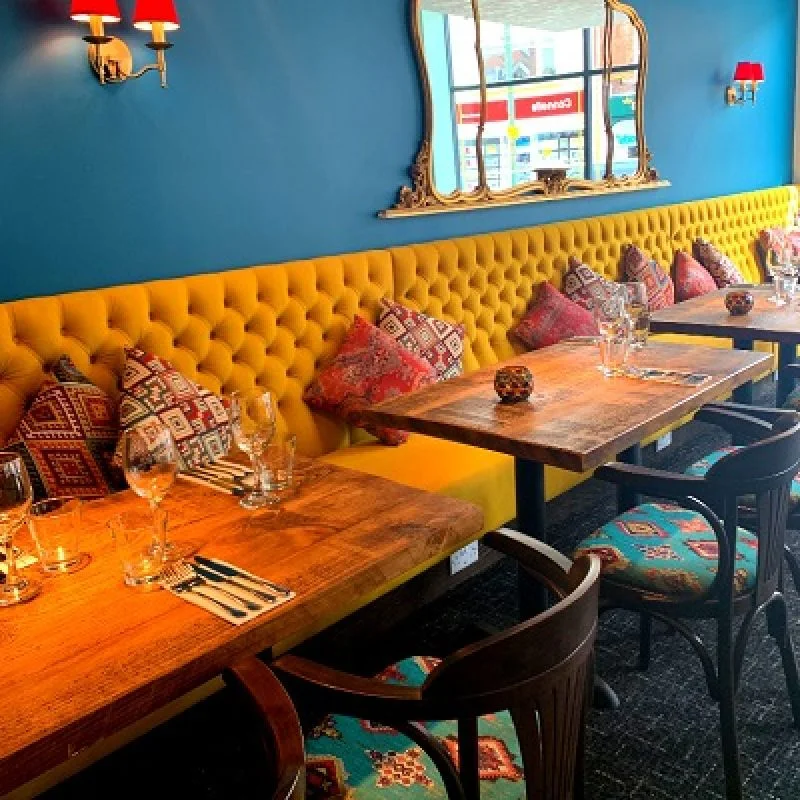
Restaurants need cleaning-first decisions. Booth seating, dining chairs, table tops, and bar seating face food, drinks, body oils, and frequent wiping. Vinyl, PU leather, performance fabric, metal frames, and durable wood or laminate finishes can all work, but the buyer should check the exact cleaning method and expected traffic level.
Offices
Offices need materials that support brand image without creating maintenance headaches. Reception areas may need a refined look, while breakout zones need stronger cleanability. A project can use several materials, but the color palette should still feel consistent across the workplace.
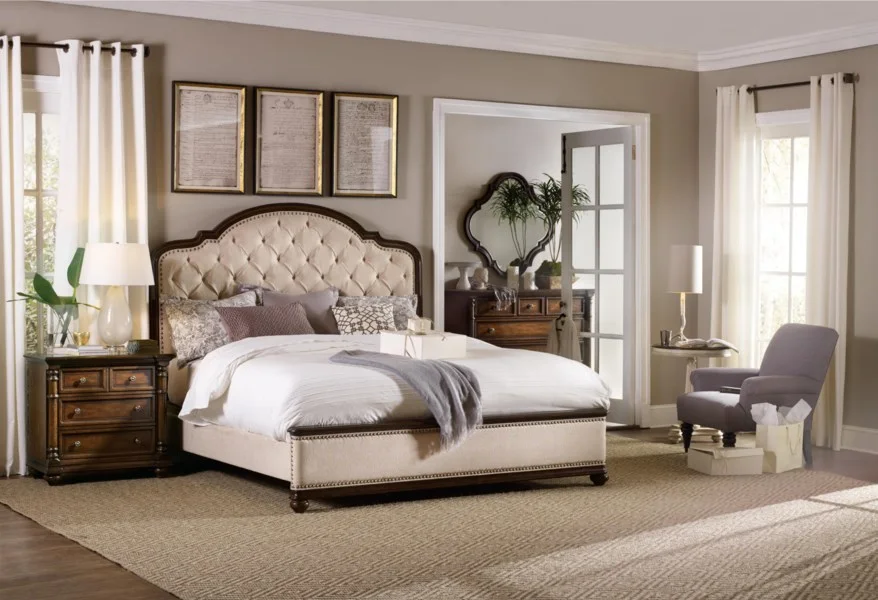
Durability, Cleaning and Maintenance Considerations
Durability is a system, not a single material name. A sofa depends on frame, foam, support, stitching, upholstery, legs, and user behavior. A restaurant chair depends on frame strength, joints, finish, seat material, glides, and cleaning. A bed depends on headboard padding, side rails, fabric, base structure, and installation.
Cleaning should be confirmed before ordering. Ask whether the upholstery can be wiped with mild cleaner, whether fabric needs spot cleaning only, whether metal finishes tolerate daily cleaning, and whether wood surfaces need special care. If the cleaning routine is not realistic for the project, choose another material before bulk production.
Buyers should connect furniture materials and finishes to the cleaning team, not only to the designer. If housekeeping, restaurant staff, or facility teams cannot follow the required cleaning method, the material will not perform as expected. A practical material choice is one that can be maintained by the people who will actually use and clean the furniture.
Color and Finish Consistency for Bulk Orders
Bulk orders need control samples. The buyer should approve upholstery swatches, wood finish samples, metal finish samples, and product samples before production. If a color is matched from a photo, a Pantone reference, or an interior rendering, it still needs a physical sample. Photos and screens can shift color significantly.
For repeat orders, record fabric code, supplier, color number, finish formula if available, metal finish name, and sample date. If a material is discontinued, the supplier should propose the closest replacement and provide a new approval sample. This is especially important for hotel, restaurant chain, office rollout, and dealer programs.
For multi-product packages, review furniture materials and finishes together. A sofa fabric, chair wood tone, table base metal, bed headboard fabric, and booth upholstery may each look acceptable alone but clash in one room. A finish board or sample kit helps decision makers approve the full package instead of isolated pieces.
Finally, furniture materials and finishes should be tied to sample approval. The approved sample is the production reference, the inspection reference, and the repeat order reference. Without that furniture materials and finishes standard, every later discussion becomes subjective.
Send your furniture list, usage scenario and preferred material direction so HUAXUAN can compare fabric, leather, wood and metal finish options.
Project Buyer Checklist Before Confirming Materials
| Product type | Usage scenario | Target market | Color reference | Upholstery sample | Wood finish sample | Metal finish sample | Cleaning requirement | Quantity | Sample approval requirement |
|---|---|---|---|---|---|---|---|---|---|
| Sofa, chair, bed, booth, table | Hotel, restaurant, office, apartment, dealer program | Country, price level, user profile | Photo, Pantone, swatch, room rendering | Fabric, PU, leather, performance fabric | Veneer, solid wood, laminate, paint, stain | Powder coat, chrome, black, brass-look, stainless | Daily wipe, spot clean, stain resistance | By model and color | One approved sample or swatch set |
| Mixed room package | Guestroom, lobby, dining room, reception | Hospitality, rental, chain store, corporate | Master palette | Label by product and area | Master finish board | Hardware and leg finish | Cleaning team method | Batch and rollout quantity | Photo record and signed approval |
This checklist should be completed before production. It is much cheaper to change a swatch than to change a container of finished chairs, booths, beds, or sofas. A clear approval process also helps buyers compare suppliers fairly because the quotation is based on the same material level.
FAQ
What furniture upholstery is best for commercial projects?
The best upholstery depends on traffic and cleaning. Performance fabric, vinyl, PU leather and durable woven fabrics can all work when the specification matches the project.
Is PU leather good for restaurant booth seating?
PU leather or vinyl can be practical for restaurant booths because it is often easier to wipe, but buyers should confirm quality, thickness, backing and peeling resistance.
How do I keep wood finishes consistent in a bulk order?
Approve a physical wood finish sample, record the finish standard, and use it as the reference for production inspection and repeat orders.
Should I choose fabric or leather for office lounge sofas?
Fabric can feel warmer and softer, while leather or leather-look materials can feel more premium or easier to wipe. The right choice depends on traffic, brand image and cleaning.
Can HUAXUAN help compare furniture materials and finishes?
HUAXUAN can review reference photos, target market, product list, quantities and cleaning requirements to suggest practical upholstery, wood and metal finish options.
Send Reference Photos and Material Requirements
Furniture materials and finishes should be confirmed with real samples and a written approval record. Send your product list, project type, target market, reference photos, preferred colors, cleaning needs, and quantity. HUAXUAN can help compare upholstery, PU leather, genuine leather, wood finishes, metal finishes, and finish consistency risks before you place a bulk order.
Send your reference photos, target market and furniture list to get material and finish suggestions for your project.