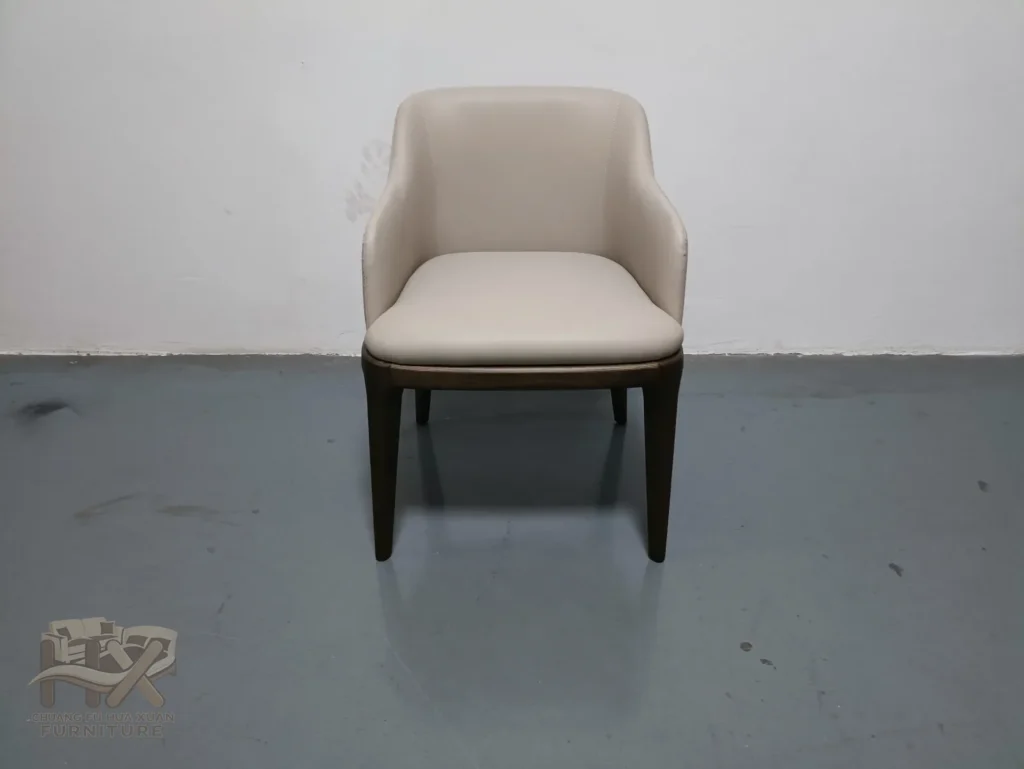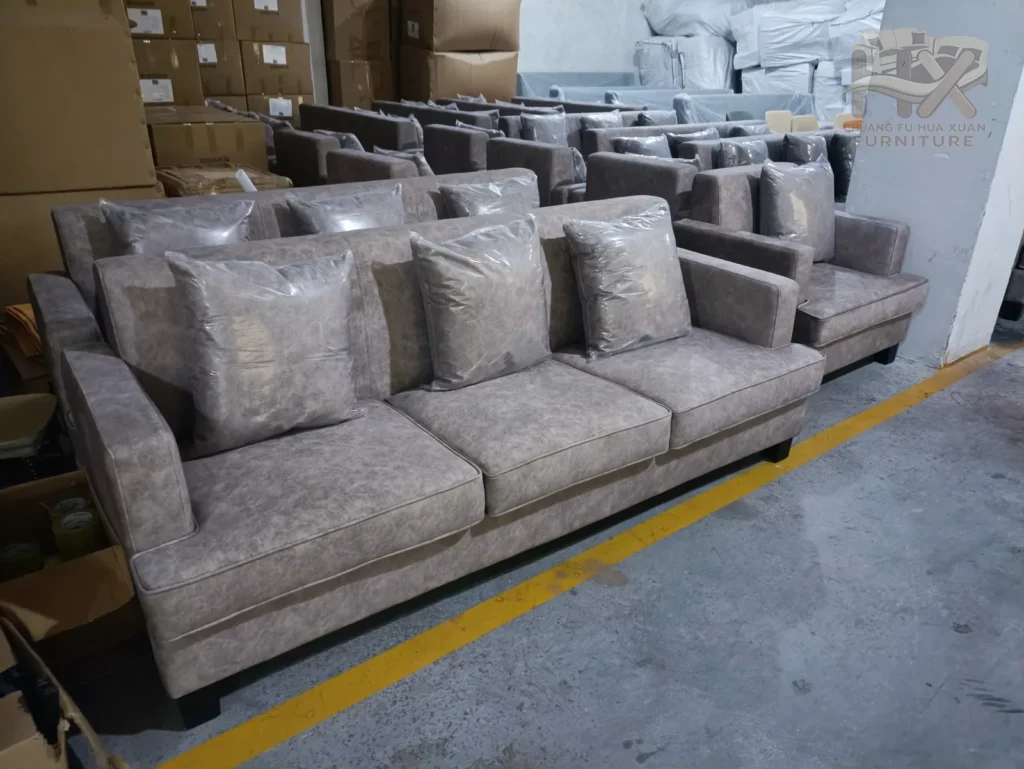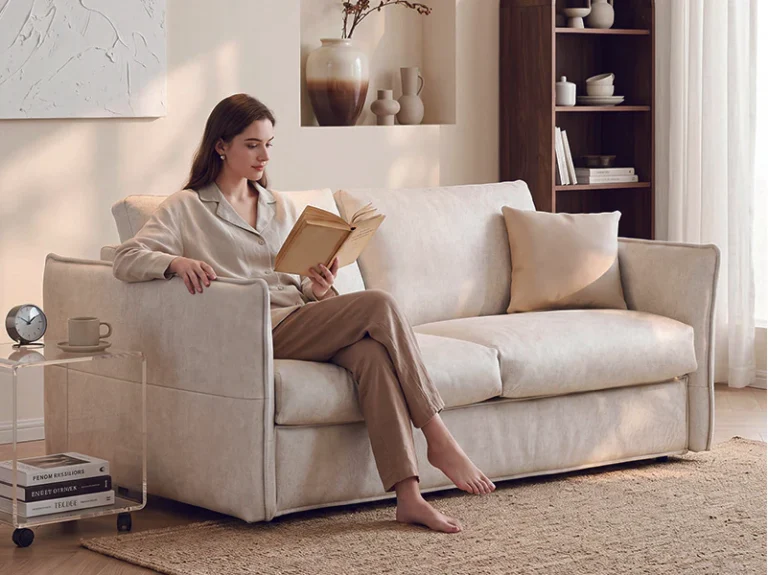

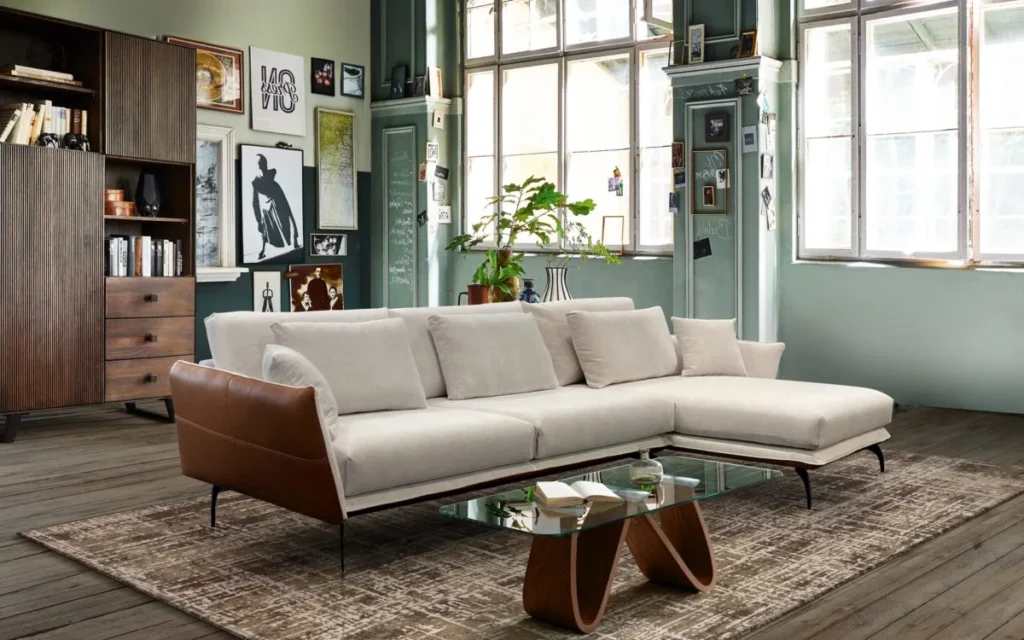
The question of leather vs fabric sofa is not about which material is always better. For hotel buyers, apartment developers, distributors and showroom teams, the better choice depends on traffic level, cleaning method, target price, climate, guest profile and the image the project needs to present.
This guide compares fabric sofa vs leather sofa options from a B2B procurement angle. It covers comfort, appearance, durability, maintenance, cost, long-term value and custom upholstery choices so buyers can prepare a clearer RFQ for bulk sofa orders.
Need to compare sofa upholstery for a hotel, apartment or wholesale program? Send your target market, use scenario and quantity so HUAXUAN can suggest practical material directions.
Leather vs Fabric Sofa: Main Differences
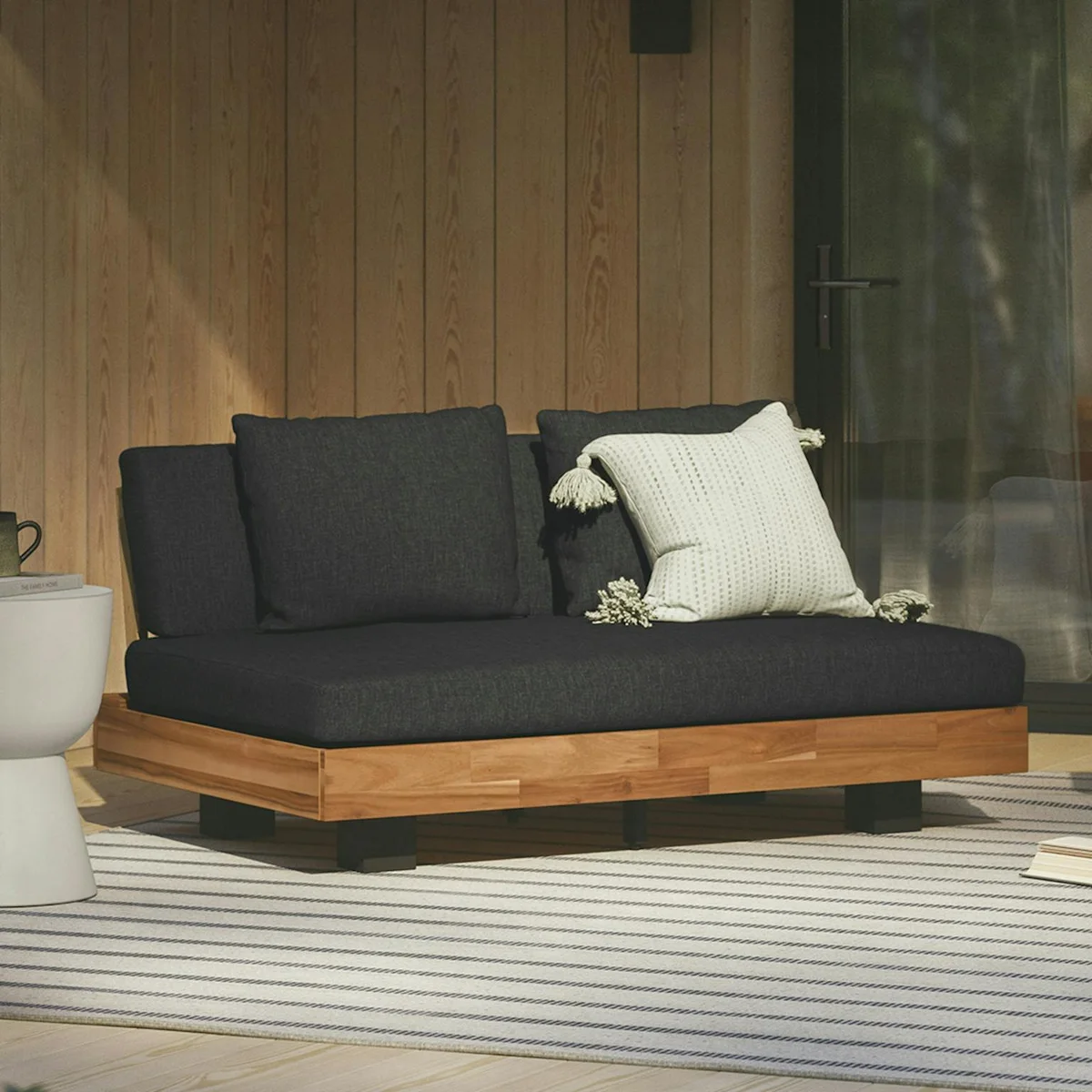
Leather, PU leather and leather-look upholstery usually create a cleaner, more formal impression. They can be suitable for reception areas, executive lounges, hotel suites and projects that need a premium visual tone. Fabric sofas offer more texture, color variety and softness, which makes them useful for apartments, model rooms, lounges and relaxed living spaces.
The main difference for procurement is not only surface feel. Material choice affects unit cost, minimum order quantity, color control, cleaning instructions, packing protection and replacement planning. A buyer should ask what type of leather or fabric is being quoted, because the words leather and fabric cover many different grades.
Comfort and Appearance Comparison
Leather can feel firmer at first and may soften with use. It reflects light, shows natural grain when genuine leather is used, and can make a sofa look more structured. Fabric often feels warmer and softer from the beginning. Linen-look fabric, chenille, velvet, boucle and performance fabric each create a different mood and touch.
For hotels and apartments, appearance should support the interior concept and the guest expectation. A business-hotel lobby may prefer leather-look or tightly woven neutral fabric. A serviced apartment may use easy-clean fabric to feel residential. A boutique hotel lounge may select velvet or textured upholstery for stronger visual character.
Durability for Daily Use and Commercial Spaces
Durability depends on material grade and construction. Genuine leather can be durable when cared for correctly, but poor leather splits or bonded leather can fail quickly under heavy use. PU leather can be practical for controlled-cost projects, but buyers should check hydrolysis resistance, abrasion and climate suitability. Fabric durability depends on weave, fiber, abrasion rating, backing and stain treatment.
Commercial spaces need a different standard from a private living room. Hotel lobbies, rentals and public lounges receive luggage contact, repeated sitting, food spills and cleaning chemicals. Ask for material data where available, and always review the sofa frame, foam and stitching with the upholstery. A strong fabric on a weak sofa still creates a weak product.
Cleaning and Maintenance Requirements
Leather and PU surfaces are often easier to wipe for small spills, but they can show scratches, cracking, color transfer or heat damage if the material is unsuitable. Fabric can hide minor wear better when the color and texture are chosen well, but it may absorb stains if it is not treated or cleaned quickly. Performance fabric is a useful option for apartments, long-stay units and hospitality areas that need a softer look with easier care.
Before ordering, confirm cleaning method, stain expectations and whether housekeeping or tenants will maintain the sofa. Avoid choosing delicate fabric for a high-traffic lobby unless the operator accepts the care routine. Avoid assuming leather is maintenance-free; real leather still needs proper cleaning and conditioning in many environments.
Cost and Long-Term Value
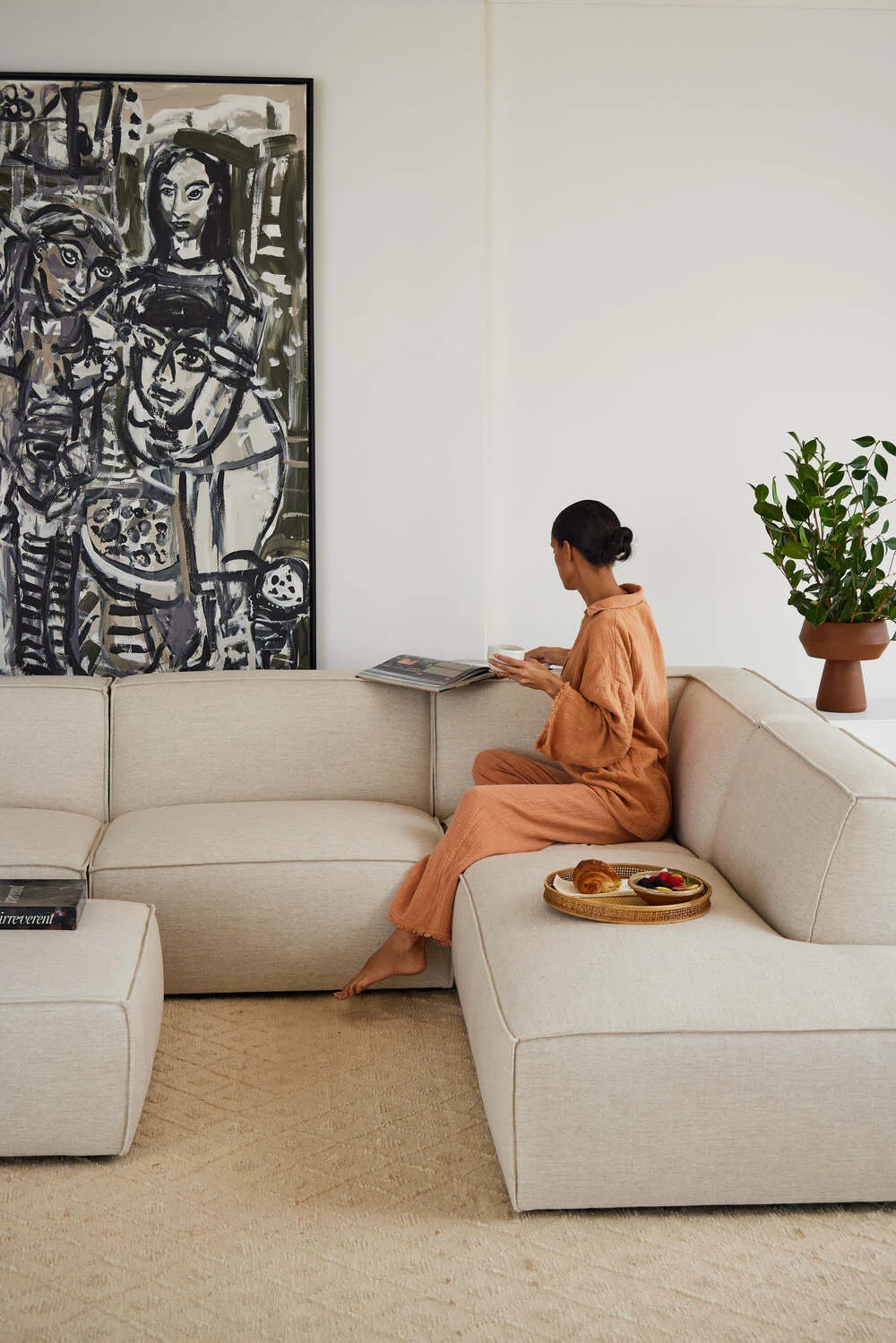
Fabric sofas usually offer a wider range of price levels, especially for apartment and wholesale programs. Leather and high-grade leather alternatives can raise the unit price, but they may support a premium positioning when the project requires it. The lowest price is not always the best value if the material pills, peels, fades or becomes difficult to clean.
Long-term value should include replacement risk, stain management, reorder availability and customer expectations. For a distributor, a fabric sofa program with stable color cards may be easier to scale. For a hotel suite, a well-specified leather or PU leather sofa may better match the room’s luxury signal. Compare materials by use case, not by label alone.
Material decisions affect price, comfort, cleaning and reorder consistency. Share your preferred fabric or leather standard before sampling so the quotation is easier to compare.
Best Materials for Hotels, Apartments and Showrooms
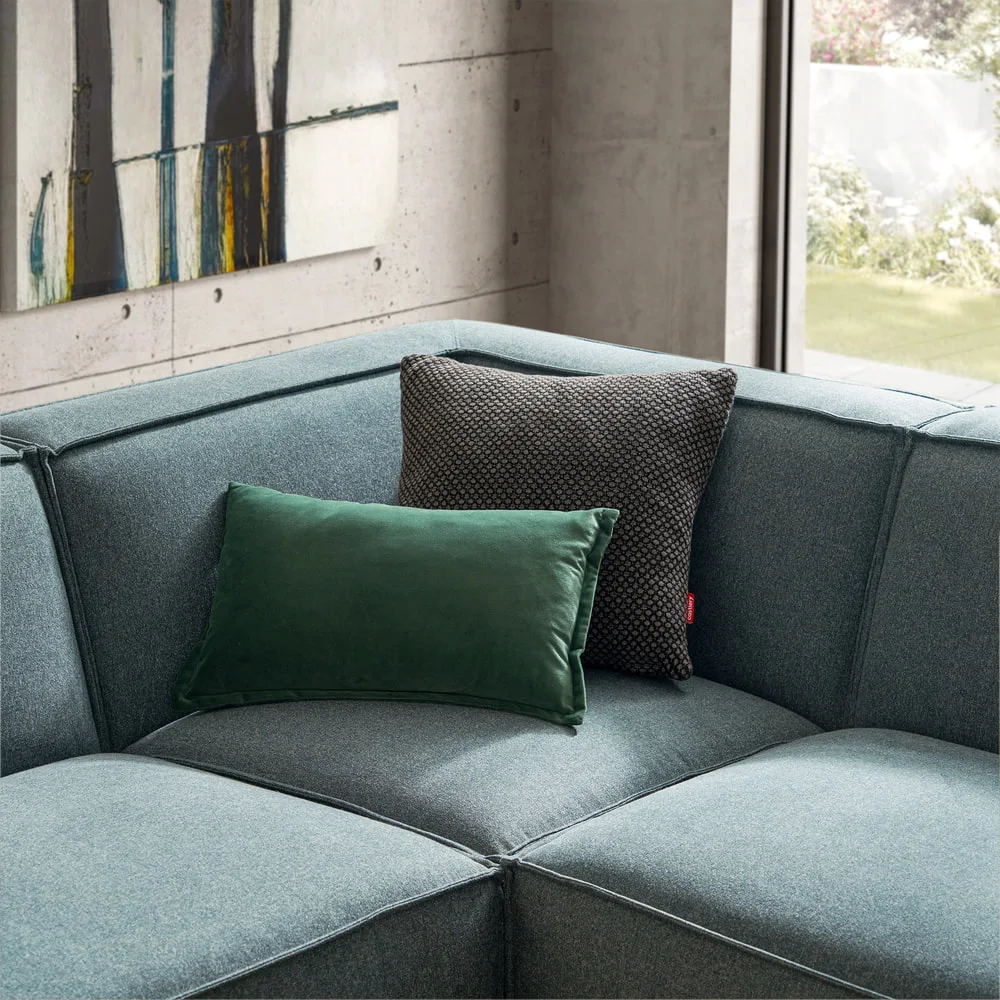
Hotels often use performance fabric, velvet, woven commercial textiles, PU leather or genuine leather depending on the area. Public spaces need durability and cleanability. Guestrooms need comfort and proportion. Apartments often prefer easy-clean fabric, linen-look fabric, microfiber or PU leather where turnover and tenant use are concerns. Showrooms may use richer textures and colors to communicate style.
When planning a furniture package, connect sofa upholstery with materials and finishes, hotel furniture, sofas and couches and apartment project furniture. This keeps the sofa material aligned with chairs, beds, casegoods and overall project tone.
How to Choose Upholstery for Bulk Sofa Orders
A bulk sofa order should begin with a use scenario. Define whether the sofa is for hotel lobby, hotel room, apartment unit, rental package, retail showroom, office lounge or distributor stock. Then define traffic level, color direction, cleaning method, budget range and target market. These details help the supplier recommend a realistic upholstery group.
Ask for fabric swatches, leather samples or PU leather cards before confirming the sample sofa. Review color under real lighting, because showroom lighting and website photos can change the material impression. Keep approved material codes in the purchase record so future reorders can match the first shipment as closely as possible.
Custom Sofa Upholstery Options
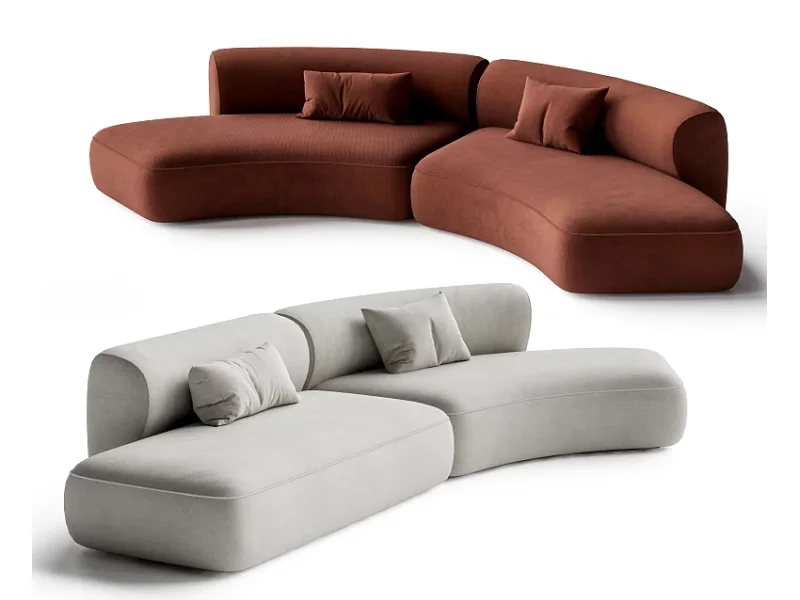
Custom upholstery can include performance fabric, easy-clean fabric, linen-look fabric, velvet fabric, PU leather, genuine leather, contrast stitching, piping, tufting and mixed-material panels. Buyers can also request custom colors, private label care tags and coordinated upholstery for lounge chairs, beds or ottomans.
For large projects, approve the material on a sample or mock-up sofa before mass production. Check seam tension, wrinkles, cushion recovery, fabric direction and how the material behaves around curved arms or tight corners. Material selection should be beautiful, but it must also be repeatable across bulk order production.
Material Approval Checklist for Project Buyers
Before confirming leather or fabric, ask the supplier to identify the exact material code, color name, backing, width, cleaning method and replacement availability. If the project uses several sofa models, confirm whether the same material will be used on all items or only on selected SKUs. This matters for hotels and serviced apartments because mismatched batches can be visible after installation.
For fabric, review pilling risk, colorfastness, abrasion data where available, hand feel and whether the fabric direction changes the visual tone. For velvet and chenille, inspect the nap direction carefully. For linen-look fabric, check whether the weave opens at seams. For performance fabric, ask what kind of stain resistance is being claimed and how it should be maintained.
For PU leather or genuine leather, check thickness, surface finish, backing, stretch, scratch visibility and climate suitability. Humid or high-temperature markets may need extra attention to PU quality. Genuine leather should be reviewed by grade and finish, because corrected grain, top grain and full grain do not behave the same way. A sample card is useful, but a finished sofa sample shows how the material works on real curves, seams and cushions.
Buyers should also decide who will approve final color. A purchasing manager may focus on price, while a designer may focus on tone under project lighting. For smoother approval, photograph swatches beside wood, metal, wall color and flooring samples. Keep the approved swatch sealed or labeled so the factory and buyer can refer back to the same reference during production.
For distributors and wholesalers, consider how the upholstery will be explained to downstream customers. A material that photographs well, cleans reasonably and stays available for repeat orders may be more valuable than a dramatic fabric that is difficult to restock. For hotels, ask the operator whether housekeeping has restrictions on cleaning chemicals, because this can eliminate some materials before sampling.
The final approval should include the finished sofa, not only the loose swatch. Look at seam alignment, cushion wrinkles, color shading, touch, smell and the way the material wraps around corners. If the sofa will be shipped in large quantities, this sample becomes the reference for inspection.
FAQ
Is leather always better than fabric for sofas?
No. Leather, PU leather and fabric can all be suitable when matched to the use scenario, budget, cleaning method and design target.
What sofa material is best for hotels?
Hotels often use performance fabric, commercial woven fabric, velvet, PU leather or genuine leather depending on traffic level and interior style. Public spaces need stronger durability and cleaning planning.
What sofa material is best for apartments?
Apartments often use easy-clean fabric, linen-look fabric, microfiber, performance fabric or PU leather because comfort, cost and maintenance all matter.
Can HUAXUAN customize sofa upholstery for bulk orders?
Yes. Buyers can discuss fabric, PU leather, genuine leather, color, stitching, size, foam comfort, labels and project quantities for custom sofa programs.
Choose Sofa Upholstery with HUAXUAN
A leather vs fabric sofa decision should be based on the project’s use case, not a simple winner. Leather can look formal and wipe easily, while fabric can feel warmer, offer more color choices and fit apartment or hospitality interiors well.
For high-traffic public areas, choose materials by durability, cleaning and replacement planning. For apartment and rental projects, balance comfort, cost and care instructions. For showrooms and distributors, think about how the material will look in photos and whether repeat stock can maintain the same color story.
The most useful supplier conversation is specific: room type, target price, climate, cleaning expectation, material grade and quantity. With those details, a manufacturer can recommend upholstery options that fit the project instead of guessing from a mood board.
When possible, approve one material direction for public areas and another for private rooms instead of forcing one upholstery to solve every condition across the project.
HUAXUAN Furniture can review sofa upholstery options for hotels, apartments, showrooms, wholesalers and commercial projects. Send reference photos, preferred materials, quantity and target market to discuss a suitable sofa specification.
HUAXUAN Furniture can support fabric sofas, PU leather sofas, genuine leather options, custom colors, sofa beds and sectional sofas for project buyers.