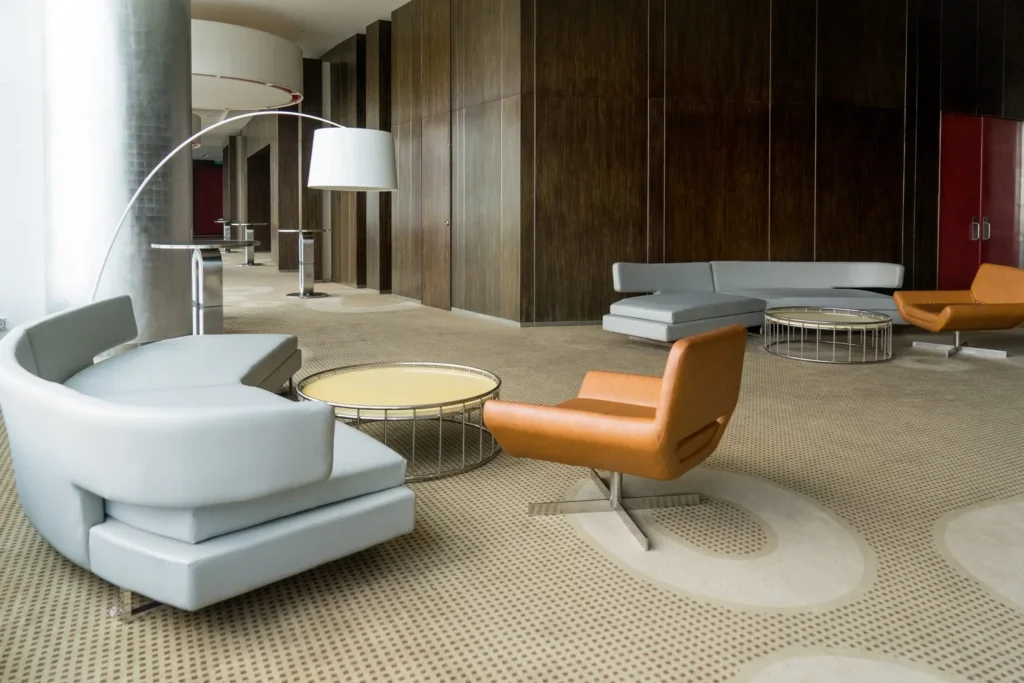
Office lounge furniture should help visitors feel welcomed, give employees a comfortable place to pause, and still survive daily commercial use. For B2B buyers, the best order is usually not one sofa style copied across every zone. Start with the reception area, breakout area, waiting area, and co-working lounge separately. Then match sofas, lounge chairs, modular seating, coffee tables, side tables, upholstery, color, and budget to how each space will actually be used.
Send your office floor plan, reference photos and seating quantity to get office lounge furniture suggestions for your project.
Why Office Lounge Furniture Matters in Workplace Projects
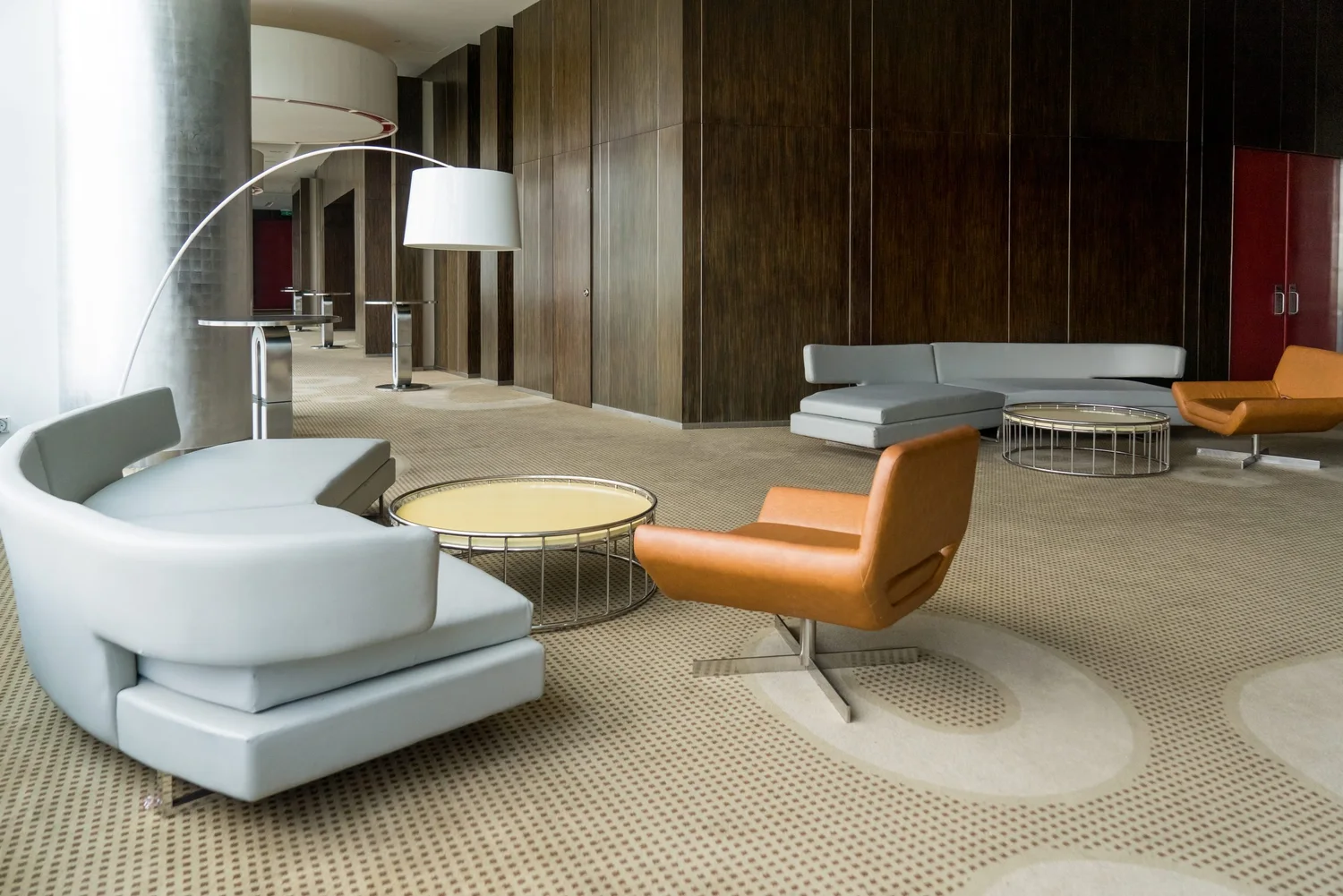
Office projects often spend a lot of time on workstations and meeting rooms, but the lounge zones are what many visitors and employees experience first. A reception sofa can shape the first impression of a brand. A breakout lounge can support short informal meetings. A waiting zone can reduce pressure at the front desk. A co-working lounge can become a flexible work setting when desks are full or teams need a softer place to talk.
The challenge is that office lounge furniture has to do several jobs at the same time. It should look aligned with the company image, feel comfortable enough for real use, fit the floor plan, stay durable under public traffic, clean easily, and land within a project budget. If buyers choose only by catalog photos, they may get pieces that are too deep, too soft, too large, too delicate, or too expensive for the number of users.
For importers, dealers, designers, contractors, and corporate procurement teams, the smarter approach is to define the use case before choosing the model. A formal reception area does not need the same seating depth as an employee lounge. A compact waiting area does not need the same modular system as a campus common space. HUAXUAN can support projects that need custom office furniture, commercial sofas and couches, upholstered chair options, materials and finishes capability, OEM and ODM furniture development, sample approval process, and send a furniture quotation request.
Common Office Lounge Furniture Types
Most workplace lounge projects combine several seating and table types. The exact mix depends on space size, traffic level, brand style, and how long people are expected to sit. A reception area may need a sofa set and coffee table. A breakout zone may need compact lounge chairs, soft benches, and movable tables. A co-working lounge may need modular seating with power access planning and cleanable upholstery.
| Furniture type | Best use case | Recommended material | Space requirement | Buyer should confirm |
|---|---|---|---|---|
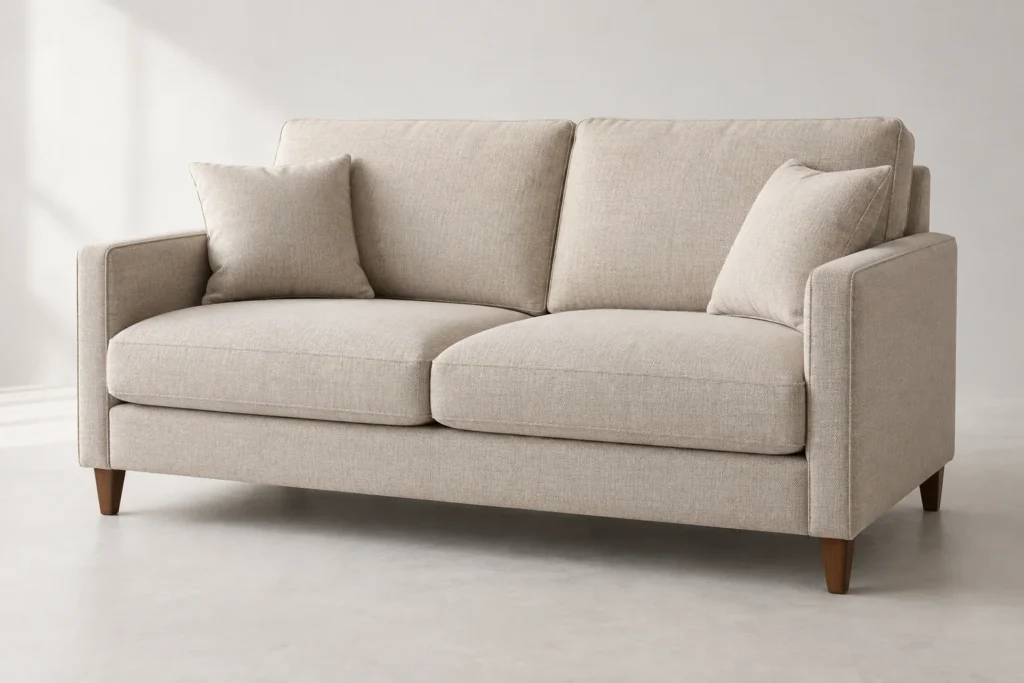
| Reception sofa | Front desk, visitor waiting, executive lobby | Commercial fabric, PU leather, or leather-look vinyl | Allow walking space in front and around coffee table | Seat depth, arm height, brand color, cleaning need |
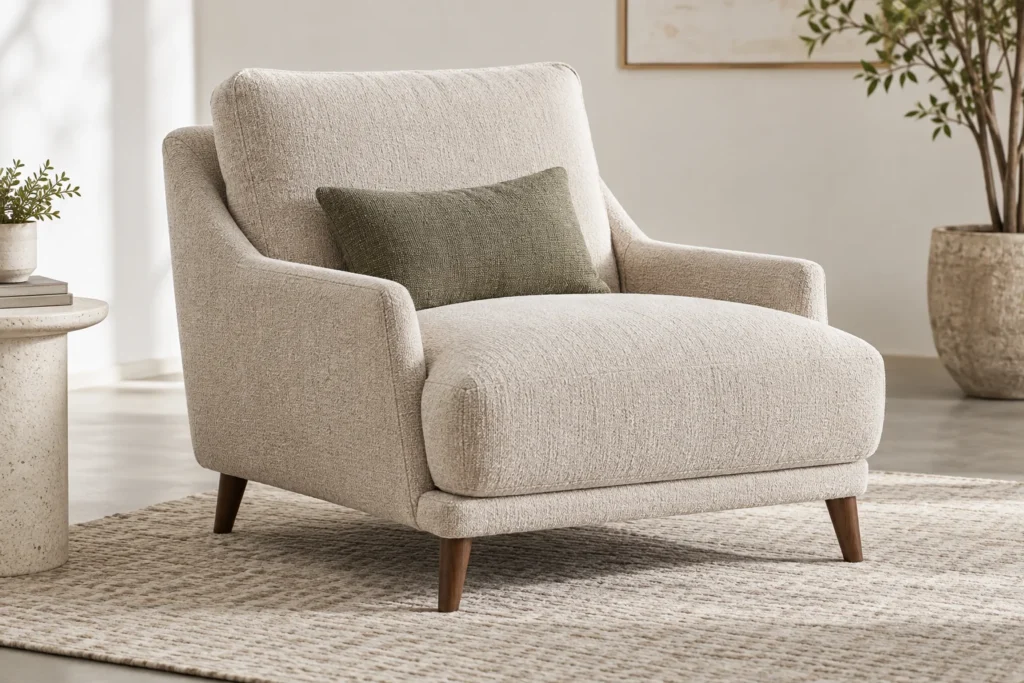
| Lounge chair | Breakout corners, small waiting zones, informal talks | Fabric, vinyl, molded shell, metal or wood legs | Works well in pairs or small clusters | Seat height, back support, frame finish, quantity |
| Modular seating | Flexible workplace lounge or co-working area | Durable upholstery with replaceable modules | Needs clear plan for module length and circulation | Connection method, layout drawing, spare modules |
| Coffee table and side table | Reception sofa set, casual meeting, waiting area | Laminate, veneer, stone-look, metal base | Keep enough knee and aisle clearance | Table height, top finish, edge durability |
| Soft bench or ottoman | Breakout area, hallway pause point, project lounge | Performance fabric or vinyl | Can fit walls, corners, or open zones | Foam firmness, base material, cleaning access |
Reception Sofas
Reception sofas should look composed and professional, but they cannot be treated like home living room sofas. Visitors may sit with bags, laptops, coats, samples, or drinks. The sofa should have enough support to make standing up easy, especially in offices where visitors may wait for only a short time. Too much sink-in comfort can feel informal and can age quickly in a public area.
Lounge Chairs

Lounge chairs help break up a large office lounge and give people personal seating choices. They work well in pairs beside a small table, near windows, or around a low meeting table. For B2B orders, check chair width, seat height, back angle, leg strength, floor protection, and upholstery cleaning before approving the sample. Chairs that look light in a rendering may need stronger frames for daily workplace use.
Modular Seating
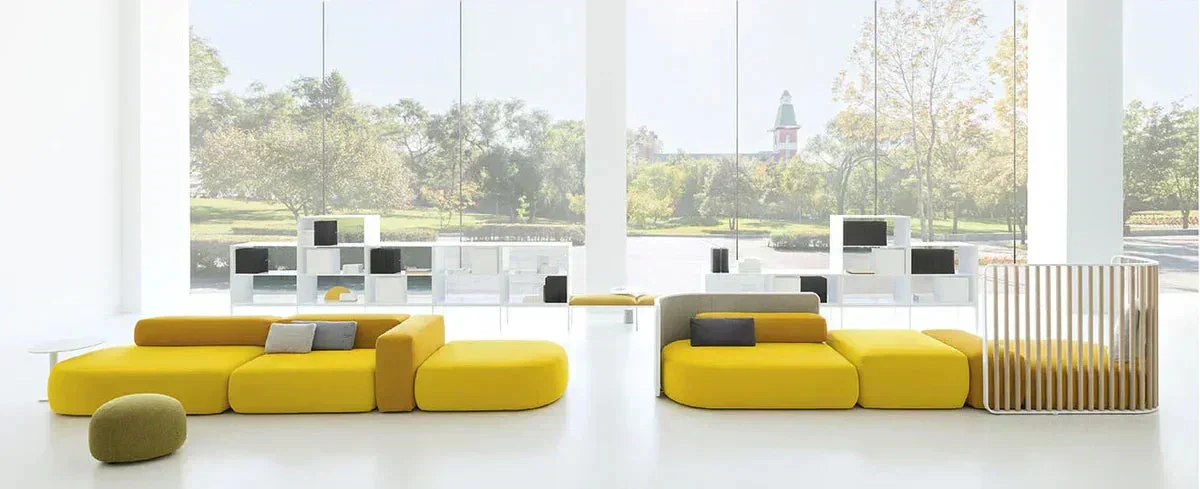
Modular office lounge seating is useful when a workplace needs flexible configurations. It can form straight runs, islands, corners, or social settings. The buyer should request a module plan with exact dimensions, connection details, seat count, and upholstery direction. Without a layout drawing, modular seating can arrive with the right pieces but still create awkward gaps, blocked walkways, or inconsistent color direction.
Coffee Tables and Side Tables
Tables are often underestimated. A coffee table that is too large blocks circulation; a table that is too low is uncomfortable for laptop use; a fragile finish can show scratches quickly. For office lounge furniture, table tops should match the expected use. Laminate and veneer can work well for budget and bulk consistency, while stone-look or metal finishes may suit higher image areas when weight and cost are acceptable.
Soft Seating for Breakout Areas
Breakout soft seating should support real employee habits: short calls, quick chats, lunch breaks, laptop work, and informal team conversations. Buyers should avoid turning every soft zone into a deep sofa lounge. A mix of lounge chairs, compact sofas, benches, stools, and small tables usually works better because it gives different postures and can fit changing team needs.
Office Lounge Layout Ideas by Space Type
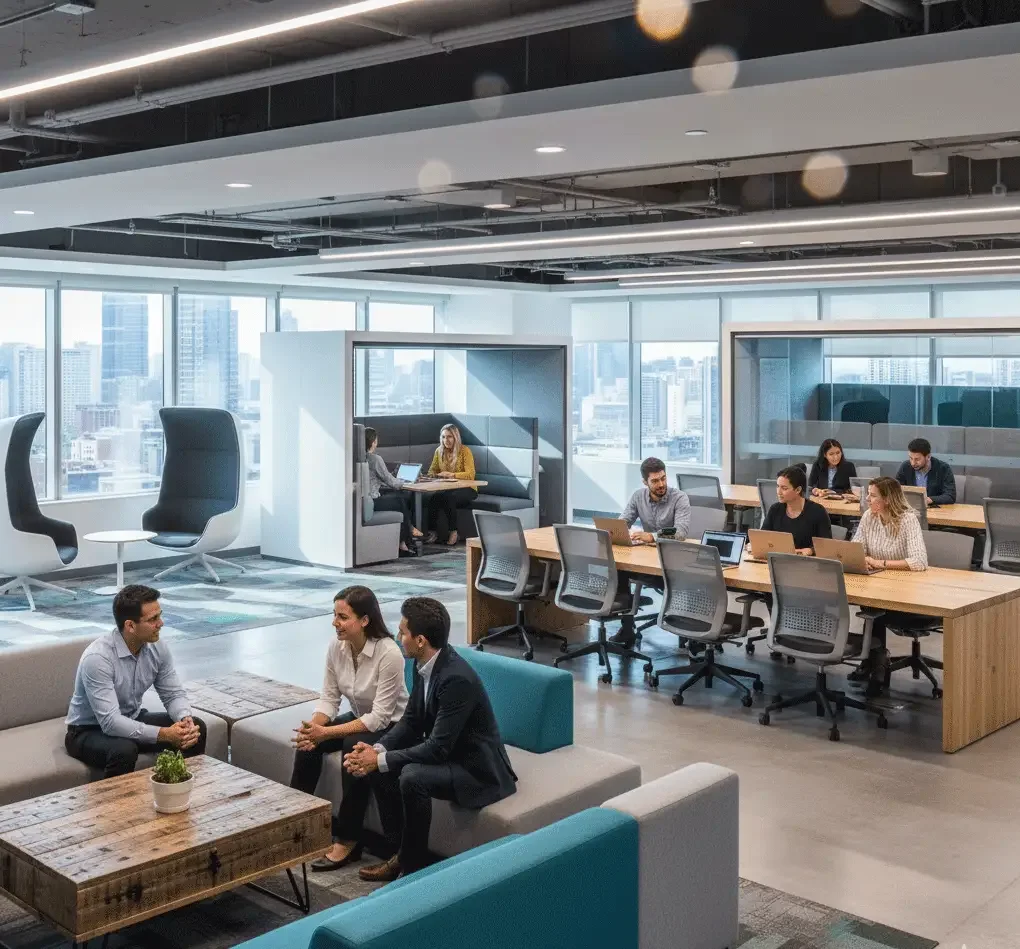
The best layout depends on the space purpose. Before confirming models, mark entrance paths, door swings, reception counter position, power outlets, glass walls, waiting flow, and how many users may sit at one time. This prevents a common problem: beautiful lounge furniture that blocks movement, hides signage, or creates dead corners that people avoid.
| Space type | Recommended furniture | Seating capacity | Layout notes | Common mistakes |
|---|---|---|---|---|
| Reception area | Two or three seat sofa, lounge chairs, coffee table | 4-8 seats for small and mid offices | Face seating toward reception without blocking entrance | Using residential deep sofas that make visitors sink too low |
| Employee breakout area | Compact lounge chairs, soft benches, small tables | Depends on team size and shift pattern | Create several small clusters instead of one oversized sofa | Ignoring food, laptop, and cleaning requirements |
| Waiting area | Durable sofa, armchairs, side tables | Plan for peak visitor volume | Keep clear path to desk, meeting rooms, and elevators | Choosing light fabric without cleaning plan |
| Co-working lounge | Modular seating, movable chairs, shared tables | Flexible, often 8-20 seats | Use modular zones and power planning for different work modes | Ordering modules before confirming final floor plan |
Reception Area
A reception area should feel calm, ordered, and easy to understand. Place sofas and lounge chairs so visitors can see the front desk and staff can see waiting guests. Keep the coffee table close enough to use but not so close that people must twist their legs. If the office receives suppliers or project clients, choose upholstery that can handle bags, samples, and frequent turnover.
Employee Breakout Area
Employee breakout zones need comfort, but they also need practical maintenance. Darker or medium-tone upholstery, removable cushions, vinyl or performance fabric, and metal or solid wood legs can reduce long-term problems. If the area is near a pantry, consider stain resistance and easy wipe surfaces. If it is near workstations, consider acoustic privacy and avoid layouts that create noise directly behind desks.
Waiting Area
Waiting areas in clinics, service offices, showrooms, training centers, and corporate buildings often need simple, durable seating. Buyers should calculate peak visitors rather than average visitors. If people wait with documents or drinks, add side tables. If visitors include older users, choose seat heights and armrests that help them stand up easily.
Co-working Lounge
Co-working spaces need lounge furniture that looks fresh but can survive many users. Modular seating works well because the operator can change layouts for events, small groups, and private conversations. The buyer should also confirm color consistency for repeat orders, replacement module availability, and whether the upholstery can be cleaned without special tools.
Comfort, Durability and Maintenance Considerations
Comfort should match sitting time. A reception sofa used for ten minute waiting does not need the same seat softness as a lounge used for hour-long laptop work. Seat height, cushion firmness, back angle, arm height, and seat depth should all match the user group. If the lounge is for public visitors, overly low or deep seating can create complaints even if it looks stylish.
Durability depends on frame, foam, upholstery, stitching, legs, and table finishes. Ask for frame material, foam density, fabric code, rub count or performance notes where available, and cleaning guidance. For bulk office lounge furniture, sample approval should include sit testing, seam review, color confirmation, and a check of all exposed corners and legs.
Materials and Upholstery Options for Office Lounges
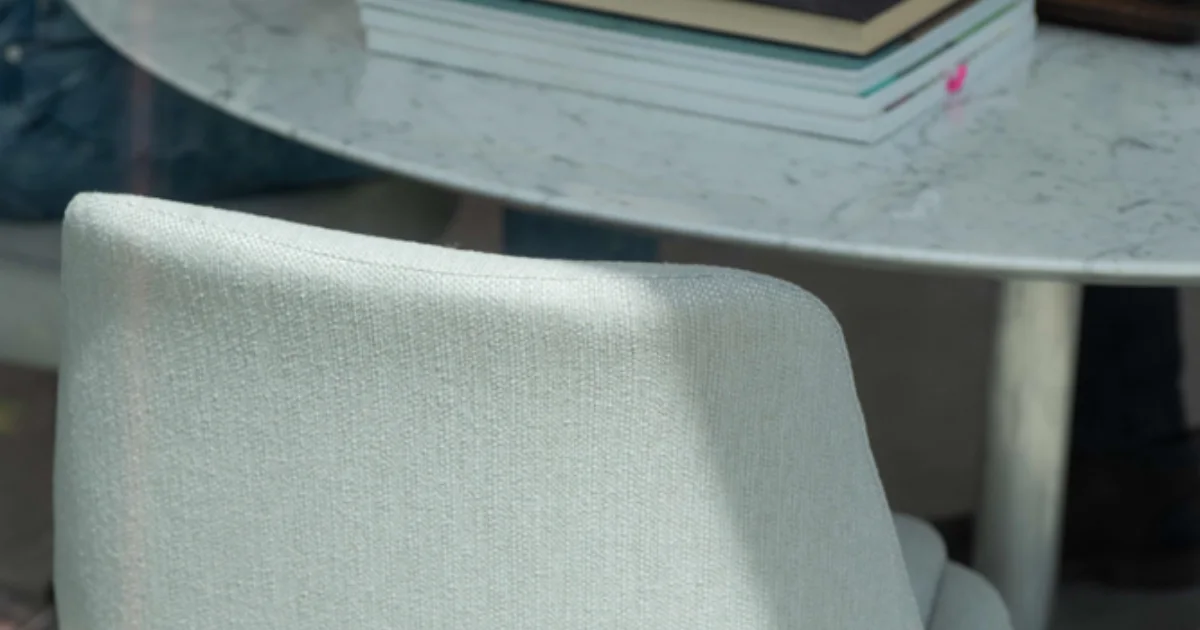
Office lounge upholstery must match brand image and maintenance reality. Fabric feels softer and more residential, but it may need stronger cleaning rules in high-traffic areas. PU leather or vinyl can be easier to wipe, but buyers should confirm hand feel, peeling risk, color stability, and whether the look fits the office brand. Genuine leather can work for executive areas, but it is usually not the first choice for budget-sensitive bulk zones.
For project orders, request physical swatches before production. Photos can mislead color, texture, and sheen. If the office uses several zones, label swatches by area: reception, waiting, breakout, meeting lounge, and pantry lounge. This keeps the approval process clear and reduces confusion when purchasing teams, designers, and site managers review the same order.
How to Choose Furniture for Brand Image and Budget
Brand image does not always require expensive furniture. It requires consistent decisions. A law office may need structured sofas, darker neutral fabric, and metal or wood details. A technology office may prefer modular seats, brighter colors, and flexible clusters. A clinic may need wipeable surfaces and calm tones. A furniture dealer may need a balanced line that can be repeated across client projects.
Budget should be controlled by specification, not by removing every quality detail. If the budget is tight, simplify the shape, reduce special stitching, select standard fabric ranges, and keep module sizes repeatable. Do not cut the frame, foam, or upholstery durability too far, because office lounge furniture is visible and frequently used. A low first price can become expensive if pieces deform, stain, or need replacement too soon.
Share your brand style, floor plan, preferred upholstery and target budget so HUAXUAN can suggest practical office lounge furniture combinations.
Project Buyer Checklist Before Ordering
| Office area type | Floor plan | Number of users | Brand style | Upholstery requirement | Color preference | Budget range | Quantity | Delivery schedule |
|---|---|---|---|---|---|---|---|---|
| Reception | Entrance, counter, door swing, visitor path | Peak visitor count | Formal, modern, warm, luxury | Fabric, PU, vinyl, leather, performance fabric | Neutral, brand color, mixed palette | Target unit and total budget | By model and color | Project date and phased need |
| Breakout | Pantry, workstations, meeting room links | Employee count and shift use | Casual, flexible, collaborative | Easy clean and durable | Medium tones or accent colors | Budget by zone | Seat count and tables | Install window |
| Waiting | Front desk and service path | Average and peak waiting users | Calm and professional | High traffic and wipeable | Stain resistant color | Controlled cost per seat | Sofa and chair mix | Opening date |
| Co-working | Open plan, power, event space | Daily members and visitors | Fresh, flexible, social | Replaceable and cleanable | Repeatable across locations | Rollout budget | Modules and loose seats | Batch schedule |
Before placing the order, confirm final drawings, upholstery codes, color references, sample comments, packaging needs, label requirements, and who approves any change. This is especially important when the buyer is ordering for several floors, offices, or branches. A written approval record is much easier to manage than scattered chat messages and reference photos.
For entrance and visitor-facing zones specifically, the commercial reception furniture composition guide shows how sofas, lounge chairs, ottomans and tables become a controlled package rather than isolated products.
FAQ
What office lounge furniture should I buy first?
Start with the main use zones: reception, waiting, employee breakout, and co-working lounge. Confirm seat count, floor plan and upholstery needs before choosing models.
Are sofas or lounge chairs better for office lounges?
Most projects need both. Sofas give shared seating and a stronger reception look, while lounge chairs create flexible small clusters and support different user preferences.
What upholstery is best for office lounge furniture?
Commercial fabric, PU leather, vinyl and performance fabric can all work. The best option depends on traffic level, cleaning method, brand image and budget.
How much space should I leave around office lounge seating?
Leave clear walking paths around entrances, reception counters and coffee tables. The exact clearance depends on the floor plan, but circulation should be checked before ordering.
Can HUAXUAN customize office lounge furniture for bulk projects?
HUAXUAN can review reference photos, dimensions, upholstery, color, quantity and project use to suggest custom office lounge sofas, chairs and modular seating.
Send Your Office Layout or Reference Photos
The best office lounge furniture decision starts with the real space, not a catalog page. Send your floor plan, target seating quantity, brand style, reference photos, upholstery preference, and budget range. HUAXUAN can review the reception area, breakout area, waiting area, and co-working lounge separately so the furniture mix fits comfort, durability, appearance, and cost.
Send your office layout, reference photos and seating list to get office lounge furniture suggestions for your project.