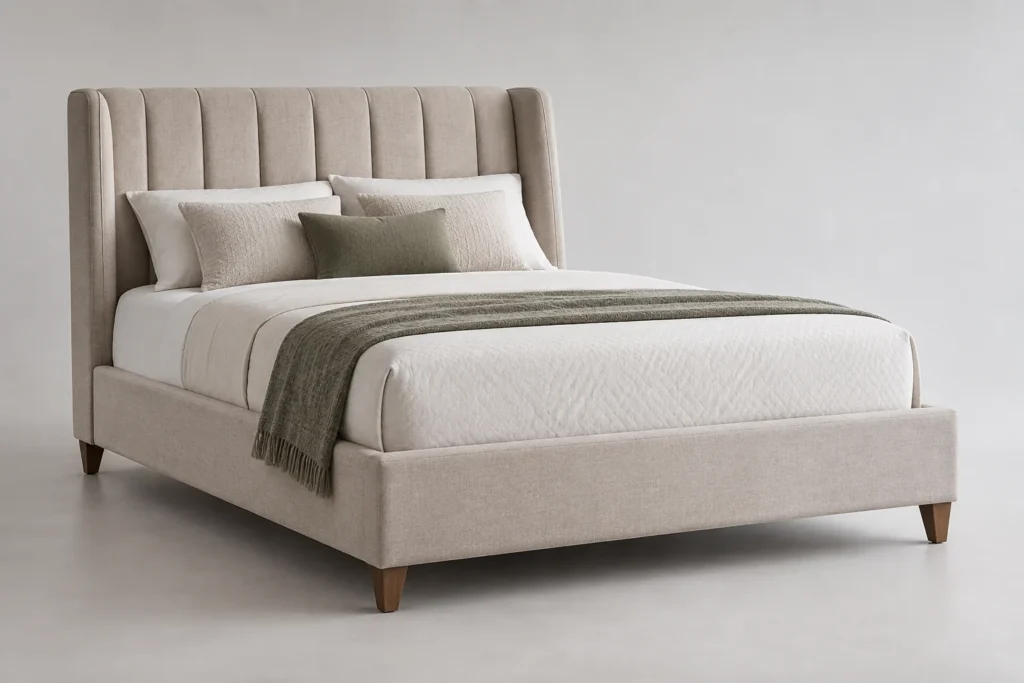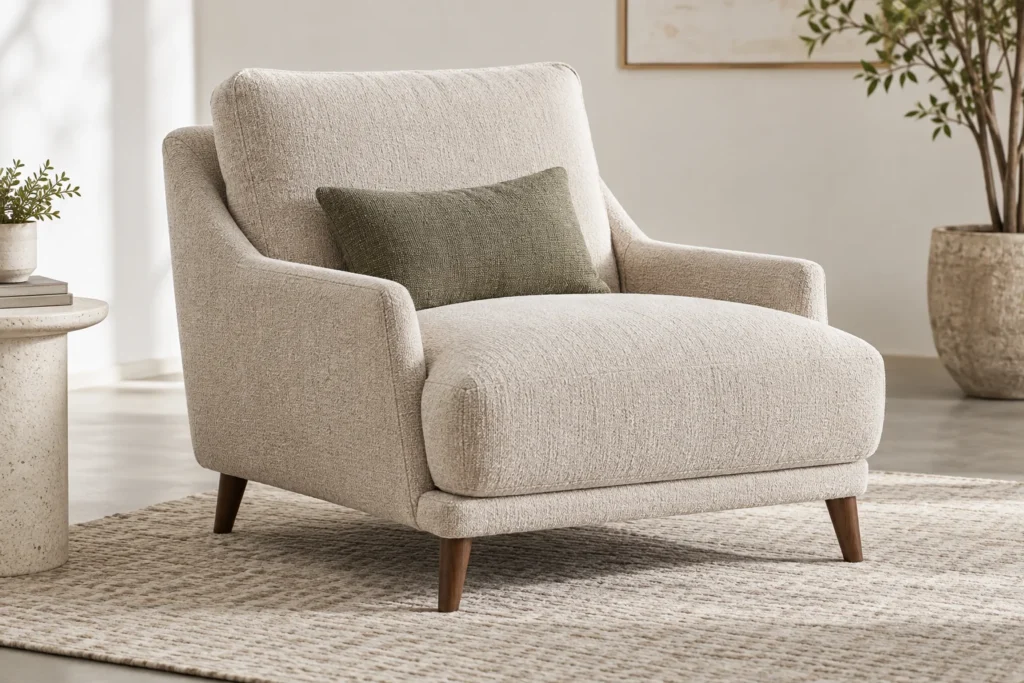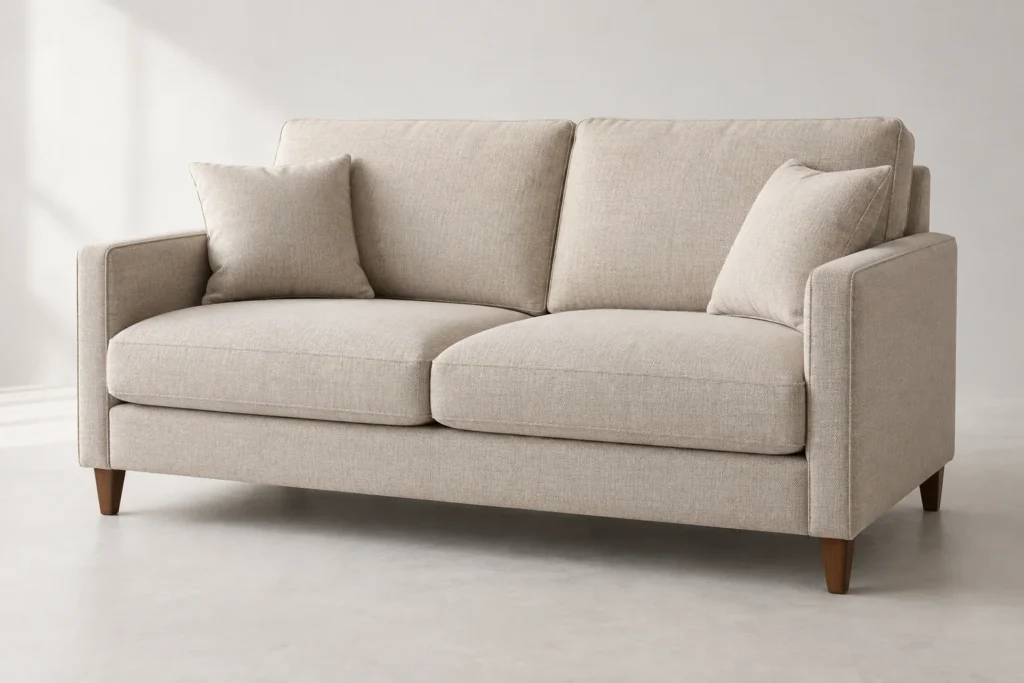

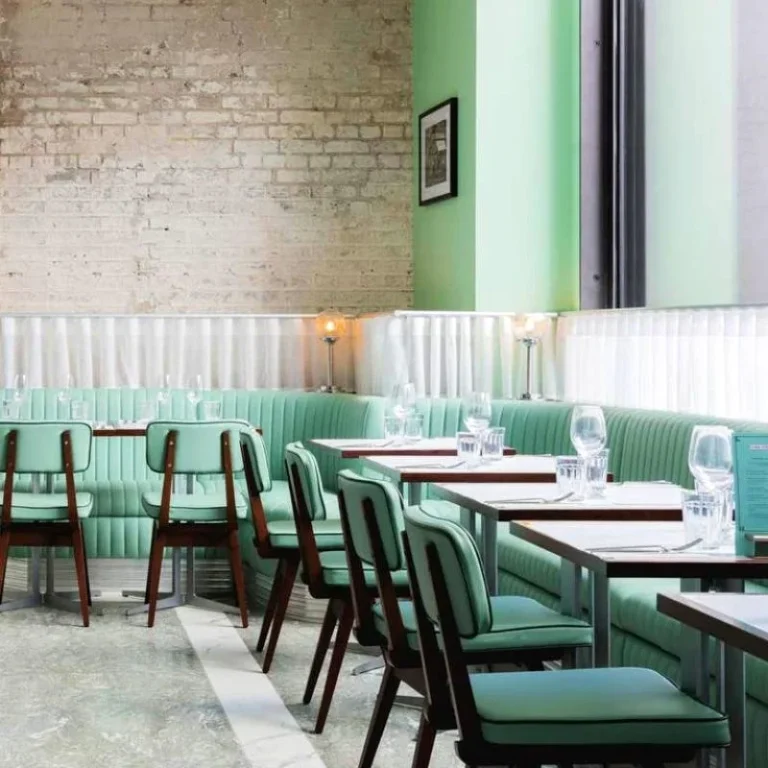
A strong restaurant seating layout starts with the guest experience and the operator’s seat target at the same time. Chairs, tables, booths, and banquettes should not be selected as separate products. They need to fit the floor plan, service path, table size, aisle width, cleaning routine, and brand concept together. The goal is simple: increase usable seats without making the dining room feel crowded or difficult for staff to serve.
Send your restaurant floor plan, table count and seating target to get chair and booth seating layout advice.
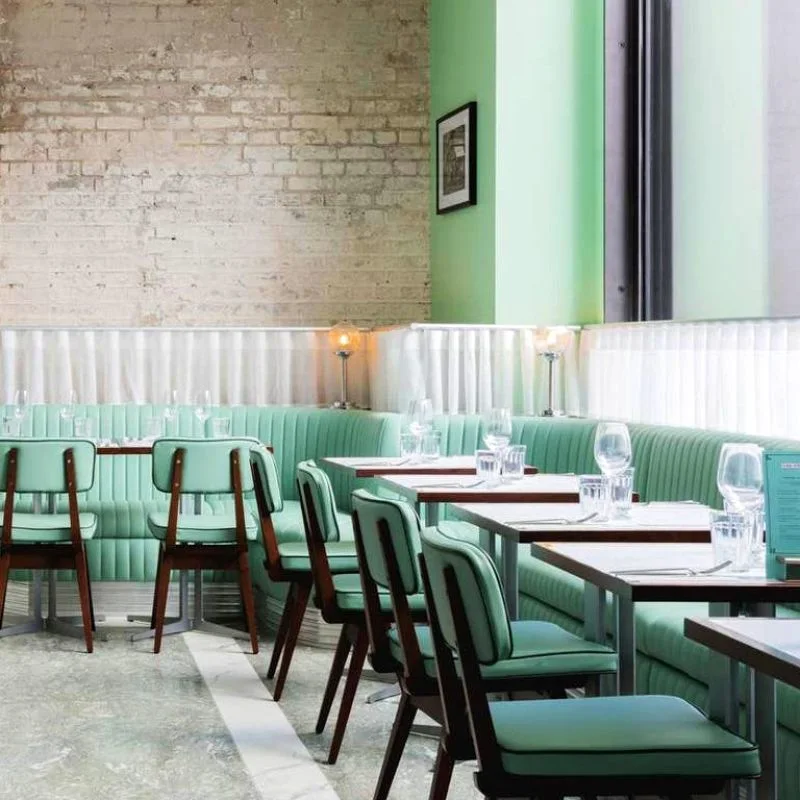
Why Restaurant Seating Layout Affects Guest Experience and Revenue
Restaurant owners and project buyers usually feel the problem after installation: chairs hit each other, booth seats are too tight, servers cannot pass smoothly, tables cannot be joined, or the dining room looks full but the seat count is still below target. These problems are not only design issues. They affect table turnover, guest comfort, cleaning time, staff movement, and the value of every square meter.
A practical restaurant seating layout should balance revenue and comfort. More seats can help sales, but only if guests can sit comfortably and staff can work without constant collisions. A layout that looks efficient on paper may fail if chair backs, booth height, table bases, wall corners, columns, waiting areas, and service paths are ignored.
B2B buyers should plan the dining room by zones. Window seats, wall seating, center tables, private corners, bar areas, waiting benches, and banquette runs can use different furniture. HUAXUAN supports restaurant furniture, upholstered chair options, materials and finishes capability, OEM and ODM furniture development, sample approval process, send a furniture quotation request, and contact HUAXUAN for restaurants, cafes, diners, chain stores, and commercial dining projects.
Restaurant Chairs vs Booth Seating: When to Use Each
Chairs are flexible. They can be moved, combined, replaced, stacked in some cases, and adapted to different group sizes. Booth seating is more fixed, but it can make the dining area feel organized, private, and efficient along walls. Banquette seating can turn long walls or irregular corners into valuable seats, especially where loose chairs would waste space.
The right answer is rarely chairs only or booths only. Many successful restaurants use mixed seating: chairs and tables in the center, wall booths along the perimeter, banquettes in corners, and compact two-seat tables near windows. This mix helps the restaurant serve couples, groups, families, and high-turnover lunch traffic without forcing every guest into the same seating type.
| Seating type | Best use case | Space efficiency | Comfort level | Buyer should confirm |
|---|---|---|---|---|
| Chair and table layout | Flexible dining rooms, cafes, event changes | Medium, depends on table size | Good when chair size and spacing are correct | Chair width, table base, aisle width, stacking need |
| Wall booth layout | Perimeter seating, diners, casual restaurants | High along straight walls | High privacy and comfort | Booth length, back height, table gap, wall condition |
| Back-to-back booth layout | High-capacity dining rooms | High but needs aisle planning | Good when seat and table spacing are correct | Overall booth depth and server access |
| Banquette seating layout | Long walls, corners, upscale dining | High for irregular spaces | High if cushion depth and back angle are right | Custom dimensions, upholstery, table base |
| Mixed layout | Most cafes, chain restaurants and full-service dining | Balanced | Flexible comfort by area | Zone plan, furniture finish consistency |
Common Restaurant Seating Layout Types
Chair and Table Layout
Chair and table layouts are flexible and easy to adjust after opening. They suit cafes, casual dining, breakfast restaurants, banquet rooms, and spaces where group size changes often. The buyer should confirm table size, chair width, table base shape, and how chairs push under the table. A bulky table base can make a layout feel tight even when the floor plan shows enough space.
Wall Booth Layout
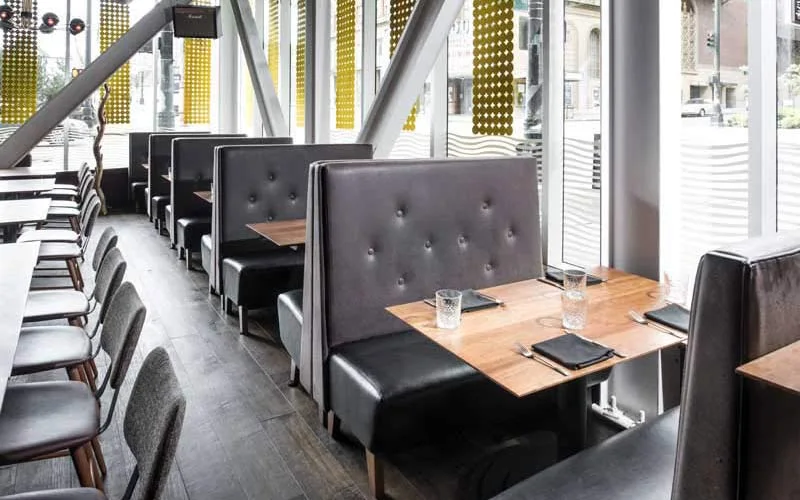
Wall booths are one of the most efficient ways to use perimeter space. They create a clean line, make the dining room easier to organize, and reduce chair movement near walls. For a good wall booth layout, confirm booth length, seat depth, back height, table size, and distance from table edge to seat back. If the booth is too deep or the table base is wrong, guests may struggle to enter and exit.
Back-to-Back Booth Layout
Back-to-back booths work for diners and high-capacity restaurants because they create a structured row of seats. They can improve seat count, but they need careful aisle planning. The buyer should check total depth, table spacing, cleaning access, and whether staff can serve without leaning awkwardly across guests.
Banquette Seating Layout
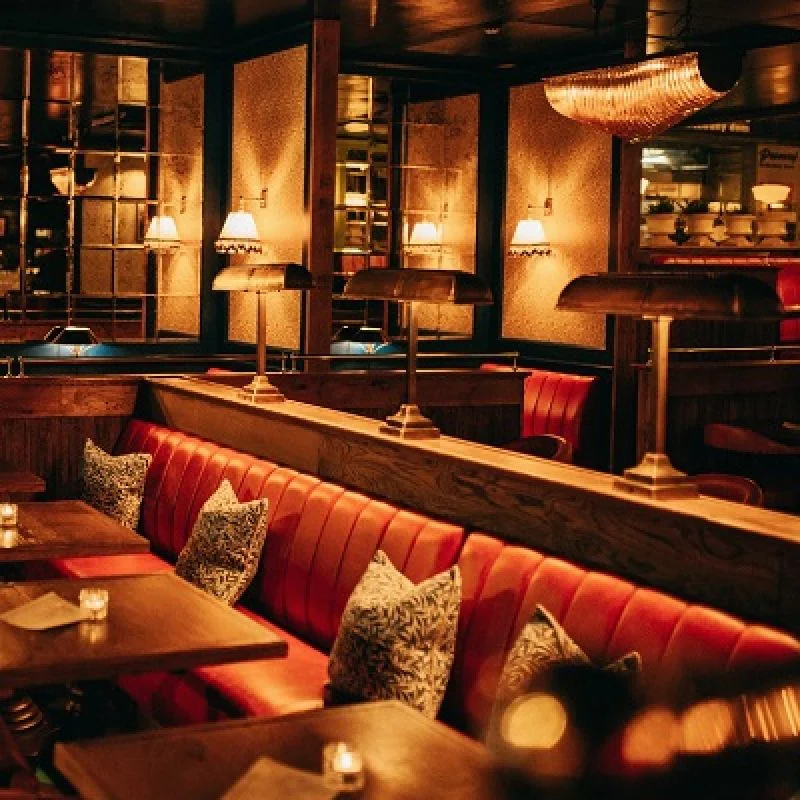
Banquette seating is useful when the restaurant wants a custom built-in feeling or needs to use long walls, corners, or curved spaces. It can look premium and save floor space, but it must be designed around table positions. Pedestal table bases often work better than four-leg bases because guests need room to slide in and out. Cushion depth, back angle, and upholstery cleaning should be confirmed before production.
Mixed Chair and Booth Layout
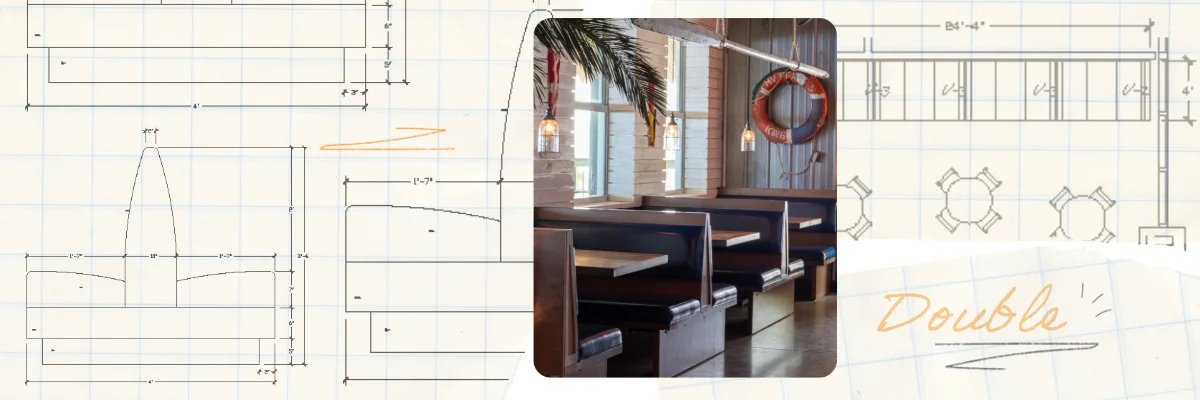
A mixed restaurant seating layout gives operators more flexibility. Wall booths can support couples and families, while loose tables can serve groups or be rearranged for events. The design risk is inconsistency: chairs, booths, table tops, bases, upholstery, and wood or metal finishes should still feel like one project. Use a shared finish palette so the dining room looks intentional.
Space Planning Rules for Restaurant Seating
Space planning should start from actual product dimensions, not generic seat counts. Chair width, chair depth, table size, booth depth, banquette shape, and table base footprint all change the usable space. Buyers should mark the open chair position, not only the pushed-in position. They should also mark staff paths from kitchen to dining room, cashier route, restroom route, waiting area, and emergency access.
A restaurant seating layout should be checked in plan view and in real product dimensions. The plan view shows whether the target number of seats is possible, while the product dimensions show whether guests can move naturally. When buyers ask only for a seat count, a supplier may not see columns, host stand pressure, server stations, or narrow corners. A better restaurant seating layout request includes the measured floor plan, furniture dimensions, and the service model.
Another useful step is to test the restaurant seating layout by guest journey. Follow a guest from entrance to host stand, from host stand to table, from table to restroom, and from table to exit. Then follow a server from kitchen to the farthest table with plates in hand. If either route feels blocked, the layout needs adjustment before chairs, booths, or banquettes are ordered.
| Area | Suggested spacing | Why it matters | Common mistake |
|---|---|---|---|
| Main aisle | Often 36 in minimum, more where traffic is heavy | Supports staff, guests and accessibility | Counting only chair footprint and ignoring people passing |
| Between table edges | Enough for chairs to pull out and servers to pass | Prevents guest collisions and service delays | Pushing tables closer after installation to raise seat count |
| Booth table gap | Comfortable reach without trapping guests | Controls entry, exit and dining posture | Using the same table position for every booth type |
| Banquette wall run | Plan each table bay before building seating | Keeps seat count and table alignment accurate | Ordering one long bench without table bay planning |
| Waiting and entrance | Keep clear path to host stand and dining zones | Avoids crowding at peak time | Adding loose chairs that block the entrance |
How to Balance Seating Capacity and Comfort
The buyer’s seat target should be realistic. A restaurant may want 80 seats, but the floor plan may comfortably support 64 once aisles, service paths, waiting, bar, cashier, restroom access, and table spacing are included. Forcing the higher number can damage the dining experience and create daily operating problems. A good restaurant seating layout protects revenue by keeping the seats people actually want to use, not only the seats that fit on a drawing.
Comfort also depends on table mix. Two-seat tables are efficient for couples but may limit group flexibility. Four-seat tables can serve families but waste space if the restaurant has many solo guests. Booths feel comfortable and private, but they are less flexible when group sizes change. A good layout uses several table sizes and furniture types so the operator can manage different traffic patterns.
For chain restaurants, the first store should become the tested standard. Once the restaurant seating layout is approved, record the chair model, booth depth, table size, aisle plan, upholstery, finish codes, and any site exceptions. This makes later stores easier to quote and reduces the chance that a contractor changes the furniture mix without understanding why the original spacing worked.
When the restaurant seating layout is shared with a furniture supplier, include both the desired seat count and the areas where comfort cannot be compromised. This helps the supplier suggest furniture dimensions instead of guessing from photos, and it keeps the restaurant seating layout practical for real service.
Choosing Chairs, Booths and Upholstery for Different Areas
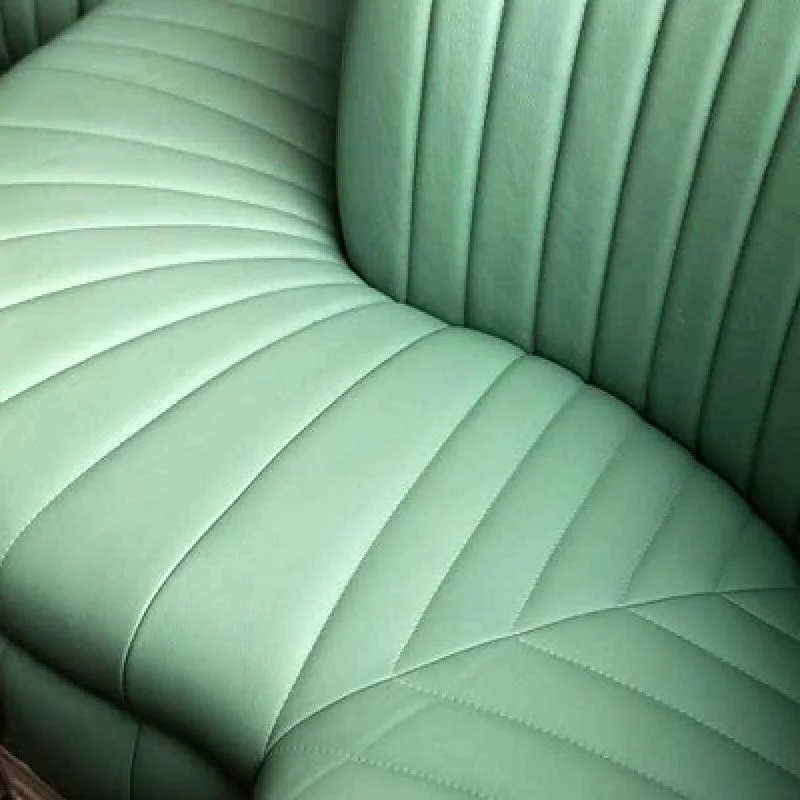
Material selection should follow the area. Center chairs may need lighter weight for staff movement. Wall booths need durable upholstery and strong frames because guests slide across the seat. Banquettes need cleanable fabric or vinyl, consistent stitching, and foam that does not collapse quickly. Bar and waiting zones may need different seat heights and finishes.
For chain restaurants, repeatability matters. The buyer should confirm wood stain, metal finish, upholstery code, table top finish, edge detail, and spare part availability. For boutique restaurants, customization may matter more, but the furniture still needs commercial durability. Good restaurant furniture should look aligned with the concept and still survive daily cleaning and high traffic.
Share your floor plan, target seat count and preferred furniture style so HUAXUAN can review the chair, booth and banquette mix before you order.
Layout Mistakes That Cause Problems After Installation
Common mistakes include choosing chairs before confirming table size, ordering booths before marking wall dimensions, using residential upholstery in high-traffic seating, ignoring table base clearance, and forgetting staff movement. Another mistake is copying a layout from a different restaurant without checking the actual room shape, service model, and guest profile.
Buyers should also avoid treating booth seating as a simple product line item. A booth order should include dimensions, back height, seat depth, base design, upholstery, stitching, table match, wall condition, and installation notes. When the restaurant has several branches, every change should be recorded so future rollouts stay consistent.
Project Buyer Checklist Before Ordering Restaurant Furniture
| Floor plan | Seating target | Table size | Chair size | Booth dimensions | Aisle width | Upholstery material | Cleaning requirement | Quantity | Store rollout requirement |
|---|---|---|---|---|---|---|---|---|---|
| DWG, PDF or measured sketch | Target and acceptable range | Two-seat, four-seat, shared tables | Width, depth, height, arm or armless | Length, depth, back height, base | Main, secondary and service routes | Vinyl, fabric, leather-look, performance fabric | Daily wipe, stain resistance, replaceable parts | By model and color | Prototype store, batch schedule, repeat order rules |
| Photos of site conditions | Peak lunch and dinner plan | Round, square, rectangle | Stacking or fixed use | Wall, double, L-shape, custom | Entrance, restroom and kitchen path | Color and texture code | Food, drink and oil exposure | Chairs, tables, booths, banquettes | Finish standards and installation notes |
The checklist should be attached to the quotation request. If the restaurant is still in design, send the floor plan and target seat count first. If the restaurant already has a design package, send furniture drawings, finishes, dimensions, and reference photos. Clear information helps the supplier suggest practical adjustments before the order becomes expensive to change.
FAQ
What is the best restaurant seating layout for high seat count?
A mixed layout with wall booths, center tables and selected banquettes often gives better capacity than chairs only. The exact answer depends on the floor plan and aisle requirements.
Are booths better than chairs for restaurants?
Booths are efficient and comfortable along walls, while chairs are more flexible for changing group sizes. Most commercial dining projects benefit from using both.
How do I avoid ordering booths that do not fit?
Confirm wall length, booth depth, table size, back height, aisle width and entry space before production. A dimension drawing should be approved with the sample or order.
What upholstery works best for restaurant seating?
Vinyl, PU leather, leather-look materials and performance fabrics are common because they can balance cleaning, durability and appearance in high-traffic dining spaces.
Can HUAXUAN help with chair and booth seating layout advice?
HUAXUAN can review floor plans, reference photos, target seat count, table size and furniture list to suggest practical chair, booth and banquette options.
Send Your Floor Plan for Seating Layout Advice
A restaurant seating layout should be planned before furniture is purchased, not corrected after installation. Send your floor plan, table count, target seats, furniture style, upholstery preference, and store rollout plan. HUAXUAN can help review how chairs, tables, booths, and banquettes should work together for comfort, traffic flow, durability, and budget.
Send your restaurant floor plan, table count and seating target to get chair and booth seating layout advice.