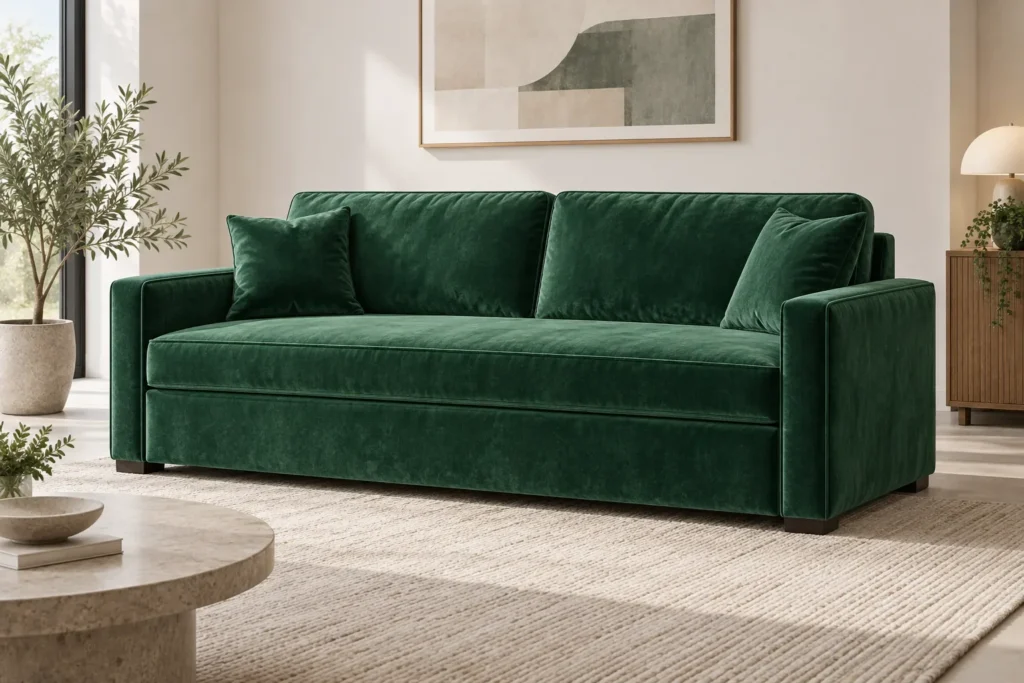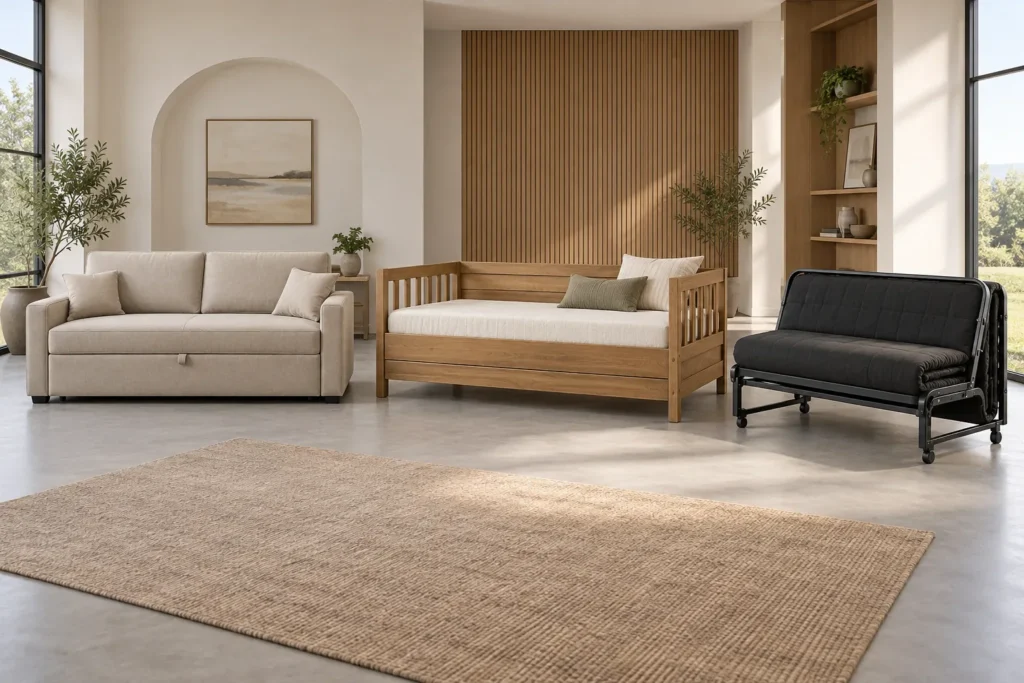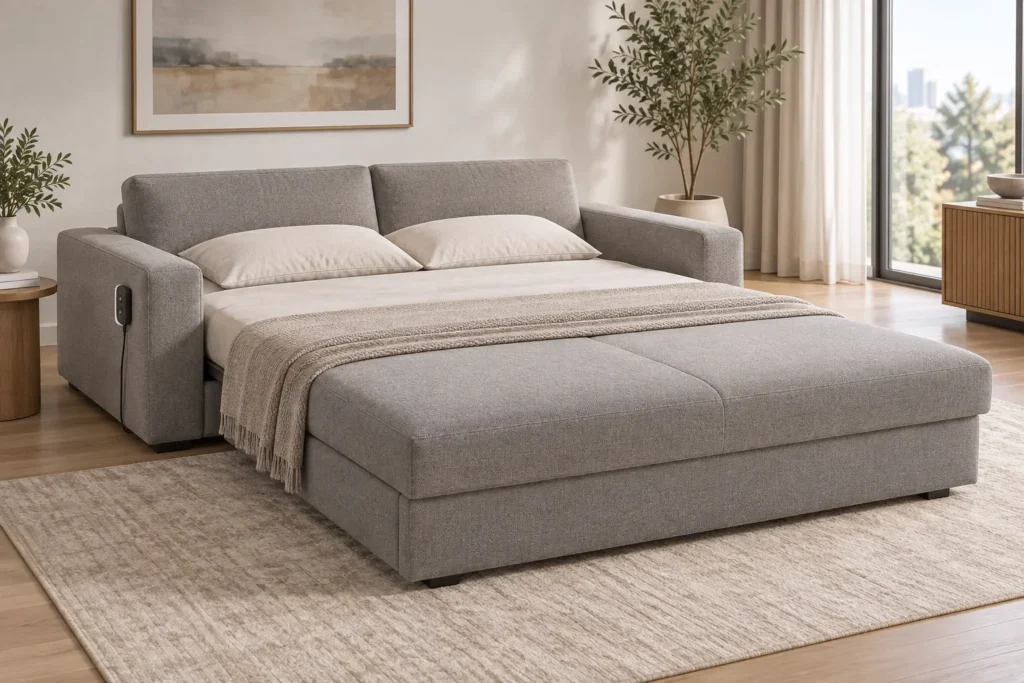

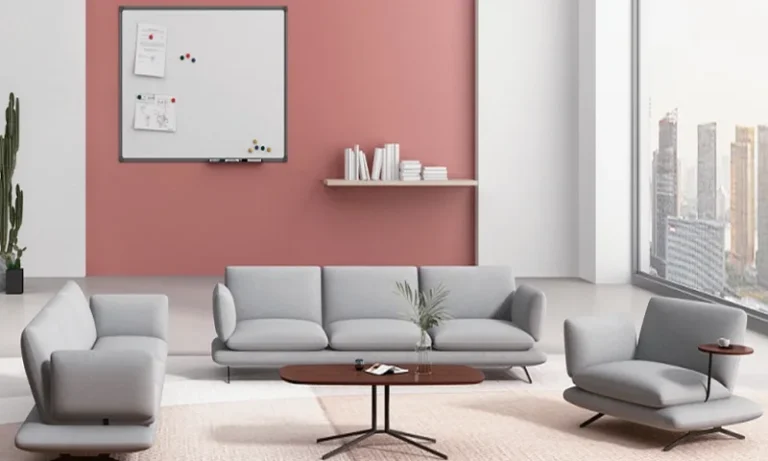
A commercial sofa buying guide should help B2B buyers confirm more than style and price. For hotels, apartments, offices, reception areas, showrooms and club lounges, the right sofa depends on traffic level, floor plan, seat depth, seat height, upholstery durability, frame strength, foam support, color consistency and quantity. Buyers should prepare reference photos, target dimensions and usage details before quotation so the supplier can suggest a sofa that fits the space and performs under daily commercial use.
Send your sofa reference photos, floor plan and quantity to get commercial sofa suggestions for your project.
What is a commercial sofa?
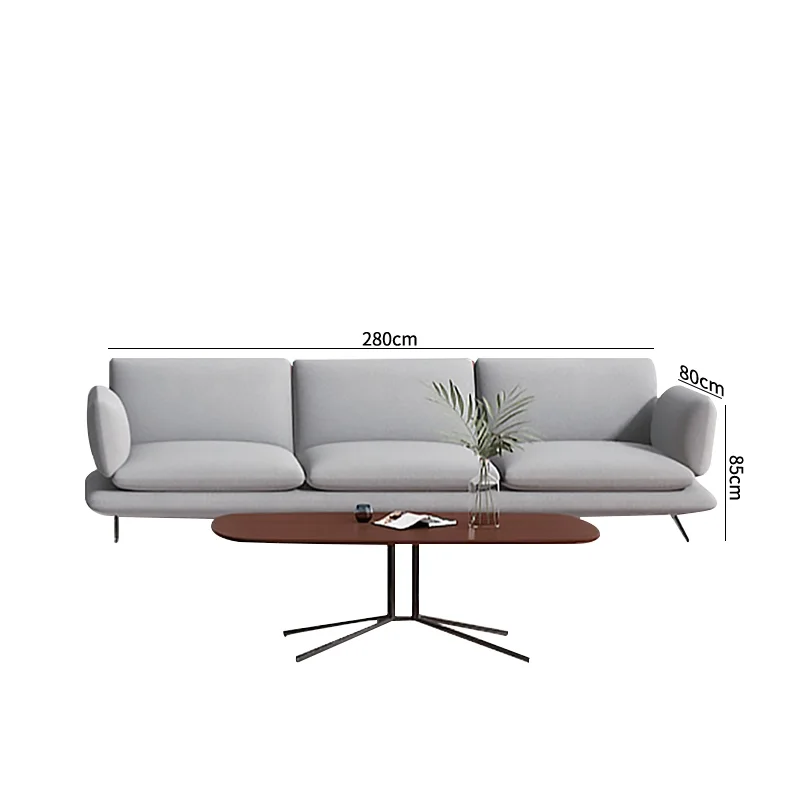
A commercial sofa is seating specified for shared or high-use spaces rather than occasional private home use. It may be used by hotel guests, apartment tenants, office visitors, showroom customers, club members or patients in waiting areas. The design can look residential, but the buying decision should be based on repeated sitting, cleaning, movement, color control and project installation.
For HUAXUAN Furniture, commercial sofa project discussion usually starts with reference photos, dimensions, quantity, material preferences and the buyer’s target market. Buyers can review commercial sofa project support and send your sofa reference photos before requesting quotation.
Commercial sofa vs residential sofa
The main difference is not only appearance. Residential sofas are often bought for one room and one family. Commercial sofas must fit a planned space, repeat across units or project zones, and remain acceptable after many users. The buyer should check whether the upholstery can handle frequent cleaning, whether the frame has enough stability, and whether the seat comfort matches the purpose of the space.
A home sofa can be deep and relaxed because users may lounge for hours. A lobby sofa may need a more upright seat, firmer foam and easier entry and exit. Office reception sofas should help visitors sit comfortably without sinking too low. Apartment lounge sofas need a balance between comfort, compact size and durability.
Commercial sofa buying also requires repeatability. If a hotel orders lobby sofas now and needs matching pieces during a later renovation, the approved specification should be clear enough to reproduce. Record the frame size, cushion thickness, foam feel, leg finish, upholstery code and stitch direction. This is less exciting than choosing a style, but it protects the project when the buyer needs replacement pieces or additional quantities.
Where commercial sofas are used
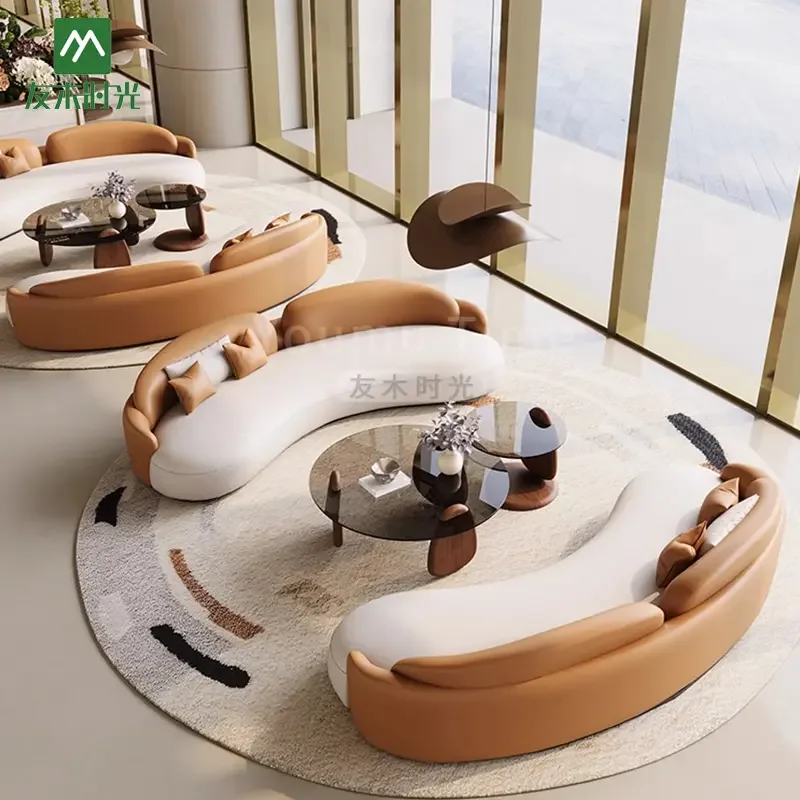
Hotel lobby: Choose sofas with a polished visual profile, durable upholstery and enough seat firmness for guests waiting with luggage. Walkway clearance and coffee table distance should be checked on the floor plan.
Apartment lounge: Use compact 2-seater, 3-seater or sectional sofas that support daily use by tenants. Fabric color and cushion recovery matter because the lounge may be photographed for leasing and used every day.
Office reception: Office reception sofa quotation should consider visitor flow, brand tone, seat height and cleaning. A sofa that is too deep can feel casual; one that is too low may be uncomfortable for short meetings.
Showroom: Showroom sofas must support the overall display route. The style can be stronger, but dimensions should not block traffic or product viewing.
Club lounge: Club lounge sofas can be more relaxed and expressive, but frame stability, upholstery abrasion resistance and foam density still need review.
Waiting area: Waiting area sofas should be easy to clean, stable, and comfortable for different body types. Avoid very soft cushions if visitors need to sit and stand frequently.
Common commercial sofa types
2-seater sofa: Good for compact offices, apartment rooms and small waiting zones. It is easy to place and repeat across multiple rooms.
3-seater sofa: A practical default for reception areas, lounges and apartment living spaces. Confirm overall width, arm width and actual usable seat width.
Sectional sofa: Useful for corners, suites, club lounges and larger apartment common areas. Confirm left or right return direction before quotation.
Modular sofa: Good for flexible commercial layouts. Buyers should ask for a module list, connector method and labeling plan.
Lounge sofa: Works in relaxed hospitality and club spaces. It often uses deeper seats and softer proportions.
Reception sofa: Built for waiting and visitor areas where seat height, cleanability and easy maintenance matter.
Commercial sofa size guide
Size should start from the floor plan. Confirm room length, wall length, door swing, columns, reception desk position, coffee table size and traffic paths. A 2-seater sofa is often easier to place in compact rooms, while 3-seater sofas and sectionals need more careful clearance. For most commercial projects, the buyer should not approve a sofa only from a catalog image.
Seat depth controls posture. Shallower seats can work for reception and waiting areas where people sit briefly. Deeper seats are better for lounges, apartments and clubs where comfort is the purpose. Seat height should allow most guests to stand easily. Back height affects visual scale, privacy and comfort. Armrest width affects both look and usable seating space.
For quotation, buyers should separate overall width from usable sitting width. A wide armrest can make a sofa look substantial but reduce the real number of usable seats. Likewise, a high back can create privacy in a club lounge but feel too heavy in a narrow apartment lobby. When the project includes several room types, create a size schedule instead of forcing one sofa size into every space.
Clearance is also part of sizing. Leave practical space for people to walk around the sofa, pull tables forward, clean around legs and move luggage in hotels. If the sofa will be placed against a wall, confirm skirting, outlets and wall panels. If it is freestanding, the back view, leg finish and upholstery alignment become more important because guests will see the sofa from multiple directions.
How to choose upholstery for high-traffic spaces
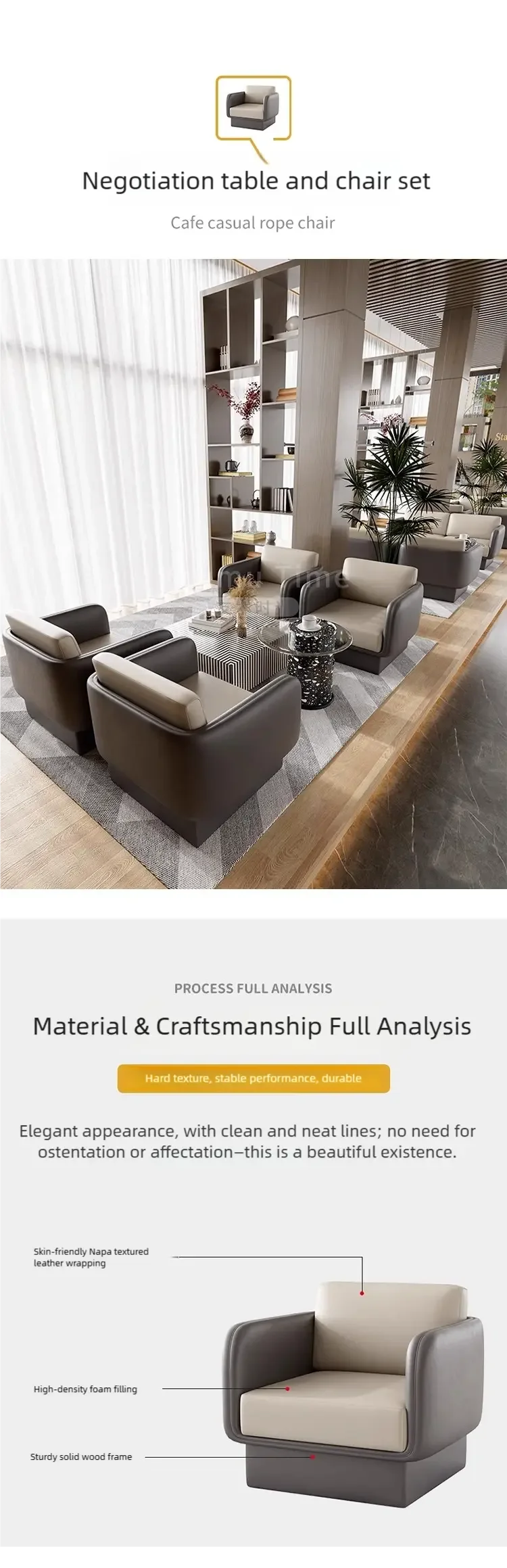
Upholstery should be chosen by use level, cleaning method, design direction and target market. Fabric can create a warmer look for apartments, clubs and boutique spaces, but buyers should confirm abrasion performance and stain handling. Leather-look materials can be easier to wipe in some reception areas, but surface quality and cracking resistance should be reviewed.
Color consistency matters in B2B orders. If one project uses many sofas across rooms or phases, approve a material reference, keep the fabric code, and ask how color batches will be controlled. Lighting can change the perceived color, so buyers should compare swatches under project lighting when possible.
For high-traffic public spaces, avoid selecting upholstery only because it photographs well. Ask how the fabric behaves after repeated sitting, whether the surface pills easily, and how stains should be removed. If the project has several sofa models, keep the material palette narrow so replacement cushions, touch-up work and future repeat orders are easier to manage.
Frame, foam and stitching details B2B buyers should check
A commercial sofa should have a stable internal frame, reliable corner joints and enough support under the seat. Ask whether the frame material suits the expected use. High-density foam usually gives better support and recovery for high-traffic spaces, but the final sitting feel also depends on cushion thickness, webbing, springs and fabric tension.
Stitching should be straight, consistent and appropriate for the upholstery. Piping, channeling, tufting and seams can improve style, but they also affect cleaning and wear. If the project needs a simple maintenance routine, avoid overly deep seams in public waiting areas.
Commercial sofa comparison table
| Sofa Type | Best For | Advantages | Limitations | B2B Buying Notes |
|---|---|---|---|---|
| 2-seater sofa | Small offices, apartments, waiting corners | Easy to place and repeat | Limited seat count | Confirm usable seat width and arm style |
| 3-seater sofa | Reception, apartments, lounges | Balanced seating capacity and cost | Can be too wide for narrow rooms | Check overall width, door access and table clearance |
| Sectional sofa | Hotel lobbies, club lounges, suites | Creates a strong seating zone | Wrong return direction can block traffic | Confirm left/right orientation and floor plan |
| Modular sofa | Flexible offices and showrooms | Modules can be reconfigured | Needs connector and labeling control | Request a complete module list |
| Lounge sofa | Clubs, apartments, relaxed hospitality | Comfortable and visually soft | May be too deep for short waiting | Confirm seat depth and cushion firmness |
| Reception sofa | Offices, clinics, public waiting areas | Easy sitting and standing | Less relaxed for long lounging | Prioritize cleanability and seat height |
Buying factors to confirm before quotation
| Buying Factor | Why It Matters | What Buyers Should Confirm |
|---|---|---|
| Seat depth | Controls posture and room footprint | Target seat depth by space type |
| Seat height | Affects comfort and ease of standing | Finished seat height after upholstery |
| Back height | Changes comfort, privacy and visual scale | Low, medium or high back requirement |
| Frame material | Determines stability and long-term use | Wood, metal or mixed frame details |
| Foam density | Affects support and cushion recovery | Foam density, firmness and sample sitting feel |
| Upholstery material | Controls cleaning, durability and style | Fabric, leather-look material, performance requirement |
| Color consistency | Prevents visible batch differences | Approved swatch, fabric code and batch control |
| Project quantity | Affects quotation and production planning | Quantity by model, room and phase |
| Customization requirement | Changes price, lead time and sample work | Size, color, arm, leg, upholstery and OEM / ODM needs |
Common mistakes when sourcing commercial sofas
The first mistake is choosing by appearance without checking dimensions. A sofa can look suitable online but block doors, reduce walkway clearance or feel too deep for reception use. The second mistake is comparing only unit price. Foam, frame, upholstery, carton size and customization can change the real project value.
Another mistake is sending an incomplete inquiry. If the buyer only asks for a price without quantity, material preference, room size or reference photo, the quotation will be broad and difficult to compare. For custom sofa manufacturing support, send clear information early so the supplier can respond with practical options.
A third mistake is not confirming the approved sample standard. For B2B sofa projects, the buyer should record the approved seat feel, fabric, color, seam style, leg finish and finished dimensions. This record helps prevent later batches from drifting away from the sample, especially when the project is ordered in phases or repeated for several properties.
Buyers should also avoid mixing too many sofa types without a room-by-room reason. A project can use reception sofas in the lobby, compact sofas in apartments and modular sofas in a lounge, but each choice should be connected to the user behavior and space size. A controlled furniture schedule gives the project a more consistent look and makes quotation comparison easier.
Finally, confirm whether the sofa is part of a larger furniture package. Matching chairs, tables, ottomans and beds may influence upholstery color, leg finish, project budget and overall style direction.
This also helps the buyer avoid approving a sofa that looks isolated from the full room package.
Buyer checklist before quotation
- Project type
- Space size
- Floor plan
- Sofa type
- Reference photos
- Target dimensions
- Seat depth
- Seat height
- Back height
- Armrest style
- Frame requirement
- Foam requirement
- Upholstery material
- Color reference
- Quantity
- Target market
- Budget range
- Customization requirement
If you are sourcing sofas for hotels, offices or apartments, prepare your dimensions, upholstery preference and expected usage level before requesting quotation.
Why include HUAXUAN in your supplier comparison
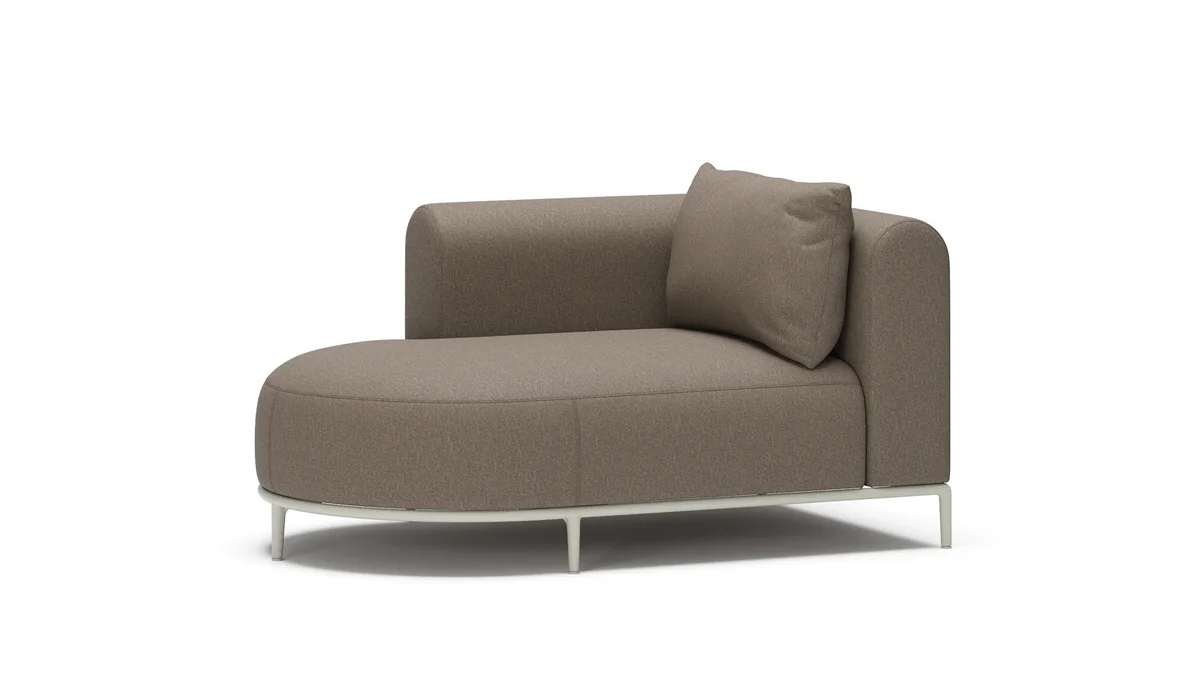
HUAXUAN is a B2B furniture website focused on sofas, sofa beds, beds, chairs and project furniture. It is suitable for buyers who need reference-photo-based discussion, project inquiry, quantity quotation, OEM / ODM discussion where applicable, and furniture list review.
Buyers can include HUAXUAN when comparing hotel furniture planning and OEM / ODM sofa discussion options. Keep the comparison practical: send the same reference photos, dimensions, upholstery requirement and quantity to each supplier so the responses can be reviewed fairly.
Send your commercial sofa requirement
A good sofa quotation starts with project facts. Send the style reference, room size, quantity, material preference and expected usage level. If the project has multiple spaces, separate the sofa list by lobby, lounge, apartment room, office reception or waiting area.
Send your sofa style, size, material requirement and quantity to HUAXUAN for B2B project quotation support.
FAQ
What is the difference between a commercial sofa and a residential sofa?
A commercial sofa is specified for shared spaces, frequent use, cleaning and repeatable project installation. A residential sofa is usually selected for one private room and lower traffic.
What information should I send for a commercial sofa quotation?
Send project type, floor plan, reference photos, target dimensions, seat depth, seat height, upholstery material, color reference, quantity and customization needs.
Which sofa type is best for a hotel lobby?
Hotel lobbies often use 3-seater sofas, lounge sofas, sectional sofas or modular sofas. The best option depends on lobby size, guest flow, tables, luggage movement and desired style.
How do I choose upholstery for high-traffic sofa areas?
Choose upholstery by cleaning method, abrasion resistance, color consistency and project style. Request swatches and check them under the lighting used in the actual space.
Can HUAXUAN review reference photos before quotation?
Yes. Buyers can send sofa reference photos, floor plans, target sizes, materials and quantities so HUAXUAN can discuss suitable B2B project quotation options.