
This custom sofa sourcing guide helps wholesale and contract buyers prepare an RFQ, compare suppliers, approve a sample and reduce variation before a bulk order. Buyers who are ready to review products and production scope can explore HUAXUAN custom sofa manufacturing capabilities.
Sourcing custom sofas for a wholesale or contract program requires a structured procurement process for importers, wholesalers, hotel buyers, apartment developers, office project teams, and furniture brands. A sofa must look good, but for B2B buyers it also needs repeatable construction, stable comfort, practical packing, and clear production documentation.
This guide explains how to source sofas from a factory for wholesale and contract furniture projects. It covers sofa types, frame structure, foam, upholstery, fabric choices, modular planning, MOQ, sample approval, QC, export packing, and RFQ preparation. The goal is to help buyers compare suppliers in a practical way and avoid decisions based only on showroom photos.
Need a quotation for beds, sofas, or sofa beds? Send your product list, quantity, size, and target market to HUAXUAN for a practical furniture quotation.
What B2B Buyers Should Know Before Ordering Custom Sofas
A sofa order can involve many hidden decisions. Two sofas may share the same style but use different frame materials, foam density, spring systems, fabric grades, stitching methods, leg structures, and packing. These differences affect price, durability, comfort, carton volume, and repeat order consistency.
Before requesting a quote, define the business use. A wholesale sofa program needs stable SKUs and repeatable colors. A hotel sofa supplier must think about cleaning, traffic, and replacement. An apartment sofa supplier may need compact dimensions and neutral styles. An office lounge sofa may require firmer foam and commercial fabric.
The supplier should understand the target channel, not only the product image. A good custom sofa manufacturer will ask about quantity, use scenario, fabric, foam, size, packing, and destination before giving a final production price.
Main Sofa Types for Wholesale and Project Supply
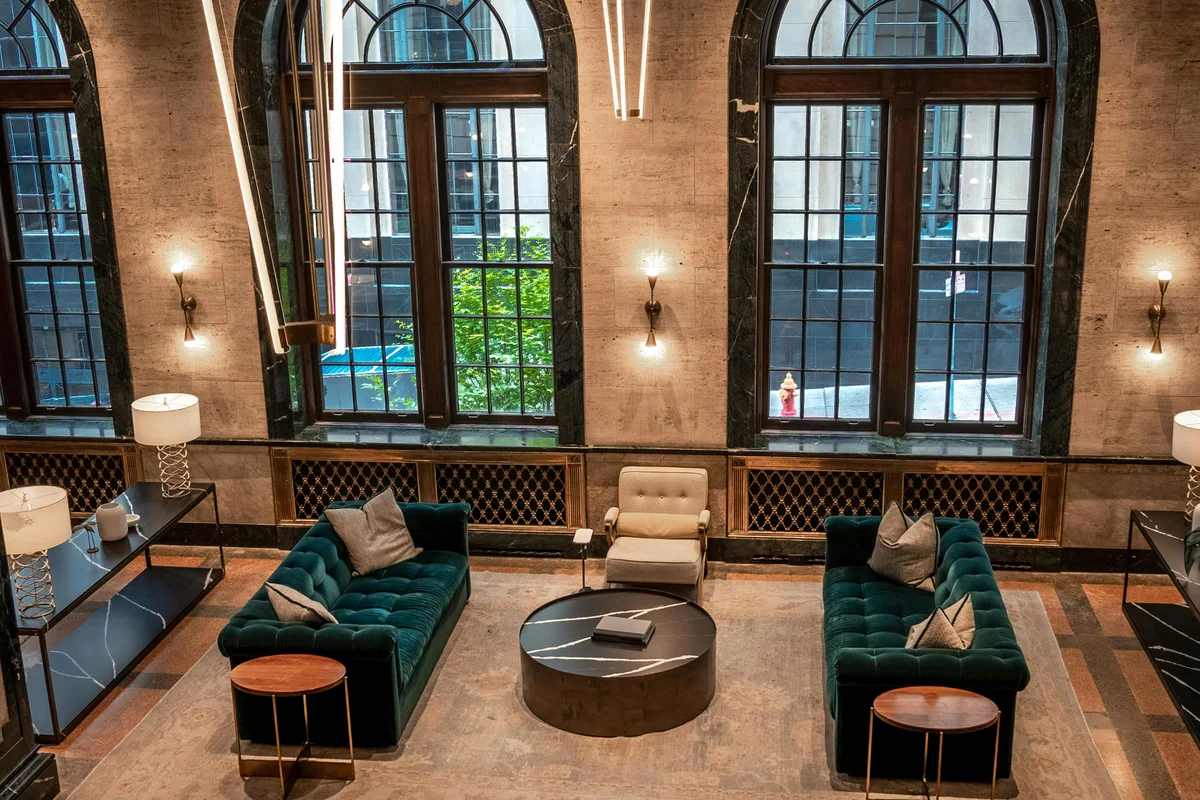
Common B2B sofa types include two-seat sofas, three-seat sofas, sectional sofas, modular sofas, sofa beds, lounge sofas, office sofas, hotel lobby sofas, apartment sofas, and restaurant booth sofas. Each type has different structural and packing requirements.
Sectional and modular sofas are useful for hotel lobbies, apartment lounges, office reception areas, and wholesale programs because buyers can adjust layouts. Standard two-seat and three-seat models can be easier for container planning and retail distribution. Restaurant booth sofas need stronger upholstery and cleanable materials.
When comparing sofa types, ask for open dimensions, seat depth, seat height, back height, arm width, leg height, carton size, and loading quantity. These details help the buyer understand whether the sofa fits the room, the market, and the container plan.
Frame, Foam and Upholstery Details That Affect Quality
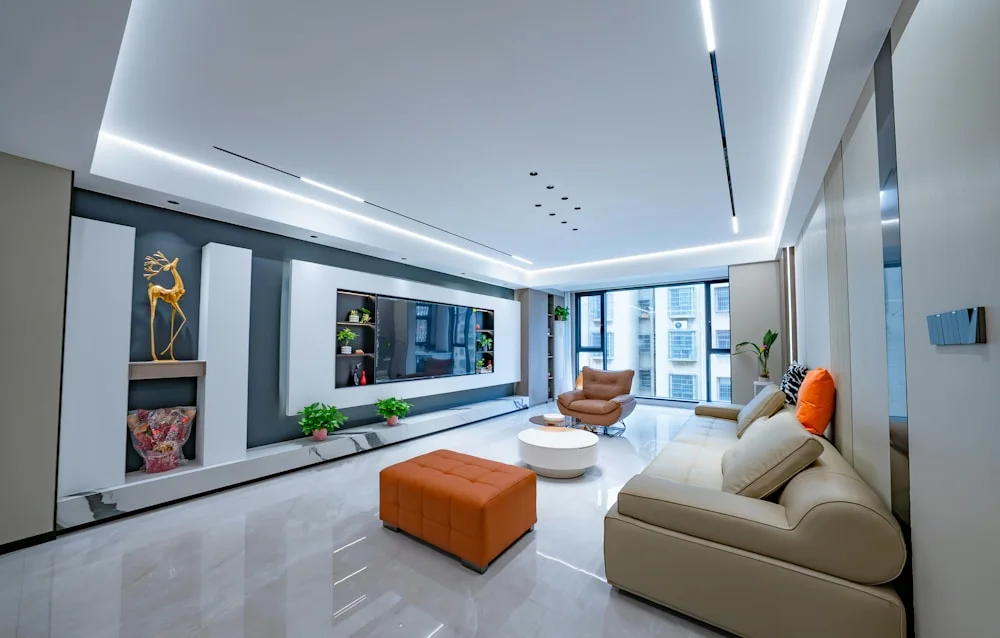
Frame construction is the foundation of sofa quality. A contract sofa supplier may use solid wood, plywood, metal reinforcement, webbing, springs, corner blocks, and different joinery methods. The right structure depends on the product style, price level, and use condition.
Foam affects comfort and long-term shape. Soft foam may feel attractive at first but lose support quickly in high-use projects. Firm foam may last longer but needs the right layering to feel comfortable. Ask for foam density, seat construction, back cushion filling, and whether the cushions are fixed or loose.
Upholstery details include seam position, fabric tension, piping, buttoning, zipper access, cushion cover construction, and stitch quality. These details should be checked during sample approval because they are difficult to fix after bulk production.
How to Choose Fabric, Leather and Color Options

Fabric choice should match the buyer channel. Hotel and commercial sofa buyers usually care about abrasion resistance, cleanability, color stability, and replacement availability. Apartment projects may choose practical neutral fabrics. Furniture brands may need market-specific colors and private label consistency.
PU leather can be useful for cleaning and cost control, but buyers should confirm grade, thickness, backing, hand feel, and cracking resistance. Fabric can offer warmer style and more colors, but the performance must match the project. If fire-retardant or local compliance is required, mention it before sampling.
Ask the factory to record fabric codes, color numbers, foam specifications, and approved swatches. This is important for repeat orders because a small color difference can create complaints when products are sold or installed side by side.
Custom Size, Modular Layout and Sectional Sofa Planning
Custom size planning should start with room function. A hotel lobby sofa may need wide circulation around it. An apartment sofa must fit elevators, corridors, and compact rooms. An office reception sofa should feel professional and durable. A wholesale sofa line should use sizes that match common market expectations.
For modular sofas, prepare a layout plan with left chaise, right chaise, corner units, armless units, ottomans, and connector details. Confirm whether modules connect physically or simply sit together. Also check cushion alignment, arm height, and whether each module can be packed efficiently.
Custom dimensions may affect cutting patterns, fabric consumption, foam waste, carton size, MOQ, and production lead time. A practical supplier will explain these tradeoffs and suggest where a small size adjustment can save cost.
For larger programs, ask the supplier to separate standard modules from special modules. Standard modules can often share frames, cushions, legs, and cartons, while special modules may require new cutting templates or different packing. This small planning step can make a wholesale sofa line easier to reorder and can also help project buyers keep replacement parts under control.
It is also useful to mark which sofa dimensions are fixed and which can move. For example, the room layout may require a strict overall length, but the arm width or cushion count may be flexible. When the factory knows which numbers are flexible, it can suggest a structure that protects comfort while reducing production complexity.
Have a hotel, apartment, or wholesale furniture project? Share your reference photos and BOQ so we can help compare materials, packing, and production options.
Sample Approval and Pre-Production Confirmation
A sofa sample should confirm frame, foam, comfort, fabric, color, stitching, leg style, cushion shape, seat height, back angle, carton method, and finish quality. Buyers should sit on the sample, check the underside, inspect seams, and compare it with the approved material record.
For OEM sofa factory orders, sample approval should also confirm labels, cartons, manuals, tags, and private label requirements. For hotel and apartment projects, compare the sample with the room layout and other furniture pieces. The sample should represent the production standard, not only a sales display.
After approval, freeze the specification. If a buyer changes fabric, foam, size, or leg design later, the price and lead time may need to change. Written confirmation protects both buyer and supplier.
A good pre-production file should include final photos, confirmed drawings, fabric code, foam density, leg finish, carton mark, hardware list, and any comments from the sample review. This file becomes the reference for production, QC, packing, and future repeat orders. Without it, two teams can remember the same sample differently.
Sofa QC Checklist for Bulk Orders
A sofa QC checklist should include dimensions, frame stability, leg alignment, seat comfort, foam shape, fabric defects, seam direction, color consistency, cushion fit, zipper function, label position, hardware quantity, carton marks, and packing condition.
Bulk orders should be checked by SKU, fabric color, and carton mark. For modular sofas, check that left/right units and corner units are correctly labeled. For contract furniture projects, inspect random units from different production batches so problems are caught early.
Photos, short videos, and inspection records help overseas buyers manage the process remotely. If the project is high value or time-sensitive, third-party inspection can be added before shipment.
Export Packing and Container Loading for Sofas

Sofas are large and easy to damage if packing is weak. Upholstery can be stained, corners can be compressed, legs can be scratched, and cushions can deform during transport. Export packing should include surface protection, corner guards, moisture control when needed, hardware bags, carton marks, and loading instructions.
Container loading is also part of cost control. A KD leg design, compressed cushion strategy, or modular packing plan can improve loading quantity. But cost savings should not create assembly problems or damage risk at the destination.
For mixed furniture shipments, ask the supplier for a packing list and loading plan. This helps importers, contractors, and project teams prepare receiving, unloading, and installation.
Packing should be reviewed together with the sales channel. A project delivery may need room labels and installation sequence. A wholesale shipment may need barcode labels, retail-ready cartons, or warehouse-friendly item codes. These details are easier to include before production than after the sofas are packed.
Common Sofa Sourcing Problems and How to Avoid Them
- Choosing a sofa supplier based only on a photo and low unit price.
- Not confirming foam density, frame structure, fabric grade, and carton method.
- Approving a sample without checking comfort after sitting for a realistic period.
- Ignoring modular orientation, left/right chaise labels, and replacement parts.
- Forgetting to share destination market, use scenario, and target quantity.
Most problems come from unclear specifications. A buyer can avoid many disputes by preparing reference photos, dimensions, quantity, material direction, target price, and packing needs before asking for a quotation.
How to Prepare a Sofa RFQ
A strong sofa RFQ includes product type, reference photos, dimensions, quantity, fabric or leather preference, foam comfort target, color direction, leg style, target market, destination country, packing preference, and expected delivery schedule.
If you are planning a broader furniture program, include links or references to related requirements such as custom sofa options, sofa bed program, hotel furniture packages, wholesale furniture program, OEM/ODM furniture, and material and finish options.
The clearer the RFQ, the faster HUAXUAN can compare structure options, fabric choices, MOQ, sample cost, packing, and lead time. If some details are not final, mark them as open items so the quotation can include assumptions.
FAQ
What should I ask a custom sofa manufacturer before ordering?
Ask about frame material, foam density, upholstery options, dimensions, MOQ, sample process, QC checklist, packing method, carton size, loading quantity, and repeat order support.
Can HUAXUAN make custom sectional sofas?
HUAXUAN can support sectional sofas, modular sofas, hotel lobby sofas, apartment sofas, office lounge sofas, sofa beds, and OEM/ODM sofa programs.
How do I compare sofa quotations from different factories?
Compare the specification behind the price: frame, foam, fabric, stitching, size, packing, sample approval, lead time, carton volume, and warranty expectations.
Is MOQ different for custom sofas?
MOQ depends on model, fabric, color, size, customization level, and whether special components or private label packing are required.
Why is export packing important for sofas?
Sofas have large upholstered surfaces and compressible cushions. Good packing protects fabric, corners, legs, labels, and cartons during international transport.
Send Your Sofa Inquiry
A sofa sourcing project should combine product design, manufacturing details, comfort, material control, sample approval, QC, and export packing. When these details are clear, buyers can compare quotations more fairly and reduce production risk.
When specifications are ready for product review, compare the HUAXUAN custom sofa range and send the product list, reference photos, dimensions, quantity and destination for quotation assessment.
Send sofa photos, sizes, fabric direction, quantity, target price, and destination country. HUAXUAN can review your sofa program and prepare quotation notes.