Sourcing Sofa Beds?
Browse HUAXUAN sofa bed references or send a model code, quantity and destination for quotation review.
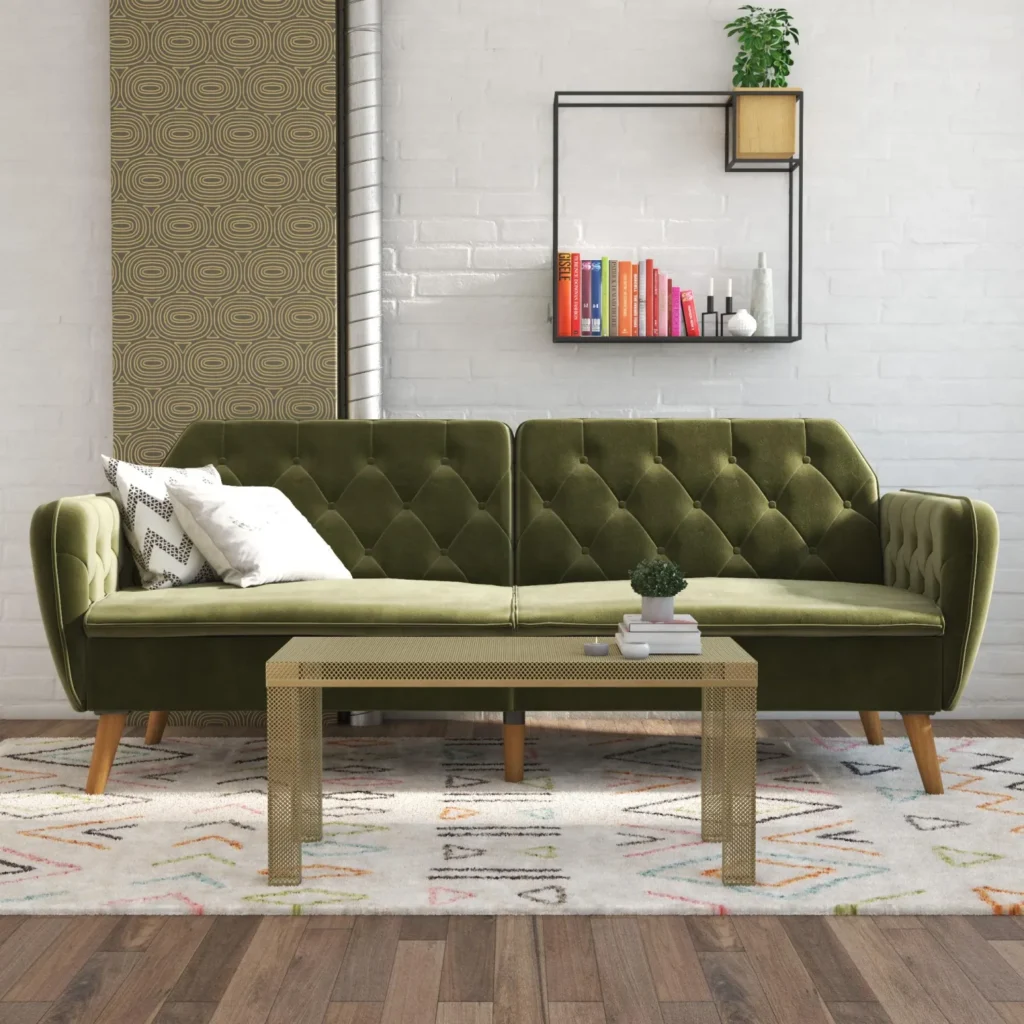
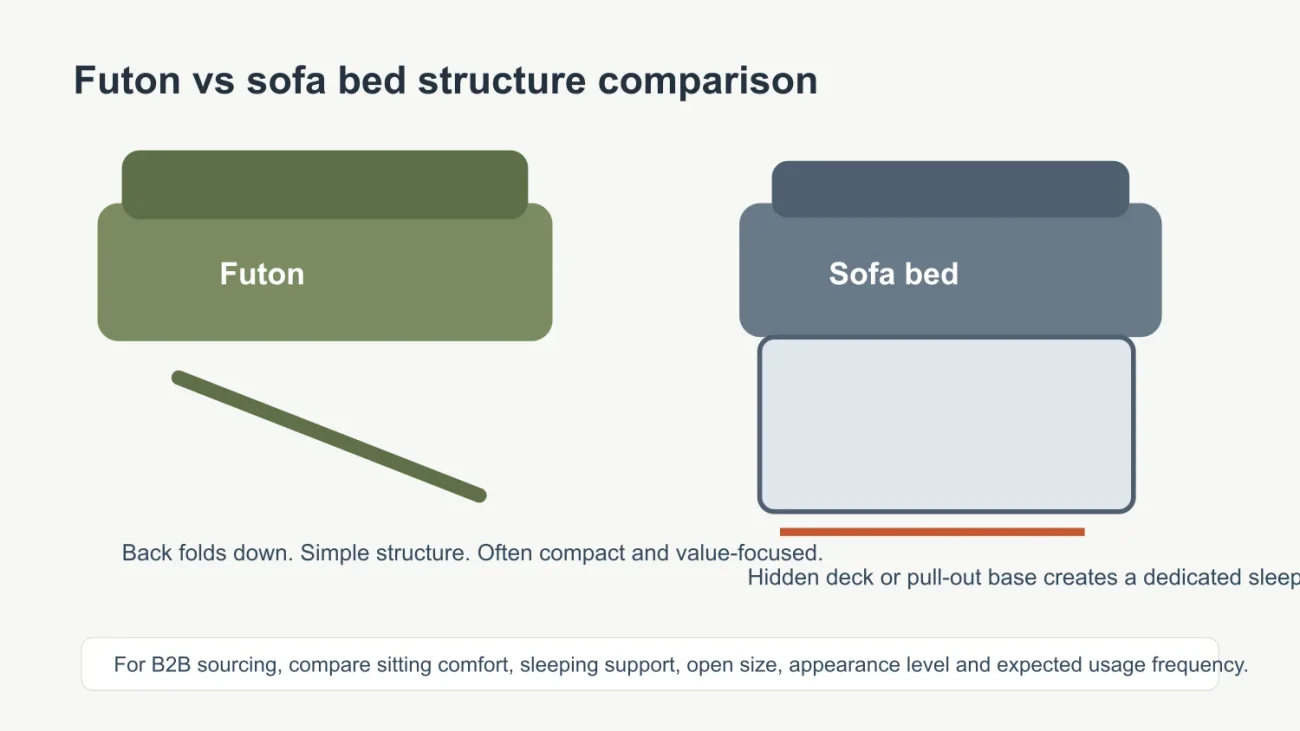
Futon vs sofa bed decisions should be made by structure, comfort, room use and project risk. A futon usually folds the back or seat into a flat sleeping surface, while a sofa bed or sleeper sofa normally hides a pull-out, fold-out or sliding bed structure inside a sofa body. For hotels, apartments and guest rooms, the better option depends on usage frequency, appearance level, open footprint, sitting comfort and maintenance expectations. Buyers should also compare sofa bed vs day bed and sleeper sofa vs sofa bed before requesting bulk quotation.
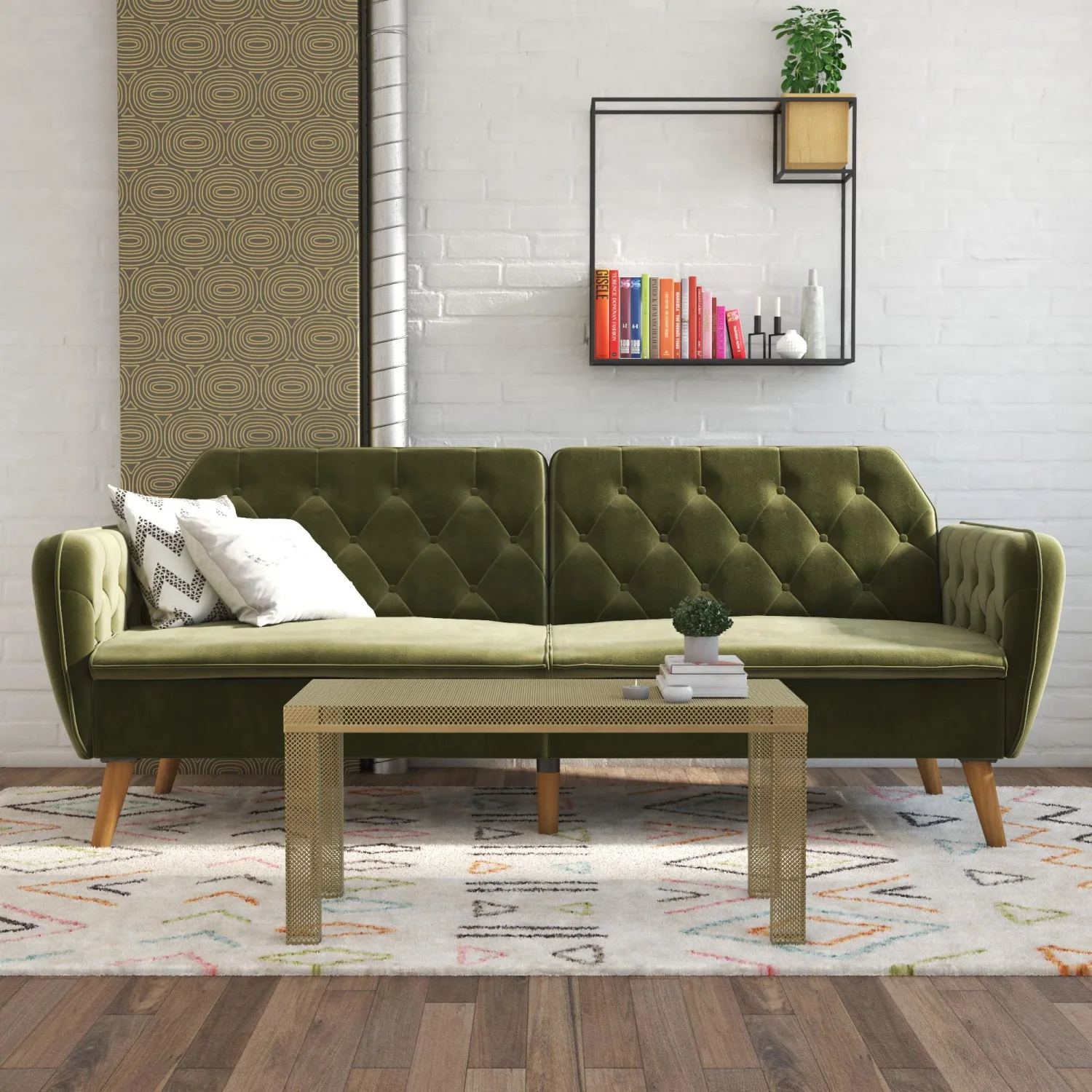
Compare the intended use, dimensions and reference photos before choosing a futon, sofa bed, sleeper sofa or daybed. For a sofa bed quotation, send the selected model code, quantity, required size and destination.
What Is a Futon?
A futon is a convertible seat that usually changes from sofa mode to sleeping mode by reclining or folding the backrest. In many modern markets, a futon sleeper sofa is compact, simple and cost-conscious. It can work well in student housing, rental units and rooms where occasional sleeping is more important than premium sitting comfort.
For B2B buyers, the main futon question is not the definition. It is whether the frame, back hinge, cushion thickness and upholstery can handle the expected user behavior. A low-cost futon may look efficient, but frequent guest use can expose weak hinges, thin cushions and poor sitting posture.
What Is a Sofa Bed?
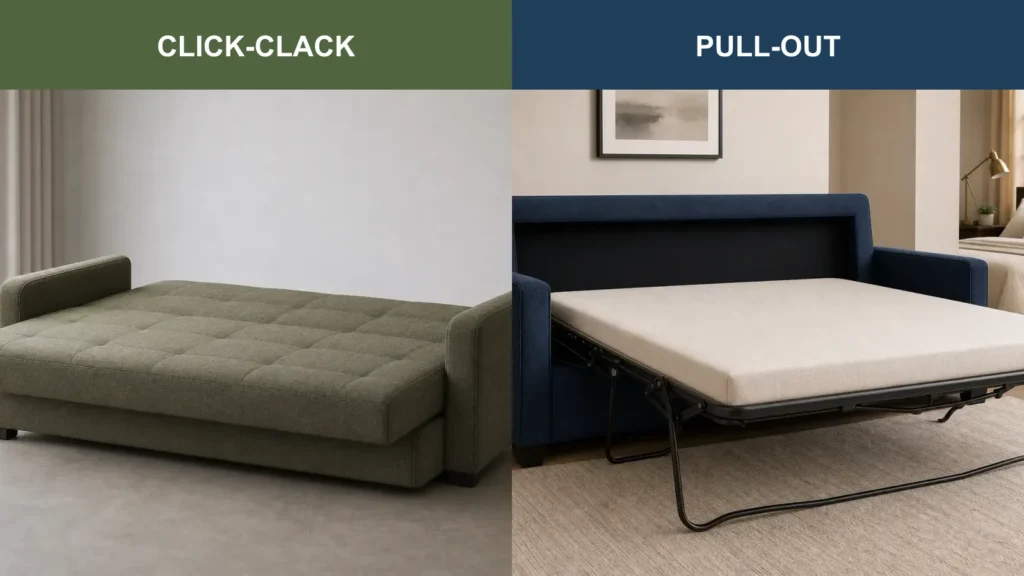
A sofa bed is a sofa that converts into a sleeping surface. It may use a pull-out frame, fold-out deck, sliding base, click-clack back or modular cushion system. In bulk buying, sofa bed model selection and sourcing should include mechanism type, open size, closed size, upholstery, foam and comfort expectations.
Compared with a futon, a sofa bed is often chosen when the buyer wants the product to look more like a normal sofa during daytime use. This matters in hotel suites, serviced apartments, premium rental rooms and show units where appearance affects the overall furniture package.
What Is a Sleeper Sofa Bed?
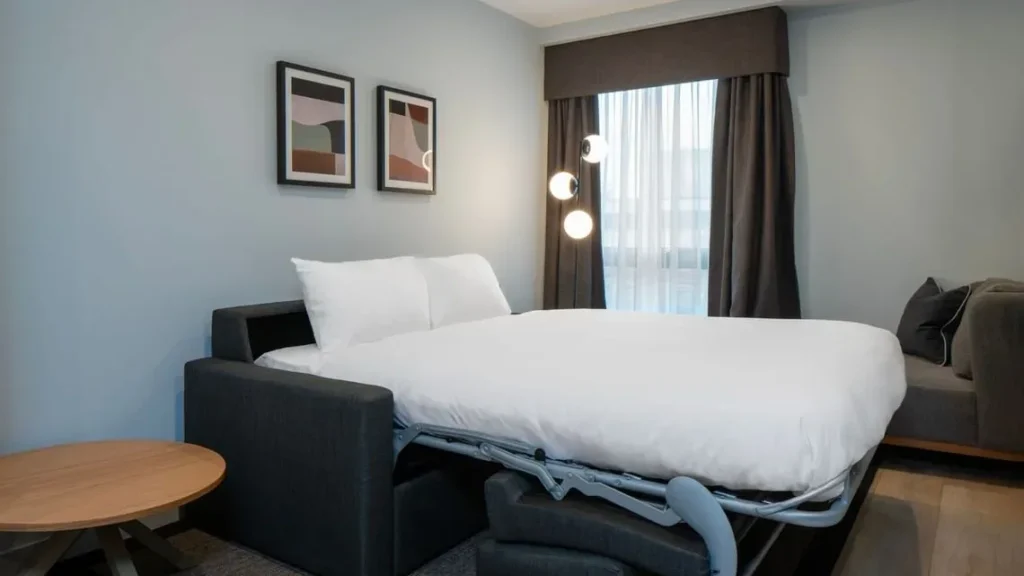
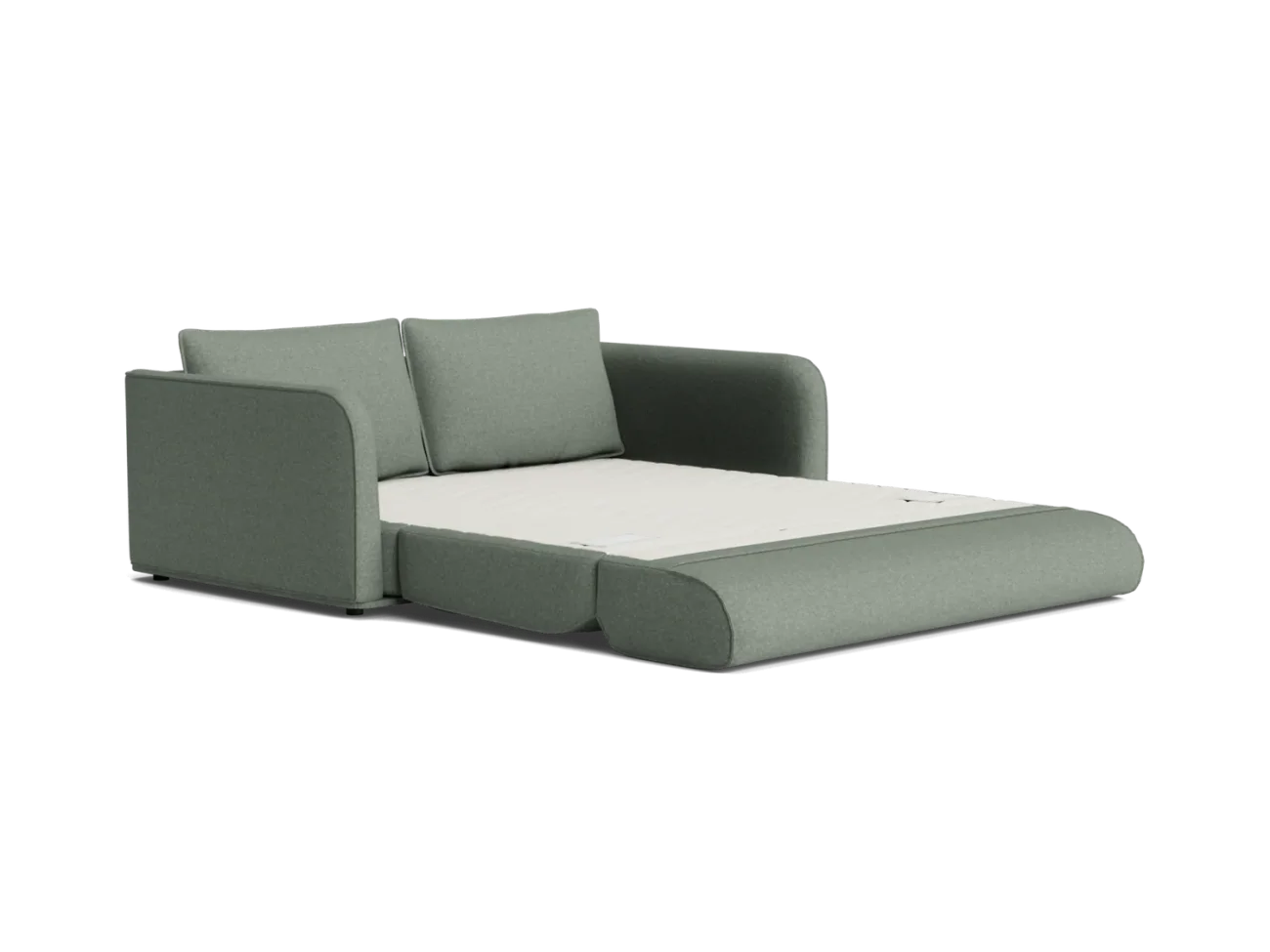
A sleeper sofa bed usually means a sofa with a hidden sleeping system. In many markets, sleeper sofa vs sofa bed is used almost interchangeably, but buyers should still ask what mechanism is inside. A pull-out sleeper sofa may include a metal frame and deck. A simpler sofa bed may rely on cushions folding flat.
If your project needs stronger sleep support, review related mechanism guidance such as the pull-out sleeper sofa mechanism guide. The wording alone is not enough; the specification must identify how the product opens and what supports the sleeping surface.
Futon vs Sofa Bed: Key Differences
| Product Type | Structure | Best For | Advantages | Limitations | B2B Buying Notes |
|---|---|---|---|---|---|
| Futon | Back or seat folds flat | Student housing, value rentals, occasional guest use | Simple, compact, easy to explain | May feel less refined and less supportive | Check hinge, cushion thickness and fabric durability. |
| Sofa bed | Convertible sofa body with bed function | Apartments, guest rooms, hotel suites | Better daytime appearance and broader style range | Open size must be planned carefully | Confirm closed and opened dimensions before price. |
| Sleeper sofa | Hidden sleeper deck or frame | Frequent sitting and occasional sleeping | Looks like a normal sofa when closed | Mechanism changes cost and weight | Ask for support frame, opened bed size and sample testing. |
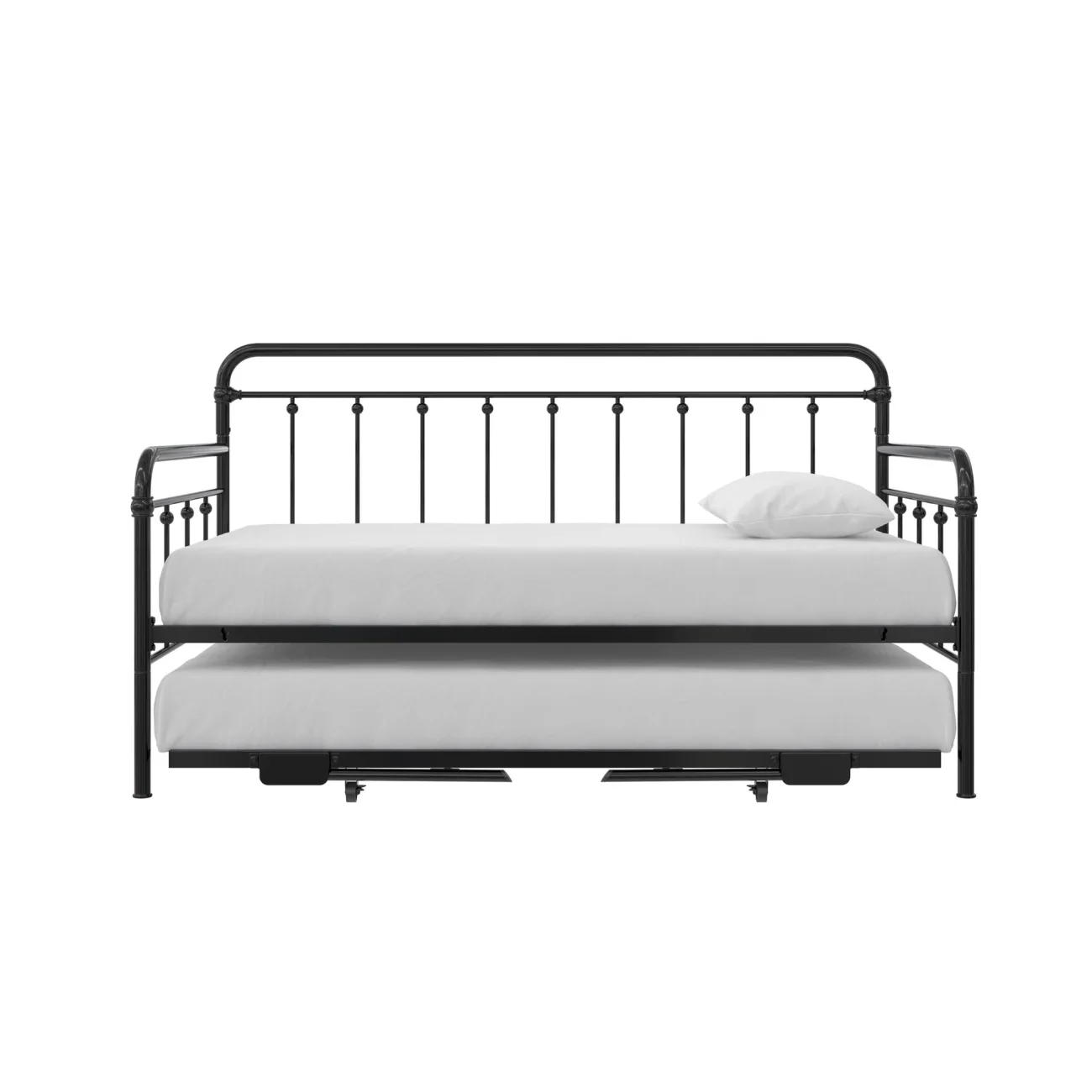
| Daybed | Fixed bed-like seat, sometimes with trundle | Guest room, student room, office guest room | Simple sleeping function and clear bed shape | Less like a formal sofa | Compare daybed vs sofa bed by room purpose. |
| Pull-out sleeper sofa | Seat pulls out or hidden frame unfolds | Hotels, serviced apartments, rentals | Dedicated conversion and clearer sleep mode | Needs front clearance and mechanism check | Review mechanism, legs, deck support and spare parts. |
Sofa Bed vs Daybed vs Sleeper Sofa
Sofa bed vs day bed decisions are often about room identity. A daybed looks like a bed or lounge platform even during the day. A sofa bed looks more like seating and hides the sleeping function. A sleeper sofa usually aims to preserve normal sofa appearance while adding a more structured sleep system.
For a hotel guest room, a daybed may work when the design intentionally shows a lounge-bed form. For a serviced apartment living room, a sleeper sofa can feel more natural because users expect a real sofa during the day. For a rental apartment, either can work if durability and cleaning are planned.
Comfort Comparison for Sitting and Sleeping
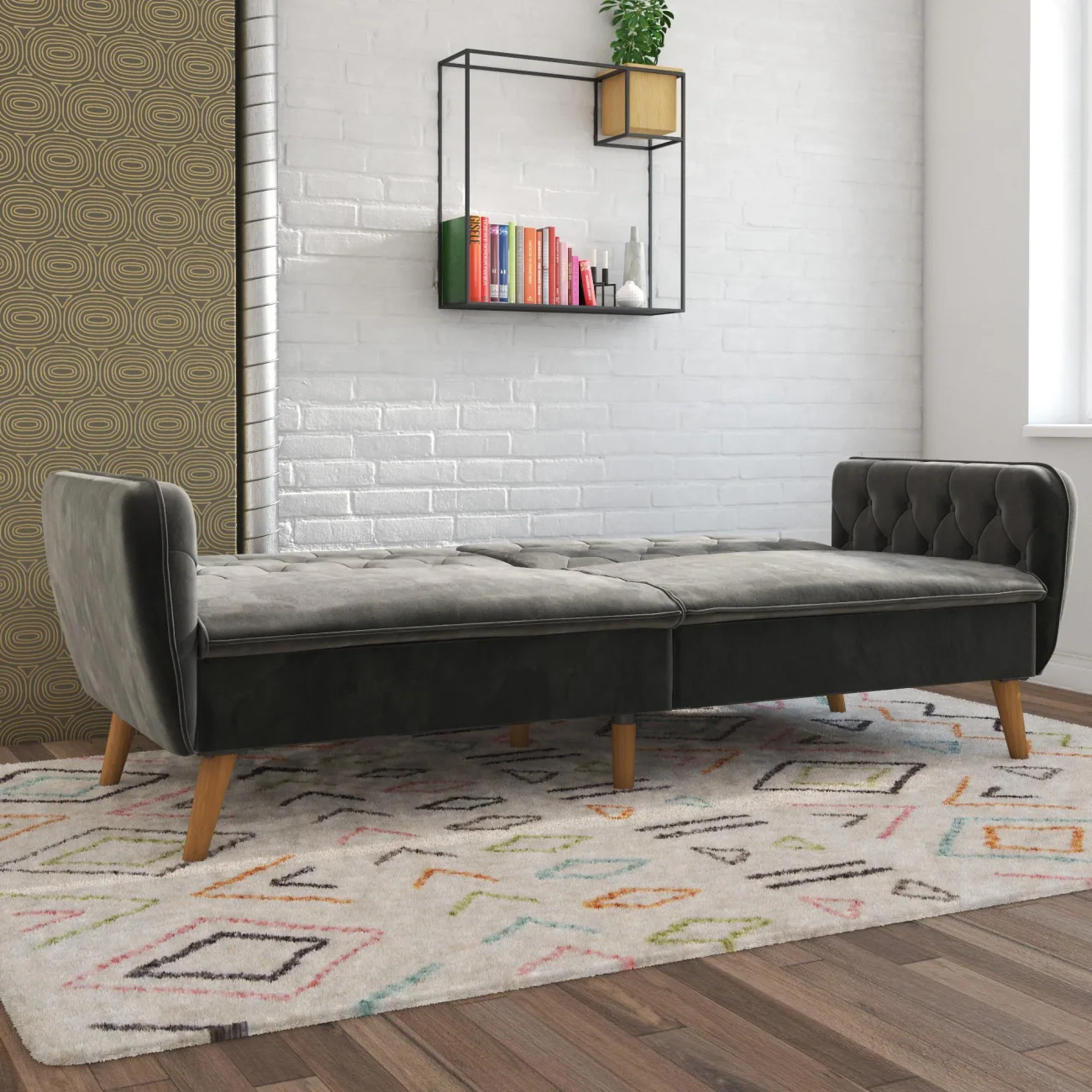
Sitting comfort depends on seat depth, seat height, back angle, cushion density and arm shape. Futons often compromise back comfort because the backrest must fold. Sofa beds can offer better sofa posture, but only if the mechanism does not create a hard front edge or unstable seat.
Sleeping comfort depends on surface flatness, cushion gaps, frame support and user expectations. A futon can be acceptable for short stays. A pull-out sleeper sofa may be better for hotels and serviced apartments where guests expect a clearer bed function.
Space Planning Comparison
A futon usually needs rear clearance or side clearance for the back to fold. A pull-out sleeper sofa needs front clearance. A daybed needs less conversion clearance but takes a bed-like footprint all day. This is why room layout should be reviewed before product type is finalized.
| Project Space | Recommended Option | Why It Works | What Buyers Should Confirm |
|---|---|---|---|
| Hotel guest room | Sleeper sofa or sofa bed | Maintains seating look and adds guest sleeping function. | Opened depth, cleaning access and mechanism operation. |
| Serviced apartment | Pull-out sleeper sofa | Balances daily sofa use with occasional overnight use. | Seat comfort, open size, upholstery and expected frequency. |
| Rental apartment | Sofa bed or futon | Depends on budget and tenant profile. | Frame durability, fabric cleaning and replacement plan. |
| Guest room | Sofa bed or daybed | Either can work depending on room identity. | Whether the room should look like lounge or bedroom. |
| Student housing | Futon or daybed | Simple use and compact footprint. | Hinge strength, mattress support and safety. |
| Office lounge | Compact sofa bed | Keeps professional seating during daytime. | Closed appearance, open clearance and fabric durability. |
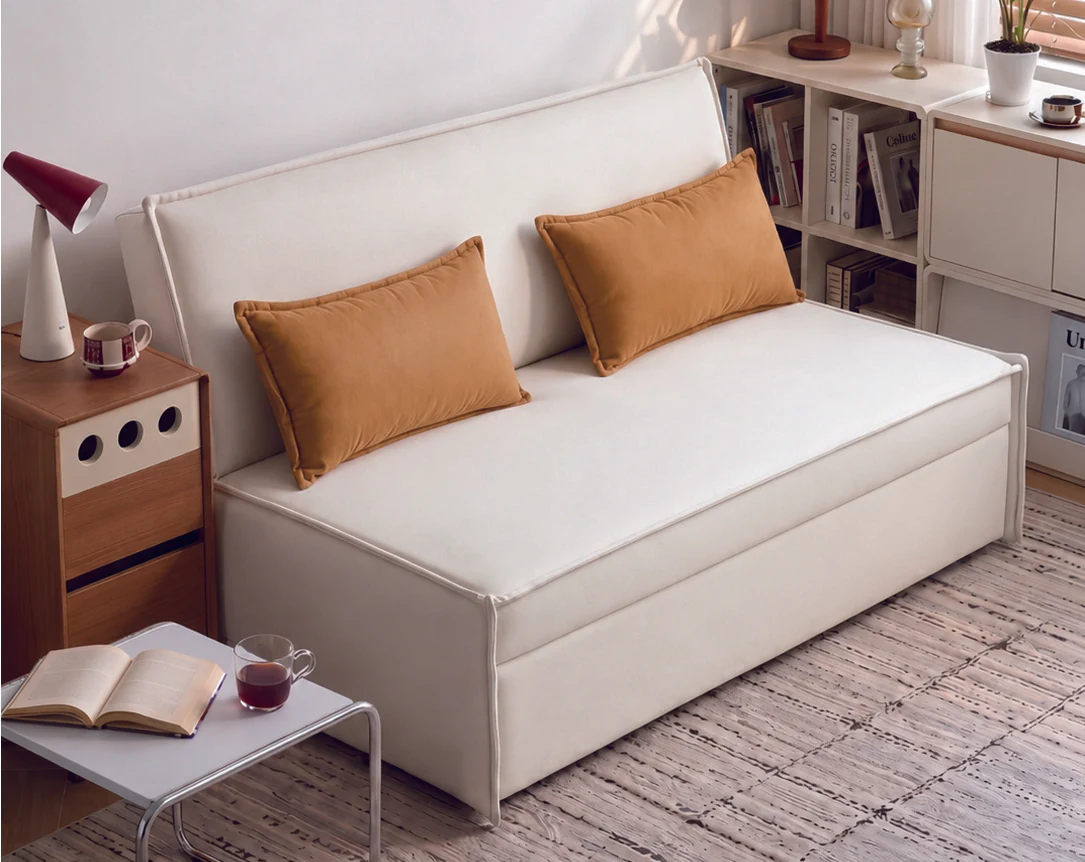
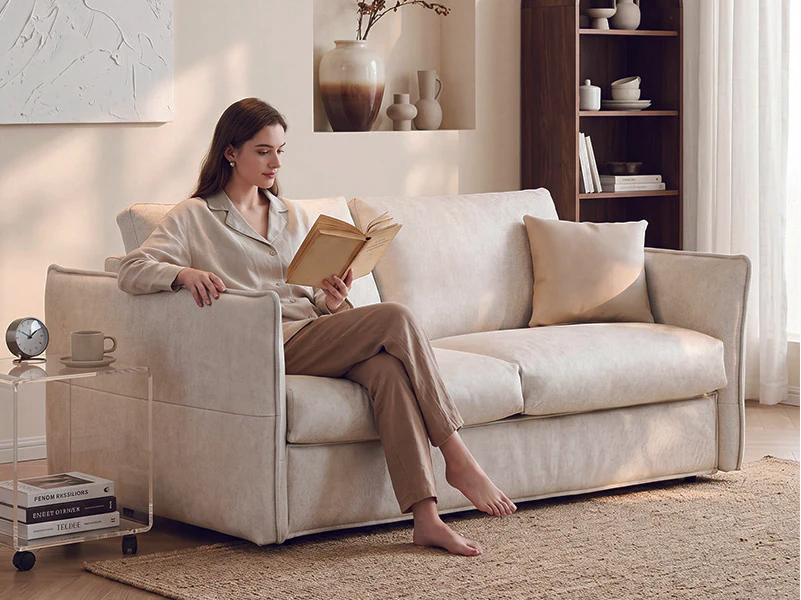
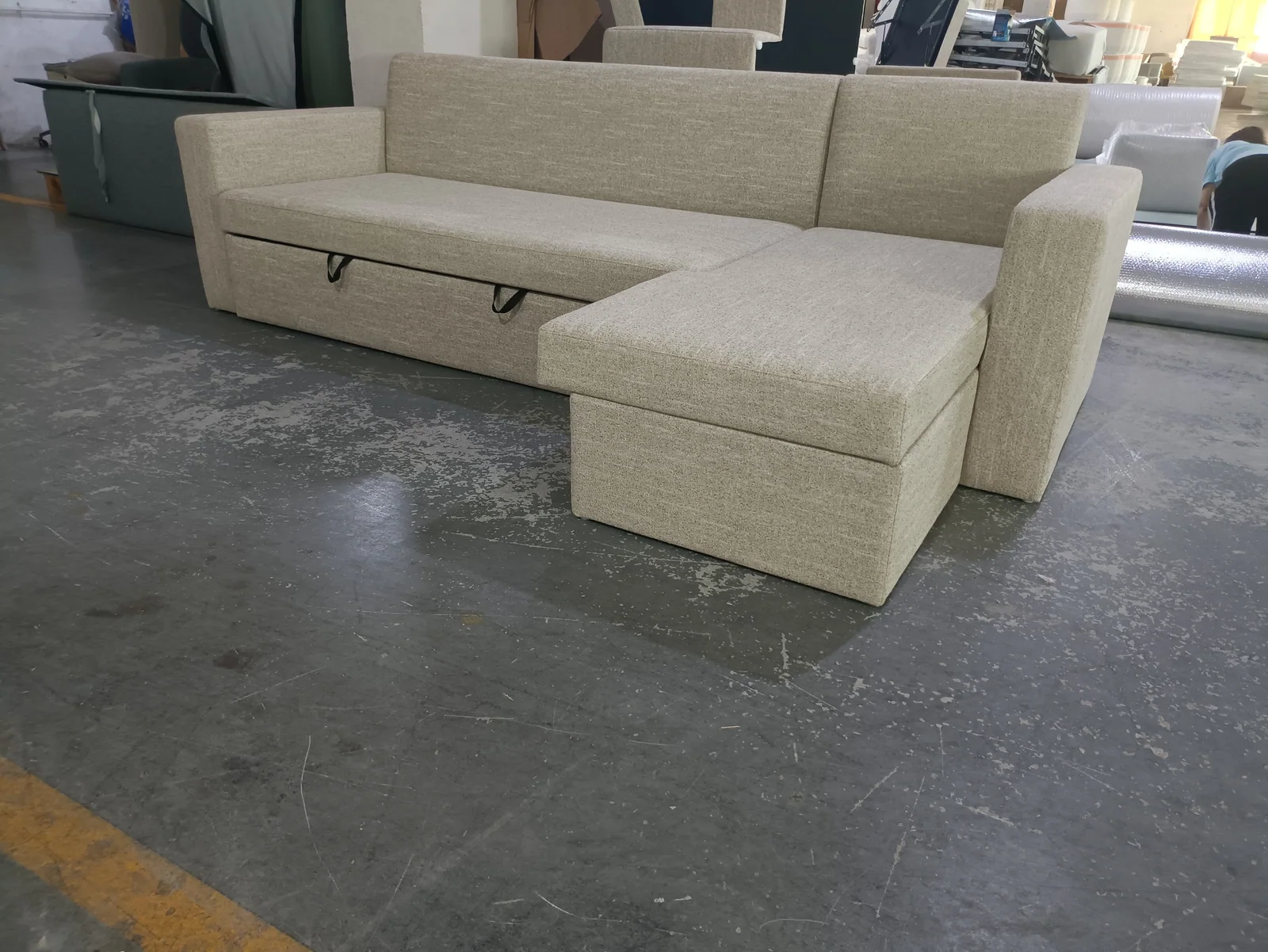
Related Sofa Bed Models
Compare these references alongside the guide. Confirm the selected configuration before ordering.
Which Is Better for Hotels?
For hotels, a sofa bed or sleeper sofa is usually safer than a basic futon when the room requires a polished appearance. Hotel buyers should also coordinate with the full hotel furniture package, including lounge chair, side table, luggage area and bed size.
A futon may still work for budget hotels, hostels or flexible staff rooms, but it should be tested carefully. High-frequency hotel use requires stable hinges, easy cleaning, consistent cushion feel and a clear opening method that guests understand without damaging the product.
Which Is Better for Apartments and Guest Rooms?
Apartments often favor sofa beds because the living room must look finished every day. For apartment sofa bed sourcing, confirm whether the product is used weekly, monthly or only in rare guest situations. Usage frequency changes the mechanism level you should specify.
Guest rooms are more flexible. If the room is mostly a spare bedroom, a daybed can be simple and clear. If it must also function as a reading room or home office, a sofa bed may preserve the room’s daytime purpose better than a daybed.
Common Mistakes When Choosing Between Futon and Sofa Bed
- Treating futon vs sleeper sofa as only a price question.
- Ignoring whether the product is mainly for sitting or sleeping.
- Choosing a daybed for a room that needs to look like a living area.
- Comparing product photos without checking frame structure.
- Forgetting open size, seat depth, upholstery and usage frequency.
If the furniture will be used frequently for both sitting and sleeping, compare frame structure, opening method and comfort before ordering.
Buyer Checklist Before Quotation
- Project type
- Target users
- Room size
- Floor plan
- Main use: sitting or sleeping
- Usage frequency
- Preferred product type
- Comfort requirement
- Appearance requirement
- Frame structure
- Mechanism type
- Upholstery material
- Seat depth
- Opened size
- Quantity
- Reference photos
- Customization requirement
Why Include HUAXUAN in Your Supplier Comparison
HUAXUAN supports sofa bed model selection and bulk sourcing for importers, distributors, wholesalers and furniture brands. Send the Product Code, quantity, required closed and sleeping dimensions, upholstery and destination for quotation review. Confirm customization scope and any OEM / ODM requirements against the selected model and approved sample. Compare HUAXUAN Furniture with other suppliers using documented specifications and sample evidence.
A useful inquiry includes target users, room size, photos, preferred product type, quantity and customization requirement. Buyers can review product reference pages, materials and finishes and the RFQ page before sending the comparison brief.
Use Product Type to Reduce Project Risk
The right product is the one that fits the room use. A futon can be practical when simplicity matters. A sofa bed is stronger when appearance, sitting comfort and hidden sleeping function matter. A daybed is useful when the room can openly behave like a guest sleeping area.
Before bulk order, ask suppliers to explain the opening method and provide open and closed photos. If the explanation is vague, the quotation is still not ready for final comparison.
How to Write a Clear Futon vs Sofa Bed RFQ
A clear RFQ should state the product role first. If the room mainly needs daytime seating, ask for sofa appearance, seat comfort, back support, upholstery and closed size before discussing sleeping mode. If the room mainly needs extra sleeping capacity, ask for opened size, surface flatness, cushion gaps, support frame and user weight expectation before choosing the style.
When comparing futon vs sleeper sofa, send at least two reference photos: one for the closed look and one for the expected sleeping mode. If the buyer sends only a decorative sofa photo, the supplier may quote a normal sofa. If the buyer sends only a flat bed-like photo, the supplier may quote a daybed or futon instead of a sleeper sofa.
For hotels and serviced apartments, tell suppliers how often the product will be converted. Daily use needs stronger structure and easier operation. Monthly guest use may allow a simpler mechanism. Rare emergency use may allow a compact futon if the appearance and comfort still match the project level.
For apartment developers, decide whether the product should be part of a standard furniture package or an upgrade package. A basic rental package may choose a simple sofa bed. A premium show unit may need a better sleeper sofa with cleaner upholstery, stronger frame and more controlled open footprint.
Supplier replies should be judged by product matching, not only enthusiasm. A good reply will identify whether your reference is a futon, sofa bed, sleeper sofa, daybed or pull-out sleeper sofa, then explain what can be matched and what must be adjusted. If the reply uses all terms interchangeably without structure details, the quotation may not be reliable enough for project comparison.
For sample approval, test the same actions that end users will perform. Sit normally, lean on the back, open the product, close it again, inspect cushion joints, and check whether one person can operate it without forcing the frame. This simple routine often reveals whether the selected product type matches the real project.
If several departments are involved, write the selected product name in the BOQ exactly as approved. Do not let one file say futon, another file say sofa bed day bed, and the supplier file say sleeper sofa unless everyone understands the same structure. Consistent naming prevents wrong samples, wrong packing labels and wrong room installation decisions.
This is especially important when purchasing teams compare several suppliers at once and need a fair like-for-like decision across rooms, models and approved samples.
Send your sofa bed model code, required dimensions, usage frequency, quantity and destination to HUAXUAN for bulk sourcing review.
FAQ
What is the main difference between futon vs sofa bed?
A futon usually folds the back or seat into a flat surface, while a sofa bed normally hides a pull-out, fold-out or sliding sleeping structure inside a sofa body.
Is a sleeper sofa vs sofa bed the same thing?
Many markets use the terms together, but B2B buyers should still confirm the mechanism. A sleeper sofa often implies a hidden sleeper system, while sofa bed can include several conversion formats.
When is a daybed vs sofa bed better?
A daybed is better when the room can look like a guest sleeping area all day. A sofa bed is better when the room needs to look and function like a living area during the day.
Are futons suitable for hotel guest rooms?
Futons can work in budget or low-frequency spaces, but hotels usually need to check sitting comfort, hinge durability, cushion support and appearance very carefully.
Can HUAXUAN help compare futon, sofa bed and daybed references?
HUAXUAN can be included for B2B discussion when buyers send room layouts, reference photos, target users, quantity and comfort requirements.
Need Pricing for a Sofa Bed Model?
Send the model code, quantity, required size, upholstery and destination. We can review the selected reference before quotation.