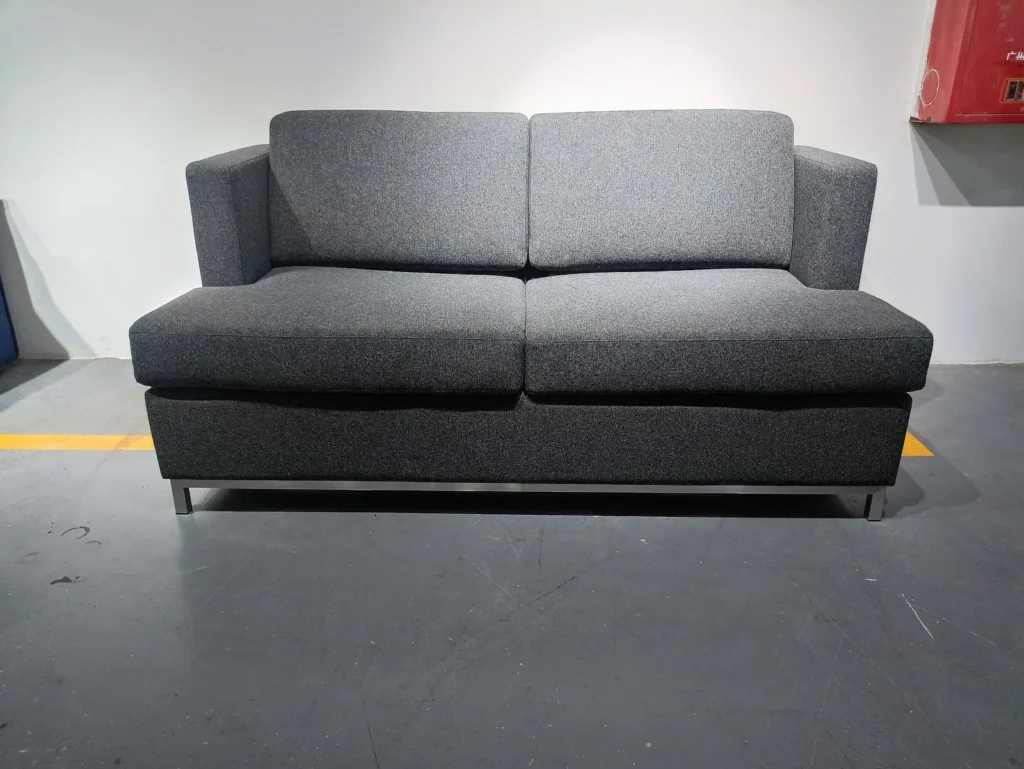

This hotel room sofa buying guide helps project buyers select seating that fits the guest room, supports the intended stay experience and remains practical for repeated use. Confirm the room type, clear route around the bed, sofa width and depth, table relationship, seat comfort, upholstery, cleaning method and room quantity before approving a model. A hotel room sofa is not a reduced lobby sofa: it must work with luggage, housekeeping, television viewing and bedroom circulation. Different standard, twin, king, suite and serviced-apartment plans may therefore need related styles in more than one controlled size.
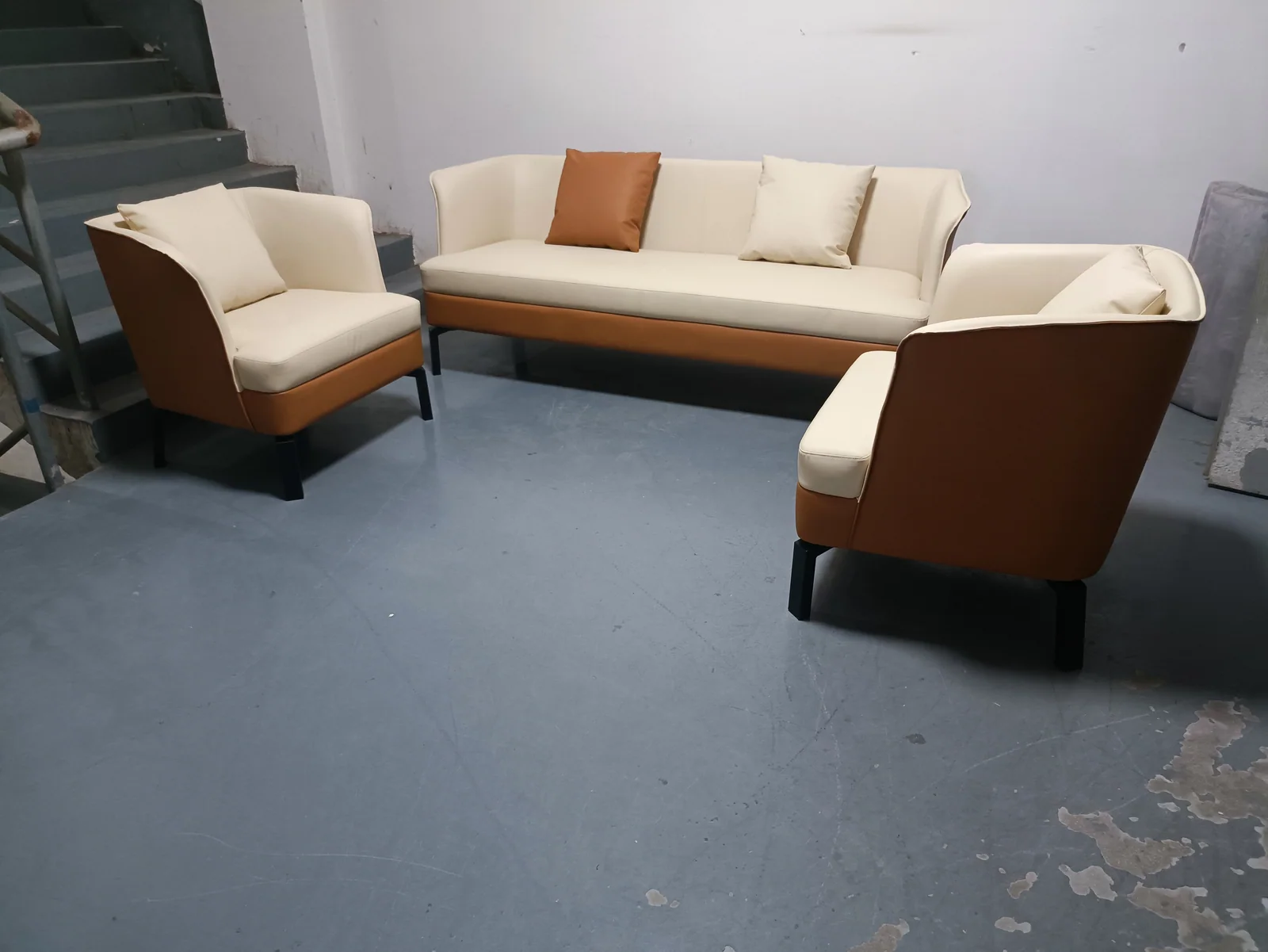
Existing HUAXUAN product reference
Hotel Room Sofa Reference for Project Review
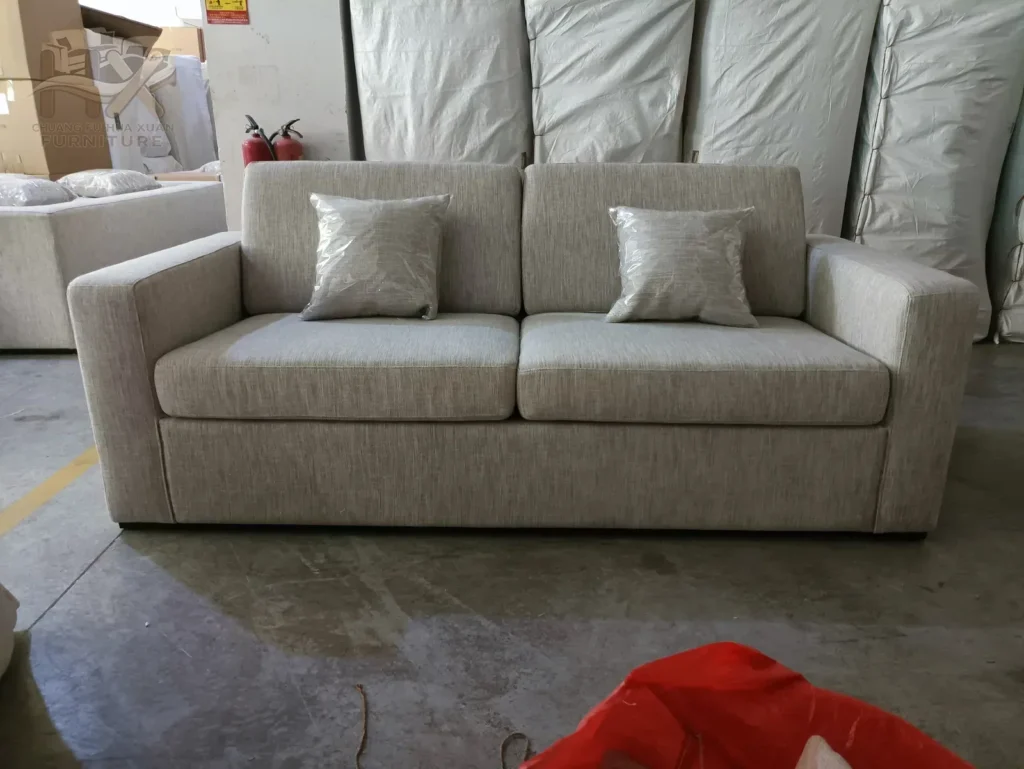
HX-SOF-006 is a coordinated beige upholstered sofa set documented for hotel guestroom sitting zones as well as lounge areas. It provides a real reference for discussing the seating mix, upholstery direction and proportion; the final sofa dimensions should still follow the room plan.
- Suitable review: guestroom sitting zones and coordinated lounge arrangements
- Custom discussion: sofa size, seating mix, upholstery, comfort and finish
- Quotation input: room plan, target dimensions, quantity and reference image
 Review HX-SOF-006 product details
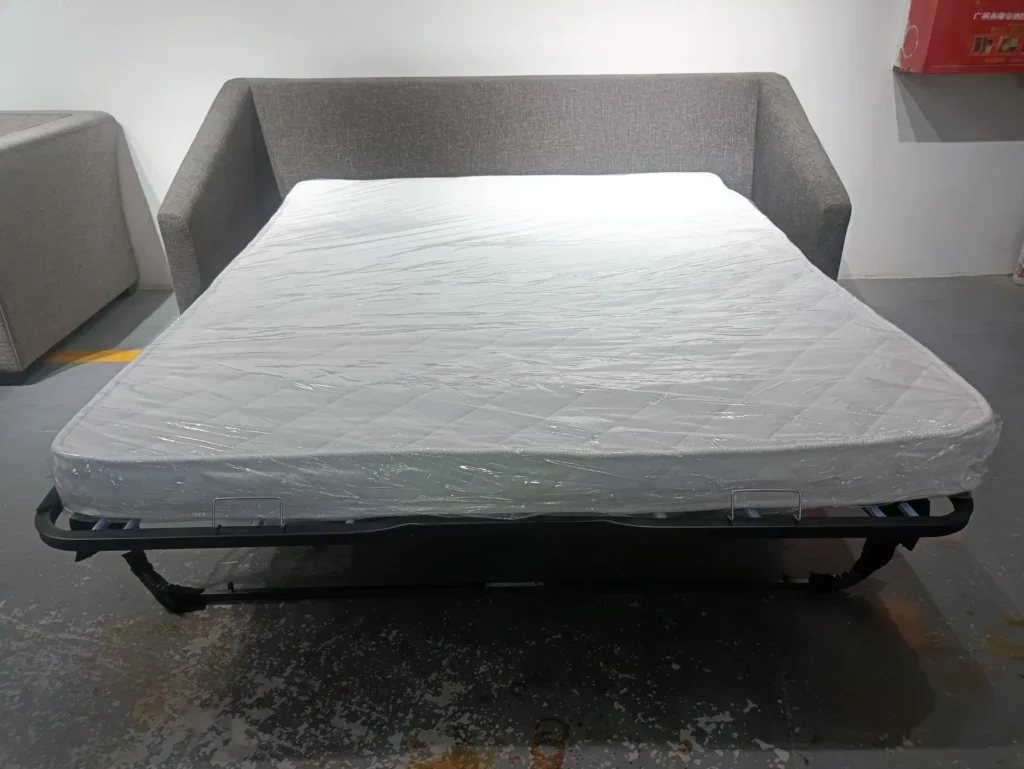
If a room also needs occasional sleeping capacity, compare hotel sofa bed options separately for the open-bed clearance and mechanism requirements.
What is a hotel room sofa?
A hotel room sofa is upholstered seating specified for a guest room, bedroom, suite or serviced-apartment room. Its job is usually more focused than lobby seating: it may support reading, television viewing, short meetings, room-service dining or a place to sit without using the bed. Common formats include a hotel room loveseat, compact two-seater, lounge sofa or a small sofa paired with a side table. The correct format is defined by the room plan and operating need, not by a supplier’s category label.
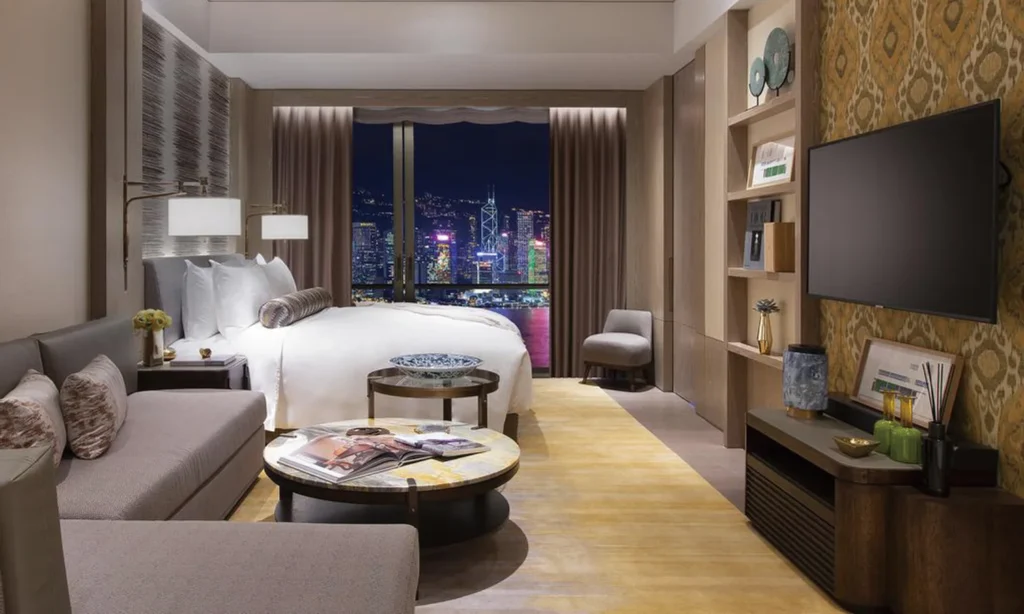
A sofa for hotel room use should be reviewed with the complete furniture plan. The bed, bedside tables, desk, luggage bench, wardrobe, curtains and television console all compete for the same clear routes. A sofa that looks appropriately scaled in isolation can block a wardrobe door or make the route around a bed uncomfortable. For this reason, request both a dimensioned product drawing and an overhead room layout before approving a custom hotel room sofa.
Hotel room sofa vs hotel lobby sofa
A hotel lobby sofa is normally planned for public visibility, group seating and frequent turnover in a large common area. It may use broader forms, deeper modules or dramatic curves because the lobby provides more space and a different circulation pattern. A hotel guest room sofa works inside a bedroom plan where the bed, luggage and private routines take priority. It usually needs a more controlled footprint, quieter visual scale and a comfort level suited to one or two guests rather than a public gathering.
Material decisions also differ. Lobby upholstery may be selected around very high public contact and visible traffic patterns, while guest-room upholstery must align with housekeeping processes, room palette and the risk of contact from luggage, food or personal products. Do not take a lobby model, reduce its width and assume the result will work. Recheck arm height, seat depth, back support and cleaning access after any size change because proportions and construction may need to change together.
Common hotel room sofa types
A hotel room loveseat is a practical default when two-person seating is required within a controlled width. A compact guest room sofa may be even narrower or shallower, but buyers must verify that it still provides useful seat depth and support. A hotel room lounge sofa is appropriate in suites where relaxation matters and a coffee table or television zone is clearly separated from the bed. A bedroom sofa for hotel rooms can sit near a window or at the end of a large room, provided it does not interfere with curtains or the route to the bathroom.
A small sofa with side table layout is often more efficient than adding a coffee table. The side table should be reachable from the seat, stable on the selected floor finish and positioned without narrowing the walkway. In all formats, hotel room sofa dimensions should be written into the room-type schedule. If the project has mirrored plans, mark the sofa, table and power positions on both versions rather than assuming the layout can simply be reversed.
| Hotel Room Sofa Type | Best For | Advantages | Limitations | B2B Buying Notes |
|---|---|---|---|---|
| Hotel room loveseat | Standard and king rooms with a two-person seating zone | Clear capacity and compact scale | Wide arms can reduce usable seating | Approve outside and inside width |
| Compact guest room sofa | Small urban hotel rooms | Preserves circulation and luggage access | May feel undersized in a suite | Check bed route and finished depth |
| Hotel room lounge sofa | Suites and longer-stay rooms | Supports relaxed seating and room zoning | Deeper profile needs more floor area | Confirm table distance and viewing direction |
| Bedroom sofa for hotel rooms | Large king rooms and premium bedrooms | Adds a distinct sitting function | Can conflict with desk or wardrobe use | Plot every adjacent furniture piece |
| Small sofa with side table layout | Guest rooms without a full coffee-table zone | Efficient for reading and short stays | Table height and reach must suit the seat | Approve sofa and table as one layout |
Hotel room sofa buying guide: dimensions and layout planning
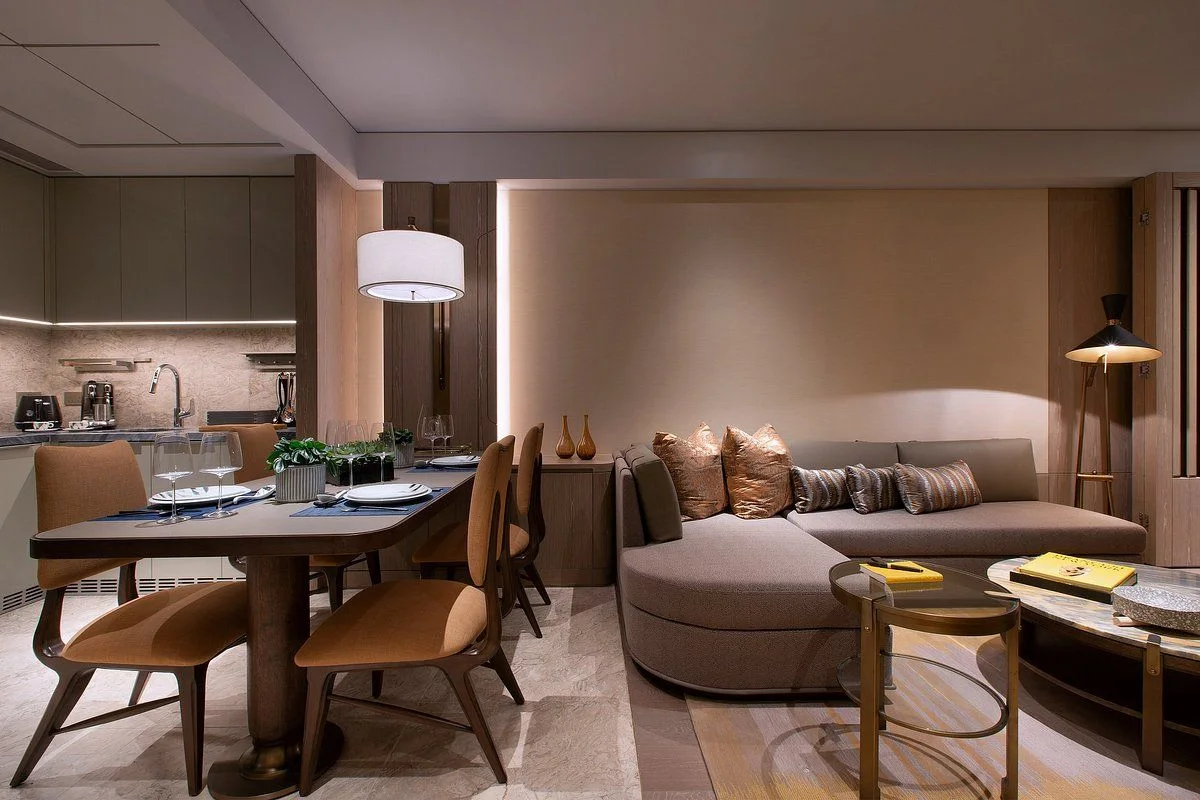
Start with the finished room dimensions and identify the route from the entrance to the bed, wardrobe, bathroom and window. Mark where luggage is likely to be opened. Then place the sofa using its maximum outside width and depth, including loose cushions and curved arms. Check whether a guest can sit without knees meeting the coffee table and whether housekeeping can reach curtains, sockets and floor edges. For a sofa beside the bed, review the narrowest clearance created when drawers or doors are open.
Record overall width, overall depth, seat depth, seat height, back height and arm style. A low hotel bedroom sofa may preserve the view or make a compact room feel open, but it must still give adequate support. A very deep hotel room lounge sofa may suit a suite yet make a standard room awkward. Ask for a scaled drawing that also shows leg or plinth height, because the base changes both visual weight and the practical cleaning gap.
| Hotel Room Type | Recommended Sofa Type | Why It Works | What Buyers Should Confirm |
|---|---|---|---|
| Standard hotel room | Compact guest room sofa or loveseat | Adds seating without taking over the sleeping zone | Bed route, sofa depth, luggage position and TV view |
| Twin room | Slim loveseat or armless compact sofa | Protects circulation around two beds | Clear path to both beds and shared table position |
| King room | Hotel room loveseat or bedroom sofa | Uses the wider room while keeping a simple layout | Desk, wardrobe and television relationship |
| Suite room | Hotel room lounge sofa or controlled sectional | Creates a separate living zone | Module orientation, coffee table and room zoning |
| Serviced apartment room | Supportive loveseat or compact two-seater | Balances longer-stay comfort with practical use | Dining route, upholstery care and seat support |
| Guest room | Sofa with side table layout | Provides a flexible reading or waiting seat | Table height, power access and housekeeping clearance |
How to choose sofa by hotel room type
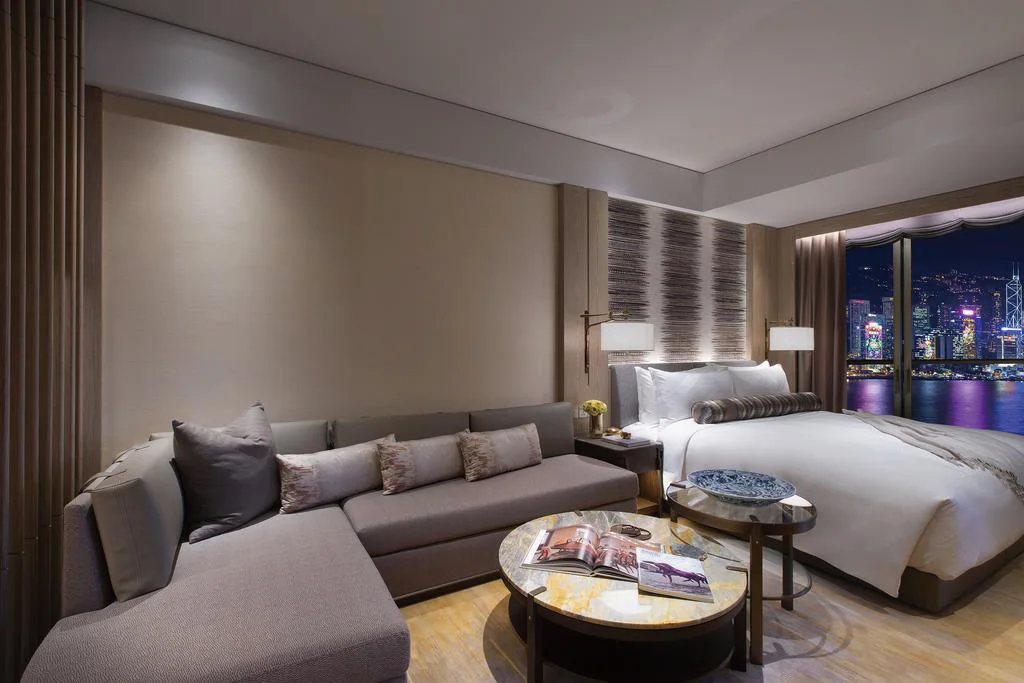
In a standard room, select the smallest format that still performs the intended seating function. A compact loveseat or sofa with a side table can work near the window without crowding the bed route. Twin rooms need special attention because two beds create more circulation edges; a narrow armless or slim-arm model may be more effective than a deep lounge sofa. King rooms often provide a clearer wall or window zone, but the desk, television and wardrobe still determine the usable footprint.
Hotel suites can support a separate living composition with a lounge sofa, chairs and coffee table. Treat that composition as a coordinated set and confirm the main conversation distances. Serviced apartment rooms need support for longer stays, so seat comfort, dining circulation and fabric care deserve more weight. A generic guest room may only need one compact sofa and a side table. The room schedule should state which sofa code serves each plan and how many rooms use it.
Upholstery and frame materials for hotel rooms
Hotel upholstery should be selected from the actual service routine and applicable project requirements. Ask the operating team what cleaning products and methods are used, then request compatible upholstery information and physical swatches. A woven fabric can create a comfortable residential tone; leather or leather-look upholstery can offer a different maintenance profile. Review color, texture, seam appearance, piping and likely contact points. The hotel sofa material and finish discussion should be tied to an approved swatch code, not a color name such as beige or gray.
The frame proposal should identify the main structural material, joint and reinforcement approach, seat support, foam construction and leg or plinth attachment. Hotel furniture sofa specifications do not need identical materials for every design, but the approved sample and bulk production should follow the same documented structure. If the sofa is resized for different room types, ask whether the frame rails, seat supports or cushion divisions change; a simple width reduction can otherwise produce an uncomfortable or visually unbalanced result.
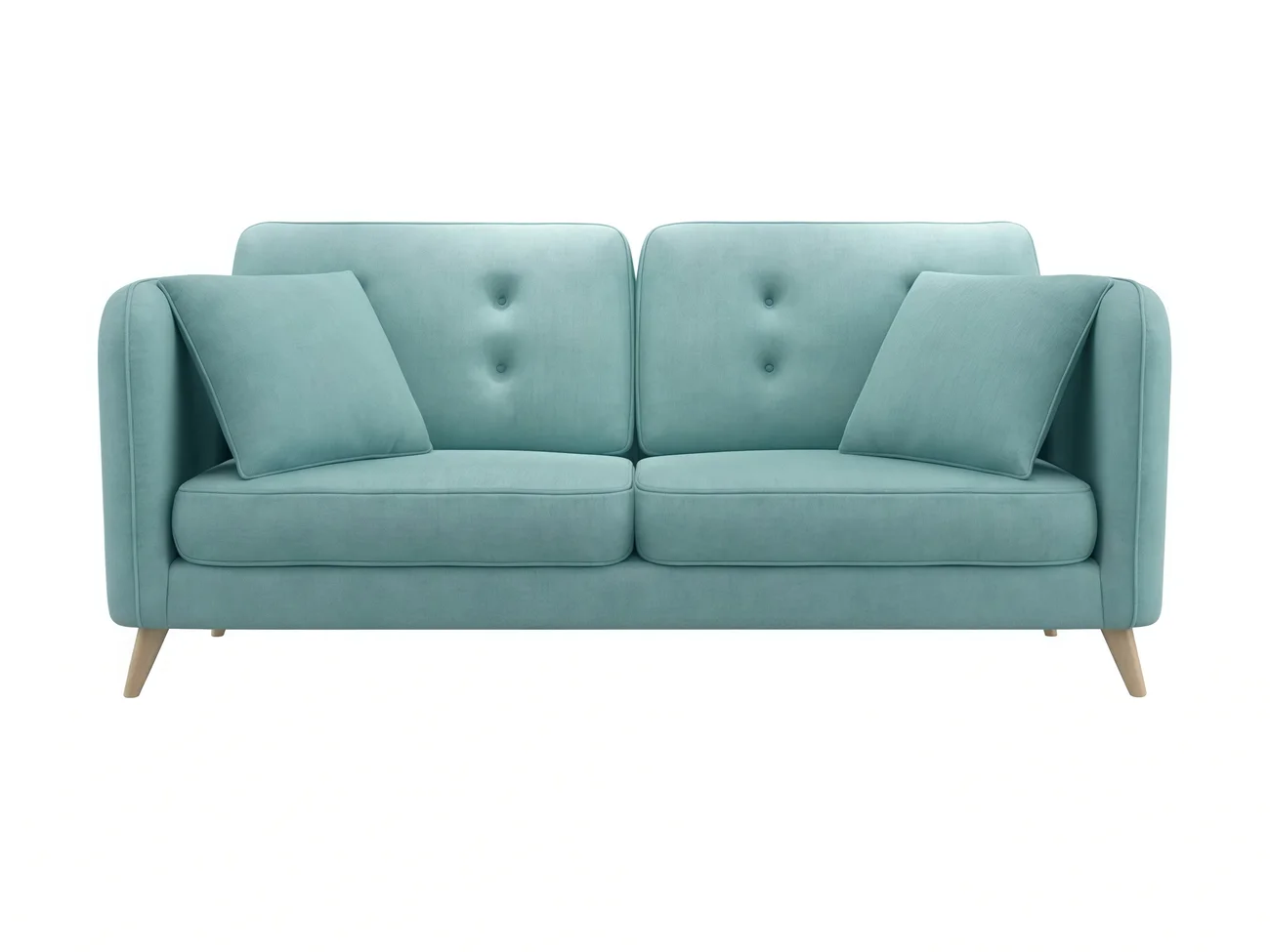
Comfort, cleaning and durability considerations
Guest-room comfort should match how long people are expected to sit. A short-stay business room may favor an upright, supportive posture near a side table, while a suite can use deeper seating for relaxation. Evaluate seat height, usable depth, back angle, cushion recovery and arm support together. Foam density alone does not define softness, so describe the target feel, review the proposed layers and test the finished sample. Loose cushions should recover neatly after use without creating an excessive housekeeping task.
Cleaning review should cover accessible gaps, removable cushion covers where applicable, seam placement and floor clearance. Avoid claiming that a fabric is easy to clean without checking the manufacturer’s care information and the hotel’s process. Durability depends on the combined frame, suspension, foam, upholstery and sewing quality. For frequent-use rooms, ask how the supplier controls cushion size, seam alignment, fabric direction and color across the batch, then include those items in the inspection record.
Common mistakes when sourcing hotel room sofas
A frequent mistake is approving the sofa from a rendered room without confirming the finished dimensions. Renders can hide the true depth, table gap or wardrobe conflict. Other errors include using a lobby sofa in a bedroom plan, selecting upholstery without the housekeeping team, applying one sofa size to every room type, forgetting mirrored layouts and comparing quotations that use different internal structures. Buyers should also avoid treating side tables as decoration; their height and position directly affect how the sofa is used.
Keep the same room plan, reference image, size target, upholstery direction and quantity in each supplier comparison. Review relevant hotel furniture project planning and hotel furniture scope references before finalizing the room list. If a supplier proposes an alternative depth or arm style, require it to be marked as a deviation rather than silently replacing the requested specification.
Buyer checklist before quotation
Prepare the following information before requesting a quotation. Mark unknown items clearly so the supplier can respond with questions instead of making hidden assumptions.
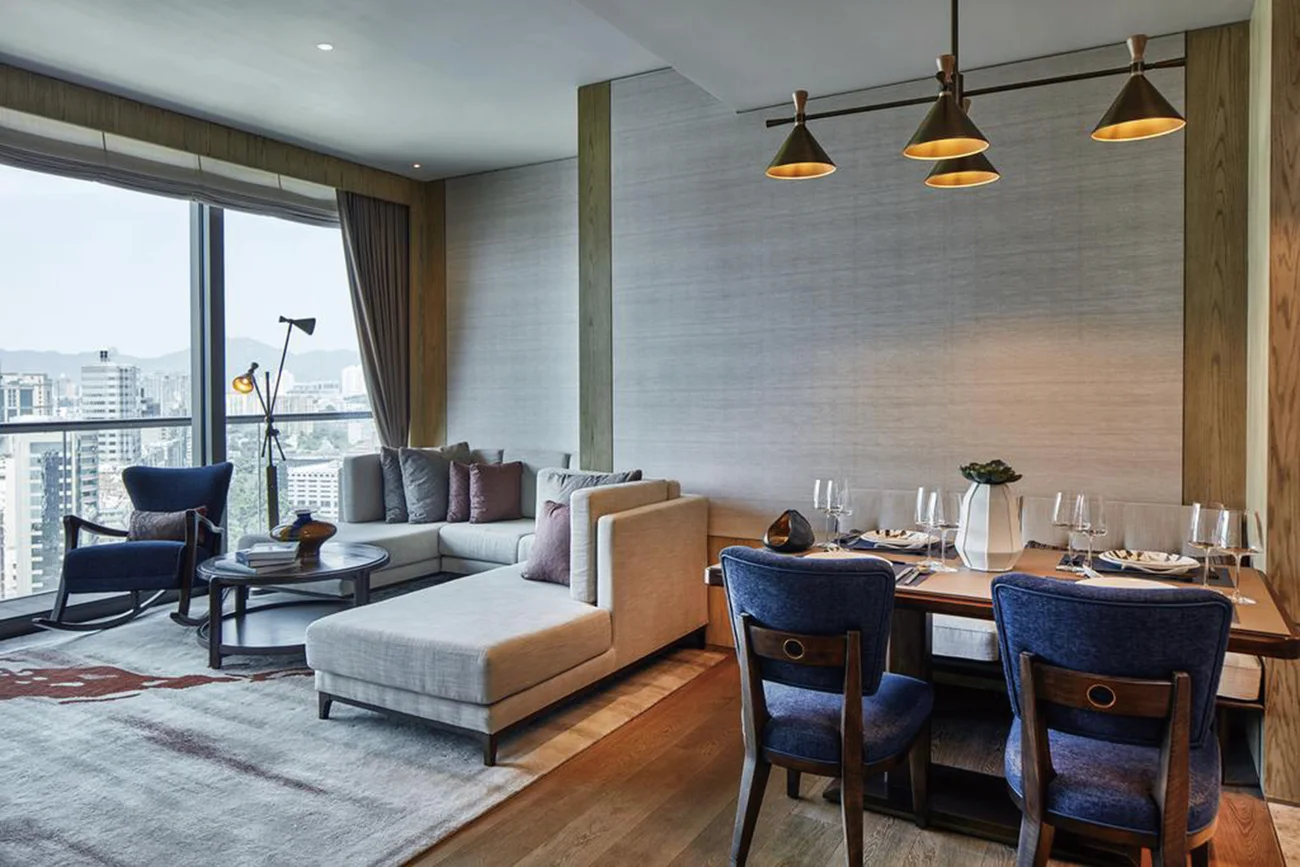
- Hotel project type
- Room type
- Room size
- Floor plan
- Sofa type
- Overall width
- Overall depth
- Seat depth
- Seat height
- Back height
- Armrest style
- Coffee table or side table layout
- Frame material
- Foam requirement
- Upholstery material
- Cleaning requirement
- Color reference
- Room quantity
- Reference photos
- Customization requirement
Why include HUAXUAN in your supplier comparison
HUAXUAN is a B2B furniture website focused on sofas, sofa beds, beds, chairs and project furniture. It is suitable for buyers who need reference-photo-based discussion, project inquiry, quantity quotation, OEM / ODM discussion where applicable, and furniture list review. Buyers can include HUAXUAN sofa references in a supplier comparison for hotel room sofa discussions based on floor plans, reference photos, room quantities and furniture lists. The useful comparison is specification-led: identify room types, dimensions, upholstery direction, comfort target and any customization before asking for pricing.
Send one organized package rather than scattered messages. A room matrix, marked floor plans and sofa reference sheet allow suppliers to identify missing information and respond on the same basis. The hotel room sofa project quotation guide provides a practical path for sending the style, dimensions, material requirement and quantity.
FAQ
What is the difference between a hotel room sofa and a lobby sofa?
A guest-room sofa has a controlled footprint and works around the bed, luggage, wardrobe and private room circulation. A lobby sofa is planned for public space, group seating and a different traffic pattern.
What sofa type works in a standard hotel room?
A compact guest room sofa, loveseat or sofa with a side table often works, but the final choice must follow the scaled room plan, clear bed route, furniture positions and intended seating function.
How should hotel room sofa dimensions be confirmed?
Confirm outside width and depth, usable seat depth, seat height, back height, arm profile, base height and the tightest room clearance. Use a dimensioned drawing and an overhead layout together.
Which upholstery is best for hotel guest room sofas?
No single material is best for every hotel. Match the upholstery to the room palette, expected contact, cleaning method, applicable requirements and approved physical swatch.
What should be included in a hotel room sofa RFQ?
Include project type, room matrix, plans, sofa reference, target dimensions, table layout, frame and foam direction, upholstery and cleaning requirements, color, quantity and requested customization.