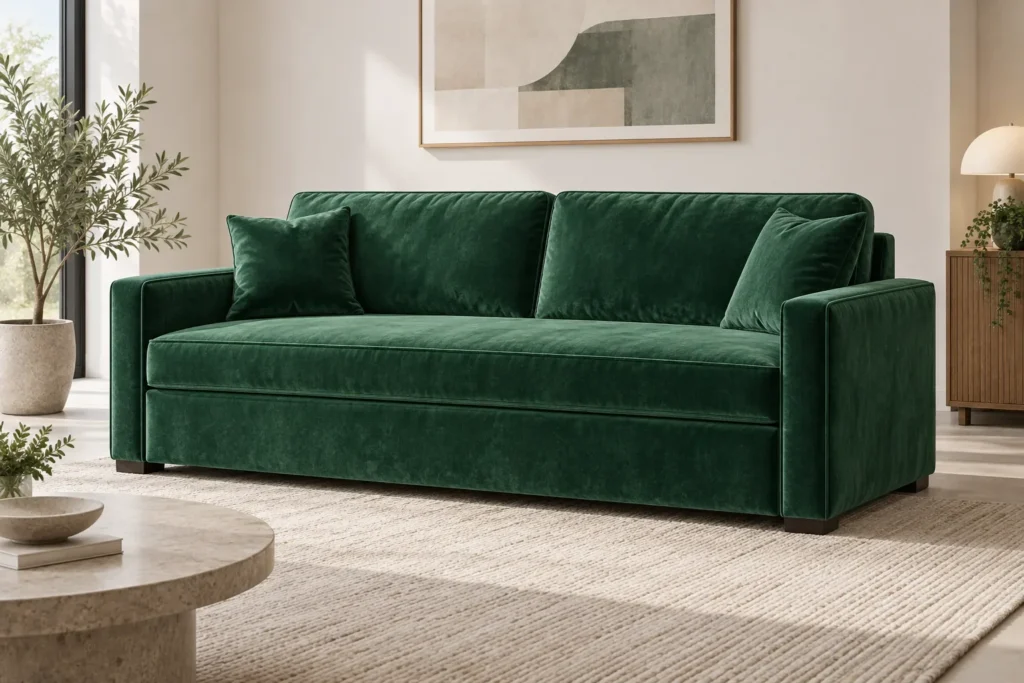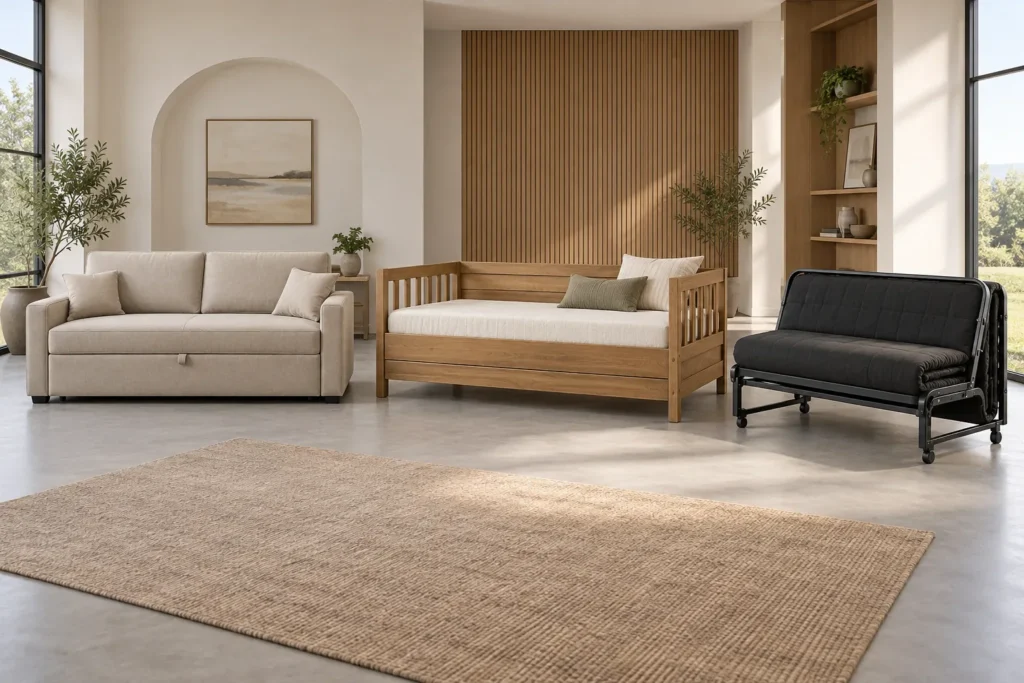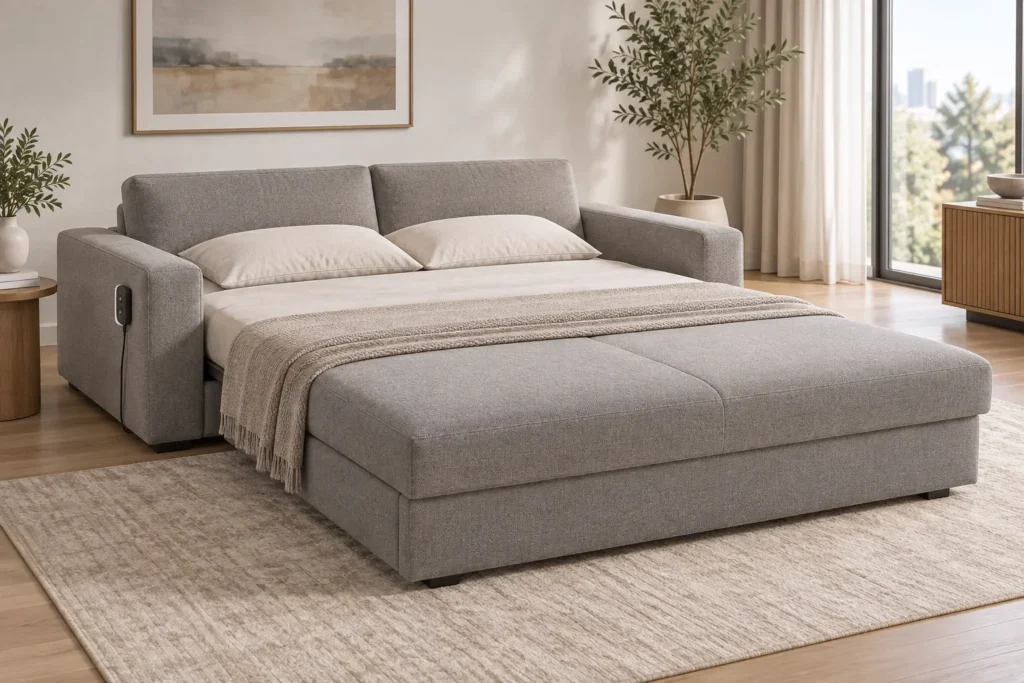


A club chair is generally a compact upholstered lounge chair with supportive arms, a comfortable seat and a relatively substantial profile. Traditional examples are often low, deep and fully upholstered, but the name now covers many slimmer, curved and contemporary interpretations. Project designers use club chairs in hotel lobbies, guestrooms, executive lounges, office reception areas, restaurant waiting zones and serviced apartments when they need relaxed individual seating without the footprint of a large sofa.
Planning hospitality or reception seating? Share the floor plan, quantities, dimensions and finish direction for a practical review.

What Does “Club Chair” Mean?
The term describes a recognizable chair type rather than one protected global specification. Its roots are associated with comfortable upholstered chairs used in social clubs, but a purchasing team should focus on the current drawing, materials and intended use instead of treating history as a technical standard. Most examples combine a lounge-oriented posture, arms and a visually grounded body.
Modern manufacturers and designers use the label with some flexibility. One model may have rolled arms and concealed legs; another may have a curved shell, narrow arms and exposed timber or metal legs. The safest definition is functional: an upholstered armchair intended for relaxed single-person seating, commonly with a compact lounge-chair footprint.
What Does a Club Chair Look Like?
A classic club chair usually has an upholstered seat and back, substantial armrests, a moderately deep seat and a low or medium back. Upholstery may wrap most of the body, making the chair appear solid and comfortable. The seat can be fixed or loose, while piping, seams or channel details define the silhouette.
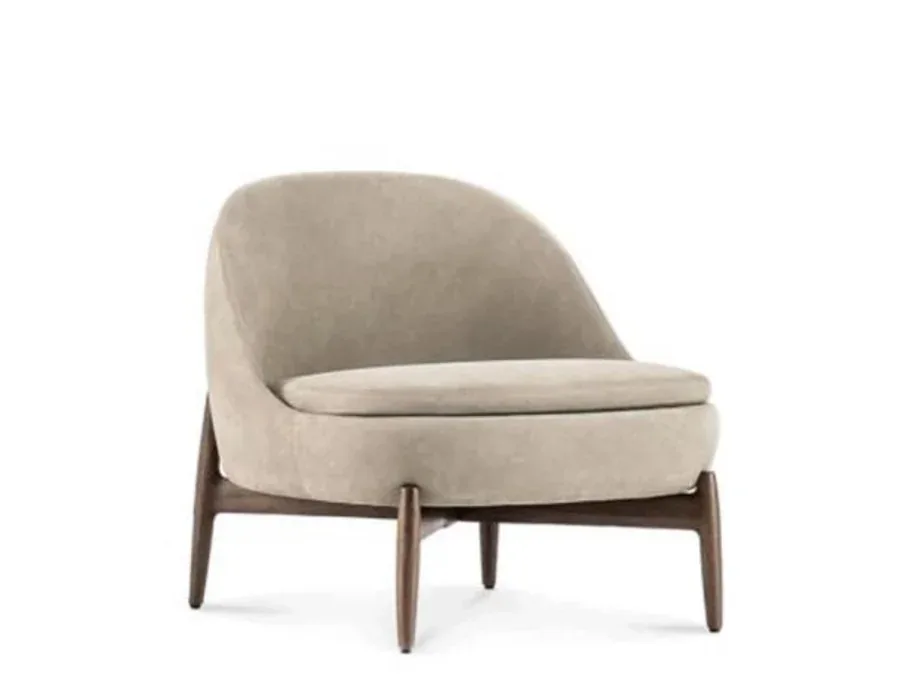
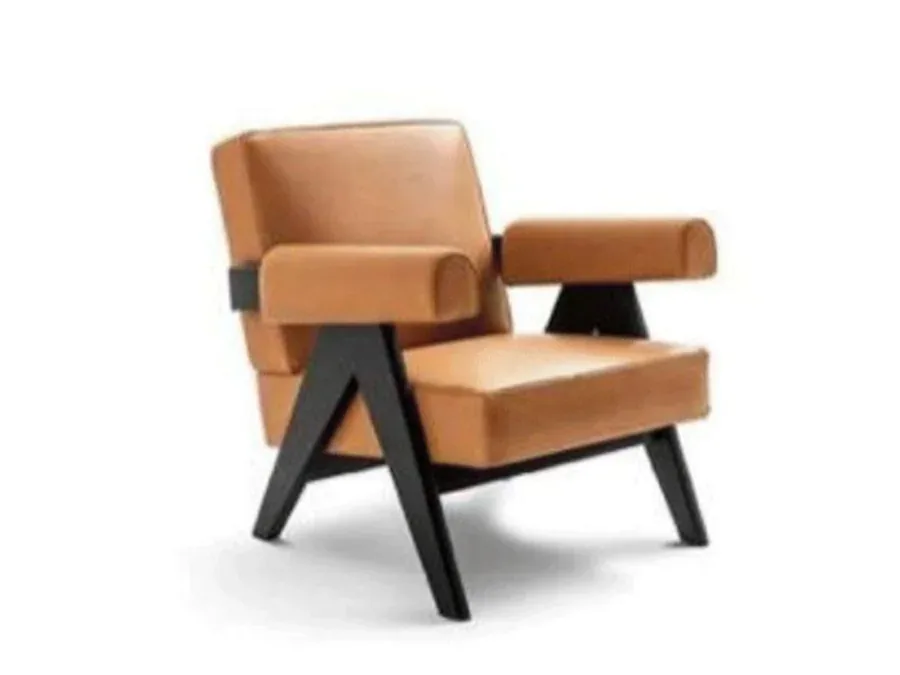
Contemporary versions may be slimmer, lower-backed or more sculptural. Arms can flare, curve or merge into a tub-like back. Legs may be timber, metal or hidden by a plinth. Some designs expose a wood frame and use upholstered pads. These variations do not automatically exclude a chair from the family; buyers should describe the exact construction rather than relying only on the style name.
Typical Club Chair Dimensions
There is no universal club-chair size. Approximate commercial examples often fall around 700–950 mm in overall width, 700–950 mm in overall depth and 400–480 mm in seat height, but compact or oversized models can sit outside these ranges. Seat width, seat depth, back height, arm thickness and cushion compression all change the experience.
Use approximate ranges only for early planning. The approved product drawing should show overall width and depth, seat width and depth, finished seat height, arm height, back height and leg or base footprint. Check the chair at full scale in the room plan, including a person, adjacent table and circulation route.
Club Chair vs Armchair
| Feature | Club chair | General armchair |
|---|---|---|
| Category | A lounge-oriented style within the armchair family | Broad term for any chair with arms |
| Upholstery | Usually prominent and often wraps the body | May be upholstered, timber, metal or mixed |
| Posture | Generally relaxed | Can be upright, task-oriented or relaxed |
| Arms | Usually visually important | Any arm form |
| Typical use | Lounges, guestrooms and reception groups | Dining, desk, lounge, accent and many other uses |
| Commercial role | Compact individual lounge seating | Depends entirely on the selected subtype |
Every club chair is broadly an armchair, but not every armchair is a club chair. Armchair is the umbrella category. A dining armchair, executive desk chair and outdoor armchair have arms yet do not share the typical lounge posture or upholstered body associated with a club chair.
Club Chair vs Lounge Chair
Lounge chair is also a broader category. It includes club chairs as well as open-frame chairs, reclined timber designs, swivel shells, chaise-like seats and many other formats. A club chair can therefore be specified as one lounge-chair subtype or style direction rather than as an absolutely separate product category.
The distinction matters in search and procurement. A hotel lounge chair buying guide addresses how to select many possible lounge-chair types for hospitality. This article answers what a club chair is and when that compact upholstered direction makes sense. See the hotel lounge chair buying guide for the wider selection process.
Club Chair vs Accent Chair
An accent chair is selected primarily to contribute visual emphasis, although it should still be usable and comfortable. It may be armless, upright, sculptural or lightly upholstered. A club chair is normally more lounge-oriented and usually has arms, so comfort and a settled posture are central to its identity.
The categories can overlap. A bright fabric club chair can be the accent piece in a quiet lobby, while a visually restrained accent chair may still be comfortable. Specify the required posture, dimensions and construction rather than assuming the marketing label settles every functional question.
Leather Club Chairs vs Fabric Club Chairs
Leather or leather-look upholstery can create a tailored, substantial appearance and may suit executive lounges, reception areas and interiors that call for a smooth surface. Maintenance depends on the exact material and finish. Genuine leather, PU and PVC are not interchangeable; use the approved supplier code and cleaning instructions.
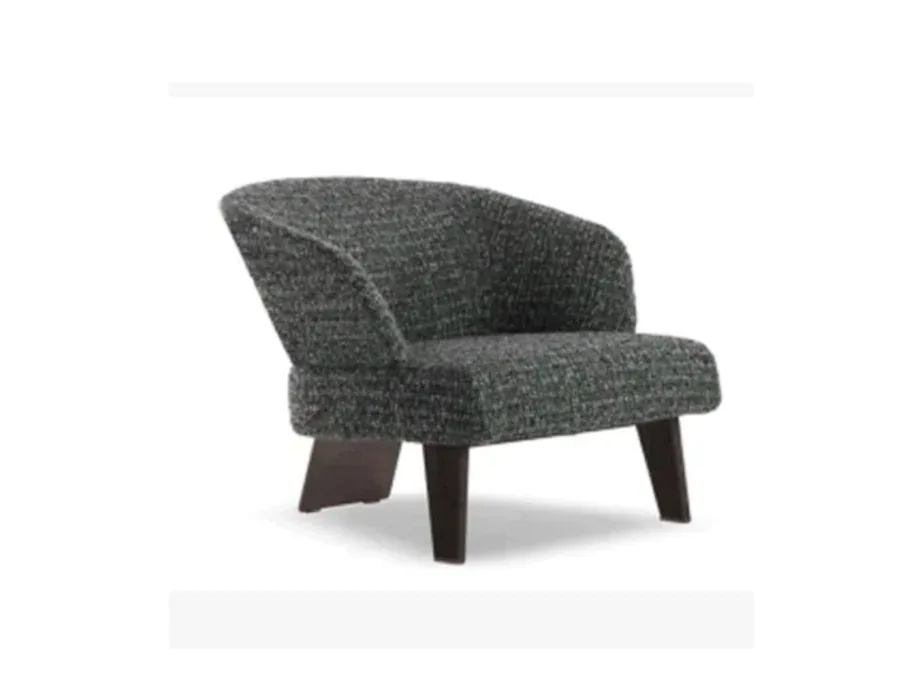
Fabric provides a broad choice of texture, color and pattern and can create a softer visual character. Performance attributes must be confirmed for the selected material and project. Where flame performance is required by the project specification or local regulations, document the exact requirement and supporting evidence rather than assuming every commercial fabric carries the same result.
Club Chairs for Hotel Lobbies
In a hotel lobby, club chairs can form two-seat conversation pairs, side seating beside a sofa or compact clusters around coffee and side tables. Their smaller individual footprint can break a large lounge into more personal settings. Place every chair with its occupied envelope and preserve the circulation route between reception, lifts and guestroom corridors.
Coordinate the chairs with sofas, rugs and tables without forcing all pieces to match. Check table reach, arm height, sightlines and housekeeping access. HUAXUAN’s commercial lounge chairs and custom upholstered chairs page provides the primary product context, while hotel furniture for project rooms and public areas supports a complete schedule.
Club Chairs for Hotel Guest Rooms
Guestrooms often need a compact chair near a window, small table or desk without obstructing luggage movement, curtains or the path to the bed. An oversized traditional form can consume valuable floor area. A slimmer club-chair interpretation may preserve the relaxed posture while reducing arm width and overall depth.
Check desk interaction carefully. A deep lounge chair is not automatically suitable as a working chair, and its arms may not pass beneath the desk. Show the chair, table, luggage rack, open doors and curtains in the same plan. A mock-up room is the clearest place to test comfort and actual circulation.
Club Chairs for Office Reception Areas
Reception seating should support visitors for the expected wait and create arrangements that work for individuals and small groups. Club chairs can sit opposite a sofa, form a pair with a side table or define an informal meeting corner. Compact dimensions help smaller offices avoid turning reception into a dense furniture display.
Connect upholstery and leg finishes to the workplace palette, then consider cleaning and replacement. The office furniture project page gives broader context for reception, lounge and meeting-area furniture. Keep workstation and task-chair requirements separate from this relaxed visitor-seating role.
How Many Club Chairs Should a Project Use?
There is no standard quantity per room. Determine the number from expected visitors, sofa quantity, table layout, floor area and the desired mix of individual and shared seating. A lobby may use pairs around several small tables; a guestroom may use one; an executive lounge may combine chairs with sofas and modular seating.
Count usable seats only after checking circulation. Adding two chairs to a plan may technically increase capacity while making a route uncomfortable or blocking table access. Furniture plans should show occupied chairs and typical movement, not merely unoccupied product outlines.
What Upholstery Works for Commercial Club Chairs?
Common options include woven fabric, project-specified performance fabric, PU, PVC and leather where appropriate. Evaluate appearance together with cleaning method, seam design, repair strategy, color consistency and availability for repeat orders. A material that works on a small sample may appear different across a fully upholstered chair body.
Record supplier, collection, color, backing, direction and approved sample. If different chair batches must match, discuss lot variation before production. Avoid unsupported durability claims: project requirements and verified test reports should guide the decision where specific performance is necessary.
What Should Buyers Specify When Ordering Club Chairs?
- Quantity by room or zone.
- Overall width, depth and height.
- Seat width, depth and finished height.
- Reference image and approved drawing revision.
- Frame material and construction requirements.
- Upholstery supplier, code, color and direction.
- Wood or metal leg/base finish.
- Project type and destination.
- Fire-performance requirement where applicable.
- Packing, room labelling and replacement requirements.
A precise request reduces interpretation. Include the adjacent sofa and table information if the chair must coordinate with a setting. For custom work, review upholstered chairs for hospitality projects and note which dimensions are fixed and which can be adjusted after sampling.
How to Plan a Club-Chair Layout
Begin with the chair’s full envelope and the room’s primary circulation. Add the occupied position, because a user’s feet and the practical approach space extend beyond the product outline. Position coffee or side tables within comfortable reach without narrowing a route. In a conversation group, turn chairs toward one another enough to support interaction while preserving sightlines to reception, windows or other focal points.
Balance is more useful than perfect symmetry. A sofa with two club chairs can create a familiar three-sided setting, while four chairs around a central table suit small-group conversation. In a long lobby, repeating smaller groups can feel more personal than lining chairs against a wall. Check power outlets, floor boxes, rug edges and cleaning access before approving the arrangement.
Scale the silhouette to the architecture. Wide arms and a low back can suit a generous lounge but may appear heavy in a narrow guestroom. A raised leg creates more visible floor and a lighter impression, while a plinth or concealed base makes the chair feel grounded. These visual choices should not override stability, comfort or housekeeping needs.
Club Chair Sample and Approval Checklist
A full sample lets the team sit in the chair, compare it with adjacent furniture and inspect details that drawings cannot communicate fully. Review entry and exit, arm support, seat depth, cushion recovery and back angle with several users. Check the chair from every side likely to remain visible after installation, including the rear in open-plan spaces.
Compare the sample with the approved fabric and finish board under project lighting. Review pattern direction, seams, piping, leg color, glides and floor contact. Measure the finished item against the controlled drawing and place it in the mock-up room if possible. Photograph the accepted sample and record its drawing revision, material codes and agreed changes.
For repeat orders, retain the original product code, order reference, dimensions and material records. A later request for the same chair name may not preserve an older fabric batch or hardware version. Clear records help the manufacturer identify differences early and support more reliable replacement planning.
Delivery and Placement Considerations
Confirm doorway, corridor, elevator and stair access against the packed chair dimensions, particularly when a compact seat still has a wide fixed back or arms. Ask whether legs or bases ship detached and how they are identified. At installation, protect finished floors, place the correct chair in each scheduled zone and retain labels until the room has been checked.
After placement, verify stability and glide suitability on the actual floor. Recheck distances to tables, walls and escape routes against the approved plan. Review each completed setting with the current furniture schedule before the installation team leaves the zone. Do not solve a tight layout by casually removing protective glides or altering legs. Any product modification should return to the responsible supplier and project team for assessment.
Need club chairs for a hotel, office or serviced-apartment project? Send the room plan, reference design, quantities and finish requirements.
Frequently Asked Questions
What is a club chair?
A club chair is generally a compact upholstered armchair designed for relaxed lounge seating.
Is a club chair the same as an armchair?
It is a type or style direction within the broader armchair category.
Is a club chair a lounge chair?
Yes, it can be considered one lounge-chair subtype; lounge chair is the broader term.
Are club chairs always leather?
No. Fabric, leather, PU and other project-appropriate upholstery may be used.
Where are club chairs used commercially?
Typical locations include hotel lobbies and guestrooms, office reception areas, lounges and restaurant waiting spaces.
Conclusion
What are club chairs? They are compact, upholstered, arm-supported lounge chairs, but no single historic silhouette defines every modern version. Project buyers should translate the label into dimensions, posture, upholstery, frame, finish and room-layout requirements. With those controls, a club chair can provide comfortable individual seating without overwhelming a hotel, office or apartment interior.