
Commercial dining chairs must do more than look good around a table. In restaurants, cafes and hotel dining areas, chairs are moved many times a day, cleaned often, exposed to spills and judged by every guest who sits down. The wrong chair can become uncomfortable, hard to clean, unstable or visually disconnected from the dining room.
This guide helps B2B buyers compare chair type, seat height, frame material, upholstery, cleaning needs and bulk order checks. It is written for restaurant owners, hotel buyers, cafe operators, designers and furniture distributors who need practical sourcing decisions. For related pages, review restaurant furniture, upholstered chairs, restaurant projects and request a chair quotation.
Send your restaurant style, table size and chair quantity to get commercial dining chair recommendations.
Why Commercial Dining Chairs Are Different from Home Chairs
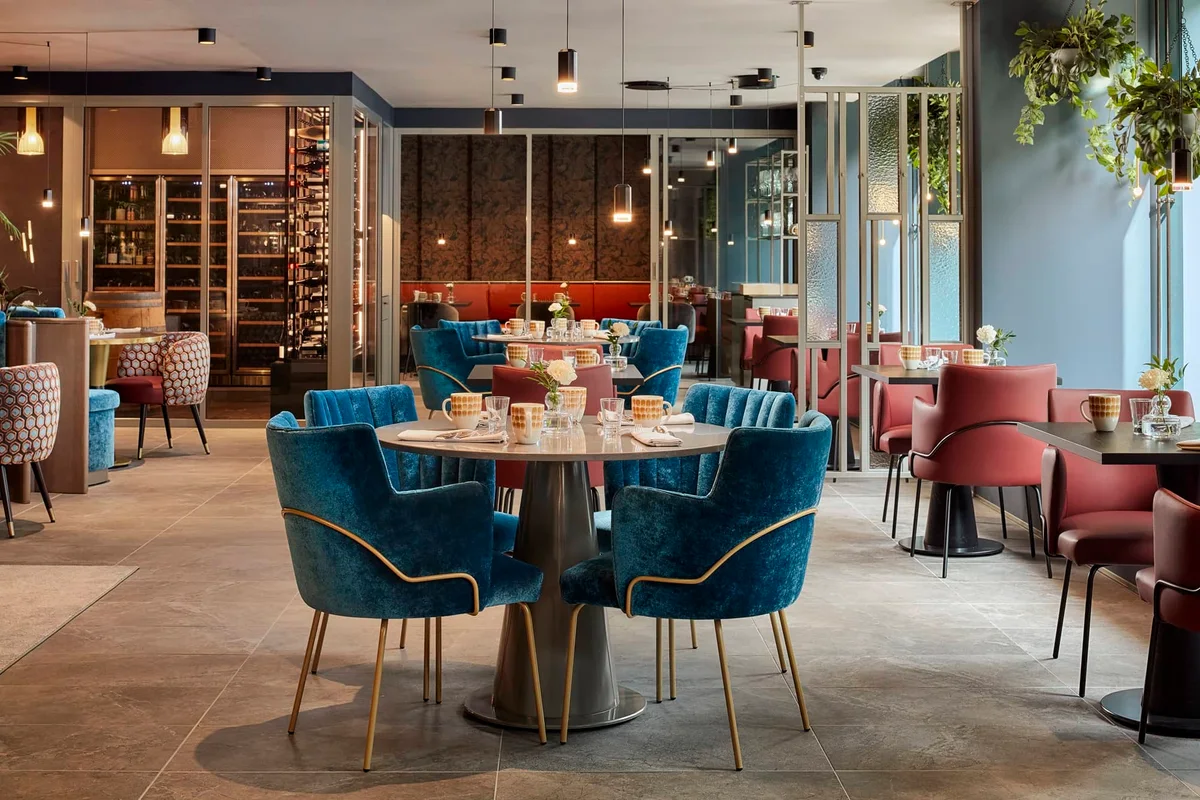
Home chairs may be used a few times a day. Commercial dining chairs may be moved, cleaned and occupied for long hours through lunch and dinner service. That difference affects frame strength, leg protection, upholstery, seat comfort and finish durability. A chair that looks attractive in a residential photo may not survive a busy restaurant.
Commercial buyers should look at the full operating environment. Fast casual restaurants need chairs that are easy to move and clean. Fine dining venues need longer sitting comfort and a more refined appearance. Cafes need compact chairs that do not block traffic. Hotel dining spaces need chairs that work with breakfast service, banquets and flexible table arrangements.
The right commercial dining chairs reduce replacement cost and improve guest experience. They also support staff workflow because chairs that are too heavy, too wide or hard to clean slow down daily operations.
A commercial chair specification should therefore include more than product name and color. Buyers should record overall width, seat height, back height, frame material, upholstery code, glide type, stackable requirement, carton quantity and sample approval notes. These details make it easier to compare supplier quotations and avoid receiving commercial dining chairs that look similar but perform differently.
Common Types of Commercial Dining Chairs
Commercial dining chairs can be grouped by frame, upholstery and use case. Buyers should compare chair type against restaurant concept, table size, expected sitting time and cleaning routine.
Upholstered Dining Chairs
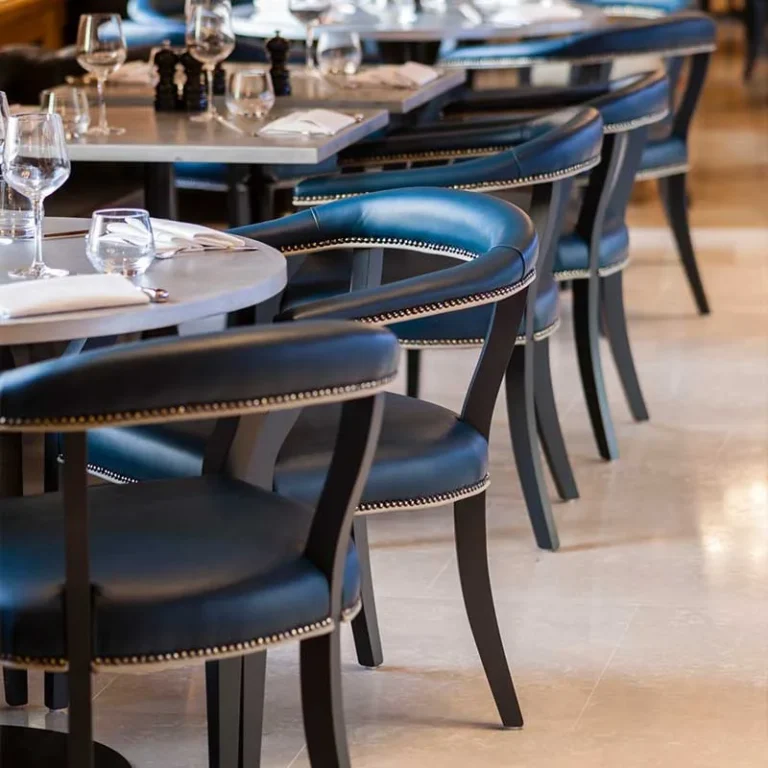
Upholstered chairs give a softer and more premium sitting experience. They work well in hotel restaurants, fine dining and longer meals. Buyers should confirm fabric durability, vinyl cleanability, foam density and seam detail.
Wooden Dining Chairs
Wood chairs bring warmth and are common in cafes, bistros and casual restaurants. Check joinery, moisture control, finish protection and how the chair reacts to frequent floor movement.
Metal Frame Dining Chairs
Metal frames are useful for high-traffic spaces because they can be strong and easy to maintain. Powder coating, weld quality, foot glides and seat material should be checked before bulk order.
Restaurant Armchairs
Armchairs feel more comfortable and upscale, but they require more width and table clearance. Use them selectively in hotel dining rooms, VIP tables or lounge dining areas where space allows.
Stackable Dining Chairs
Stackable chairs help banquet rooms, event spaces and flexible cafes. Buyers should check stacking height, frame protection, seat wear points and storage space.
Commercial Dining Chair Type Table
| Chair type | Best use case | Material option | Comfort level | Buyer should confirm |
|---|---|---|---|---|
| Upholstered side chair | Fine dining, hotel restaurants, cafes | Wood or metal frame with vinyl or fabric | High | Fabric durability, foam density and seat width |
| Wood dining chair | Bistros, casual restaurants, cafes | Beech, oak or other hardwood options | Medium | Joinery, finish and floor glides |
| Metal frame chair | Fast casual, high-traffic restaurants | Steel or aluminum with wood or padded seat | Medium | Gauge, welds, coating and weight |
| Restaurant armchair | Hotel dining, lounge dining, premium tables | Upholstered, wood or metal frame | High | Arm height, table clearance and aisle width |
| Stackable chair | Banquet, event and flexible spaces | Metal or aluminum frame | Medium | Stack height, storage space and finish protection |
A chair type table helps buyers compare function before discussing color. The chair must fit the business model. A cafe that resets tables quickly has different needs than a hotel restaurant where guests stay longer.
Chair Size, Seat Height and Comfort Details
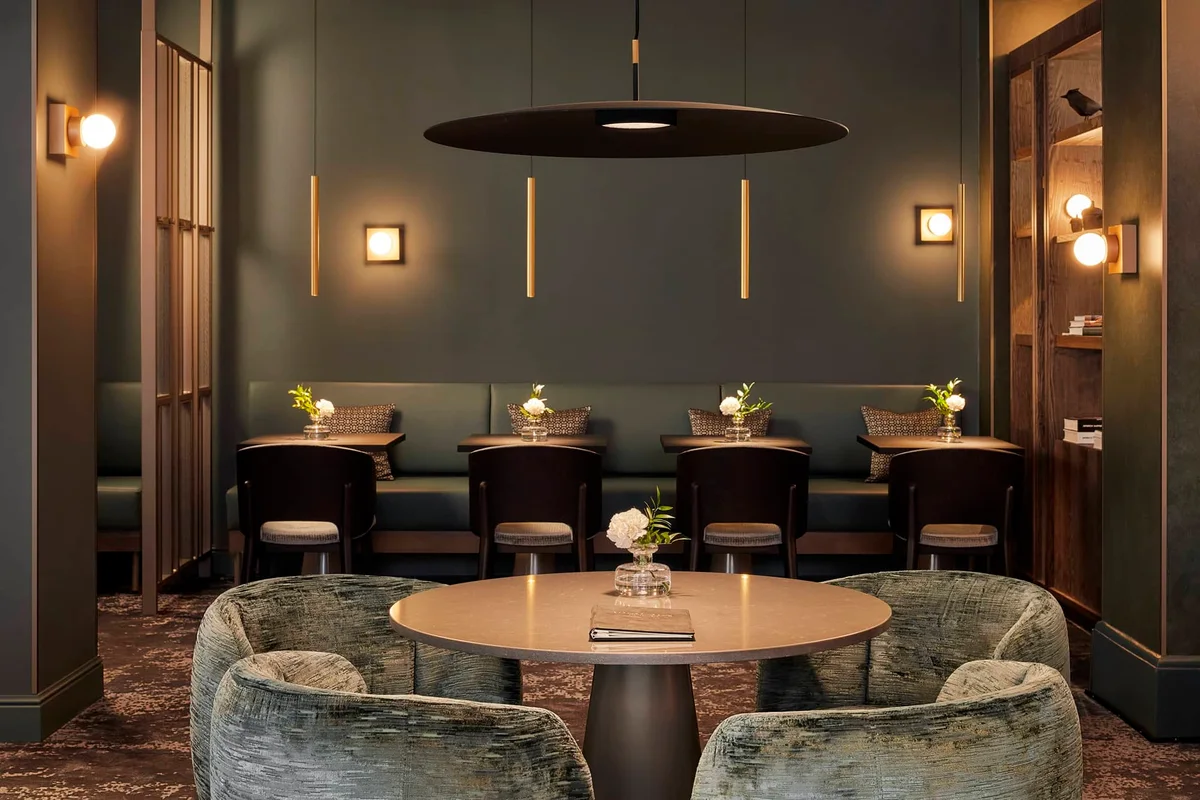
Seat height is one of the first measurements to confirm. Most dining chairs use a seat height around 18 inches, but buyers should confirm against the actual table height and cushion thickness. If the seat is too high, guests feel cramped. If it is too low, the table feels awkward.
Chair width affects seating capacity. A wide armchair may look premium but reduce the number of seats that fit in the dining room. A narrow chair may increase capacity but feel uncomfortable for longer meals. Buyers should test the chair with the exact table size and aisle plan.
Comfort details include seat depth, back angle, foam support, edge softness and arm height. For commercial dining chairs, comfort should be stable over time. Foam that feels soft at first but collapses quickly is not a good project choice.
Capacity planning should be done before the buyer approves the chair width. A 20-inch chair and a 23-inch chair can change the number of seats that fit along a wall or around a table. That difference affects revenue, guest comfort and service flow. When the dining room is tight, a slim side chair may be better than an armchair, while premium tables can use wider chairs selectively.
Materials and Upholstery for Restaurants, Cafes and Hotels
| Material | Best application | Durability | Cleaning difficulty | Notes |
|---|---|---|---|---|
| Vinyl upholstery | Restaurants, cafes, hotel breakfast areas | High when commercial grade | Low | Good for spills and frequent cleaning |
| Fabric upholstery | Fine dining and hotel restaurants | Medium to high by spec | Medium | Check abrasion rating and stain treatment |
| Solid wood frame | Bistros, cafes, warm dining spaces | High with good joinery | Medium | Needs finish protection and joint checks |
| Metal frame | High-traffic and fast casual spaces | High | Low | Check welds, coating and glides |
| Laminate or wood seat | Casual dining and cafes | Medium to high | Low | Less plush but easy to maintain |
Material choice should match the cleaning routine. A family restaurant may prefer vinyl seats because spills are common. A fine dining restaurant may accept fabric if it improves comfort and matches the interior. A cafe may prefer wood or metal chairs for quick turnover.
Buyers should also consider matching chairs with tables and booths. See restaurant furniture categories and restaurant project furniture when planning the full dining room.
How to Match Dining Chairs with Tables and Booth Seating
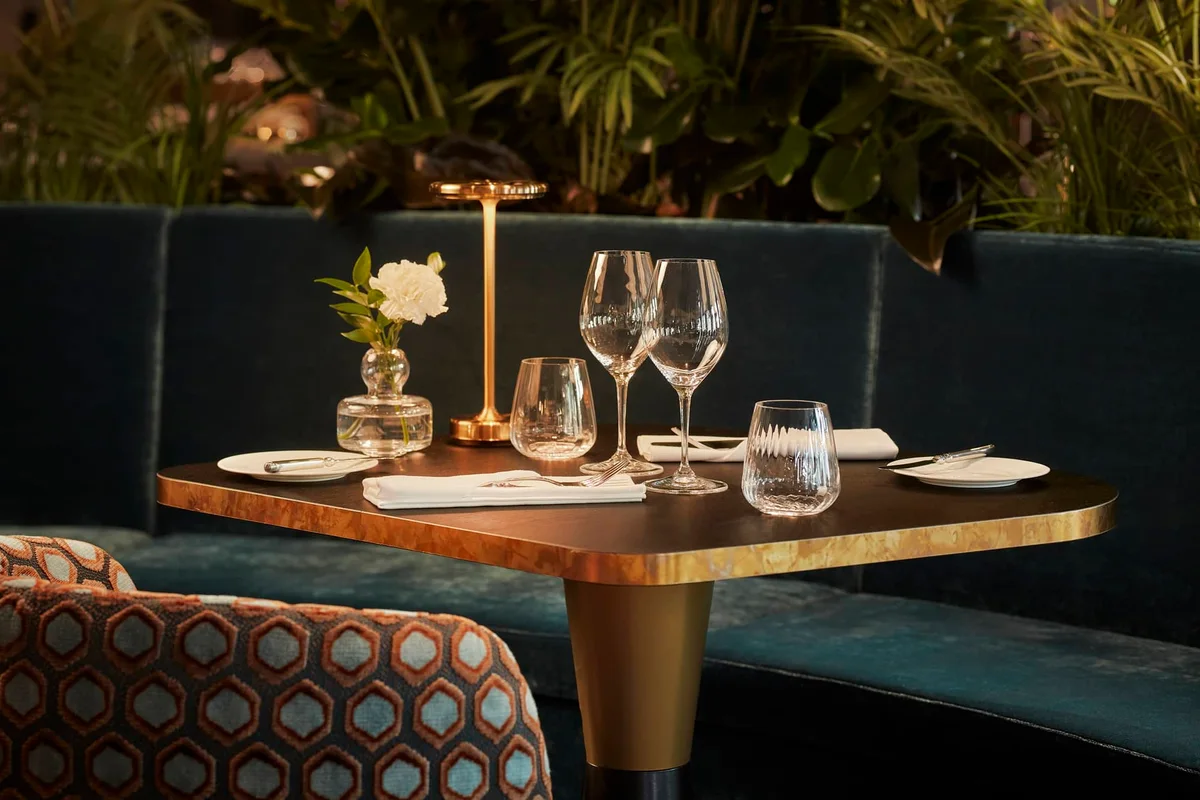
Dining chairs should be selected together with table size, table base, booth seating and aisle spacing. A chair with arms may collide with the tabletop. A thick upholstered chair may reduce the number of seats at a table. A metal chair may look disconnected if the dining room uses warm wood booths and soft lighting.
Start with layout. Confirm how many seats are needed, where booths are placed, how staff move and how chairs are pulled out. Then review chair width, seat height, back height and finish. Chairs should support the restaurant concept without reducing practical capacity.
For mixed seating layouts, keep a shared design language. A wood chair, upholstered booth and metal table base can work together if the color, finish and proportions are controlled. If every piece comes from a different style direction, the dining room can look unplanned.
Buyers should also review how chairs look when pushed in. Some chairs look good in an open product image but appear too bulky under the table. Others have a back height that blocks sight lines across a cafe or hotel breakfast room. A simple layout mockup or sample table test can prevent these issues before bulk production.
Durability and Cleaning Considerations
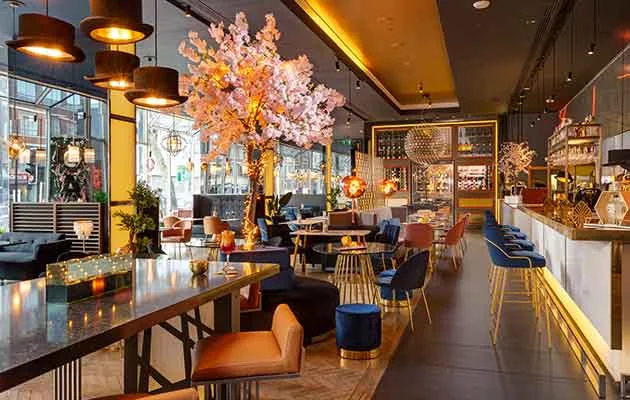
Durability is not only frame strength. It includes upholstery wear, cushion recovery, leg glide quality, finish resistance, joint stability and how easy the chair is to clean under daily pressure. Buyers should ask how the chair performs after repeated movement and cleaning.
Cleaning matters because chairs sit close to food and drinks. Vinyl and metal are usually easier to wipe. Fabric needs stronger specification and a cleaning plan. Wood finishes should not be damaged by normal wiping. Chair glides should protect flooring and reduce noise.
Before a bulk order, test one or more samples in the real dining area. Move the chair, clean it, place it under the table, check the aisle and let staff handle it. Staff feedback is useful because they will reset and clean the chairs every day.
A good sample test should include a sitting test by different users, a cleaning test on the seat material, a floor glide check and a table clearance check. For upholstered chairs, press the cushion edge and backrest to see whether the foam recovers. For wood or metal chairs, inspect joints, welds, screw points and the underside of the seat.
Common Mistakes When Buying Dining Chairs in Bulk
The most common mistake is choosing chairs only from front-view images. A chair must be reviewed from the side, back and underside. Buyers should check frame construction, leg angle, seat thickness and how it fits under the table.
Another mistake is ignoring weight. A very heavy chair may feel durable but slow down staff. A very light chair may move easily but feel unstable. The right balance depends on restaurant type and floor surface.
Buyers also forget replacement planning. If a chair uses a unique fabric, special finish or unusual leg glide, later replacement may be difficult. Record finish codes, upholstery codes and hardware details after sample approval.
Another bulk-order mistake is mixing too many chair models in one small space. Variety can make a restaurant feel designed, but too many dimensions and finishes make purchasing, installation and replacement harder. Use a primary chair for most tables, then add a secondary chair or armchair only where the layout and budget justify it.
Project Buyer Checklist Before Ordering
| Checklist item | What to prepare | Why it matters |
|---|---|---|
| Restaurant type | Cafe, fast casual, fine dining, hotel or banquet | Defines comfort and durability level |
| Table size | Top size and table height | Confirms chair fit and guest comfort |
| Seat height | Measured finished seat height | Prevents awkward dining posture |
| Chair width | Overall width and arm width if any | Controls seating capacity |
| Upholstery material | Vinyl, fabric or leather-look reference | Affects cleaning and comfort |
| Frame material | Wood, metal or aluminum | Affects durability and style |
| Color reference | Finish and fabric swatches | Keeps batch production consistent |
| Quantity | Chair count by area | Supports pricing and production planning |
| Stackable requirement | Yes, no or partial | Supports storage and event reset |
| Sample requirement | Physical sample or finish sample | Confirms quality before bulk order |
If you already have tables, send table height, top size and dining layout. HUAXUAN can review chair width, seat height and material direction before quotation.
FAQ
What makes commercial dining chairs different from home dining chairs?
Commercial dining chairs need stronger frames, durable upholstery, stable finishes and cleaning-friendly details because they are used and moved more frequently than home chairs.
What seat height should restaurant dining chairs use?
Many dining chairs use a seat height around 18 inches, but buyers should confirm the final height with the actual table and cushion thickness.
Are upholstered dining chairs good for restaurants?
Yes, upholstered chairs work well for hotel restaurants, fine dining and longer meals when the upholstery is commercial grade and easy enough to clean.
How do I match dining chairs with tables?
Check table height, apron clearance, chair width, arm height and dining layout. The chair should slide comfortably and leave enough aisle space.
Should restaurants order chair samples before bulk production?
Yes. Samples help buyers test comfort, cleaning, stability, finish quality and fit with the actual dining table before placing a bulk order.
Send Your Restaurant Style and Quantity for Chair Suggestions
Commercial dining chairs should be chosen through measurements, materials and real use conditions, not only through style images. The right chair supports comfort, cleaning, seating capacity and the restaurant’s visual identity.
Before ordering, prepare the restaurant type, table sizes, chair quantity, layout, material preference and sample requirements. A clear specification helps HUAXUAN review commercial dining chair options with fewer revisions.
For chain restaurants, hotels or multi-location cafe projects, keep the approved commercial dining chairs standard in a simple file with photos, dimensions, material codes and replacement notes. That record protects consistency when the next branch, floor or dining area needs more chairs, and it makes repeat orders easier for purchasing teams. It also helps operations teams identify the correct replacement chair if a dining area is refreshed months after the original installation. When several chair finishes are used, label them by dining zone so future orders do not mix the wrong frame, seat or upholstery. Keep the final approved sample tag with the purchasing documents for later audits. This protects future purchasing decisions.
Share restaurant type, table sizes, layout, target quantity and chair reference photos. HUAXUAN can review commercial dining chair options for your project.