
Sourcing Sofa Beds?
Browse HUAXUAN sofa bed references or send a model code, quantity and destination for quotation review.
Quick Answer: Is Corduroy Good for a Sleeper Sofa?
A corduroy sleeper sofa can be a sound choice when the selected fabric and the finished sofa bed are specified together. Corduroy is a ribbed pile textile, not a single durability grade. Check fiber, weight, backing, seam strength, abrasion data, cleaning instructions and the areas that touch a moving mechanism. Approve a physical swatch and an operating sample before committing to a wholesale batch. A corduroy sofa bed that looks attractive when closed still needs to perform through repeated seating, opening and closing.
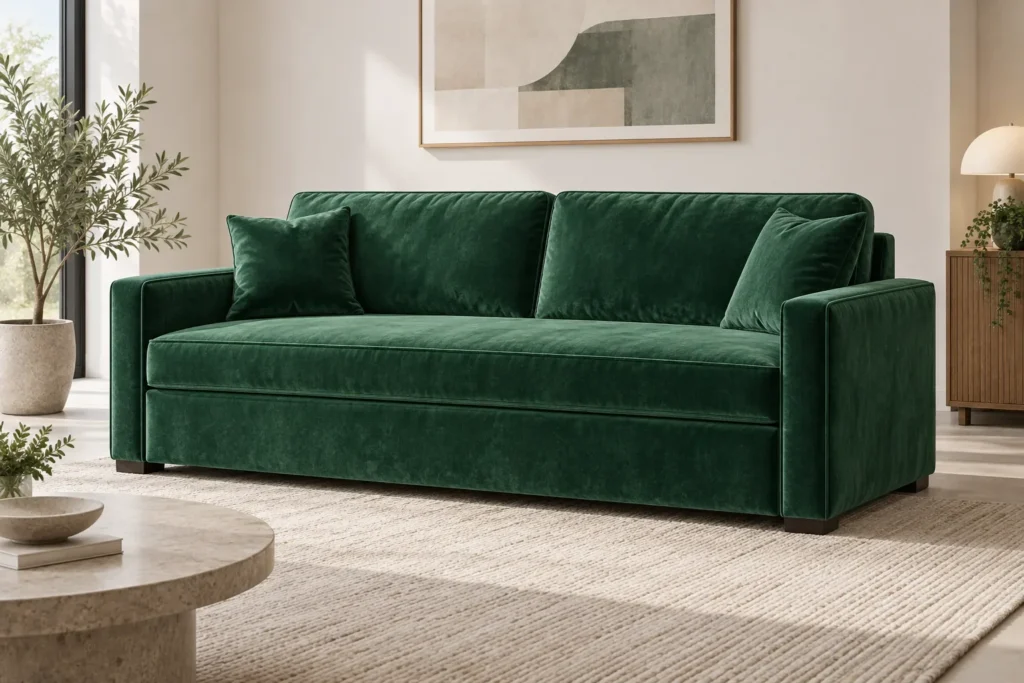
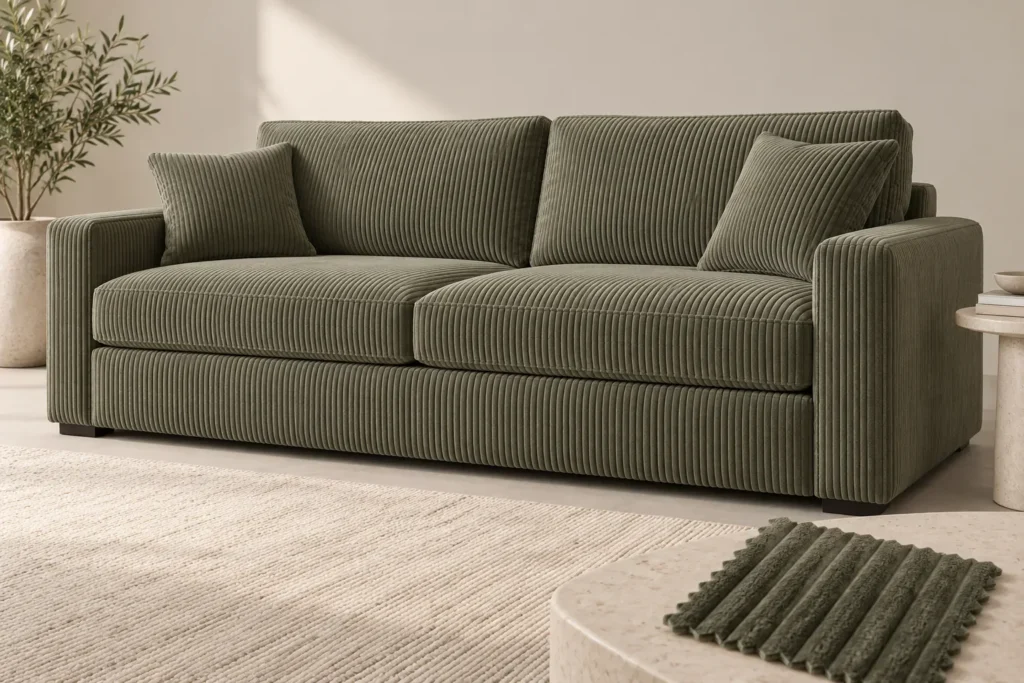
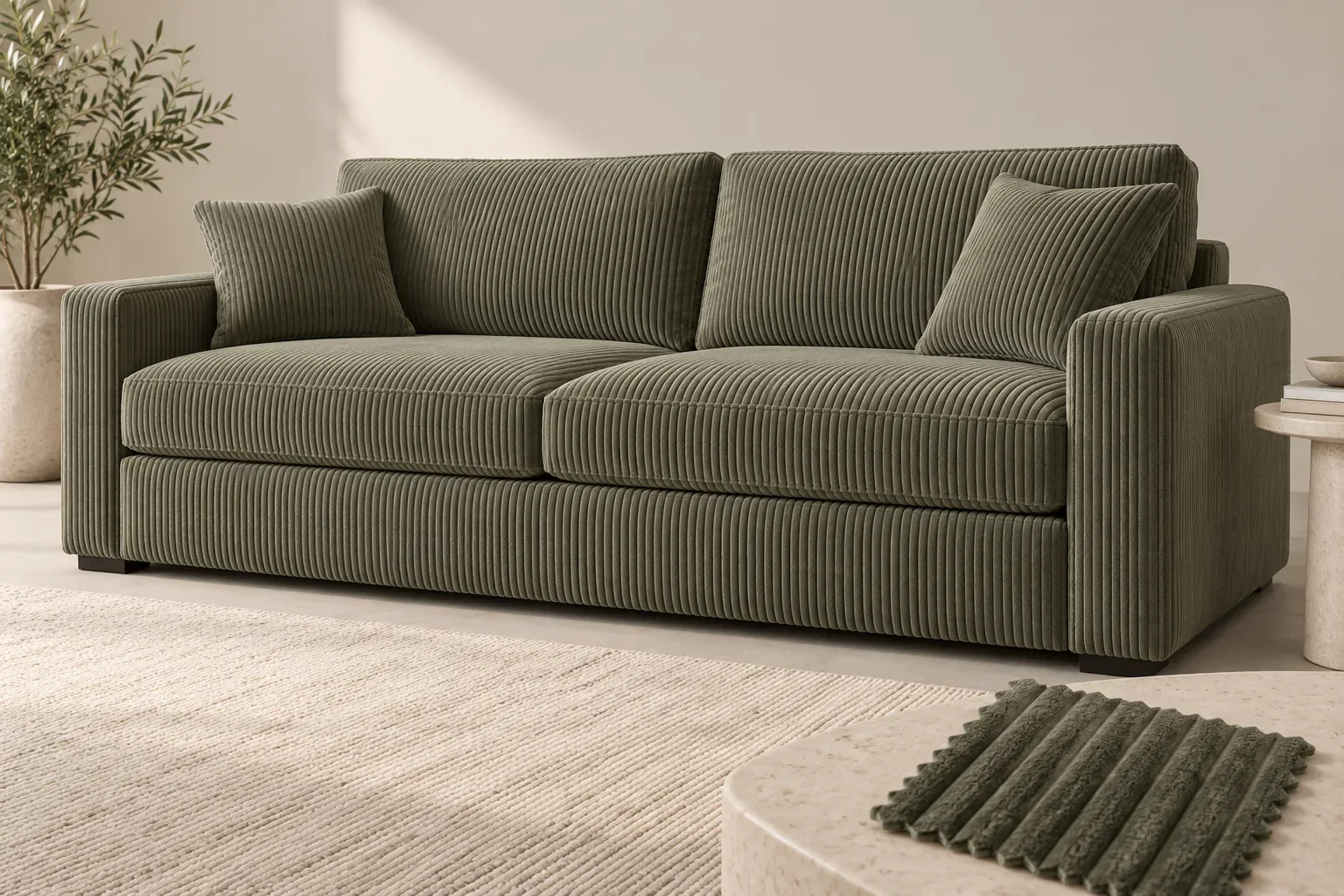
This guide treats corduroy as an upholstery decision within sleeper sofa construction. The illustrations show generic editorial concepts, not stocked HUAXUAN corduroy models. For available designs and development discussions, start with the sofa bed collection and confirm the proposed material on a sample.
What Is Corduroy Upholstery?
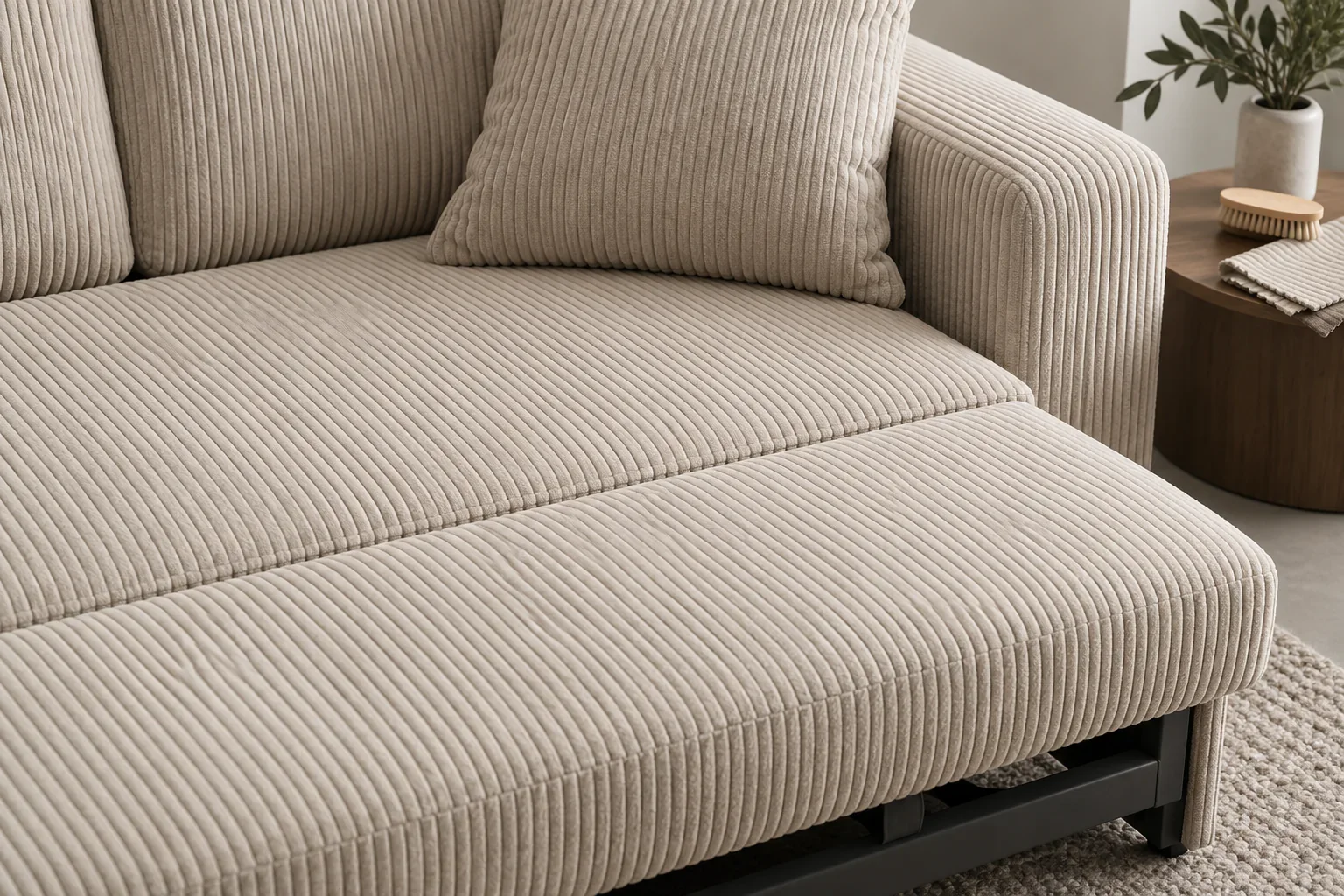
Corduroy has raised, parallel ribs called wales. The ribs are formed by cut pile or a comparable pile construction, so light and touch change across the surface. Fine-wale corduroy has narrower, more closely spaced ribs; medium-wale sits between fine and broad; wide-wale makes the channels a strong visual feature. A product photo should show those ribs clearly. A flat woven sofa should never be described as corduroy simply because it has a textured surface.
Corduroy upholstery can vary in fiber composition, pile height, backing, stretch, finish and total fabric weight. A fabric name or color does not reveal those properties. Ask for a supplier code and the fabric specification that will be used for production. Inspect a swatch in the actual lighting and orientation planned for the finished sofa. Depending on the wale and the way panels are cut, adjacent surfaces can show different shading even when they came from the same roll.
On a sleeper sofa, upholstery covers a product with moving parts. That makes panel placement and fabric clearance as important as the hand feel. A cord sleeper sofa with a separate pull-out mattress has different textile contact points from a convertible sofa whose upholstered cushions become the bed. Identify which surfaces are for sitting, sleeping, folding and occasional contact with hardware before deciding that a particular corduroy is suitable.
Corduroy Sleeper Sofa vs Regular Fabric Sleeper Sofa
“Regular fabric” covers many woven and knitted textiles. The comparison uses a typical flat woven upholstery as a reference, not a universal performance claim. Both options need the same finished-product review. The corduroy difference is the raised ribbed pile and the extra attention needed for directional cutting, appearance and contact areas.
| Buyer question | Corduroy upholstery | Typical flat woven upholstery |
|---|---|---|
| Texture | Raised ribs and pile create a pronounced hand | Surface texture comes from yarn and weave |
| Appearance | Strong rib pattern; shading can change with direction | Pattern or weave may be more visually even |
| Pile direction | Record wale and nap orientation for each panel | Record any weave or print direction where relevant |
| Seam visibility | Mismatched rib alignment can emphasize a seam | Pattern or yarn alignment may emphasize a seam |
| Cleaning | Follow care instructions for the chosen pile fabric | Follow care instructions for the chosen fabric |
| Abrasion | Request test data for the named corduroy | Request test data for the named weave |
| Wrinkle appearance | Pile and ribs can make pressure marks more visible | Wrinkling depends on fiber and construction |
| Mechanism contact | Check pile crushing and snagging at moving interfaces | Check rubbing and surface wear at moving interfaces |
| Commercial use | Suitability depends on specification and assembled sample | Suitability depends on specification and assembled sample |
| Batch consistency | Control lot, wale direction and cutting orientation | Control lot, color and any pattern repeat |
Fine-Wale vs Wide-Wale Corduroy
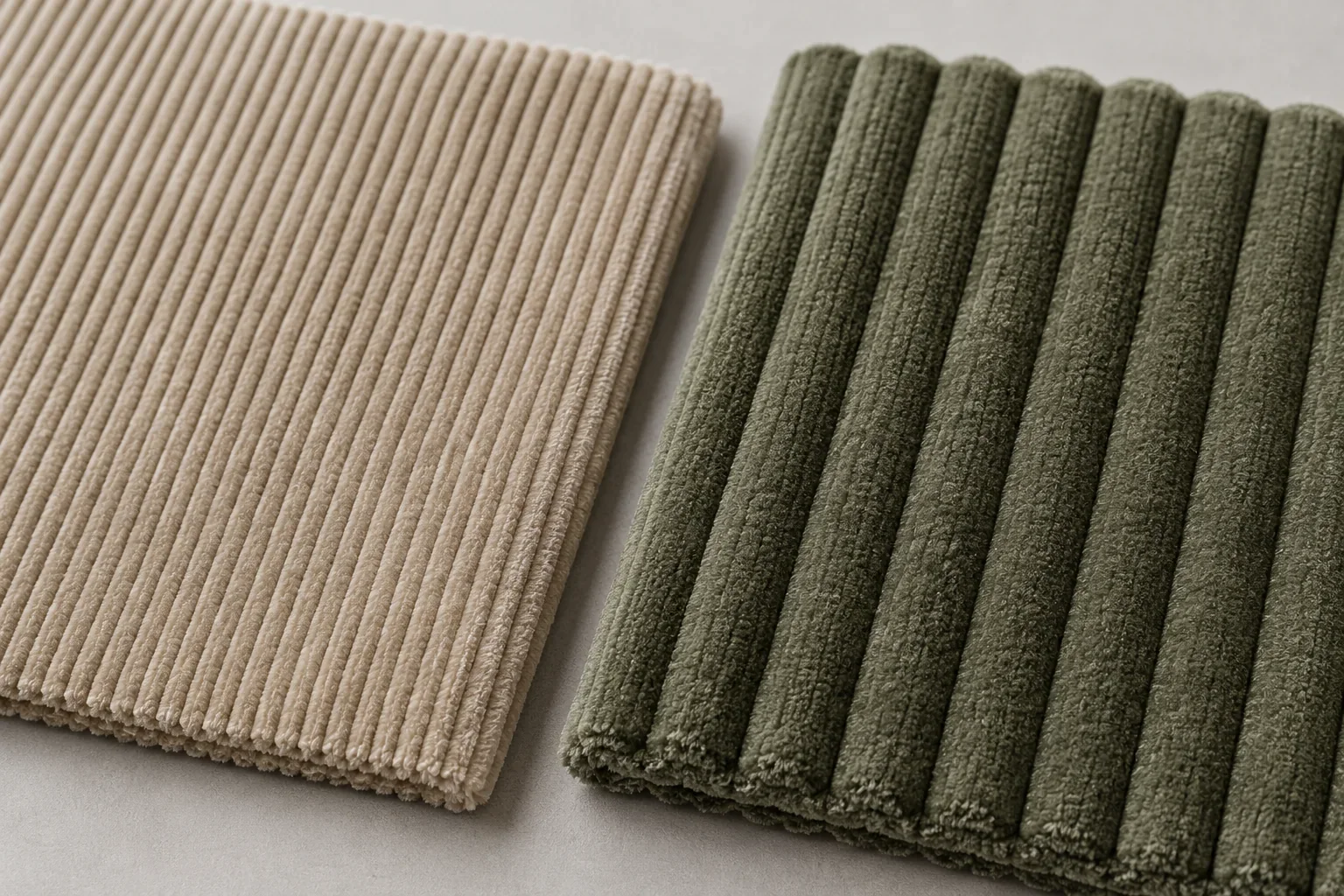
Fine-wale corduroy generally reads as a smaller, more even texture from a distance. Its narrow ribs may suit a tailored silhouette where broad stripes would dominate the design. Wide-wale corduroy gives a more obvious rib pattern and a casual, tactile impression. Shadow and pressure differences can be easier to see across its wider channels. Medium-wale can offer a middle ground, but visual preference is only one part of the decision.
Neither fine nor wide wale is automatically more durable. Fiber content, weight, backing, yarn structure, pile anchoring, finish, abrasion performance and seam behavior all matter. Compare the actual candidate textiles against the same target use and test method. Do not infer a longer service life from a thicker-looking rib. Review how each candidate drapes over arms, corners and fold lines on an upholstered sample; a flat swatch alone cannot show those transitions.
For a corduroy corner sofa bed or sectional sofa bed, directional ribs can cross several modules. Decide whether the wales should run consistently on seat panels, chaise, arms and back. A single panel turned ninety degrees may be an intentional design choice, but it should appear in the approved cutting plan. Loose or reversible cushions need an orientation plan as well, especially if users may rotate them during cleaning.
Corduroy and Sleeper Sofa Mechanisms
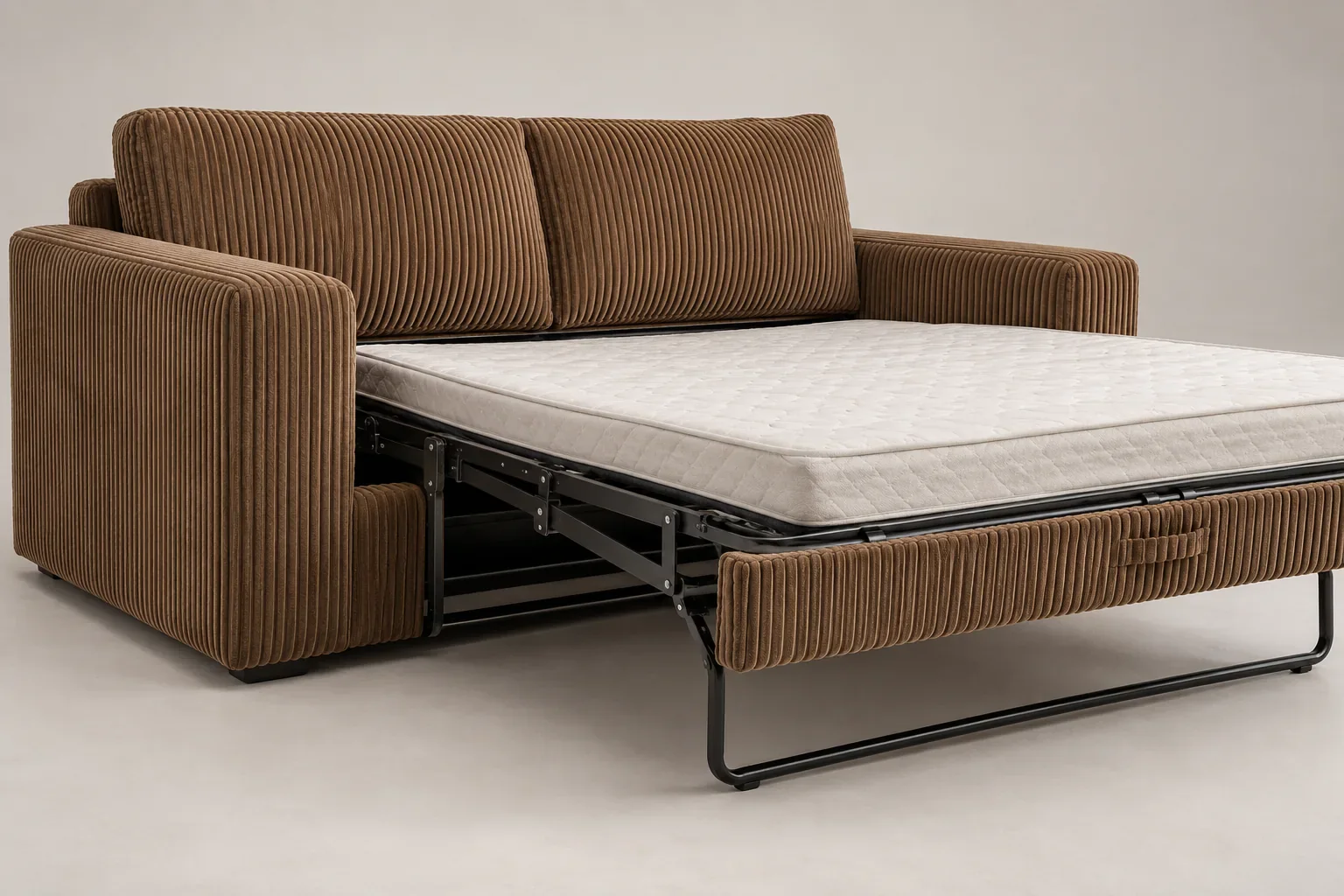
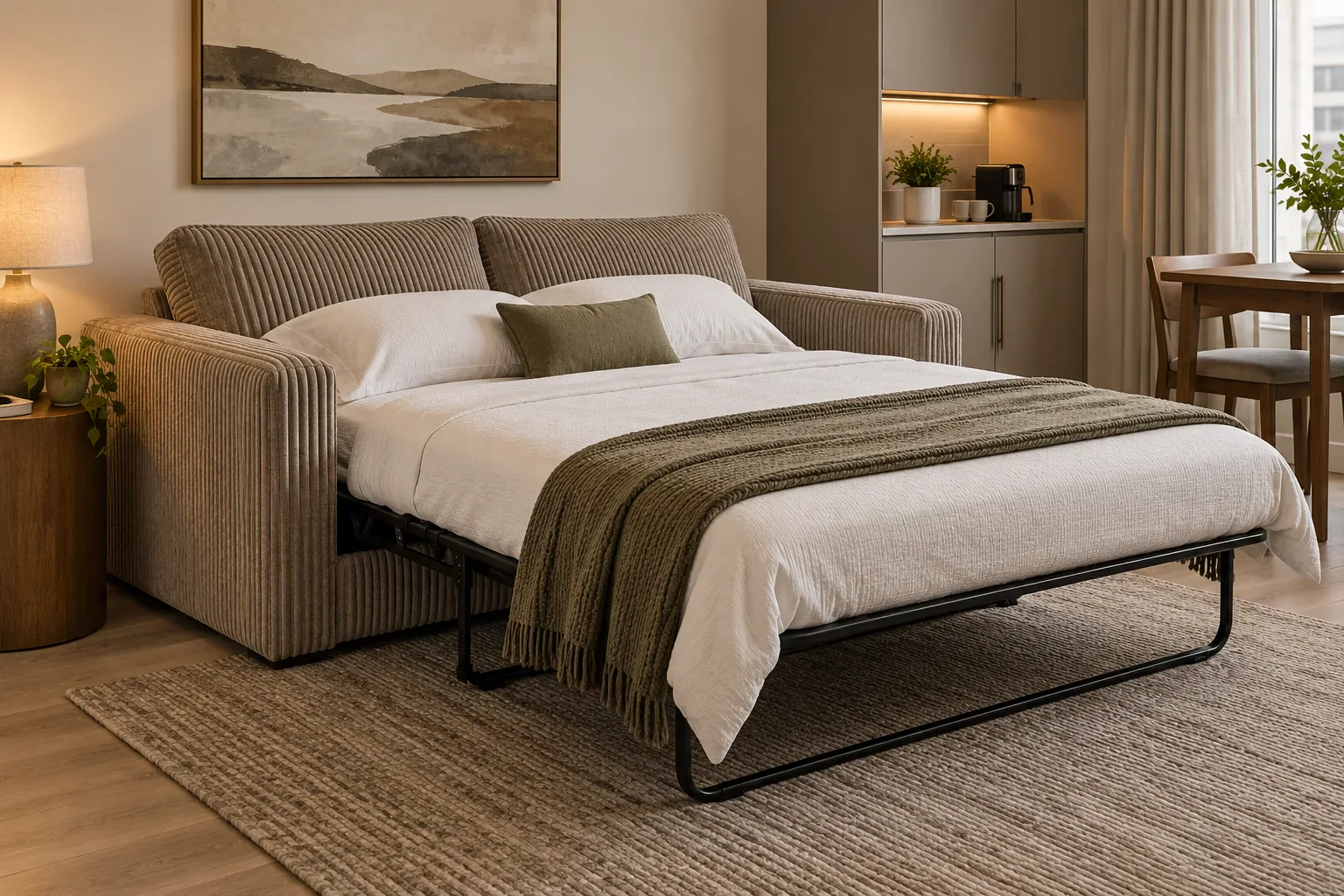
A sleeper mechanism adds moving components, folding surfaces, seat travel and possible pull-out travel. Fabric can contact a rail, hinge cover, deck or neighboring upholstered panel while the sofa converts. Inspect the closed state, intermediate positions and fully open state. Watch where the pile rubs, where excess fabric gathers and whether a seam crosses a high-friction point. Clearance needs to be checked on the real prototype rather than assumed from a rendering.
Pile can flatten at repeated contact points even if the base fabric remains intact. Raised ribs can also catch if an edge or fastener is exposed. Check fabric clearance around pivoting seat sections, underside panels and mattress-frame interfaces. A protective internal covering or revised seam position may be appropriate in one design, but the choice depends on the mechanism. Avoid making a universal construction claim for every corduroy pull out sofa bed.
The sofa must still be practical to operate. Upholstery should not be pulled tight across a folding joint or left loose enough to enter a pinch zone. Ask the supplier to demonstrate several conversions on the upholstered sample. Record visible rubbing and any adjustment made before final approval. The sofa bed mechanism guide explains broader mechanism families; this article focuses on what the corduroy adds to the review.
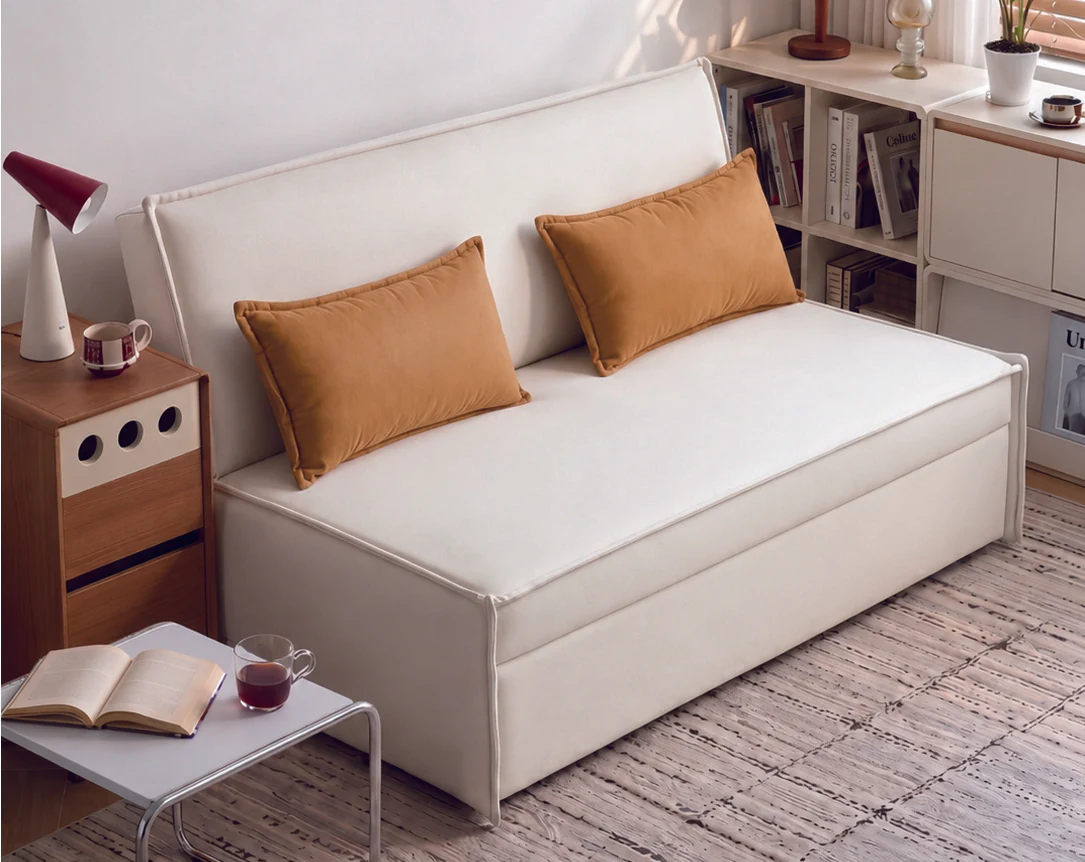
Related Sofa Bed Models
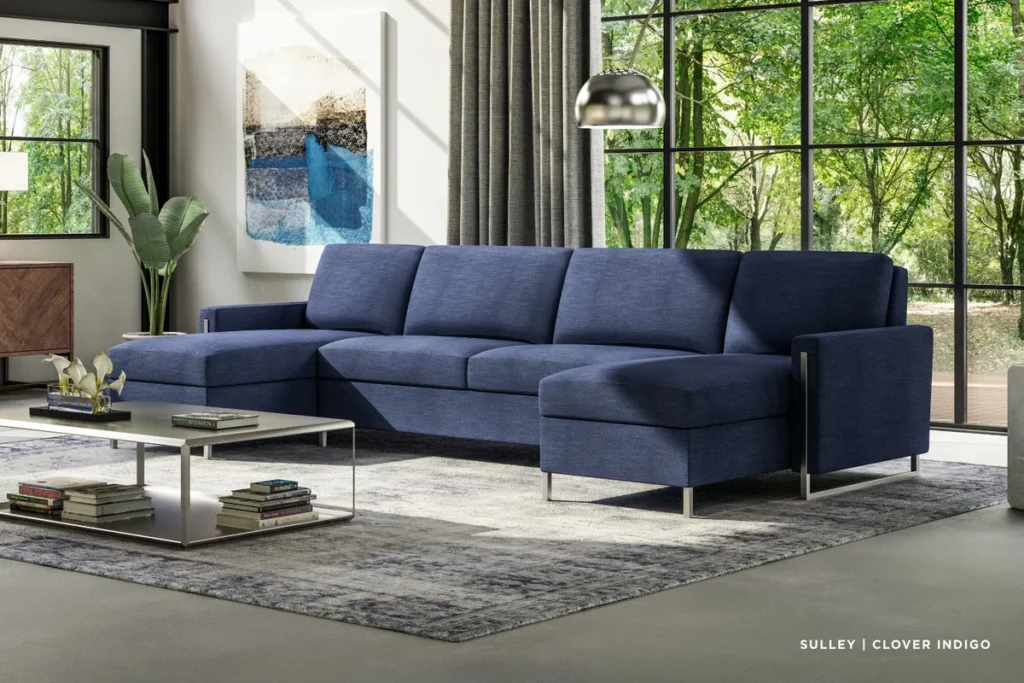
Compare these references alongside the guide. Confirm the selected configuration before ordering.

Corduroy Durability for Commercial Furniture
Commercial suitability is a combined judgment about fabric, seams, cushions, frame, mechanism and the planned maintenance routine. Ask for abrasion results for the exact textile using the named test method, but do not treat a single number as a guarantee of life. The selected fabric also needs sufficient seam strength and stability when wrapped around the sofa geometry. Inspect rib definition and pile recovery after repeated sitting and conversion on a sample.
Snagging and pile flattening deserve separate attention. A fabric that resists general abrasion can still show pressure marks or catch at exposed hardware. Compare likely touch points: front seat edge, arms, cushion corners and conversion folds. If a proposed product is for serviced apartments or hospitality, define the expected seating and sleeping frequency. A design that sees occasional guest use is not evaluated the same way as one that converts daily.
Stain resistance and cleaning cannot be assumed from the corduroy label. Request the selected textile’s care instructions and any documented finish. Confirm whether routine cleaning staff can use those methods without saturating cushions or damaging pile. A removable cover may simplify some maintenance, but it changes the construction brief and should be confirmed on the offered design. The sofa bed quality inspection checklist provides a wider factory-review framework.
Corduroy Colors and Batch Consistency
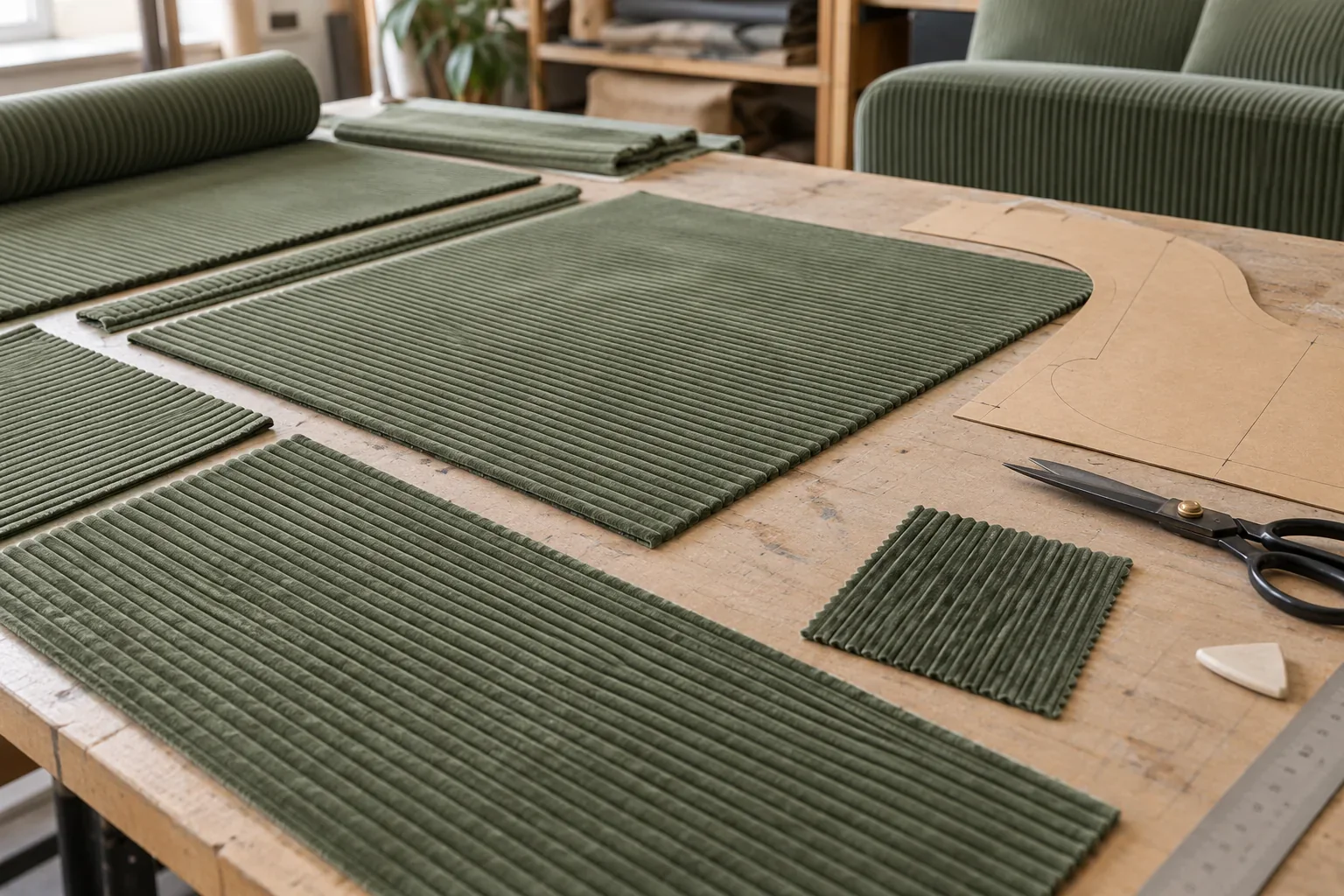
Beige, brown, green, grey and blue corduroy can each look different as light runs along or across the wales. For bulk furniture, consistency matters more than a color inspiration board. Approve a physical color and fabric code, then record supplier, dye lot, fabric lot, roll direction and cutting orientation. Use the same reference for incoming material, finished sample and batch inspection. A photograph on a screen cannot reliably replace that record.
If panels come from different lots, their shade or rib definition may vary. Even one lot can look mismatched when pile direction changes between adjoining panels. A cutting map should show the orientation for back, arms, seat, side panels and loose cushions. Mark the approved orientation on work instructions. For later reorder quantities, confirm whether the original fabric remains available and whether new lot approval is required.
Corduroy Sleeper Sofa vs Velvet Sofa Bed
Both are pile fabrics, but corduroy has visible parallel ribs while velvet usually presents a smoother continuous pile. The choice affects the design appearance and the way direction changes are noticed. Neither name establishes commercial performance. See the separate velvet sofa bed guide for that material’s more detailed buying questions.
| Factor | Corduroy sofa bed | Velvet sofa bed |
|---|---|---|
| Surface texture | Ribbed pile with visible wales | Usually smoother, continuous pile |
| Pile appearance | Channel structure is prominent | Sheen and nap are prominent |
| Shading | Direction and wale width affect shadow | Nap and viewing angle affect sheen |
| Cleaning | Use selected corduroy care method | Use selected velvet care method |
| Visual style | Tactile, often casual or tailored by wale | Often smoother and dressier |
| Commercial application | Qualify actual textile and finished sample | Qualify actual textile and finished sample |
| Mechanism considerations | Watch rib crushing, snagging and seams | Watch pile compression, rubbing and seams |
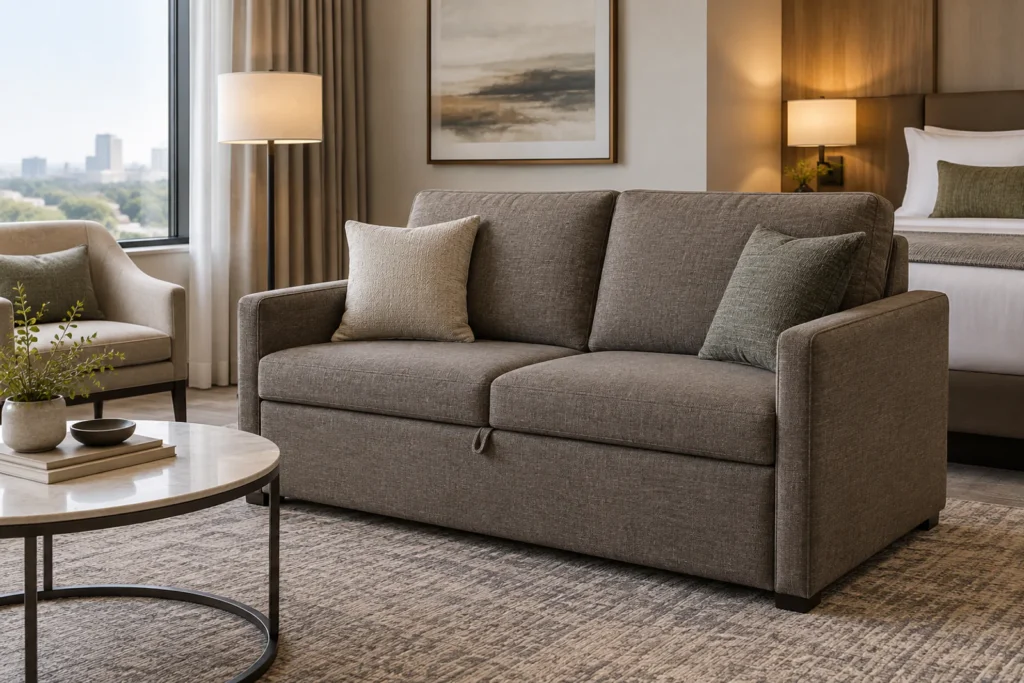
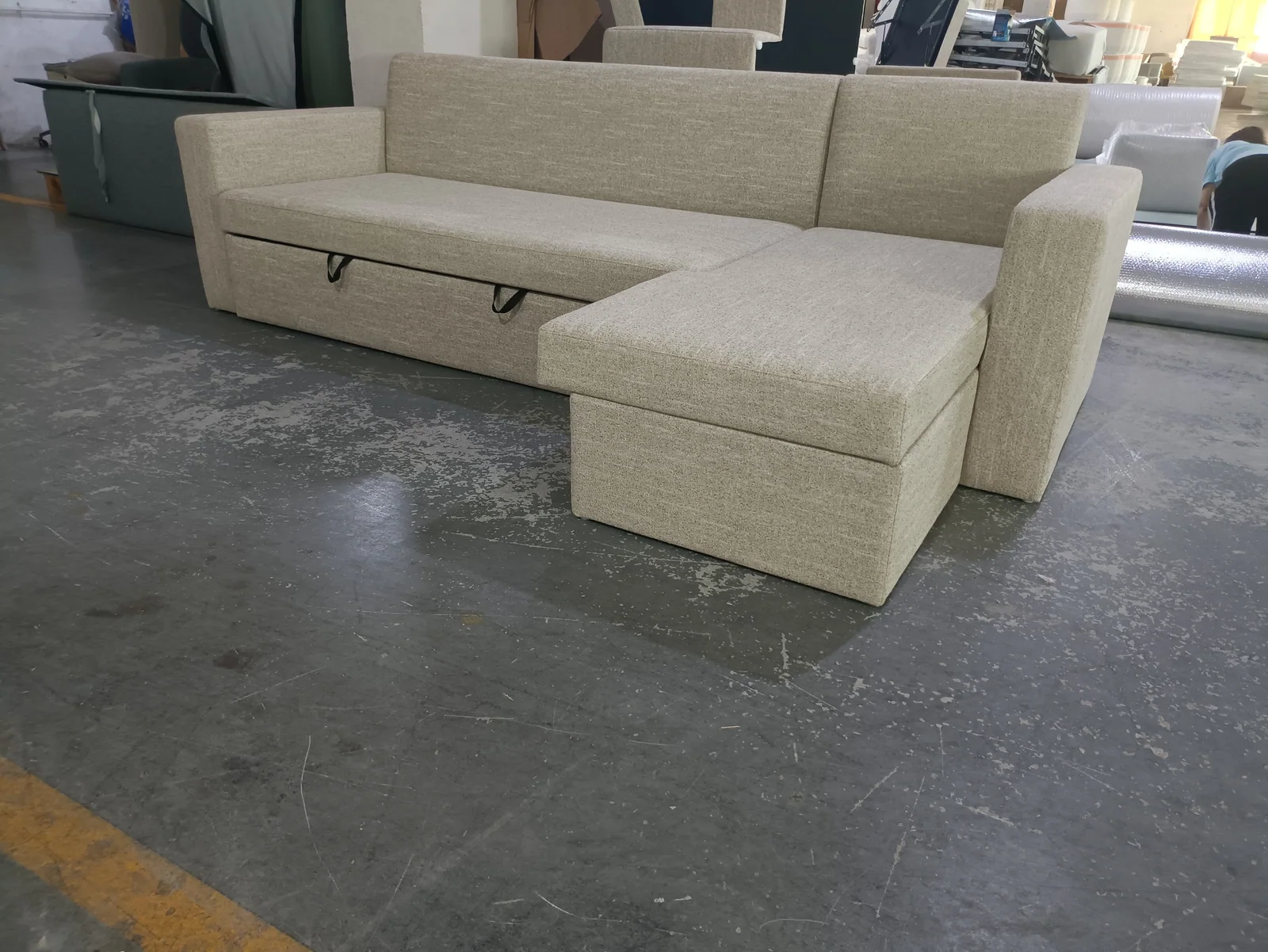
A related grey fabric pull-out sofa bed reference illustrates an upholstered sleeper structure. Its current fabric is not presented as corduroy. Use it only to discuss a possible construction and ask whether a proposed corduroy can be integrated with that kind of mechanism. Product photos are evidence of the shown model, not proof of a different material option.
What Wholesale Buyers Should Specify
An RFQ should define the surface, the sleeper and the use case. Include the selected swatch and an image of the desired silhouette, but support both with written dimensions and mechanism requirements. State which characteristics are fixed and which can be developed. Ask for approval of an operating sample before a production batch is released.
- Fabric supplier, composition, code and wale size.
- Fabric weight or GSM where supplied, backing and care instructions.
- Exact color swatch, dye lot and required batch consistency.
- Named abrasion or other performance requirement for the target market.
- Overall sofa width, depth and height, plus sleeping surface size.
- Sleeper mechanism, open footprint and conversion frequency.
- Seam placement, pile direction, rubbing and pinch-zone review.
- Quantity, destination market, packaging and expected use.
- Physical material swatch and upholstered operating-sample approval.
Document decisions after sampling. If the supplier proposes a material substitution, compare it against the same approved criteria instead of accepting a matching color name. When several colors are ordered, keep each material code and lot record distinct. Sample photographs can help communicate details, but preserve the physical reference for dispute resolution. The goal is a repeatable specification that purchasing and production can both understand.
Frequently Asked Questions
Is corduroy good for a sleeper sofa?
It can be, if the selected corduroy meets the intended upholstery requirements and works around the moving sleeper structure. Review fabric data, care, seams, contact points and an operating sample. Corduroy by itself is not a durability rating.
Is corduroy durable enough for commercial furniture?
Some specifications may suit commercial use, but the decision depends on the named textile and finished construction. Ask for relevant test information and inspect pile flattening, seam strength, snagging and cleaning practicality under the planned use.
Does corduroy flatten over time?
Raised pile may compress at repeatedly loaded or rubbed areas. The amount and recoverability vary by textile and construction. Assess the actual candidate fabric and finished sofa rather than promising that all pressure marks will disappear.
Is corduroy harder to clean than regular fabric?
Care differs by fabric code. Ribs and pile can make some debris or marks more visible, but a flat weave may have its own restrictions. Follow the chosen material’s instructions and test the agreed maintenance process.
Can corduroy be used on pull-out sofa beds?
Yes, when clearance, seam positions and pile contact are managed on the upholstered prototype. Inspect the entire conversion path, especially folds, rails and pinch areas. A separate mattress has its own material specification.
What should wholesale buyers confirm before ordering corduroy sleeper sofas?
Confirm composition, wale size, fabric and color code, swatch, performance information, care, mechanism, exterior and sleeping dimensions, quantity, target market and lot-control method. Approve an operating sample and record any allowed substitution.
Need Pricing for a Sofa Bed Model?
Send the model code, quantity, required size, upholstery and destination. We can review the selected reference before quotation.