

If you enjoy sitting upright, you may prefer less initial sinking. If you curl up or stretch out, a more yielding surface may appeal. Neither preference establishes product quality. The useful question is how the sofa feels during your normal use, rather than how hard the cushion feels under one hand.
What Does Sofa Firmness Actually Mean?
Sofa firmness describes resistance to compression: how readily the upholstery gives when you sit. Comfort is your response to that resistance, combined with posture, contact points and movement. Support describes how the seating system carries you as you settle. These ideas are related, but they are not interchangeable.
A cushion can have a soft top layer and a more resistant core. Another can feel firm immediately yet leave an uncomfortable pressure point at its front edge. Both experiences disappear behind a simple “soft” or “firm” label. Describe what happens during sitting instead: gentle initial give, deeper sinking, a supported resting position, or contact with a hard rail.
Also separate the seat from the back. A yielding back cushion can make a relatively resistant seat feel relaxed. A deep seat that leaves your back unsupported can feel unsatisfactory even when its cushion firmness suits you.
Firm vs Medium vs Soft Sofa Cushions
The following descriptions are starting points for comparison, not calibrated grades. Ask what a seller’s firmness scale refers to and try the offered configuration. A “medium” cushion from one collection need not match another.
| Feel direction | What you may notice | Potential advantage | Possible drawback |
|---|---|---|---|
| Soft | More surface give and a more enveloping sit | Can suit curling up and relaxed lounging | Deep sinking may make changing position less convenient |
| Medium | Noticeable cushioning with a more defined resting position | A useful comparison point for mixed sitting preferences | The label alone does not tell you the seat depth or actual response |
| Firm | Less initial sinking and a more elevated feeling on the seat | Can suit people who prefer a more upright, less enveloping sit | May feel unforgiving at particular contact points |
Try a neighboring feel as well as the one you think you want. Someone who dislikes a deep, soft sofa may actually dislike its depth rather than softness itself. Comparing a shallower soft seat with a deeper firm one helps reveal that difference.
Why Foam Density Does Not Tell You How Firm a Sofa Is
Foam density measures mass per unit volume. Foam firmness measures resistance under specified compression conditions. The Polyurethane Foam Association’s upholstery guidance treats density and indentation force deflection, or IFD, as separate properties. A higher density foam can still be formulated to feel soft.
If a specification supplies an IFD or ILD value, ask for its units, test method and specimen conditions. A laboratory value for one foam sample is not a comfort score for the finished sofa. Cushion thickness, layering and the surrounding assembly still need attention. Do not compare unexplained numbers as though they came from identical tests.
How Cushions, Suspension and the Back Work Together
The cushion is supported by a deck or suspension, which can also move under load. Cushion wraps and covers affect the first contact with the seat. The back then changes how much you lean away from the seat and where the sofa contacts you. Judging one component in isolation misses those interactions.
For example, a hand pressing a loose foam pad on a solid counter does not reproduce that pad inside its cover on the sofa’s suspension. Likewise, the same cushion in a different seat depth or back angle may produce a different overall experience. Compare the complete upholstered configuration you intend to receive.
The Sofa Frame and Foam Guide explains the construction choices. Here, use those details to investigate a difference you actually notice during sitting, rather than selecting a frame or foam name as a shortcut to comfort.
Choosing Firmness for Everyday Sitting
Begin with your ordinary activity. For conversation or reading upright, sit with your back resting naturally and check whether you keep sliding forward or rearranging cushions. When watching a film, try your usual relaxed position. For a chaise, assess the supported leg position as well as the main seat.
Pay attention to getting up and changing direction. A surface that feels pleasant for the first moment may be inconvenient when you need to stand repeatedly. Conversely, a cushion that initially feels resistant may become comfortable once your weight settles. Give each sample the same reasonable sitting interval instead of deciding after a quick bounce.
If several people share the sofa, have them record their own observations before discussing a favorite. A disagreement is useful information. You may need a compromise, separate seats or a different combination of seat depth and back cushions. One person’s preference should not become an invented universal comfort rating.

How to Compare Two Sofa Samples Fairly
Use a repeatable comparison rather than a harder hand press. The procedure below is a practical buying method, not a laboratory durability test.
- Identify the samples. Record the model, cushion version, upholstery and whether the unit is new or has been used as a display sample.
- Keep the person and posture consistent. Have the same person compare both sofas in the same ordinary sitting position. Remove decorative cushions that are not part of the intended setup.
- Compare initial and settled feel. Note the first impression, then sit for the same agreed interval on each. Alternate between them to make differences easier to remember.
- Check more than one seat. Compare an end and center position where the design provides them. Record differences instead of assuming every position has identical support.
- Describe the result. Record sinking, back contact, front-edge pressure, ease of turning and ease of standing. Keep comfort preference separate from visible defects or unexplained asymmetry.
A useful note says “I remain comfortable upright, but sink farther at the center than at the end.” “Premium firmness” tells the next person little. For a remote purchase, written observations and an operating video can help narrow choices, although they cannot transmit the physical sensation of sitting.
Does a Firmer Sofa Last Longer?
Initial firmness alone cannot establish service life. A sofa’s ongoing performance depends on the complete assembly and its use. The PFA’s furniture performance review distinguishes foam properties and emphasizes evaluation of the whole seating system.
Do not reject a softer sofa simply because it yields, or approve a hard one because it feels substantial. Comfort selection and durability evidence answer different questions. Use the separate Sofa Durability and Quality Checks guide when reviewing construction records and performance evidence for a bulk order.
Firmness for Hotels, Apartments and Commercial Lounges
A hotel reception sofa may serve frequent short visits; an apartment sofa may be used for long evenings. Start with that activity and the expected range of users. Avoid specifying “extra firm for commercial use” without checking whether the resulting sit supports the intended experience.
For a furnished apartment collection, compare the sofa in both upright and relaxed positions. For a reception group, observe repeated sitting, turning toward another person and standing. For a guestroom, include the actual back cushions and nearby table. These checks connect firmness with use without turning the room type into a universal hardness rule.
Real HUAXUAN Sofa References and the Questions to Ask
The following are actual references in the HUAXUAN sofa collection. Their records do not establish tested soft, medium or firm ratings. Photographs illustrate format and appearance; use a selected sample to approve the feel.
| Reference | Published format | Comfort question for the selected sample |
|---|---|---|
| HX-SOF-002 | Grey fabric three-seat sofa | How do the end and center seats compare? |
| HX-SOF-009 | Brown leather-look loveseat | Does the compact seating arrangement suit upright conversation? |
| HX-SOF-010 | Grey fabric sectional | How do the regular seat and chaise feel in their intended positions? |
| HX-SOF-003 | Blue fabric lounge sofa | Does the seat-and-back combination suit the proposed lounge activity? |
Keeping the Approved Feel in a Bulk Order
Importers and distributors should connect the preferred sit to an identifiable physical sample. Retain its revision, cushion layer and cover specification, suspension details and the observations used for approval. A signed photograph records appearance; it does not preserve the sensation by itself.
Agree how production samples will be compared with that reference and how proposed substitutions will be reviewed. Keep the comfort decision with the complete configuration, especially when changing fabric, cushion thickness or seat depth. Send the reference SKU, quantities, intended users and preferred sitting experience through the B2B sofa quotation form.
Frequently Asked Questions
Is a medium-firm sofa best for everyone?
No. It can be a useful starting comparison, but personal preference, seat geometry and the complete seat-and-back response determine whether it suits you.
Can I judge firmness by squeezing a cushion?
That shows local surface resistance. Sit on the finished sofa to assess the cushion, suspension and back together.
Will a new sofa always soften to the right feel?
Do not depend on an unverified promise of future comfort. Ask about the offered construction and display sample’s history, and approve an acceptable sample now.
Can HUAXUAN photographs tell me which model is firmest?
No. The pictured references are not ranked by tested firmness. Request configuration details and a sample comparison before assigning a firmness description to an order.
Image sources and permissions
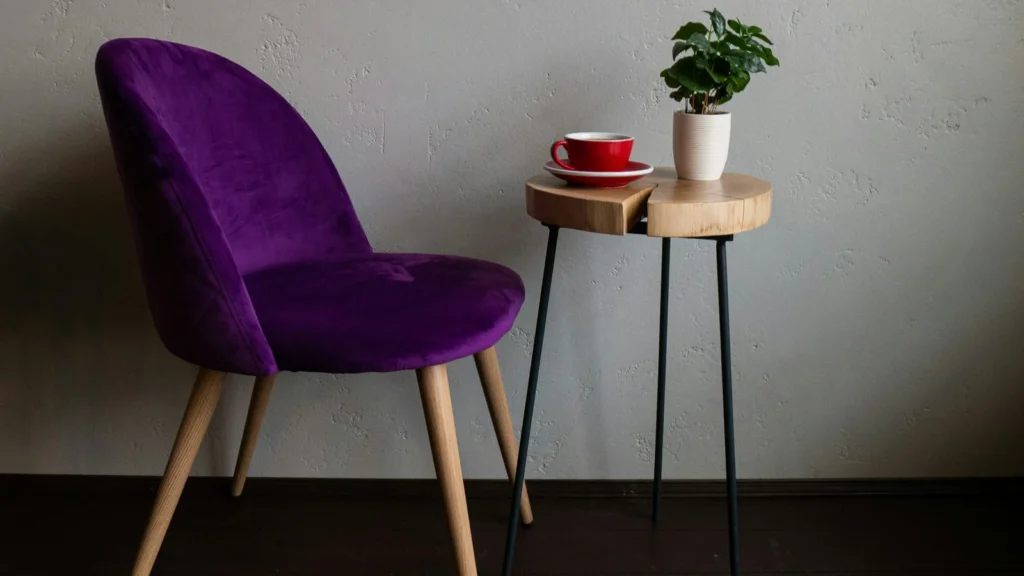
- Pexels / CC0 source: Licensed living-room illustration from Pexels (CC0). The pictured furniture is not a HUAXUAN SKU, and its firmness has not been tested here. Source license.
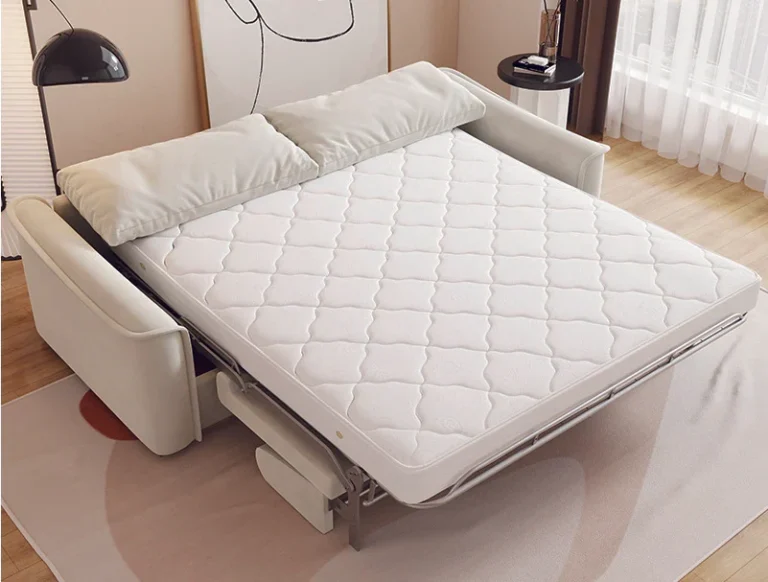
- Nadin Sh / Pexels: Cushion detail by Nadin Sh / Pexels. Appearance does not establish measured firmness. Source license.
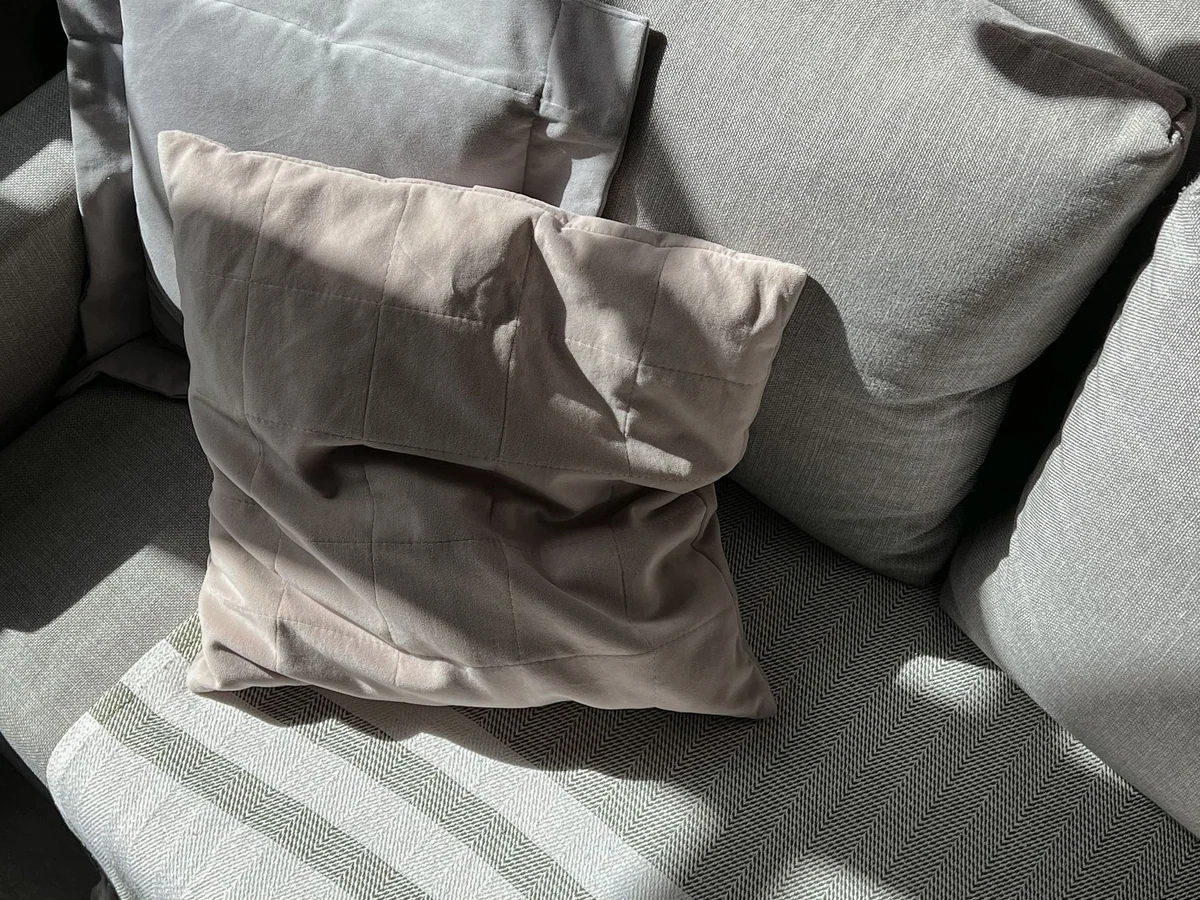
- Max Vakhtbovych / Pexels: Living-room application by Max Vakhtbovych / Pexels. Room illustration, not a HUAXUAN project or a tested comfort comparison. Source license.