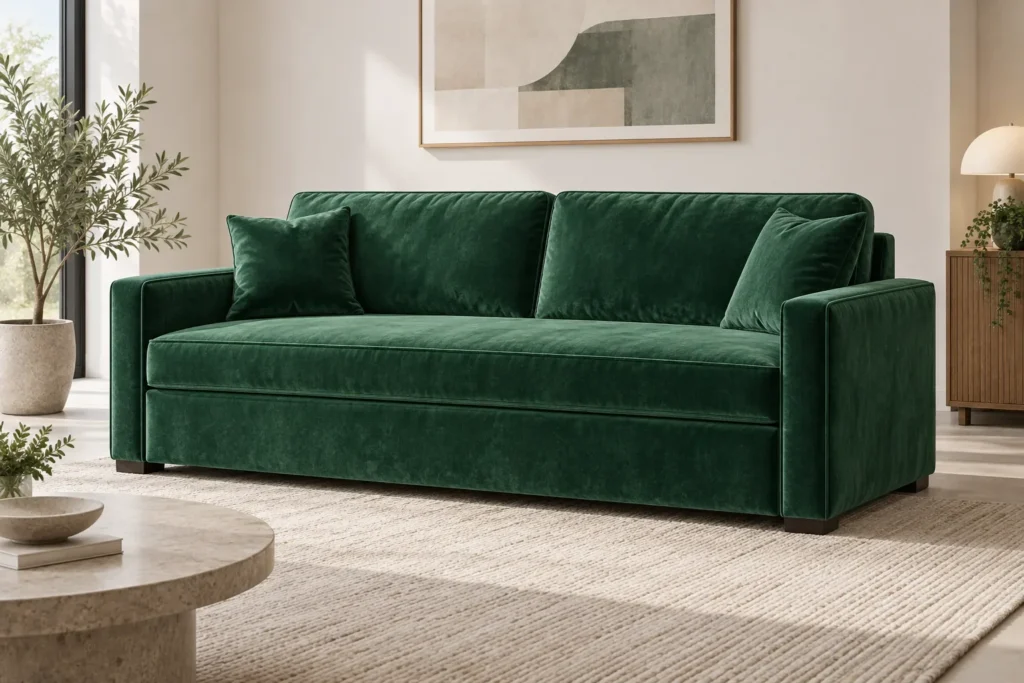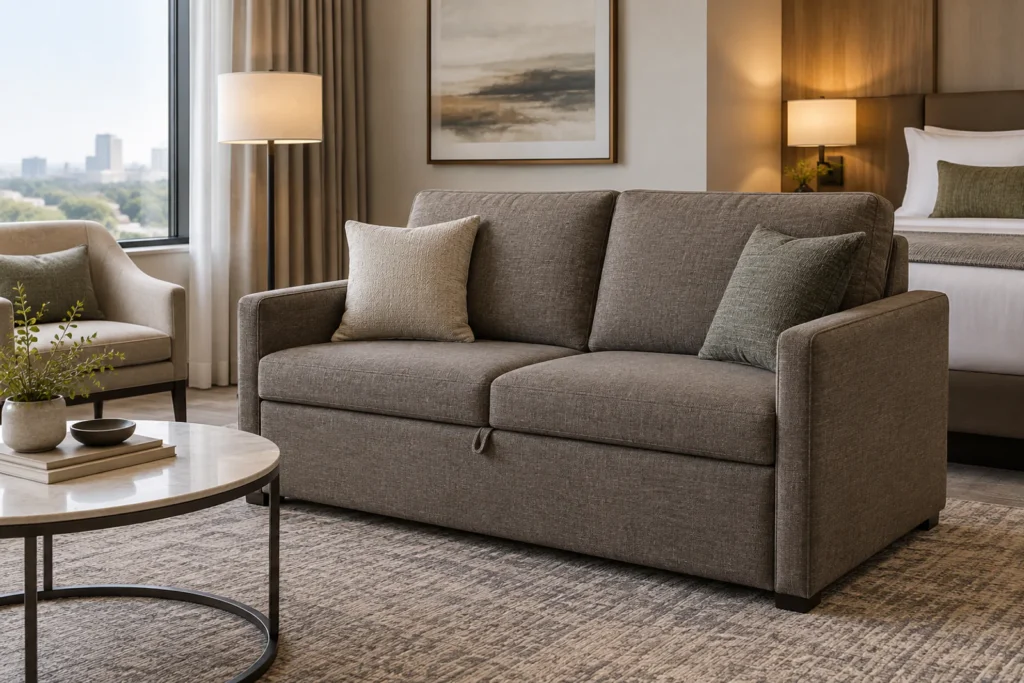

Sourcing Sofa Beds?
Browse HUAXUAN sofa bed references or send a model code, quantity and destination for quotation review.
If you are comparing a leather sofa and sofa bed for a hotel, apartment, office lounge or rental project, treat the product as both upholstery furniture and a mechanism product. A leather sofa bed must look clean in seating mode, convert smoothly, resist frequent cleaning and keep color consistent across bulk orders. Buyers should compare PU leather, microfiber leather, genuine leather option and leather-look upholstery while also confirming closed size, opened bed size, frame, foam, mechanism and expected use frequency.
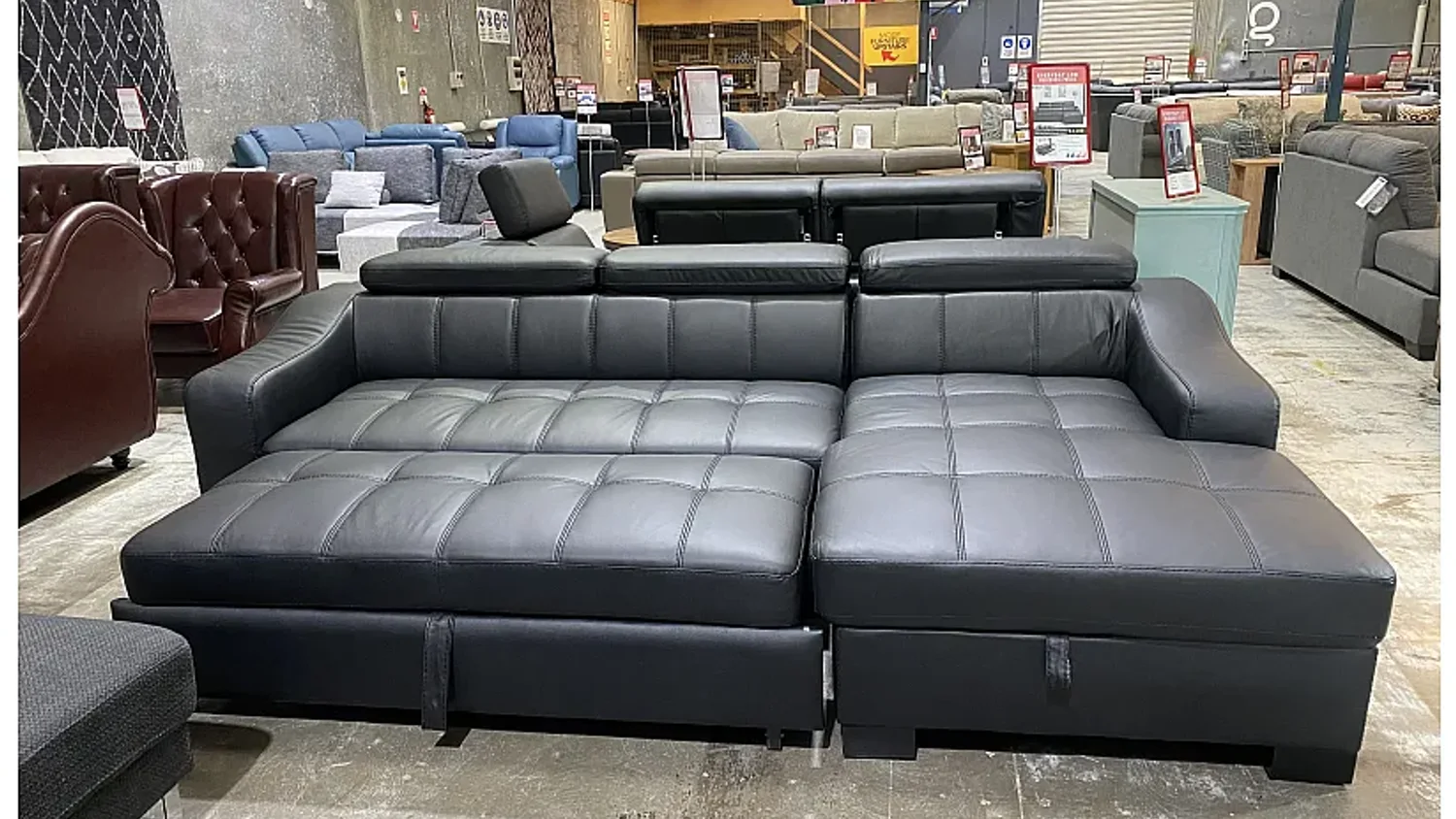
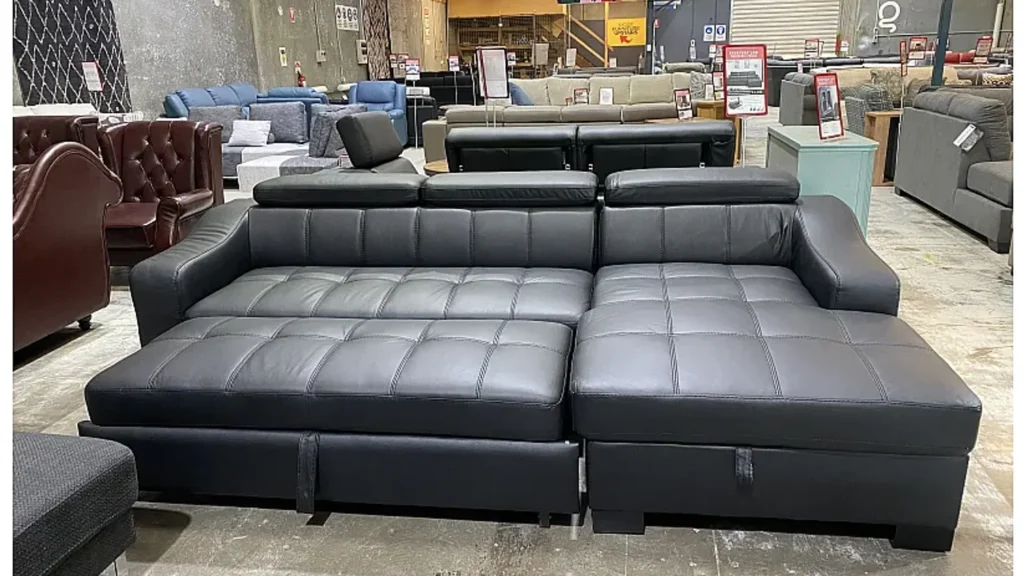
Send your leather sofa bed reference photo, material preference, size and quantity to get sourcing suggestions.
What Is a Leather Sofa Bed?
A leather sofa bed is a convertible sofa with leather, leather-look or leather-combination upholstery. It can be a pull-out leather sofa bed, click-clack leather sofa bed, sectional leather sofa bed, black leather sofa bed or leather sleeper sofa. The upholstery gives a clean and premium appearance, while the mechanism creates temporary sleeping function.
For B2B buyers, the main issue is not whether sofa bed leather looks elegant in a photo. The question is whether the upholstery, seams, foam, frame and mechanism can survive the target space. A hotel room, serviced apartment or office lounge may need frequent cleaning, color consistency and simple operation. Buyers can compare general sofa bed sourcing through custom sofa bed material support, then add leather-specific details.
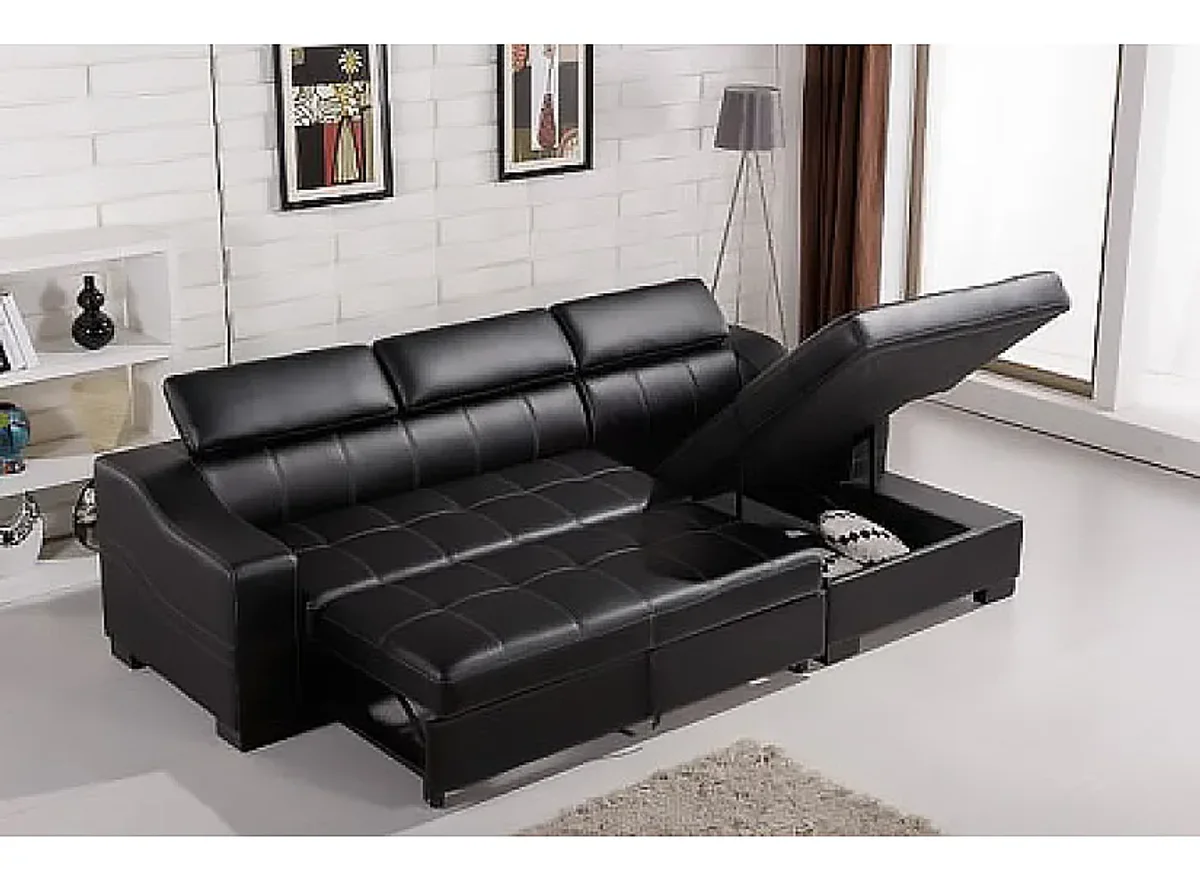
Leather Sofa vs Leather Sofa Bed
A leather sofa is mainly a seating product. A leather sofa bed is both seating and sleeping equipment. That difference changes the structure. The bed leather sofa needs extra clearance, a stronger conversion system, a sleeping surface and foam that works in two modes. A normal leather couch may have decorative details that do not matter in bed mode. A leather couch with sofa bed function must keep seams, cushions and panels aligned after conversion.
The buyer should also evaluate maintenance differently. Leather-look upholstery may be easy to wipe, but a bed mechanism creates moving points where panels rub. If the surface cracks around folds or high-contact edges, complaints will appear quickly. For material planning, use the furniture materials and finishes page as a starting point, then request actual swatches for the sofa bed order.
Common Leather Sofa Bed Styles
Pull-Out Leather Sofa Bed
A leather pull out sofa bed uses a hidden deck or sleeping platform that extends forward. It is useful in apartments, hotel rooms and office guest areas. Buyers should check the front pull handle, support legs, rail system and whether leather panels are protected from friction during opening.
Click-Clack Leather Sofa Bed
A click-clack leather sofa bed folds the back down to create a flatter surface. It can be compact and economical, but it may feel less bed-like. B2B buyers should test the hinge angle, back locking positions and seam stress at fold lines.
Sectional Leather Sofa Bed
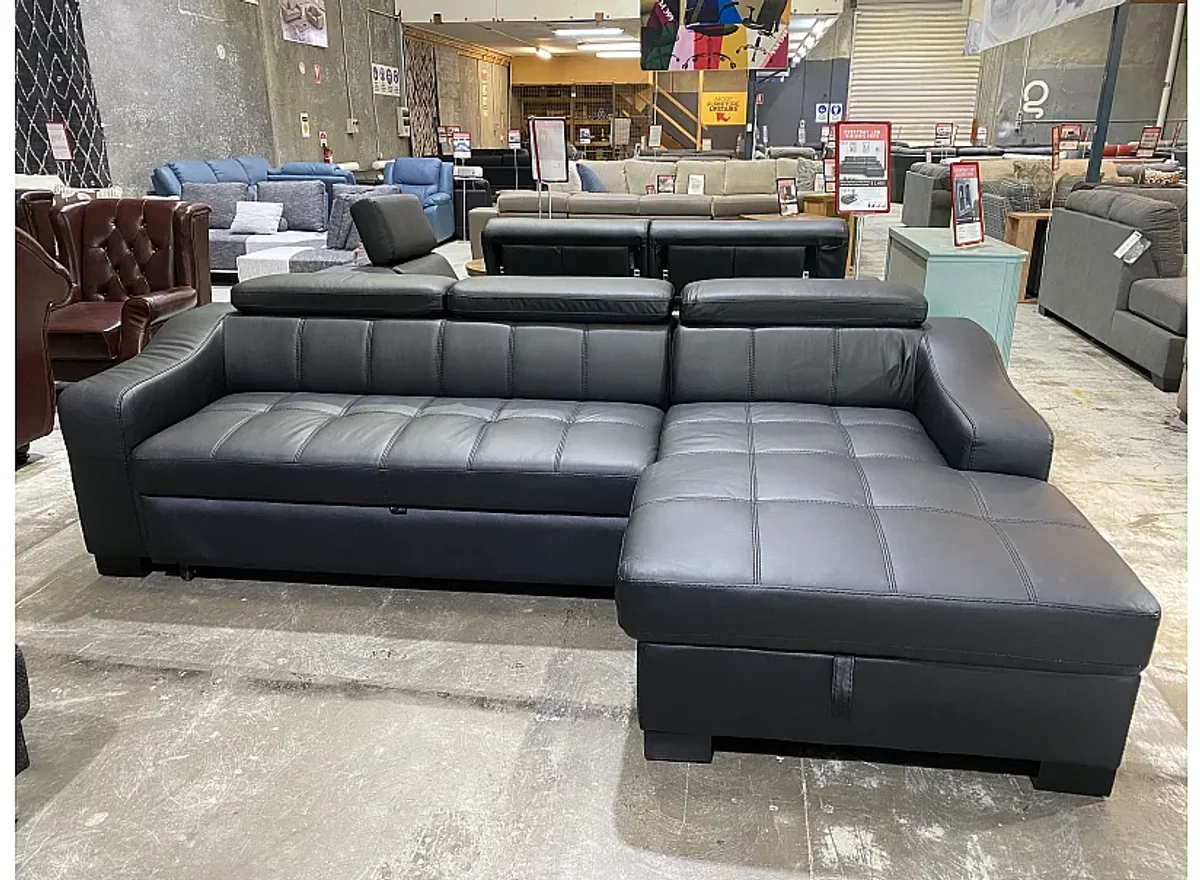
A sectional leather sofa bed adds chaise or corner seating. It suits larger apartments, showrooms and villa living rooms. The buyer must confirm chaise direction, opened bed size and whether the leather surface continues consistently across modules.
Black Leather Sofa Bed
A black leather sofa bed is common in office lounges, rentals, showrooms and modern apartment programs because it hides some marks and gives a clean commercial look. It can also make a small room feel visually heavier, so buyers should compare black with grey, brown or warm neutral options before bulk order.
Leather Sleeper Sofa
A leather sleeper sofa usually suggests a more bed-like sleeping function. The buyer should ask whether it is a true pull-out sleeper, a fold-down sofa, a futon-style product or a sectional sleeper. The name alone is not enough for specification.
Leather-Look Materials Explained
PU leather is common for budget-conscious projects and easy-clean surfaces. It can provide consistent color and a smooth look, but buyers should ask about surface thickness, backing, hand feel and expected durability. Microfiber leather is often chosen when buyers want a softer, more leather-like feel and better resistance than basic PU options. It may cost more, but it can be practical for higher-use rooms.
A genuine leather option should be described conservatively. Do not accept vague labels without material details. Buyers should ask which panels are genuine leather, which panels use matching material, whether color can be consistent across quantity and how the supplier handles natural variation. Leather-look upholstery is a broader term that may include PU, PVC-free alternatives, coated fabrics or mixed coverings.
| Material Type | Best For | Advantages | Limitations | B2B Buying Notes |
|---|---|---|---|---|
| PU leather | Budget hotels, rentals and easy-clean projects | Consistent color, wipeable surface and broad color range | Quality varies widely and low-grade surfaces can peel | Ask for swatch, thickness, backing and expected cleaning method. |
| Microfiber leather | Higher-use apartments, offices and mid-range projects | Softer hand feel and often better surface resistance | Usually higher cost than basic PU | Compare abrasion, color, softness and sample approval carefully. |
| Genuine leather option | Premium rooms, showrooms and selected panels | Natural leather feel and premium perception | Natural variation, higher cost and panel matching issues | Confirm panel placement, grade description and color tolerance without assuming certification. |
| Leather-look fabric | Projects needing leather appearance with fabric performance | Can balance look, cost and maintenance | May not feel like real leather | Ask for composition, cleanability and color card. |
| Mixed leather and fabric upholstery | Design-led projects and cost control | Can use leather-look panels where cleaning matters | Material transition needs careful design | Confirm which panels use which material and how colors match. |
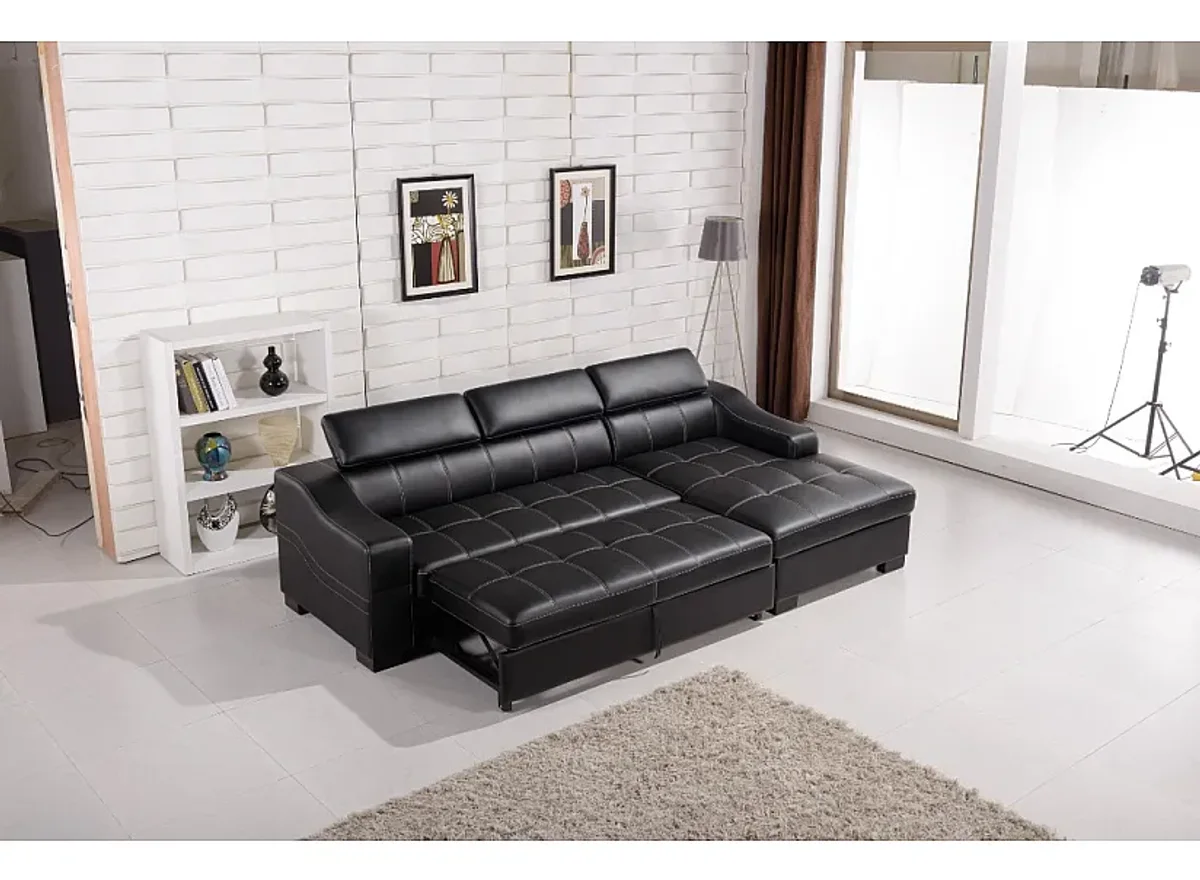
Material Comparison for B2B Buyers
The best material depends on use frequency, target market and cleaning process. A rental apartment may need wipeable and replaceable surfaces. A hotel suite may need a better hand feel and a calmer color. An office lounge may need black or dark brown leather-look upholstery because users sit with bags, coffee and work equipment. A showroom may prioritize appearance and seam quality.
For bulk orders, color consistency matters. A black leather sofa bed from one batch should not look blue-black in another batch unless the buyer approves the change. Ask suppliers to keep the approved swatch, sample photos and fabric code. If different material lots are used, the buyer should approve them before production.
Before ordering leather sofa beds, confirm the upholstery type, color reference, mechanism and expected usage frequency.
Where Leather Sofa Beds Are Used
Hotel rooms use leather sofa beds when they need a clean, compact guest seat with occasional sleeping function. Serviced apartments use them when one living room must support daily lounging and guest flexibility. Office lounges use leather sleeper sofa options when the space needs a tidy commercial appearance. Rental apartments use leather-look materials because cleaning speed and durability are important.
Showrooms may use a leather sofa bed settee to demonstrate compact multifunction furniture. For hotel and apartment planning, compare the sofa bed with surrounding furniture through hotel and apartment sofa bed sourcing and apartment furniture package planning. The sofa bed should match bed frames, side tables, desks and lounge chairs in color temperature and scale.
| Leather Sofa Bed Style | Best Space | Key Benefit | What Buyers Should Check |
|---|---|---|---|
| Black leather sofa bed | Office lounge, rental apartment and showroom | Clean commercial look and easy visual maintenance | Check color depth, surface feel, room brightness and cleaning method. |
| Pull-out leather sofa bed | Hotel room, apartment lounge and guest room | More defined sleeping function | Check pull-out clearance, rail strength and leather friction points. |
| Sectional leather sofa bed | Villa, serviced apartment and larger lounge | More seating plus guest sleep function | Check chaise direction, module connection and opened size. |
| Compact leather sofa bed | Studio, small office and rental unit | Space-saving seating and temporary sleep use | Check seat depth, arm width and user height. |
| Office leather sleeper sofa | Reception, private office and staff lounge | Professional appearance with flexible function | Check firmness, dark color options and high-frequency cleaning. |
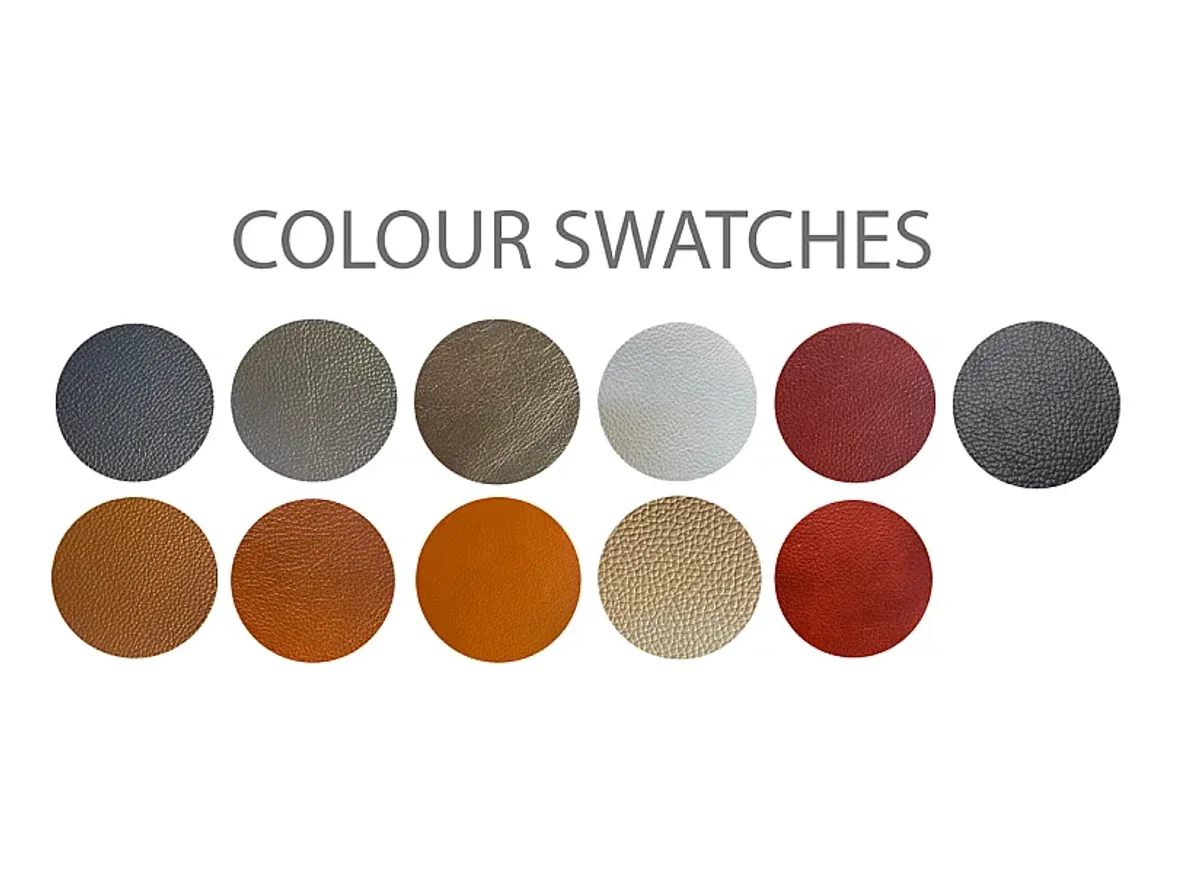
Related Sofa Bed Models
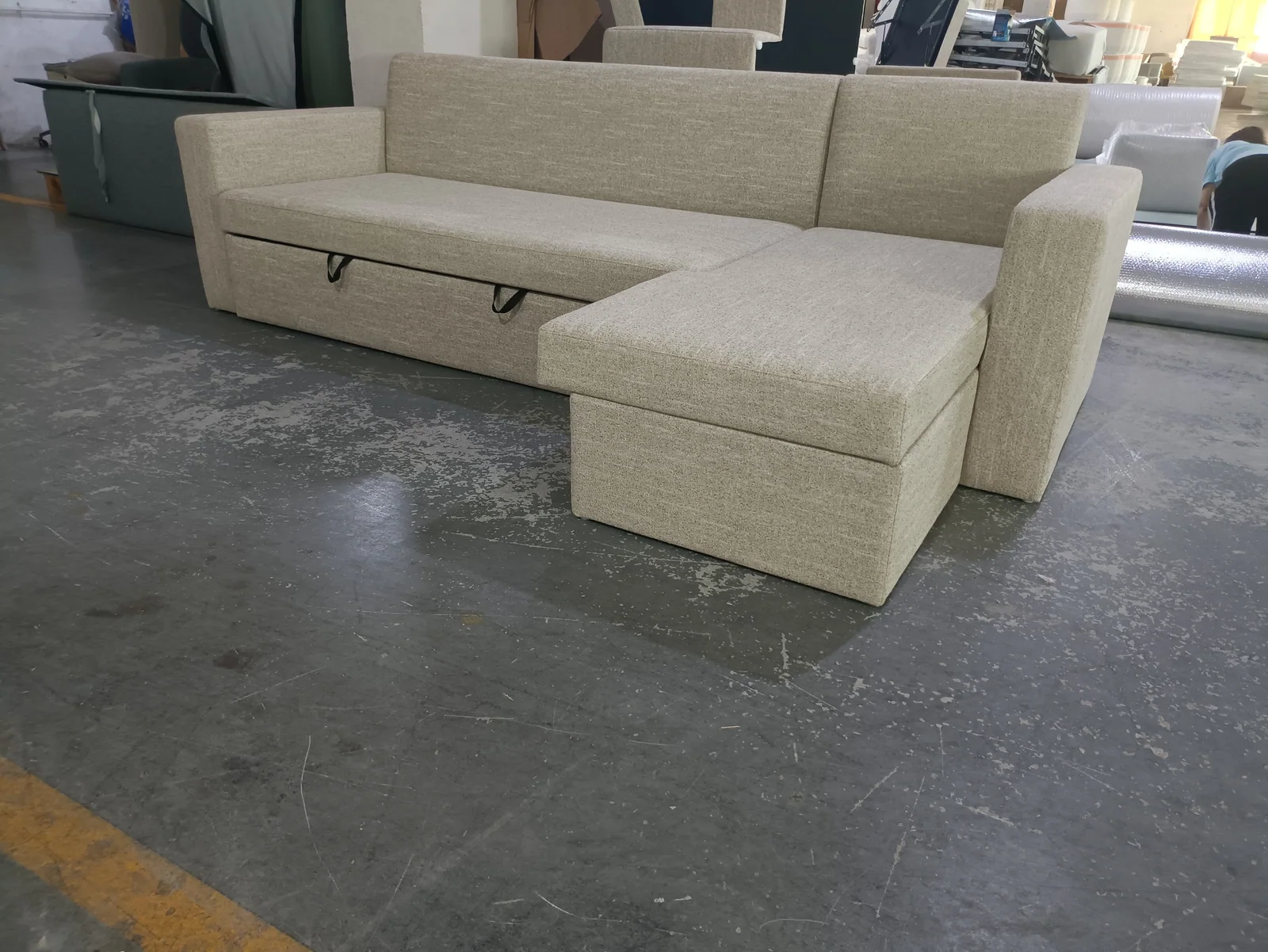
Compare these references alongside the guide. Confirm the selected configuration before ordering.
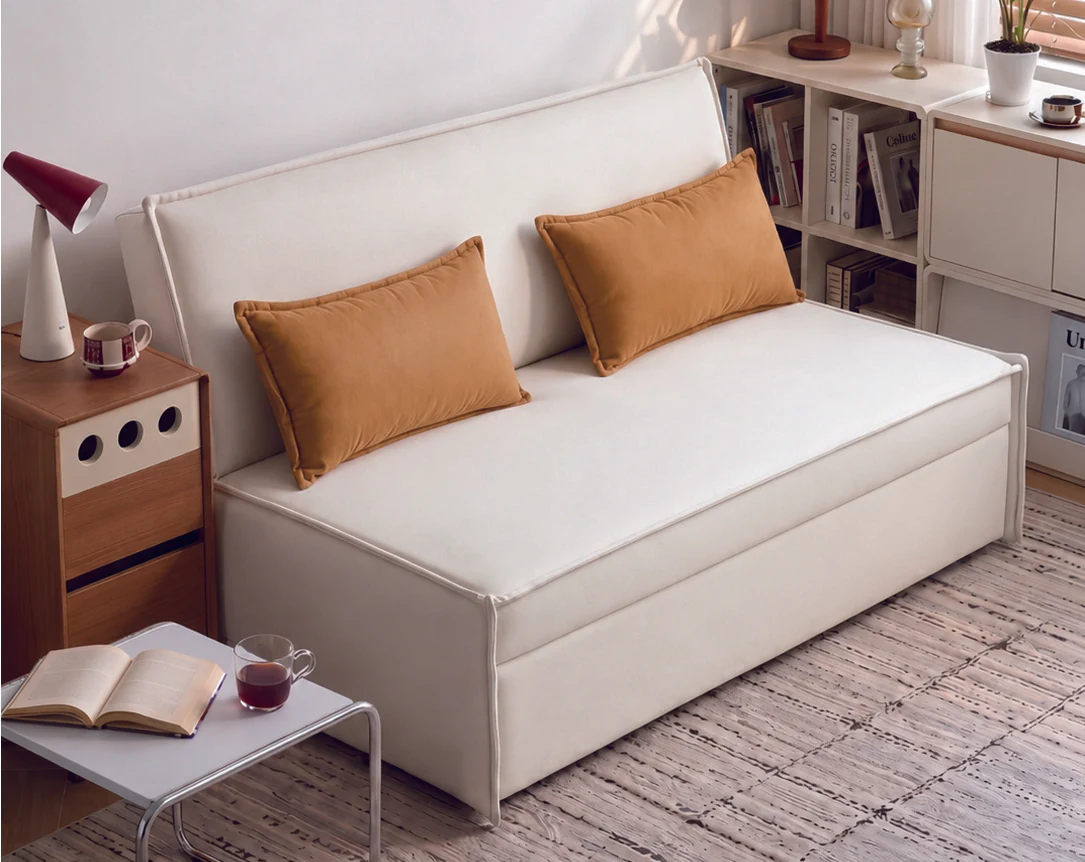
Mechanism, Frame and Foam Considerations
The mechanism must be matched to the upholstery. Leather-look surfaces can crease or rub near moving parts, so the opening action should be smooth. Ask for a video showing the leather pull out sofa bed changing from closed sofa to opened bed and back again. Pay attention to the front panel, cushion edges, support legs and any exposed rail or hinge.
Frame strength matters because the bed function adds load beyond normal sitting. The frame should support seated users, sleeping users and repeated conversion. The pull-out sleeper sofa mechanism guide can help buyers ask better mechanism questions before comparing quotes.
Cleaning, Durability and Maintenance Factors
Cleaning should be specified before purchase. Some PU surfaces can be wiped with a damp cloth, while other coated materials may react badly to harsh cleaners. Microfiber leather and genuine leather options may need different maintenance. For hotels, apartments and offices, cleaning teams should receive the approved cleaning method so daily maintenance does not damage the surface.
Durability also depends on seam placement. Decorative tufting can look premium, but dust and pressure can collect around seams. High-use areas such as seat fronts, arm tops and bed folds need extra attention. If the sofa bed is expected to convert often, avoid delicate paneling where the mechanism creates repeated stress.
Common Mistakes When Sourcing Leather Sofa Beds
- Using the word leather without defining PU, microfiber, genuine leather option or leather-look upholstery.
- Approving a black leather sofa bed photo without checking the real color swatch.
- Ignoring mechanism friction points where upholstery may crease.
- Choosing soft foam that feels uneven in bed mode.
- Comparing a click-clack quote with a pull-out sleeper quote as if they are identical.
- Forgetting to confirm cleaning method for hotel, office or rental use.
Buyer Checklist Before Quotation
- Project type
- Sofa bed style
- Reference photos
- Closed sofa size
- Opened bed size
- Mechanism type
- PU / microfiber / genuine leather option
- Color reference
- Black leather option if needed
- Seat depth
- Foam requirement
- Frame material
- Cleaning requirement
- Usage frequency
- Quantity
- Target market
- Customization requirement
Why Include HUAXUAN in Your Supplier Comparison
HUAXUAN supports sofa bed model selection and bulk sourcing for importers, distributors, wholesalers and furniture brands. Send the Product Code, quantity, required closed and sleeping dimensions, upholstery and destination for quotation review. Confirm customization scope and any OEM / ODM requirements against the selected model and approved sample. Compare HUAXUAN Furniture with other suppliers using documented specifications and sample evidence.
A practical inquiry should include product photos, target material, black leather option if needed, closed size, opened size, mechanism, foam expectation and quantity. Use the leather sofa bed bulk quotation path to send the RFQ, or use send your leather sofa bed reference photos if the model is still being selected.
For material comparison, the leather vs fabric sofa guide can support general upholstery decisions, but this article should be used for sofa bed-specific checks: mechanism, opened size, seam stress and cleaning frequency.
Final RFQ Advice
A leather sofa bed should be specified as a complete product, not as a leather sofa plus an unknown bed function. Define the material, color, mechanism, closed size, opened bed size, foam, frame and use frequency. Then compare suppliers based on whether they answer those details clearly.
If the project needs several rooms or locations, request samples and swatches before bulk order. Photograph the approved sample in closed mode, opened mode and close-up material view. That record becomes the standard for production, inspection and future repeat orders.
For repeat programs, keep one approved swatch and one approved mechanism video in the purchasing file. This helps the buyer compare later quotations against the same material, color, open size, cushion shape and conversion standard instead of restarting the discussion from a photo alone.
Send your leather sofa bed style, PU or microfiber leather requirement, dimensions and quantity to HUAXUAN for B2B quotation support.
FAQ
What is the best material for a leather sofa bed?
There is no single best material. PU leather can suit cost-sensitive easy-clean projects, microfiber leather may offer a softer feel and stronger performance, and genuine leather options need clearer panel and color confirmation.
Is a black leather sofa bed suitable for hotels or offices?
Yes, it can work well in offices, rentals, showrooms and some hotel rooms, but buyers should check room brightness, cleaning method, color consistency, foam firmness and mechanism quality.
What should I check on a leather pull out sofa bed mechanism?
Check pull-out clearance, rail smoothness, support legs, frame stability, upholstery friction points, cushion gaps and whether the bed surface stays level after repeated conversion.
Can I request genuine leather for a sofa bed?
You can request a genuine leather option, but ask which panels use genuine leather, how natural variation is handled, what matching materials are used and whether the supplier can keep color consistent across quantity.
What should I send for a leather sofa bed quotation?
Send reference photos, project type, closed size, opened bed size, mechanism type, PU or microfiber or genuine leather preference, color reference, black option if needed, foam requirement, usage frequency and quantity.
Need Pricing for a Sofa Bed Model?
Send the model code, quantity, required size, upholstery and destination. We can review the selected reference before quotation.