
The sectional vs sofa decision is one of the most common seating questions in living room, apartment and hospitality furniture planning. A sectional may look more generous, while a standard sofa may leave the room easier to move through.
For B2B buyers, the right answer depends on room size, circulation, seat count, installation path, budget and how repeatable the layout must be. This guide compares standard sofas and sectional sofas for apartments, hotel rooms, model homes, showrooms and commercial lounges so buyers can specify the right format before requesting bulk quotations.
Planning seating for apartments, hotel suites, showrooms or lounges? Send room plans, quantities and reference photos so HUAXUAN can review sofa and sectional options.
Sectional vs Sofa: Main Differences
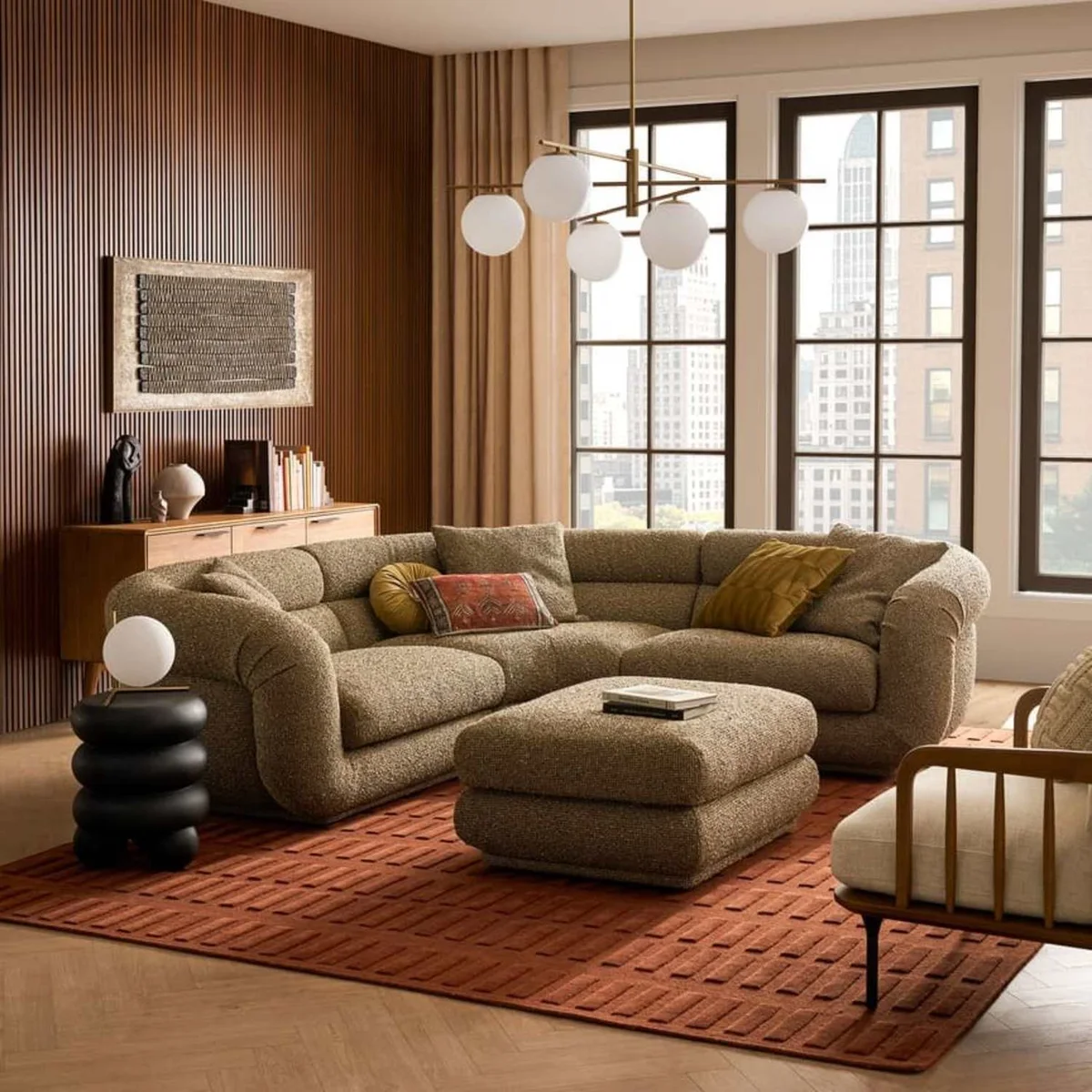
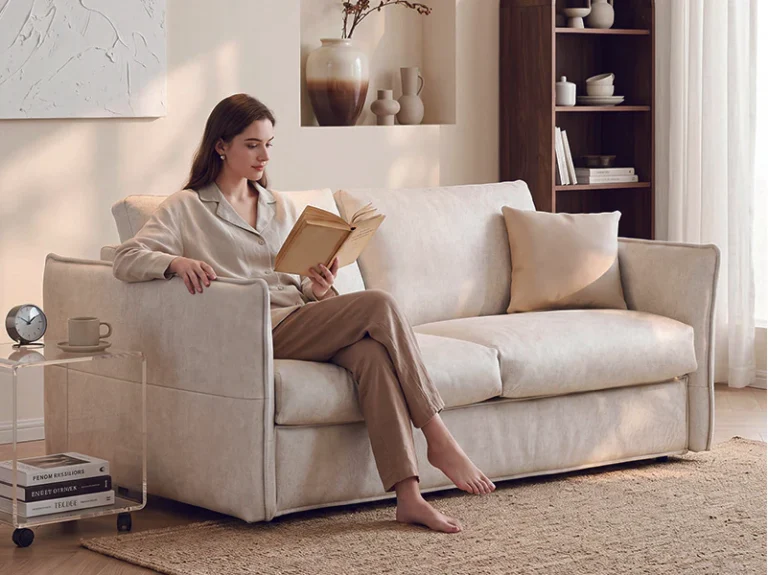
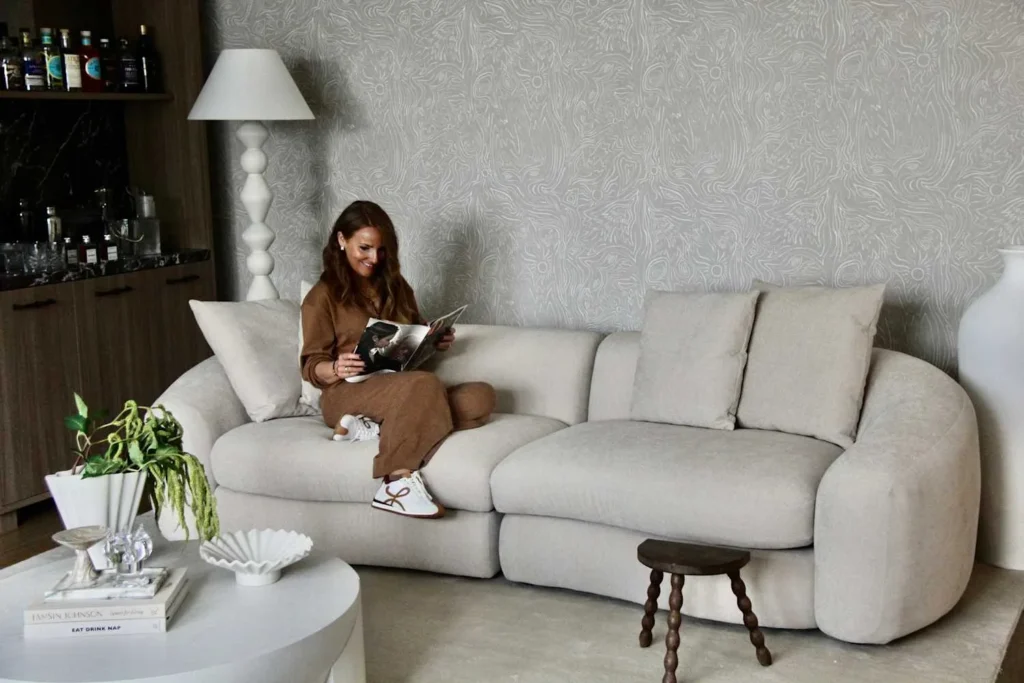
A standard sofa is usually a straight seating piece with two or three seats. It can sit against a wall, float in a room or pair with lounge chairs. A sectional sofa is made from connected sections, often in an L-shape, chaise layout or larger modular arrangement. It creates more continuous seating but also occupies more defined floor area.
The decision is not only about style. A sectional affects walkways, table placement, rug size, delivery path and room flexibility. A standard sofa may seat fewer people in one piece, but it can be easier to reuse across different room types. Project buyers should compare the full room plan instead of comparing product photos only.
Quick Comparison Table
| Comparison point | Standard sofa | Sectional sofa |
|---|---|---|
| Space requirement | Usually easier for narrow rooms and flexible wall placement. | Needs more floor area, especially with chaise or corner modules. |
| Seating capacity | Good for two to three seats, often supported by chairs. | Higher casual seating capacity in one connected piece. |
| Flexibility | Easy to move, pair with chairs, or reuse in another room. | More fixed; modular versions improve flexibility. |
| Visual style | Cleaner and lighter for compact or formal interiors. | Creates a strong lounge zone and relaxed project look. |
| Comfort | Balanced sitting, conversation and guestroom use. | Better for lounging, TV areas and family-style seating. |
| Delivery and installation | Simpler cartons and easier elevator access. | Requires module planning, orientation labels and delivery path review. |
| Best application | Apartments, guestrooms, showrooms, offices and smaller lounges. | Open living rooms, suites, club lounges and model homes. |
| Bulk order customization | Size, arm, fabric, leg and cushion changes are straightforward. | Module count, chaise side, connectors, fabric direction and carton size matter. |
The comparison shows why one option is not always better. A sofa works well when the project needs flexibility and efficient installation. A sectional works well when the project needs a stronger lounge feeling and the floor plan supports a larger footprint.
When to Choose a Standard Sofa
Choose a standard sofa when the room is narrow, the layout may change, or the project needs a cleaner and lighter appearance. Standard sofas are useful in compact apartments, hotel guestrooms, office waiting areas, showrooms and formal living rooms. They pair well with chairs, ottomans and side tables.
A standard sofa also simplifies delivery and installation. It usually has fewer module parts, simpler carton labeling and fewer orientation issues. For bulk programs, a three-seat sofa can become a repeatable base item across several room types, with color or fabric adjusted by project.
When to Choose a Sectional Sofa
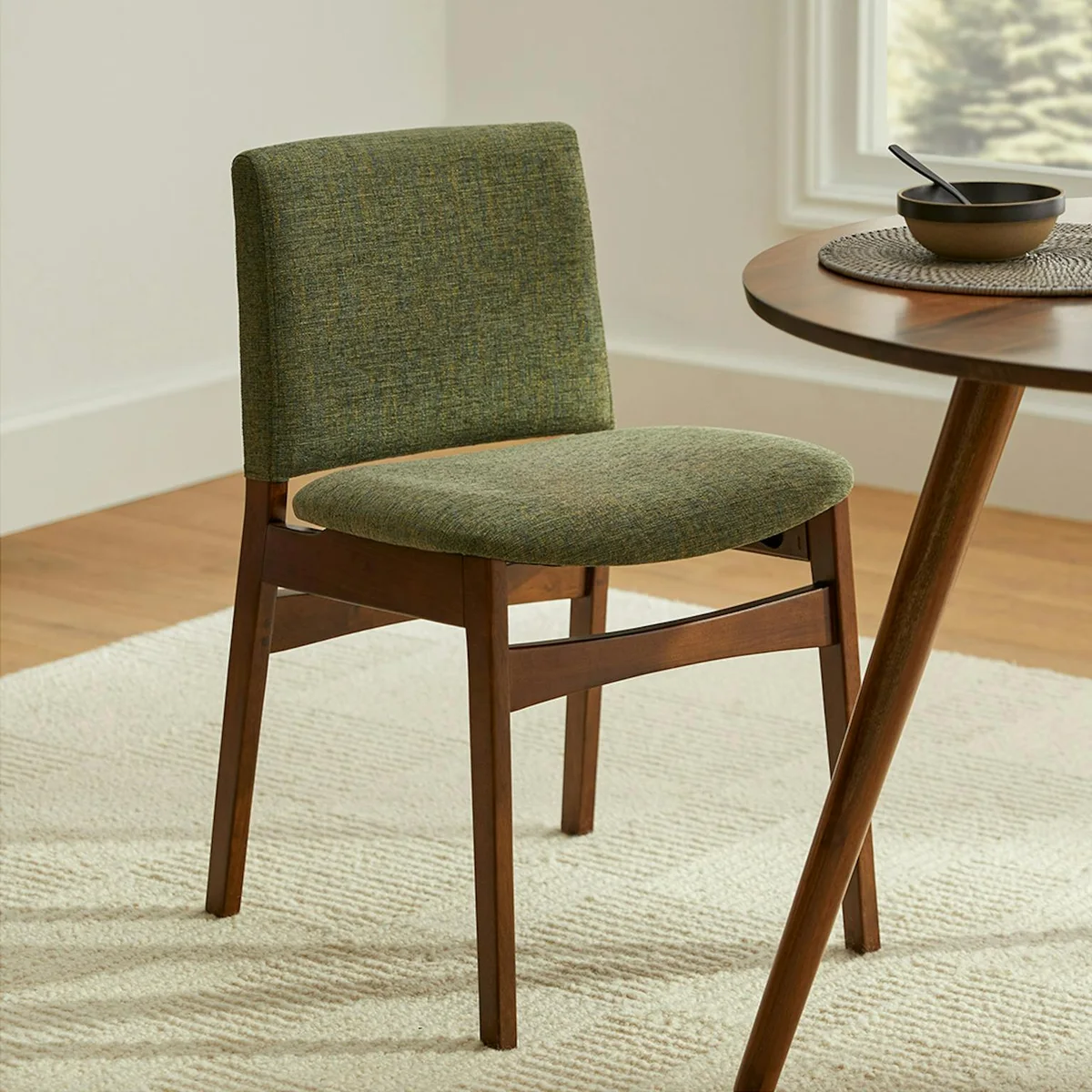
Choose a sectional sofa when the room has enough floor area and the seating zone should feel relaxed, social and complete. Sectionals work well in open living rooms, serviced apartment lounges, hotel suites, family rooms, club lounges and showroom displays. They can increase casual seating without adding several loose chairs.
The buyer should define chaise direction, corner size, module count and maximum depth early. A sectional that fits on paper can still block a balcony door, table access or housekeeping path. For project work, a plan view is more useful than a front-view product photo.
Space Planning and Living Room Layout
Start with the usable seating zone, then subtract walkways, doors, curtains, TV cabinets and coffee table space. A standard sofa often needs less depth and can be moved away from obstacles. A sectional needs more careful checking because the chaise or return side extends into the room.
For apartments and hotels, mark furniture on a floor plan before sampling. Also check elevator size, door openings, stairs and final installation sequence. A large sectional may need split modules, removable legs or special packaging. These details affect quotation and delivery cost.
A good sofa RFQ starts with the room layout. Share wall lengths, walkways, seat count and installation limits before selecting a standard sofa or sectional sofa.
Comfort, Seating Capacity and Daily Use
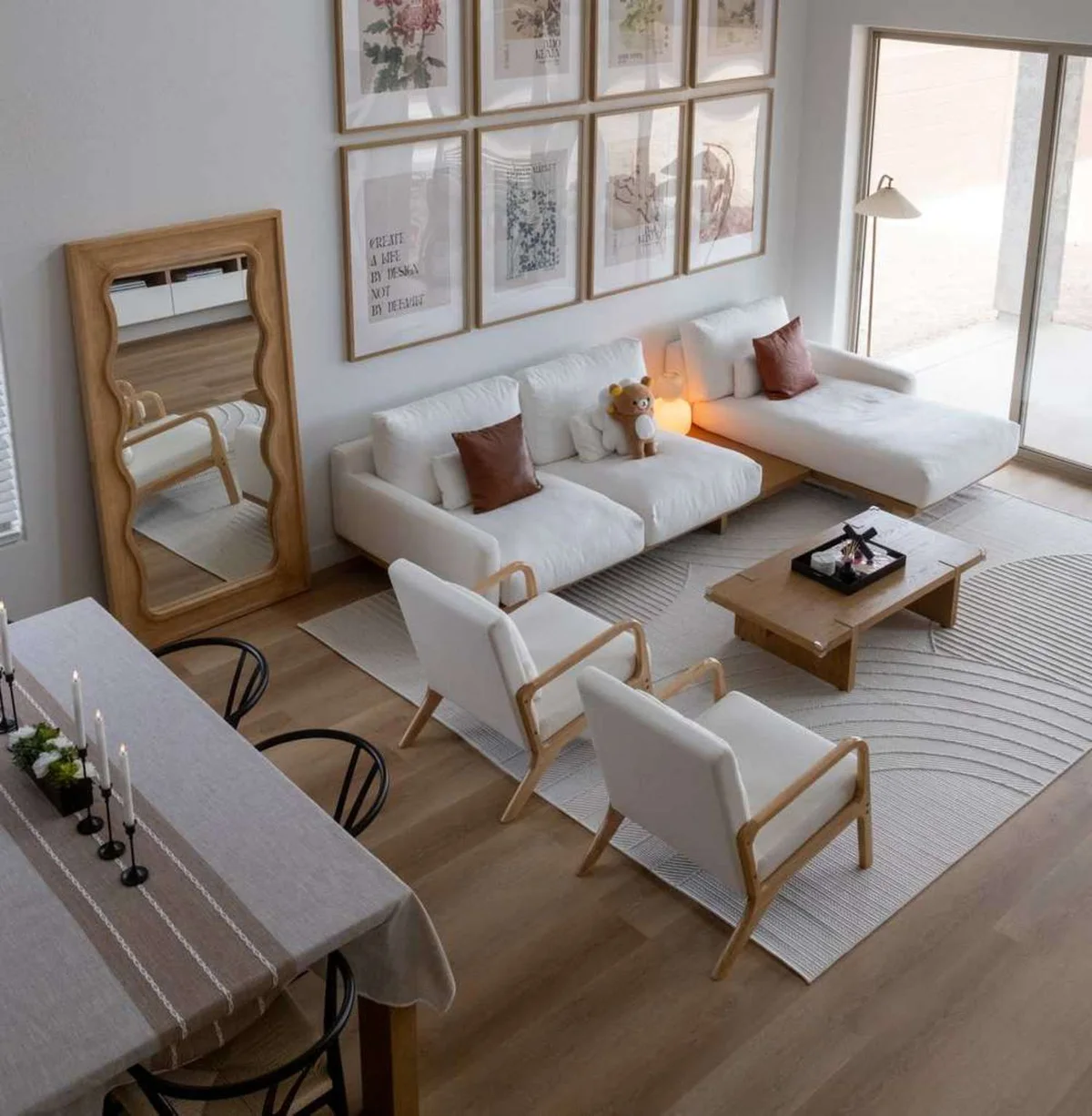
A sectional usually feels better for lounging because users can stretch out on the chaise or corner. It is suitable for TV rooms, family areas and long-stay suites. A standard sofa can feel more upright and conversational, especially when paired with chairs. That can be better for reception areas, guestrooms and public lounges where guests sit for shorter periods.
Comfort should be specified, not guessed. Ask for seat depth, seat height, cushion firmness, back angle and foam recovery. For hotels and commercial spaces, a very soft sectional may look inviting but require more daily cushion adjustment. The best seating format is the one that supports the use pattern.
Which Option Works Better for Apartments?
Apartments need efficient floor plans. In studios and one-bedroom units, a standard sofa or compact chaise sofa may be safer because it leaves more open space. In larger apartments, a small sectional can create a strong living zone and make the room feel complete without adding multiple chairs.
For apartment projects, the purchasing team should choose by unit type. A developer may use standard sofas in smaller units and sectional sofas in larger premium units. Keeping fabric and leg finishes consistent can make the furniture package feel coordinated while still respecting the floor plan.
Which Option Works Better for Hotels and Projects?
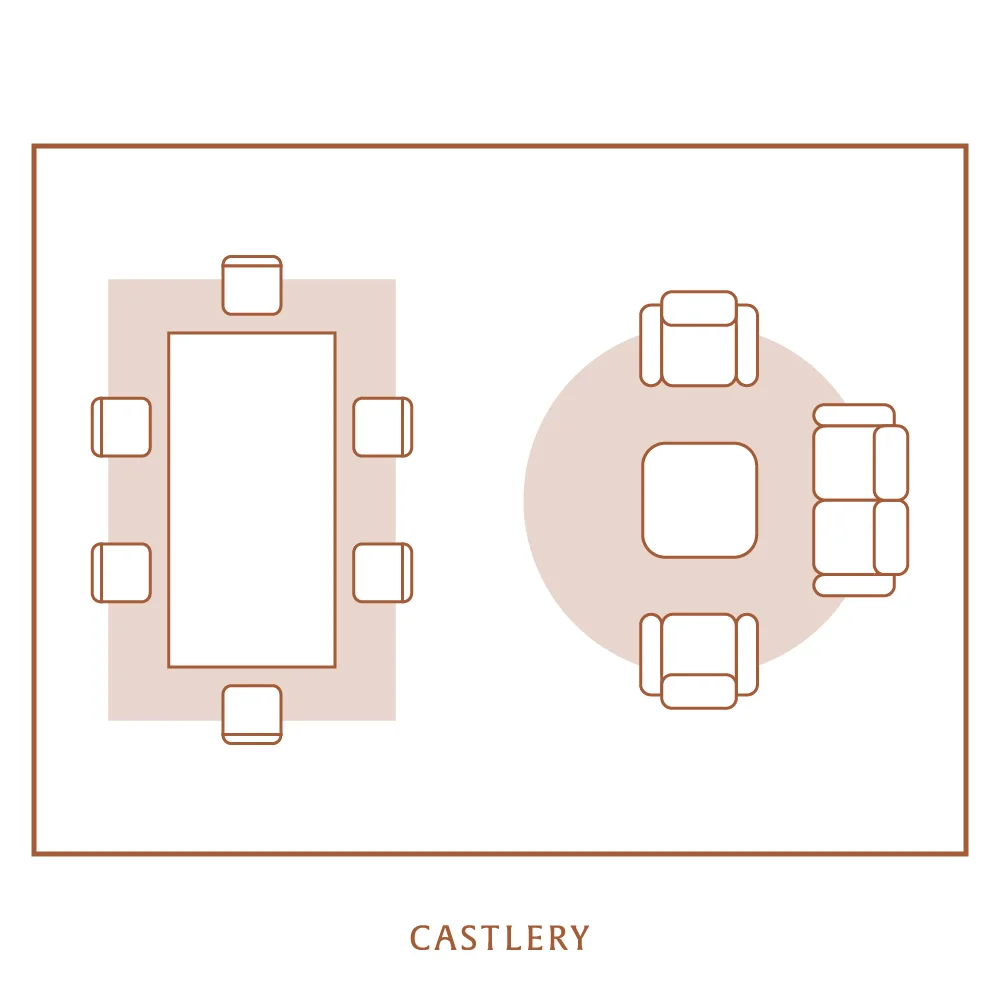
Hotel guestrooms often benefit from standard sofas, loveseats or compact sofa beds because delivery, cleaning and room flow are strict. Hotel suites and lobby lounges can use sectional sofas when the seating area is generous. Showrooms and commercial lounges can use either format depending on how visitors move through the space.
For wider project planning, review existing pages such as sofas and couches, sofa beds, hotel furniture, hotel projects and showroom retail projects. Use real site pages for internal links instead of unsupported paths.
Custom Sofa and Sectional Options for Bulk Buyers
Custom options can include width, depth, chaise direction, arm profile, seat height, cushion firmness, upholstery, color, leg finish, connectors and carton planning. For a sectional, module labels and fabric direction are especially important. For a standard sofa, the main issues are proportion, comfort and repeatability.
A clear RFQ should include room plans, quantities, target market, reference photos and expected use. If the order covers several floor plans, ask the supplier to quote a coordinated family of standard sofas and sectionals rather than forcing one product into every room.
Buying Checklist Before You Decide
Before choosing, confirm the room width, room depth, walkway, seat count, use case, desired comfort, budget, delivery path and installation limits. Then compare whether a sofa or sectional solves more problems for that room.
For bulk orders, request drawings or marked dimensions before sampling. Keep approved fabric, dimensions, module codes and packing photos with the order record so later reorders remain consistent.
Budget, Delivery and Reordering Considerations
Price comparison should include more than the visible sofa shape. A sectional may use more fabric, foam, cartons and installation time than a standard sofa. It may also require extra connectors, labels and module protection. A standard sofa may look less dramatic, but the total program cost can be easier to control across many rooms.
Delivery planning is especially important for hotels, apartments and showrooms. A straight sofa may pass through elevators and corridors more easily. A sectional may need to be split into several modules, which helps access but increases labeling and installation accuracy requirements. The buyer should ask for carton dimensions and loading quantity before approving bulk production.
Reordering is another practical factor. If a buyer expects future replenishment, the sofa family should have repeatable fabric, stable dimensions and clear module codes. A sectional program becomes much easier to manage when every left arm, right arm, armless seat, chaise and corner has a consistent code and drawing.
For dealers and wholesalers, it may be useful to build a coordinated range: one standard sofa, one loveseat, one chaise sofa and one sectional using related arms, legs and fabric options. This gives end customers choice while keeping purchasing, photography and after-sales support more manageable.
FAQ
Is a sectional better than a sofa?
A sectional is better for larger rooms and relaxed lounge seating. A standard sofa is better for compact rooms, flexible layouts and simpler installation.
Which is better for apartments, sofa or sectional?
Small apartments usually work better with a standard sofa or compact chaise sofa. Larger apartments can use sectionals if the layout keeps walkways clear.
Are sectionals harder to deliver?
They can be. Sectionals need module planning, orientation labels, connector checks and delivery path review, especially for elevators and narrow corridors.
Can HUAXUAN customize both sofas and sectionals?
HUAXUAN can review custom sizes, fabrics, colors, cushion comfort, modules and packing details for standard sofas and sectional sofas.
Choose Sofas and Sectionals with HUAXUAN
The sectional vs sofa choice should be made from the room plan, not from a single inspiration photo. A standard sofa gives flexibility and efficient installation. A sectional gives more lounge capacity when the space can support it.
For B2B buyers, the best result often comes from using both formats across a project: standard sofas in compact rooms and sectionals in larger living or lounge areas.
If the project includes multiple room types, prepare a simple seating matrix before quotation. List each room type, usable wall length, desired seat count, preferred sofa format and quantity. This helps the supplier recommend a coordinated range instead of pricing isolated products that may not work together after installation.
The matrix also helps the buyer avoid over-ordering large sectionals for rooms that need simpler sofas. That protects budget, delivery timing and the final guest experience.
Send drawings, reference images, quantities and target market details to discuss the right sofa or sectional specification for your project.
HUAXUAN Furniture can support custom sofas, sectional sofas, modular seating, sofa beds and living room furniture for project buyers.