A furniture quotation is only useful when the supplier understands what you want to buy, how the furniture will be used, and what details affect production cost. For B2B buyers, an unclear request often leads to slow replies, incomplete prices, or quotations that cannot be compared fairly.
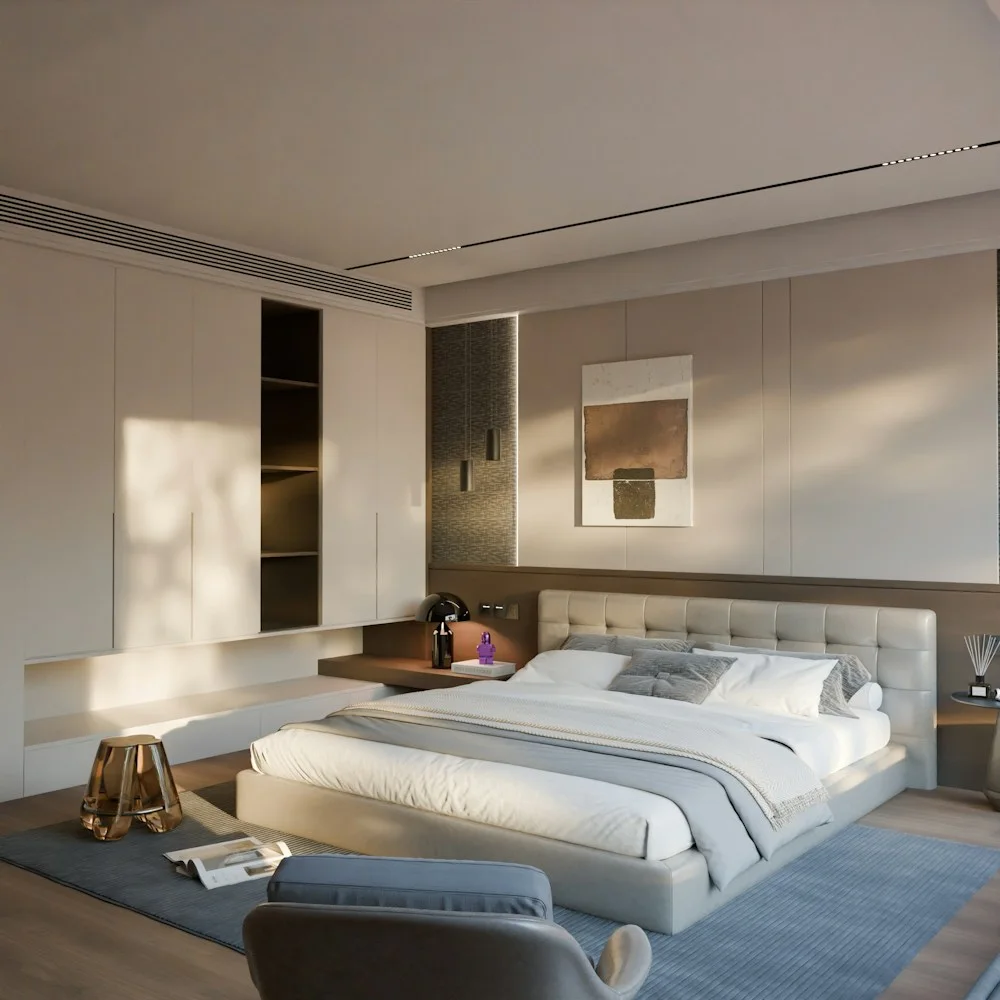
Whether you are buying sofas, sofa beds, beds, mattresses, upholstered chairs, hotel furniture, restaurant seating, office lounge furniture, or apartment furniture packages, preparing the right information before asking for a quote will save time and reduce mistakes. This guide explains what to include in a furniture quotation request and how to make your inquiry easier for a supplier to process.
1. Start with the Project Type and Usage Scenario
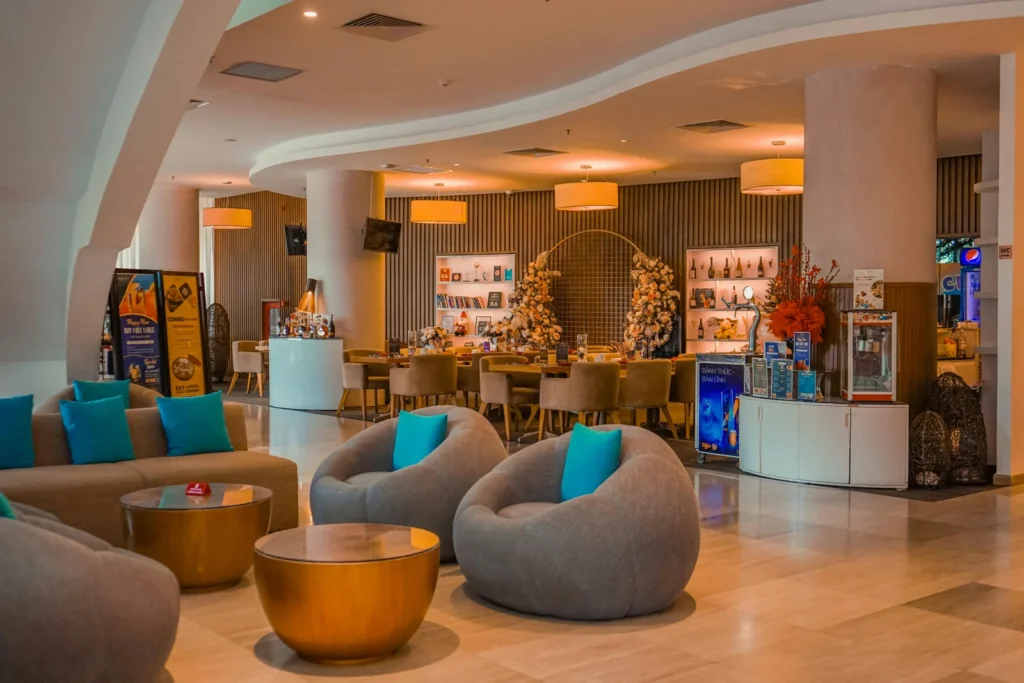
The same product can have different specifications depending on where it will be used. A sofa for a hotel lobby may need higher durability and stronger frame support than a sofa for a model apartment. A restaurant chair may need stain-resistant fabric and easy cleaning, while an apartment sofa bed may need compact dimensions and efficient packing.
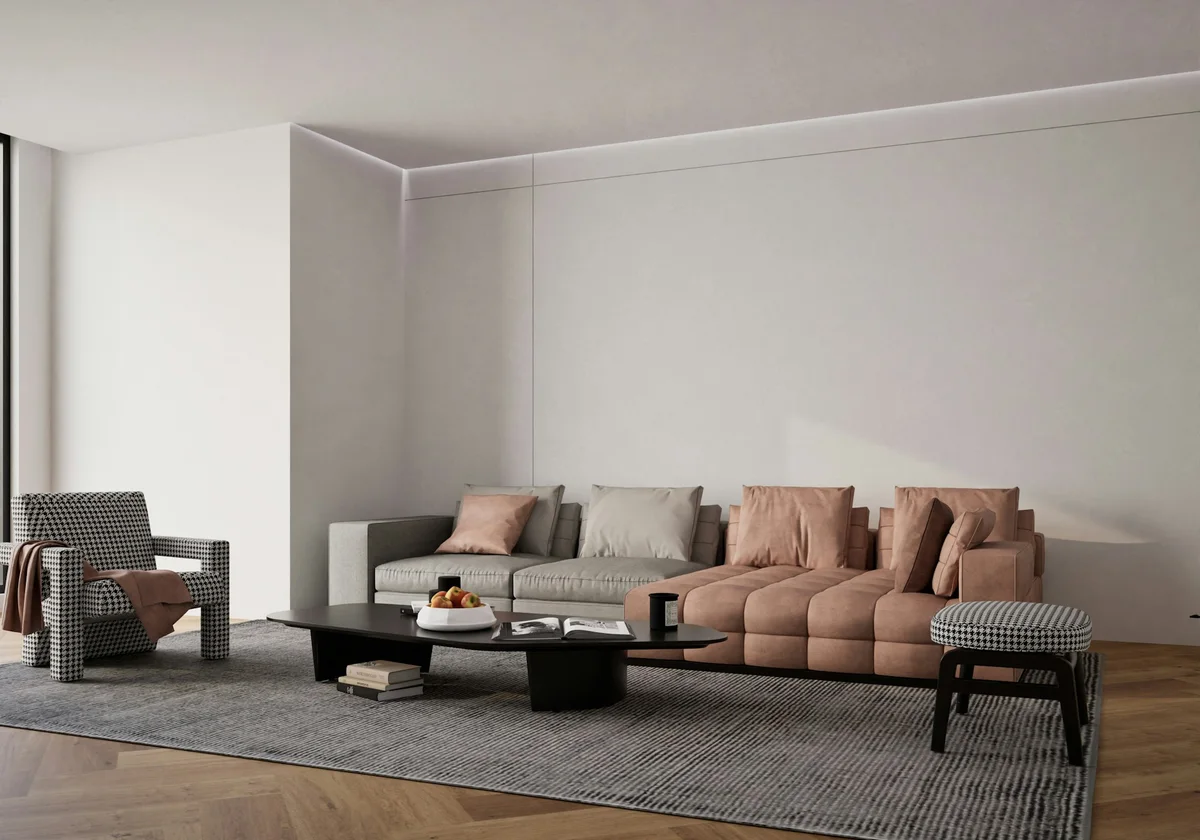
Tell the supplier whether the order is for a hotel, serviced apartment, villa, rental home, restaurant, cafe, office, retail store, or wholesale program. This helps the supplier recommend suitable materials, structure, packing, and quality level.
2. Prepare a Clear Product List or Furniture BOQ
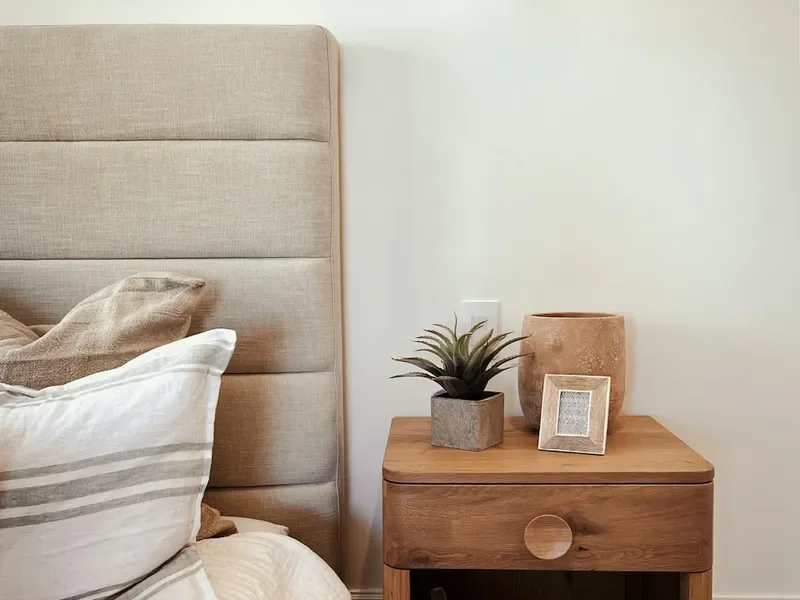
A furniture BOQ is a structured list of the items you need. It does not need to be complex, but it should include product name, quantity, size, reference photo, and room or area. If you do not have a formal BOQ, you can prepare a simple spreadsheet or message list.
Information
Why It Matters
Example
Product name
Identifies the furniture category
Sofa bed, lounge chair, upholstered bed, mattress
Quantity
Affects unit price, MOQ, production planning, and container loading
50 sets, 120 pcs, 1 mock-up room
Size
Controls material usage, comfort, carton size, and shipping volume
Sofa: 2100 x 900 x 850 mm
Reference photo
Shows the style, shape, stitching, and finish expectation
Hotel sofa photo or catalog image
Material preference
Affects price, durability, lead time, and cleaning method
Performance fabric, PU leather, high-density foam
Destination country
Helps estimate packing, shipping, labels, and documentation needs
Saudi Arabia, UAE, USA, Australia
3. Send Reference Photos or Drawings
Reference photos are one of the fastest ways to communicate style. They help the supplier understand the shape, cushion design, stitching, legs, material texture, and overall feeling you want. If you have CAD drawings, 3D renders, catalog pages, or shop drawings, send them together with the photos.
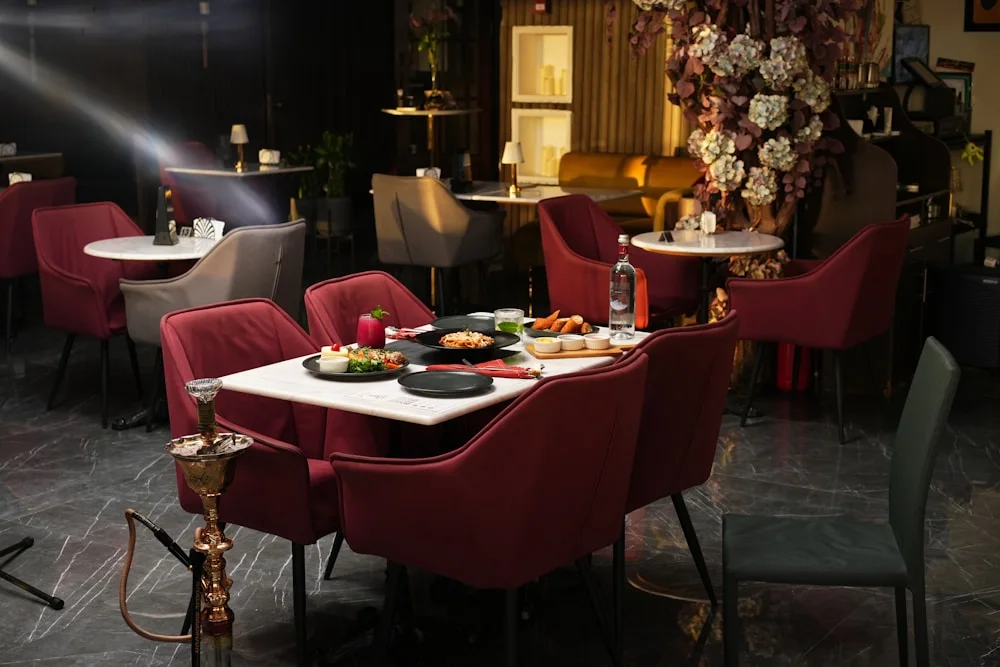
When using reference photos, mark the details that matter most. For example, you can say: keep the arm shape, change the fabric color, make the seat deeper, use black metal legs, or adjust the bed size. This avoids confusion and helps the supplier quote the correct version.
4. Provide Dimensions or Target Size Range
Size is one of the biggest cost factors in custom furniture. A small change in length, seat depth, headboard height, or mattress thickness can affect material usage, frame structure, carton size, and container loading.
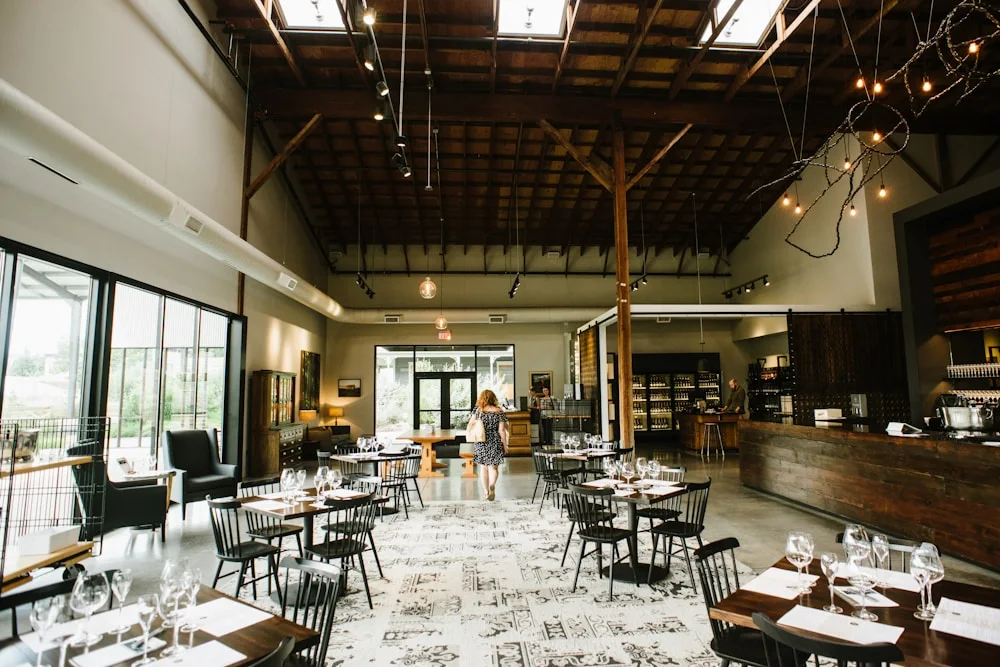
If you do not know the exact size, provide a target range. For example, a sofa can be around 2000 to 2200 mm wide, or a queen bed can follow a standard mattress size for your market. For project furniture, room dimensions and layout drawings are also useful because they help the supplier judge whether the furniture size is practical.
5. Confirm Material and Finish Preferences
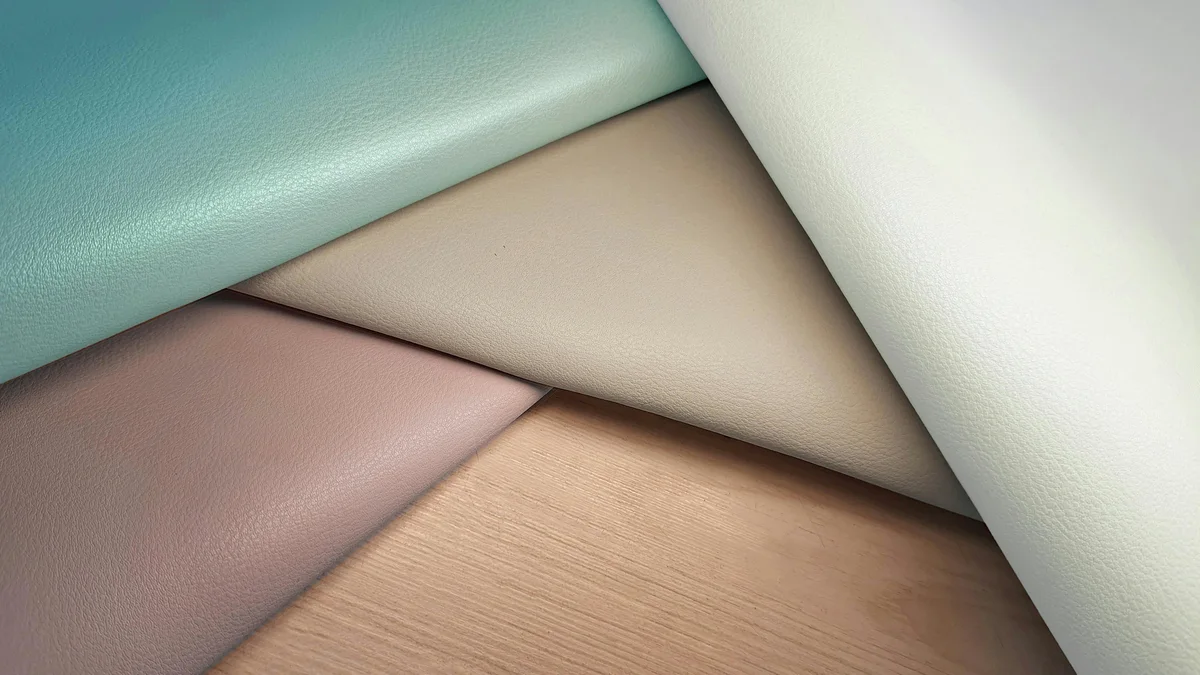
Furniture prices can vary greatly depending on material selection. Fabric type, PU leather grade, genuine leather option, foam density, spring system, wood frame, metal leg finish, and outdoor material performance all affect the final quotation.

If you are not sure which material to choose, explain the usage scenario and target price level. A supplier can then suggest different options, such as standard fabric for budget apartments, higher-performance fabric for hotels, or outdoor fabric for resort seating.
Useful material details to mention
Fabric or leather preference, including color and texture.
Foam softness or comfort level, such as firm, medium, or soft.
Frame preference, such as wood frame, metal frame, or reinforced commercial structure.
Leg material and color, such as black metal, stainless steel, or wooden legs.
Mattress type, such as foam, pocket spring, hybrid, roll-pack, or hotel mattress.
Cleaning or durability requirements for hotels, rentals, restaurants, or public areas.
6. Share Your Target Quantity and Possible Repeat Orders
Quantity affects production planning, MOQ, unit price, material purchasing, and packing. A sample order, a mock-up room order, a 50-room hotel order, and a wholesale container order will not be quoted in the same way.
If you are testing a product before a larger order, explain this clearly. For example, you can say that the first order is for sample approval or trial import, and future orders may be repeated after market testing. This helps the supplier understand your business situation and quote more realistically.
7. Mention the Destination Country and Packing Requirements
Export packing is very important for furniture because products are bulky, upholstered, and vulnerable to compression, moisture, scratches, and corner damage. The destination country also affects carton marks, labels, documents, delivery expectations, and shipping method.
For B2B furniture orders, tell the supplier whether you need carton packing, KD packing, compression packing, pallet packing, private label, retail carton design, or container loading support. If you have strict warehouse label rules, send them before packing is confirmed.
8. Give a Target Timeline
Furniture production involves material purchase, sample making, approval, bulk production, inspection, packing, and shipment. If you have a hotel opening date, apartment handover date, restaurant launch date, or container shipping deadline, share it early.
A clear timeline helps the supplier judge whether the schedule is realistic. It also helps decide whether to use existing material options, simplify customization, or prioritize sample approval.
9. Include Budget Level When Possible
Some buyers avoid mentioning budget because they worry the supplier will quote higher. In practice, a target price level can help a professional supplier recommend the right material and structure. Without a budget level, the supplier may quote an option that is too high or too low for your market.
You do not need to share an exact final budget. You can provide a target market level, such as economy apartment, mid-range hotel, premium villa, or wholesale retail line. This gives the supplier enough direction to avoid mismatched specifications.
10. Avoid These Common Quotation Mistakes
Sending only one product photo without quantity, size, or material notes.
Asking for the lowest price without confirming quality level.
Comparing quotations from different suppliers without checking foam, frame, fabric, and packing details.
Changing dimensions, fabric, or quantity after receiving the quotation.
Ignoring export packing and container loading until the goods are finished.
Requesting urgent delivery without allowing time for sample approval or material purchase.
Sample Furniture Quotation Request Template
You can use the following structure when contacting a furniture supplier:
Hello, we are preparing a furniture order for a hotel/apartment/restaurant/wholesale project. Please help us quote the attached items. Project type: [project type]. Products needed: [product list]. Quantity: [quantity]. Sizes: [dimensions or target size]. Materials: [fabric, leather, foam, frame, finish]. Reference photos/drawings: attached. Destination country: [country]. Packing requirement: [carton/KD/private label/container loading]. Target timeline: [sample date and bulk order date]. Please advise price, MOQ, lead time, material options, and sample process.
Hospitality teams that need a more detailed document structure can use the hotel BOQ and FF&E quotation guide for room schedules, mock-up lines, revision control and supplier comparison.
FAQ
Can I request a furniture quotation without exact dimensions?
Yes, but the quotation may only be an estimate. Providing a target size range is better than sending no size at all. Exact dimensions should be confirmed before final price and production.
Why do different suppliers quote very different prices for similar furniture?
The difference may come from frame structure, foam density, fabric level, mechanism quality, packing method, MOQ, and inspection standards. Always compare specifications, not only unit prices.
Should I send my BOQ in Excel, PDF, or message format?
Excel is usually easiest for product lists and quantities. PDF is useful for drawings and specifications. Photos and messages are also acceptable for the first discussion, especially for simple orders.
Conclusion
A useful furniture quotation starts with useful information. If you send product photos, quantities, dimensions, material preferences, usage scenario, destination country, and timeline, your supplier can respond faster and provide a more accurate price.
For hotel, apartment, villa, restaurant, office, or wholesale furniture orders, HUAXUAN Furniture can help review your product list, material options, sample needs, MOQ, packing method, and production plan. Send your BOQ, photos, or rough furniture list to start a practical B2B quotation discussion.