
Quick answer: Select dining chair upholstery by a documented material specification, approved physical sample and the way the finished chair will be used. Woven fabric, chenille and PU leather describe different surface families; none is automatically the most durable, easiest to clean or best for every restaurant or retail program. Request the exact supplier material code, composition and construction, backing, color, cleaning instructions, applicable test evidence, and a finished-chair sample. Then freeze those details before approving a bulk order.
For furniture importers, distributors, brands and restaurant seating buyers, upholstery is more than a color choice. A cover has to look consistent across a shipment, fit the chair’s curves, survive the intended handling and suit the buyer’s service plan. This guide deals with that purchasing decision. For frame specification, see the wood vs metal dining chair frames guide. For curved-back seam placement, see the curved back dining chairs guide. For overall commercial selection, use the commercial dining chairs buying guide. For chair options, see HUAXUAN’s upholstered chairs category.
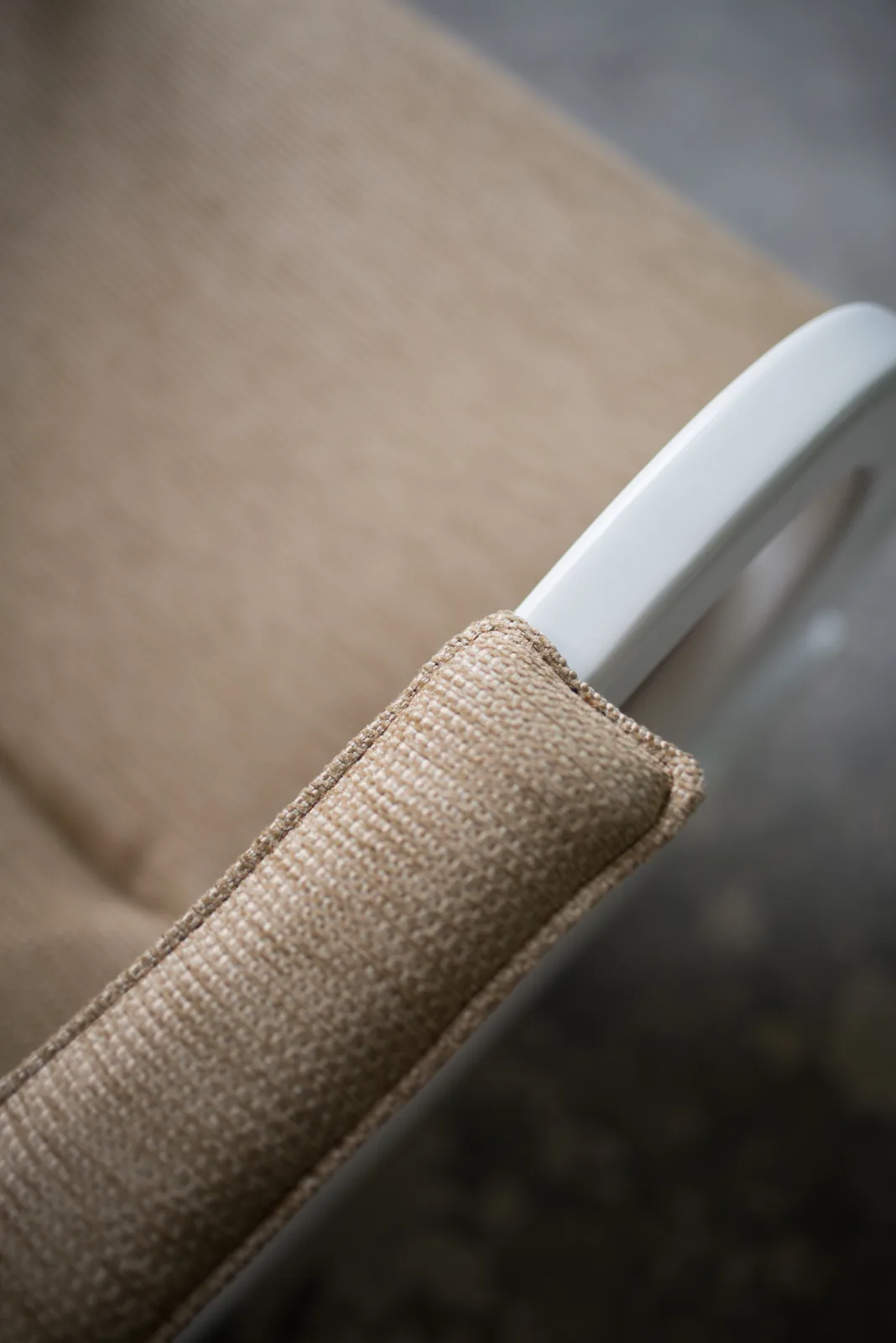
Choosing Upholstery Materials for Dining Chairs
Start with the chair’s destination and sales channel. A restaurant buyer may need a practical cleaning method and a clear replacement plan. A distributor may prioritize repeat-order color control and an upholstery range that can be replenished. A furniture brand may need a precise visual match across chairs, benches and other products. Write these requirements into the inquiry before asking for a fabric recommendation; otherwise, suppliers may quote visually similar but materially different covers.
A photograph can establish a silhouette, visible seams and color direction. It cannot prove fiber content, coating chemistry, backing, abrasion performance, liquid resistance or the identity of a leather-look material. Even a named category such as chenille covers many yarns, weaves and finishes. Treat marketing names as a starting point and use supplier documents and swatches to establish the actual specification.
| Material direction | What to verify before comparison | Appearance issue to sample | Buyer decision |
|---|---|---|---|
| Woven fabric | Fiber blend, weave, weight, backing and finish | Pattern scale, weave direction and color under project light | Can the exact code and lot be repeated? |
| Chenille | Yarn construction, fiber content, pile behavior and backing | Shading, texture direction and seam bulk on the finished chair | Does its appearance suit expected handling? |
| PU leather | Coating, base fabric, thickness, finish and care guidance | Surface grain, stretch and appearance around tight curves | Is the supplied construction appropriate for the use case? |
| Other leather-look cover | Precise material identity and layered construction | Gloss, grain and panel consistency | Is the name supported by a technical sheet? |
Woven Fabric Dining Chairs
Woven fabric gives buyers a broad range of texture, color and pattern. A tightly defined weave may read quiet and uniform; a pronounced basket weave or slub may make the chair more tactile. These are design observations, not performance ratings. Two fabrics that look alike in a catalog can use different fibers, yarn counts, backing and finishing, so ask for the specific collection and code rather than accepting ‘fabric upholstery’ as a complete specification.
Check whether the fabric has a directional weave or pattern repeat. When a chair has a narrow back and separate seat, the panels can appear mismatched if the cutting direction changes. A patterned cover adds a decision about whether motifs must align across a back, seat and arm. The buyer should approve a cutting or panel plan where alignment is visible, and should establish whether replacement panels can be made from the same material later.
Fabric is also a construction choice. Its stretch, thickness and backing influence how it behaves over foam and around corners. Request a finished sample with the intended seat shape, rather than judging only a flat swatch. The swatch identifies color and hand; the assembled chair reveals tension, puckering and edge definition.
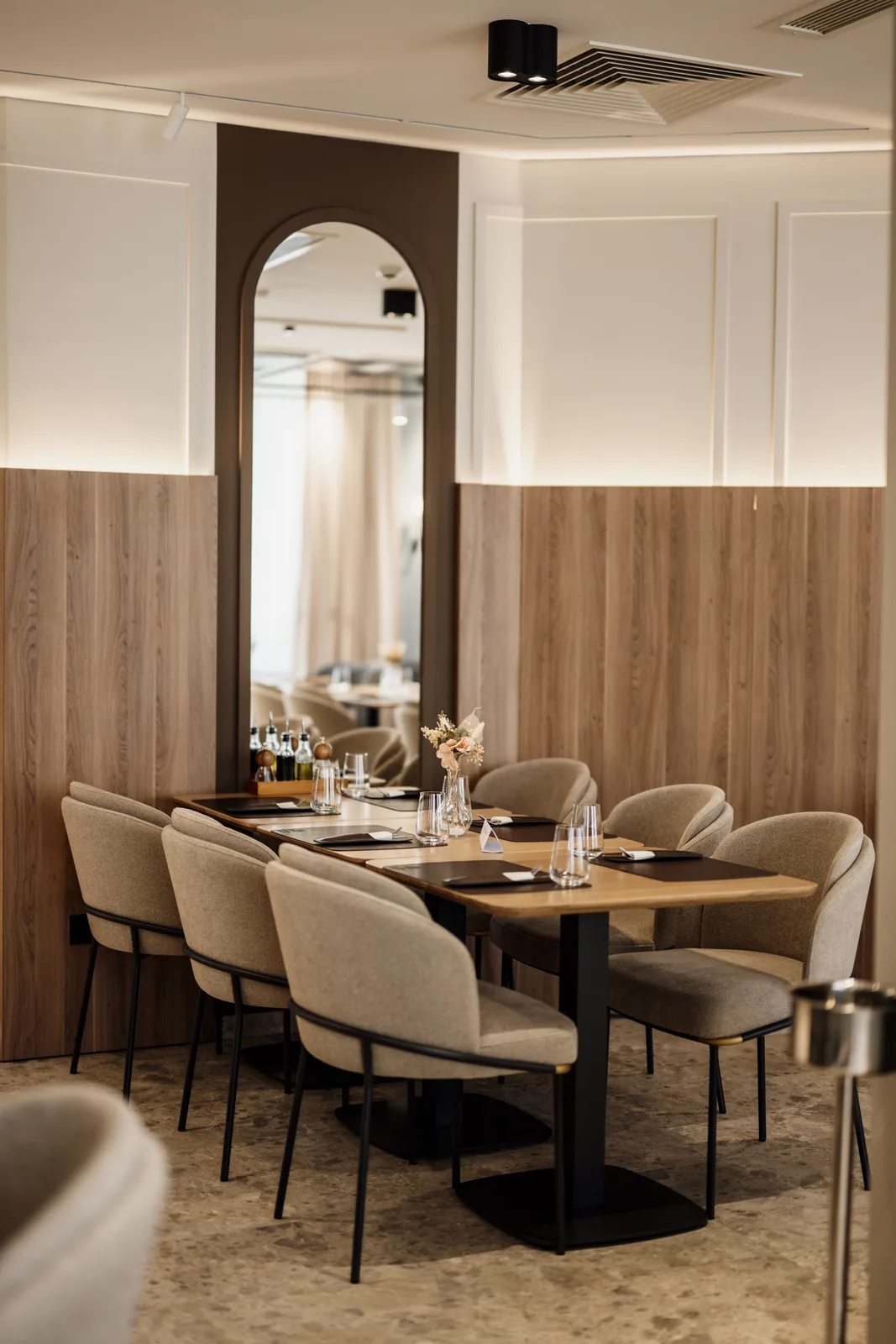
Chenille Upholstery
Chenille refers to a yarn or fabric with a soft, textured surface, not one fixed performance grade. It can create visual depth on a padded dining chair, especially where broad back panels catch light. The apparent shade may change with yarn direction, lighting and viewing angle. A supplier’s chenille label alone does not establish fiber content, abrasion results, cleanability or suitability for a busy dining room.
For a chenille option, inspect the same swatch from several directions and under the lighting in which the chair will be shown or used. Then examine an upholstered sample at the seat edge, back curve and seam intersections. Ask how the material should be cut, whether direction must be maintained between panels, and whether pressure or handling can create visible surface changes. Document an acceptable appearance range with photographs of the approved sample, but use the physical sample as the primary reference.
Chenille can be relevant for a softer visual brief, yet buyers should avoid promising that every chenille is low maintenance or suitable for a particular cleaning chemical. If the project has a mandatory performance criterion, request evidence for the exact selected material and the specified test method.
PU Leather and Leather-Look Upholstery
PU leather is commonly a coated material built on a textile or other backing. It is not genuine hide leather. ‘Leather-look,’ ‘technical leather’ and ‘microfiber leather’ are commercial terms that may refer to different constructions; do not substitute one for another without the supplier’s technical definition. A visual match to leather says little about the actual composition or coating.
A coated surface can give a chair a relatively continuous visual finish and may suit a buyer’s preferred cleaning process, but the exact care method must come from the material supplier. Ask how the coating behaves at seams, tight curves and frequently contacted edges. Check thickness, flexibility and backing on the actual chair design, especially where a curved back pulls the material around a small radius. A sample should show both the front surface and an exposed cut edge or material sheet so the layers can be identified.
Do not assume all PU covers have the same resistance to moisture, cleaning agents or wear. If the customer specifies a performance target, identify the test method, required result and evidence for the proposed material. Genuine leather has its own hide grading and variation questions and should be quoted as a separate material rather than folded into a generic leather-look choice.
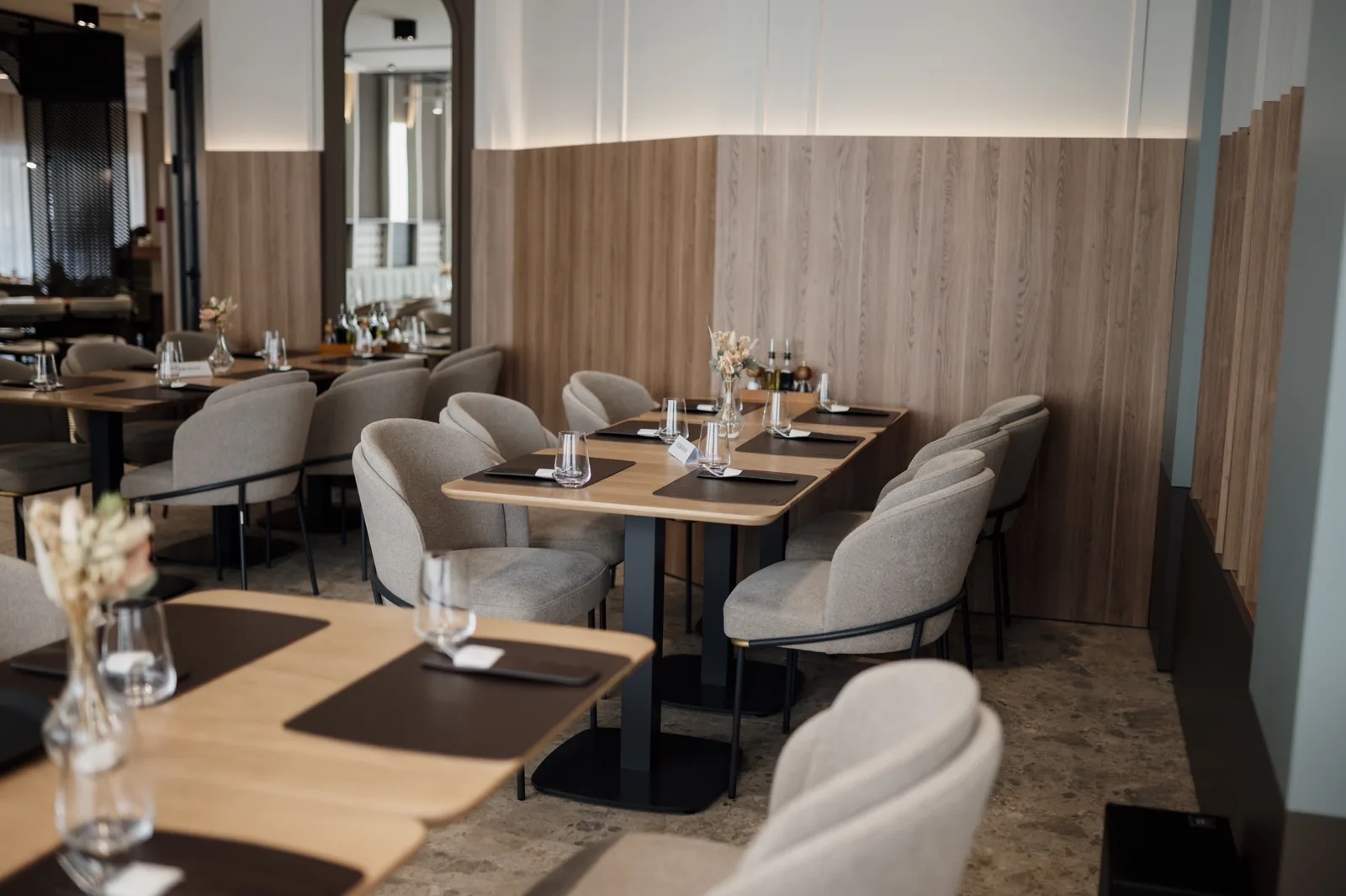
Texture, Color and Visual Appearance
Color approval is harder than selecting a screen image. Device displays, studio lighting and upholstery direction all change the visual impression. Use a physical swatch or supplier master standard with a recorded color code. View it in daylight and the intended interior lighting, beside the table finish and any nearby seating. For a multi-location program, decide whether one standard applies everywhere or whether separate approved palettes are needed.
Texture affects the apparent size and shape of a dining chair. A coarse weave can emphasize flat panels, while a smooth coated cover can make seams and foam transitions more visible. Chenille may add depth to a broad back, but directional shading can create apparent differences between adjacent chairs. Ask for front, rear and side photographs of the approved upholstered sample, with lighting described, and compare them with the physical chair before signing off a production run.
For colors offered as a range, obtain a separate swatch and approval record for each. A color name such as ‘beige’ is too vague for a repeat order. Record the supplier code, finish and, when relevant, the approved lot or shade tolerance. The product photograph remains a sales reference rather than the sole production control.
Upholstery Backing and Construction
The visible face is only one layer of the covering. Woven textiles may have different backings or stabilizers; coated covers combine a top finish with supporting layers. Those details can affect stretch, sewing, grip over foam and the appearance of edges. Request a technical description that separates face material, backing and finish. A generic ‘fabric’ or ‘PU’ line item leaves too much room for substitution.
The chair beneath the cover also matters. Foam profile, padding, support substrate and pattern shape determine whether the chosen material sits smoothly. A thin cover over a pronounced edge may show the substrate; a heavy cover can create bulk at a corner. Ask the supplier to confirm whether the upholstery construction on a proposed colorway matches the photographed reference. Do not infer foam density or frame material from a picture.
For removable seat pads or replaceable panels, clarify exactly what detaches, who can replace it and whether spare covers are available in the chosen material. If the cover is fixed, the buyer’s service plan may instead require replacement components or complete chairs. These are purchase terms to resolve on the actual model, not generic claims about a material category.
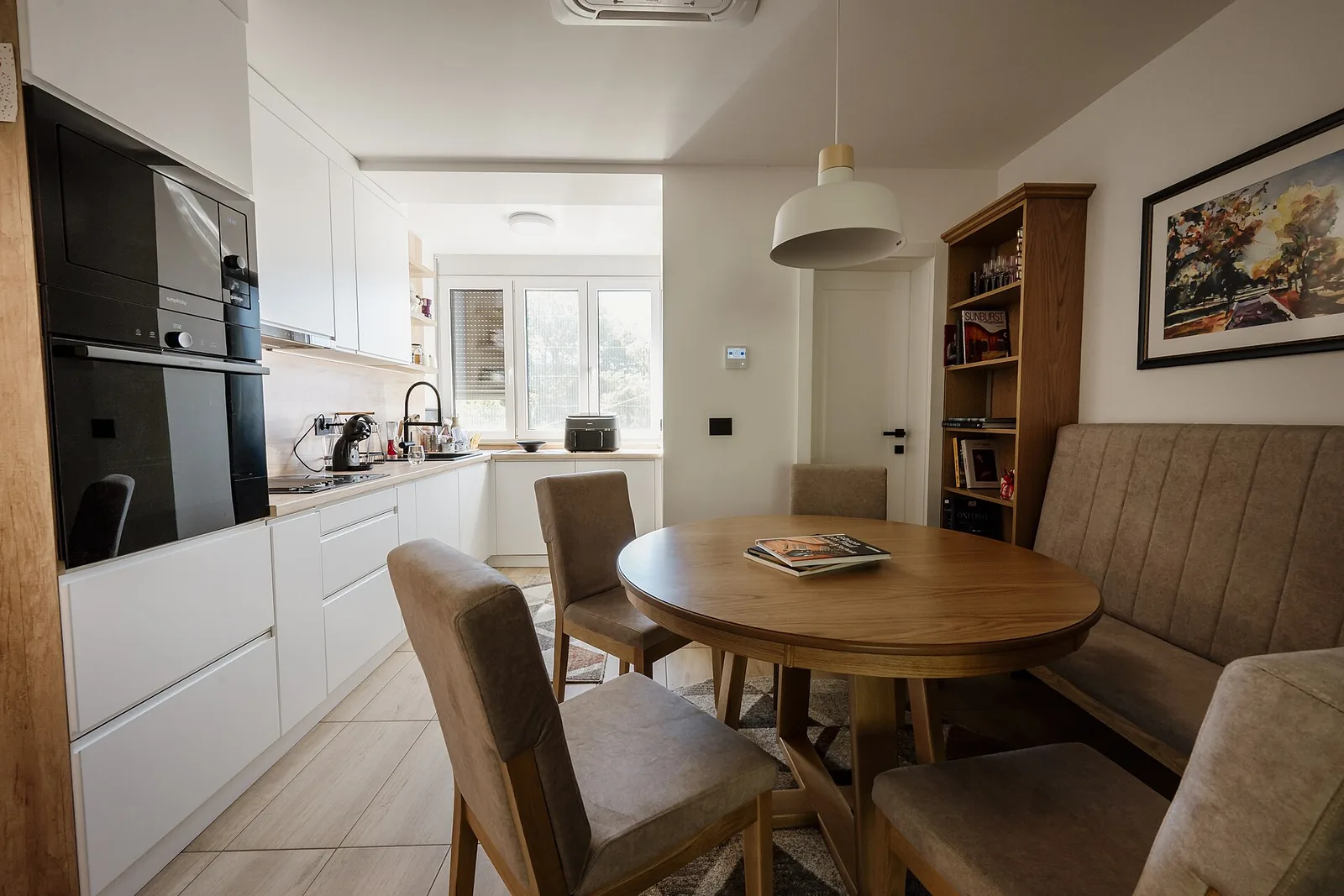
Stitching, Seams and Curved Chair Backs
Curved dining chair backs reveal whether the material, pattern and sewing process work together. A seam that looks straight on a flat pattern can appear uneven once pulled over a rounded shell. Inspect the seam path from the front and rear, the transition into arms, and the points where several panels meet. Confirm the type and placement of topstitching, piping or channel details on the approved sample.
Fabric grain, chenille direction and coated-material stretch can each affect a curve differently. Do not approve a new cover solely because an existing chair silhouette looks suitable. Request a sample in the actual selected upholstery. For a design with a stitched back, compare line spacing across multiple pieces in the sample set. If seams are decorative, state whether they must align with the seat centerline or other visible reference points.
A close photograph can help document a seam, but a buyer should also sit in and handle the sample. Check whether the seam feels prominent at contact points and whether the cover pulls away from the intended shape. Record any approved deviations before the production specification is frozen.
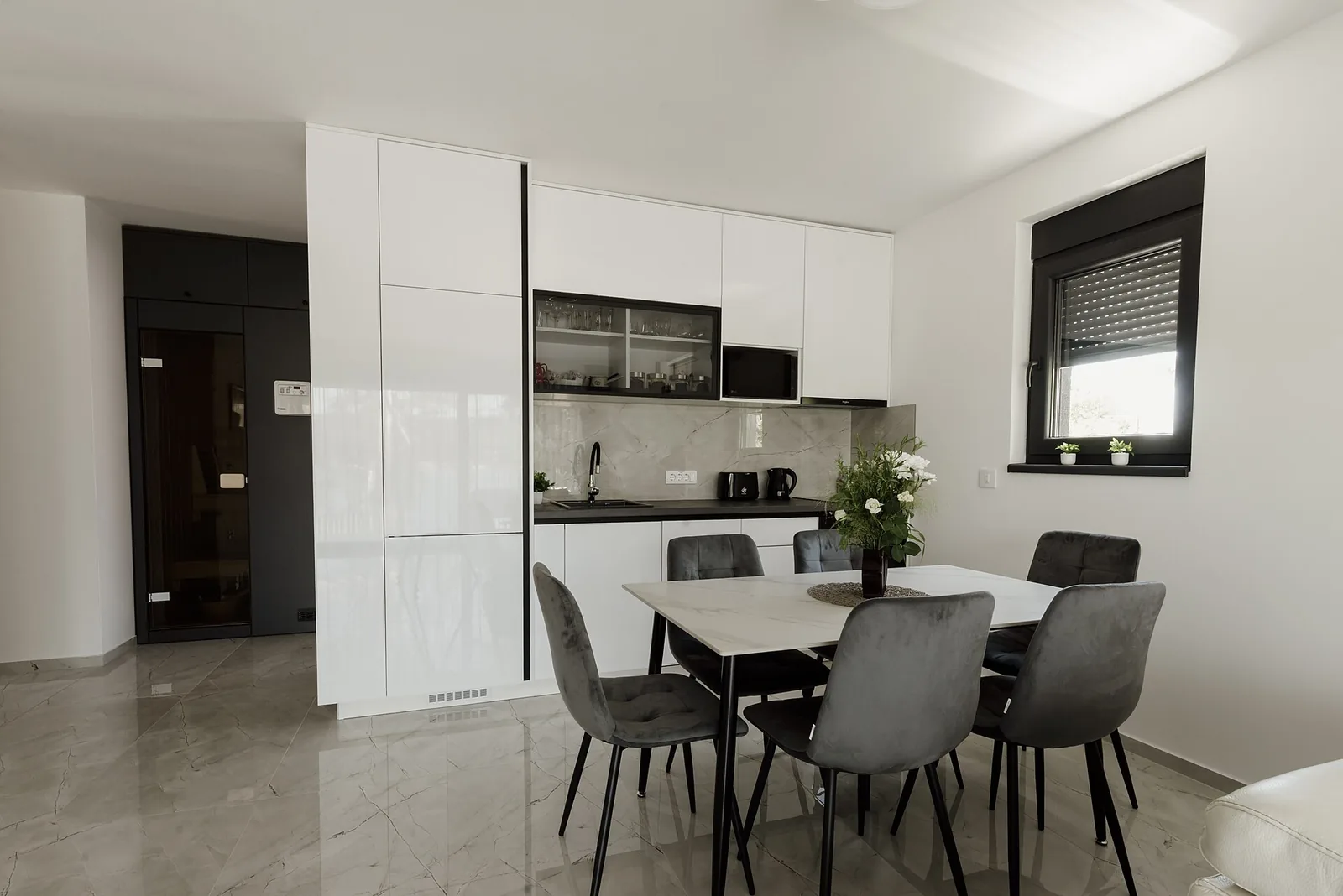
Cleaning Requirements and Buyer Specifications
Write the operating requirement before choosing a cover. What spills are reasonably expected? Who cleans the chairs, with which products and at what frequency? Can a chair be removed from service for drying or repair? These questions help a restaurant or commercial buyer request an appropriate material. They do not make any upholstery universally stain resistant.
Ask for the supplier’s cleaning and care instructions for the exact material code, including restrictions on chemicals, heat, saturation and brushing. Compare that guidance with the operator’s actual routine. If there is a mismatch, consider a different cover or revise the cleaning plan before ordering. Avoid treating an informal ‘easy clean’ label as proof of compatibility with the site’s products.
This article focuses on purchase specifications. The existing velvet chair cleaning guide addresses care methods for that specific material; it does not verify the behavior of a different dining-chair fabric. For project requirements, record the selected material’s own instructions and any required evidence in the specification.
Material Consistency Across Bulk Orders
The main bulk-order risk is that the approved sample, first production lot and repeat order diverge. Changes in yarn source, coating batch, backing, dye lot or finishing can affect appearance even when a sales name remains the same. Agree on who owns the master swatch, how lot numbers are recorded and what happens if the selected material becomes unavailable. Ask the supplier to disclose a proposed substitution before cutting upholstery.
For phased deliveries, decide whether all material should be reserved from one production lot or whether an agreed shade tolerance will apply. The answer depends on quantity, supplier capacity and the buyer’s schedule, so it needs confirmation for the project. Inspect representative chairs from the actual production batch in the same lighting and orientation. Compare the back, seat and arms with the approved sample, not only with one another.
| Control point | Document or sample to request | Inspection question |
|---|---|---|
| Initial selection | Named material collection, code and technical sheet | Is the quoted material precisely identified? |
| Color approval | Physical master swatch and finished-chair sample | Do face, back and side panels match the intended appearance? |
| Production release | Approved specification, panel direction and seam drawing | Can the production team reproduce the sample? |
| Batch inspection | Lot records and representative finished chairs | Are shading and stitching within the agreed reference? |
| Repeat order | Archived codes, retained swatch and change record | Has any fiber, backing, coating or finish changed? |
Upholstery Sampling and Approval
Use a sequence of approvals rather than one informal photo sign-off. First, approve a material swatch for color, texture and hand. Second, inspect the proposed material on the actual chair design. Third, approve a written specification covering material code, color, construction, seams and permitted variation. A production-intent sample should represent the construction and finish the buyer expects to receive; clearly mark any unresolved points.
The chair sample should be inspected in realistic light and from all sides. Sit in it, check contact areas, look for puckering and review corners and seam intersections. If the program includes several colors, approve each colorway as needed. Keep dated photographs as supporting evidence, but retain a physical standard where possible. HUAXUAN’s sample approval process provides broader project context; the upholstery decision still needs its own material and appearance records.
Before bulk release, state who may authorize changes. A supplier may propose a replacement cover because a selected roll is unavailable; that should trigger a documented reapproval, not a silent material change. The same applies to a different backing, altered grain, changed stitch layout or replacement color code.
Common Purchasing Mistakes
- Approving an upholstery type from a photograph and assuming the fiber, backing or coating is known.
- Using ‘leather,’ ‘PU,’ ‘technical leather’ and ‘microfiber leather’ as if they were interchangeable specifications.
- Comparing quotations that use different material codes while treating them as equivalent chair offers.
- Selecting a textured cover from a flat swatch without checking seams and curves on the finished chair.
- Assuming a material is suitable for the operator’s cleaner without written care guidance.
- Failing to reserve or document color lots for phased deliveries and repeat orders.
These errors are avoidable with a concise material schedule, a finished sample and a change-control step. The buyer does not need to predetermine every production technique; the buyer does need to specify what must be delivered and how departures from the approved reference will be handled.
Upholstery Specification Checklist
Attach this checklist to a dining chair request for quotation and mark any unknown field as ‘supplier to confirm.’ Do not fill gaps with assumptions from a catalog image.
- Chair reference, intended use, quantity, destination and required delivery phases.
- Exact upholstery manufacturer or supplier, collection, material code, color code and documented composition.
- Face construction, backing or coating, relevant finish and any directional cutting requirement.
- Physical master swatch, finished-chair sample and approval date for every selected colorway.
- Panel placement, pattern matching, seam locations, stitch details and acceptable appearance range.
- Supplier care instructions and any buyer-required performance test method with supporting evidence.
- Color-lot plan, production inspection reference, spare-cover or replacement-part availability, and substitution approval process.
Ask suppliers to identify exceptions in writing. A clear answer such as ‘composition pending confirmation’ is more useful than an unverified material claim. If a project requires a formal test or destination-specific compliance documentation, name the standard and obtain evidence for the exact proposed cover rather than assuming a category label satisfies it.
FAQ
Which dining chair upholstery material is best for a restaurant?
There is no universal best material. Compare the restaurant’s cleaning routine, visual brief, traffic pattern, replacement plan and any specified tests with an exact fabric or coated-cover specification. Approve a finished-chair sample before a bulk order.
Is chenille automatically suitable for commercial dining chairs?
No. Chenille describes a texture or yarn construction, not a guaranteed commercial performance level. Request the selected fabric’s technical data, care guidance and sample, then assess it against the project requirements.
Is PU leather the same as genuine leather or microfiber leather?
No. PU usually describes a polyurethane-coated construction; genuine leather is hide, while microfiber leather is a trade term that needs a precise supplier definition. Ask for the layered construction and composition before comparing offers.
Can buyers confirm upholstery material from product photos?
Photos can show visible texture and seams but cannot reliably establish fiber content, backing, coating or performance. Verify those details through supplier specifications and physical samples.
What should be approved before a repeat order?
Reconfirm the material and color codes, source, available lot, backing or coating, seam layout and approved appearance standard. Ask for disclosure and reapproval of any proposed substitution.
Should the fabric swatch or the finished chair control approval?
Use both. The swatch helps identify material and color, while the finished chair shows how the cover behaves over that shape. Record both in the purchase specification and define which physical standard controls visible workmanship.
Browse Related Upholstered Dining Chairs
Review verified Product References to compare actual silhouettes, seam treatments and supplier-documented upholstery options. Each linked chair should be checked against its current material specification before it is named as a fabric, chenille or leather-look example. Use the product reference code when requesting a sample or bulk quotation.
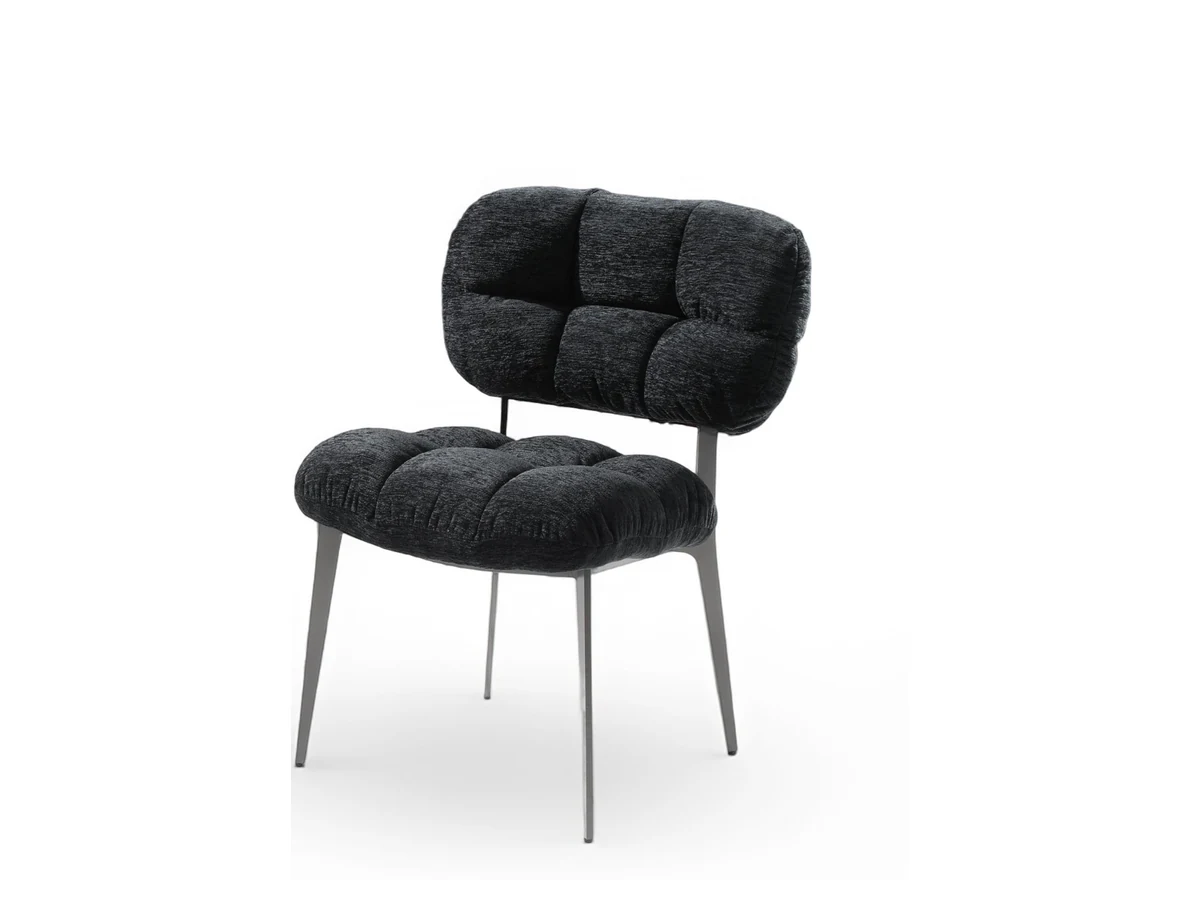
Segmented-Cushion Dining Chair on a Steel Base
Supplier identifies chenille on segmented cushions; confirm the exact fabric code before ordering.
View Details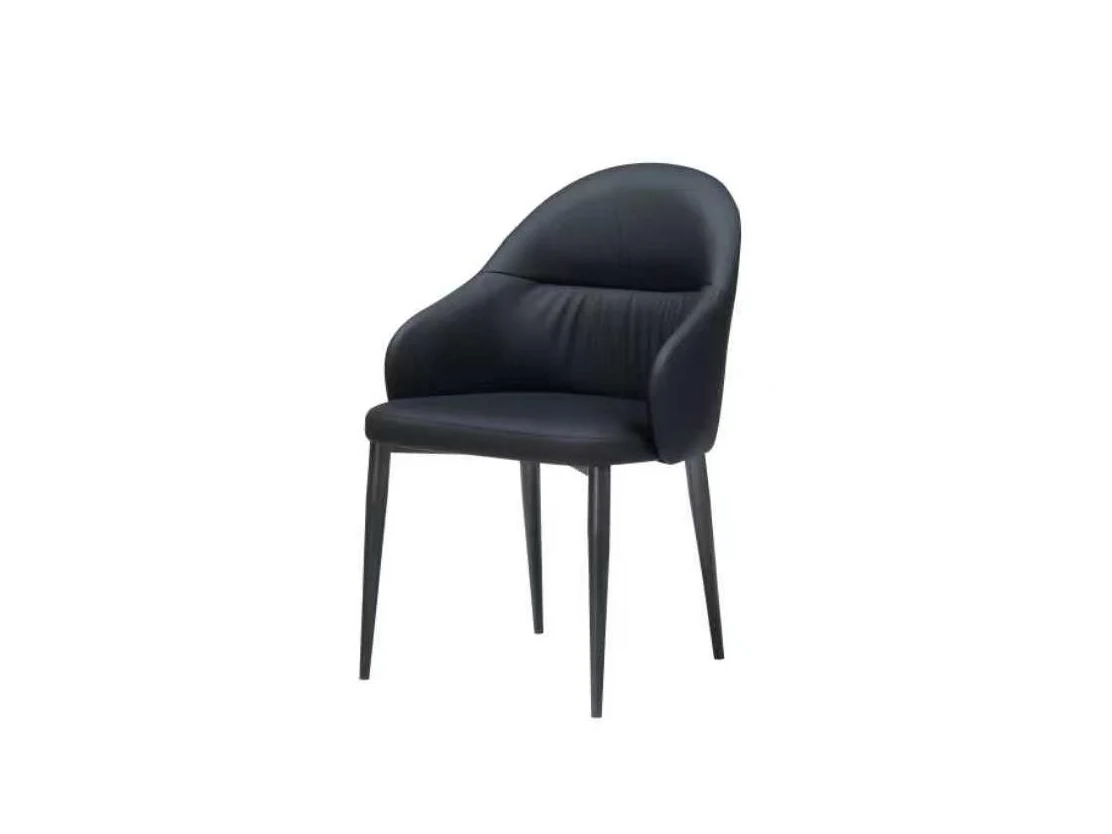
Curved High-Back Dining Chair with Horizontal Stitching
Synthetic leather on a curved, stitched back makes seam approval visible.
View Details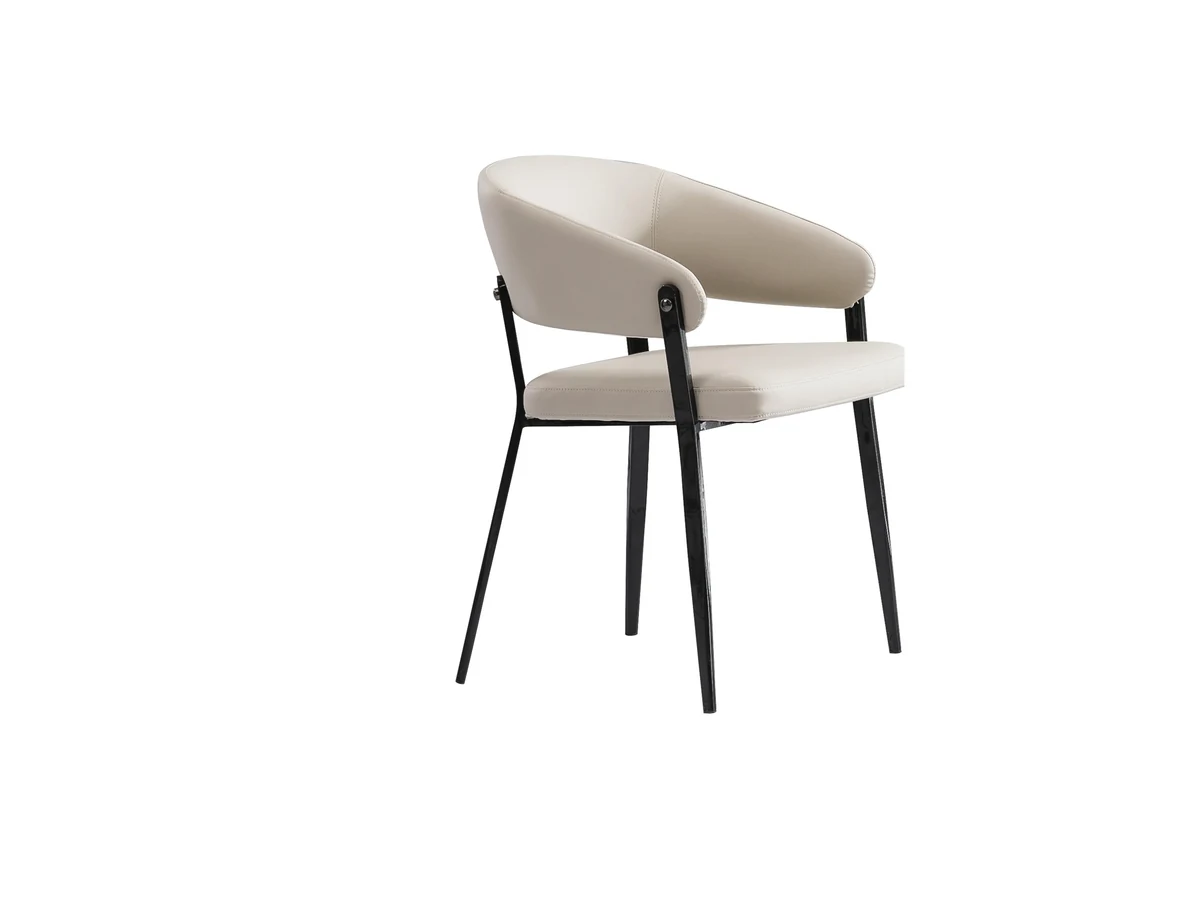
Floating Wrap-Back Dining Chair with Short Arms
Synthetic leather spans an open wrap-back and short arms.
View Details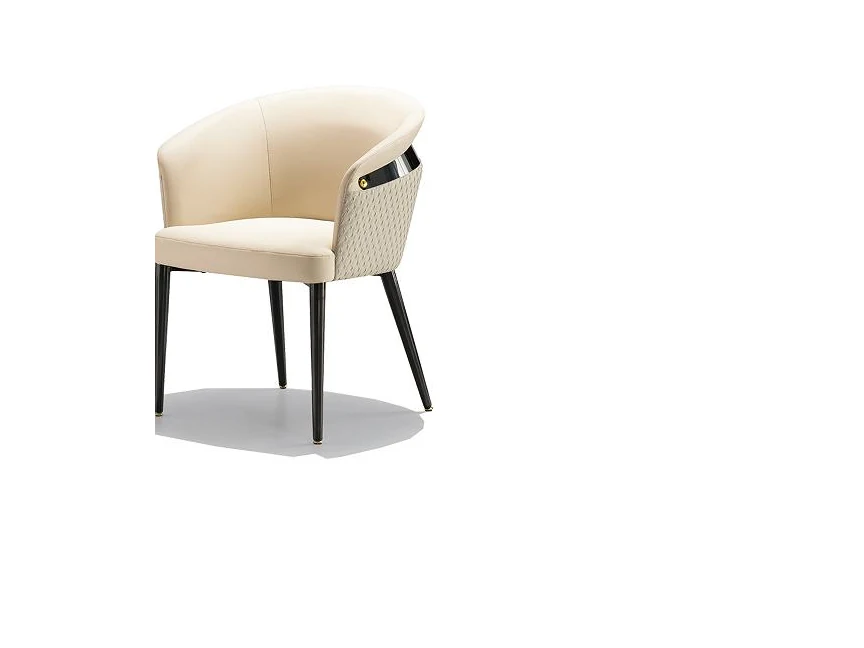
Open-Arm Dining Chair with Woven-Look Back
Woven synthetic-leather rear detail adds a distinct surface and seam treatment.
View DetailsImage credits
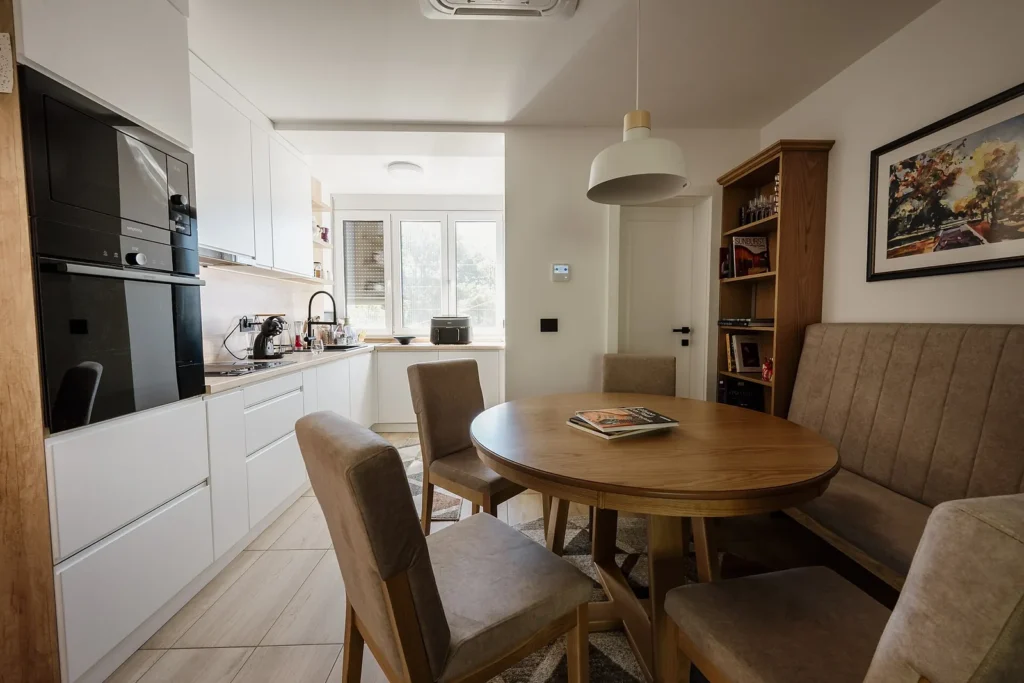
- Modern dining area with stylish table and chairs in cozy interior design.jpg by Shixart1985, CC BY 2.0. Resized and converted to WebP; no crop.
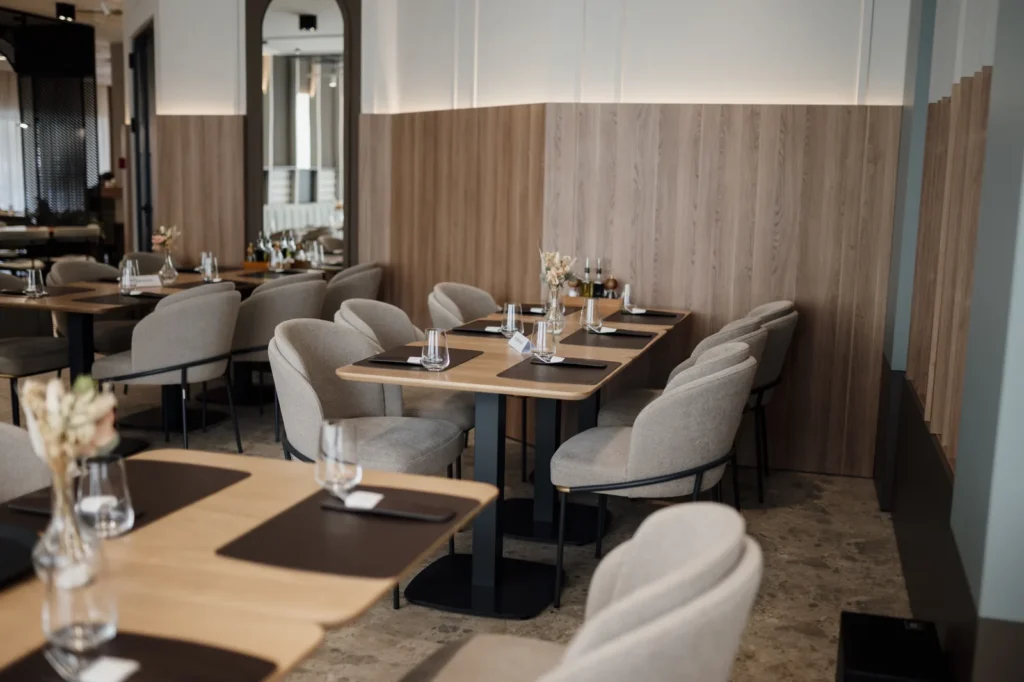
- Close view of a modern chair in a simple setting with light colors and soft textures in a casual indoor space.jpg by Shixart1985, CC BY 2.0. Resized and converted to WebP; no crop.
- Table set for dining in a modern restaurant interior with wooden walls and elegant decor.jpg by Shixart1985, CC BY 2.0. Resized and converted to WebP; no crop.
- Modern dining area with wooden decor and empty tables inviting guests to enjoy a meal at a restaurant.jpg by Shixart1985, CC BY 2.0. Resized and converted to WebP; no crop.
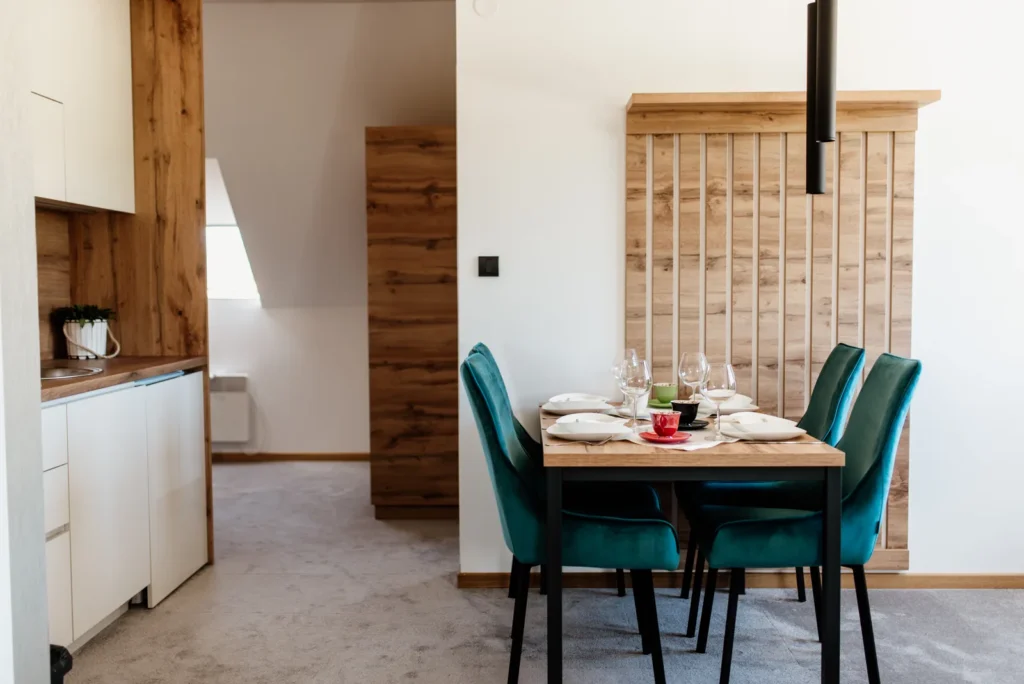
- Modern kitchen and dining area with wooden table and chairs during daytime.jpg by Shixart1985, CC BY 2.0. Resized and converted to WebP; no crop.
- Modern kitchen and dining area in a bright apartment on a sunny day with simple decor and furniture.jpg by Shixart1985, CC BY 2.0. Resized and converted to WebP; no crop.