
Quick answer: Curved back dining chairs use a backrest that bends around the sitter or across the chair’s rear profile. For wholesale selection, first identify whether the design is a continuous wraparound shell, a rounded bucket, an open-back construction or a modestly curved panel. Then compare the chair’s widest point, arm clearance, support structure, upholstery seams and approved sample. A photograph can establish the silhouette; it cannot establish comfort, frame material or long-term performance.
This guide is for importers, distributors, furniture retailers, brands and commercial seating buyers choosing a coherent range of upholstered chairs. It concentrates on curved form and the procurement decisions that form creates. For a wider review of chair categories and commercial requirements, use the commercial dining chairs buying guide. For table-specific spacing, use the separate round-table chair selection guide.
What Is a Curved Back Dining Chair?
The term describes the geometry of the back, not a guaranteed ergonomic benefit or a particular construction method. Viewed from above, the back may form a shallow arc, a near semicircle or two curved wings that extend toward the arms. Viewed from the side, it may also lean or sweep rearward. Two chairs can therefore both be sold as curved back models while offering very different seated space and visual weight.
A useful product brief separates the outer silhouette from the inside contact surface. A dramatic outside curve can surround a relatively flat cushion. A simple outside frame can carry a deeply shaped inside pad. Request front, side, rear and top-angled photographs, along with an overall drawing, before categorizing a model. Record whether the curve is formed by a continuous upholstered body, a shaped timber member, a metal rail, separate padded wings or a combination. These distinctions affect visual consistency, upholstery templates and sample review.
Why Curved Back Dining Chairs Are Popular
Curves soften a dining setting dominated by straight table edges, rectilinear flooring and repeated chair legs. A rounded back can create a recognizable outline in showroom photography and give a furniture collection a family resemblance across several finishes. In a restaurant or private dining room, the repeated arcs can establish rhythm without requiring ornate detailing. In a retail assortment, the same general idea can support clearly differentiated models: a compact armless version, a wraparound armchair and an open-frame chair.
Those visual advantages do not prove that every curved chair is more comfortable or durable than a straight-backed chair. Contact area, seat depth, cushion build, back angle and the user’s posture determine the sitting experience together. A more pronounced wrap can also make a chair wider at the back than at the seat, changing table spacing and carton dimensions. Buyers should treat the shape as a design direction that triggers measurement and sampling questions, rather than as a quality grade.
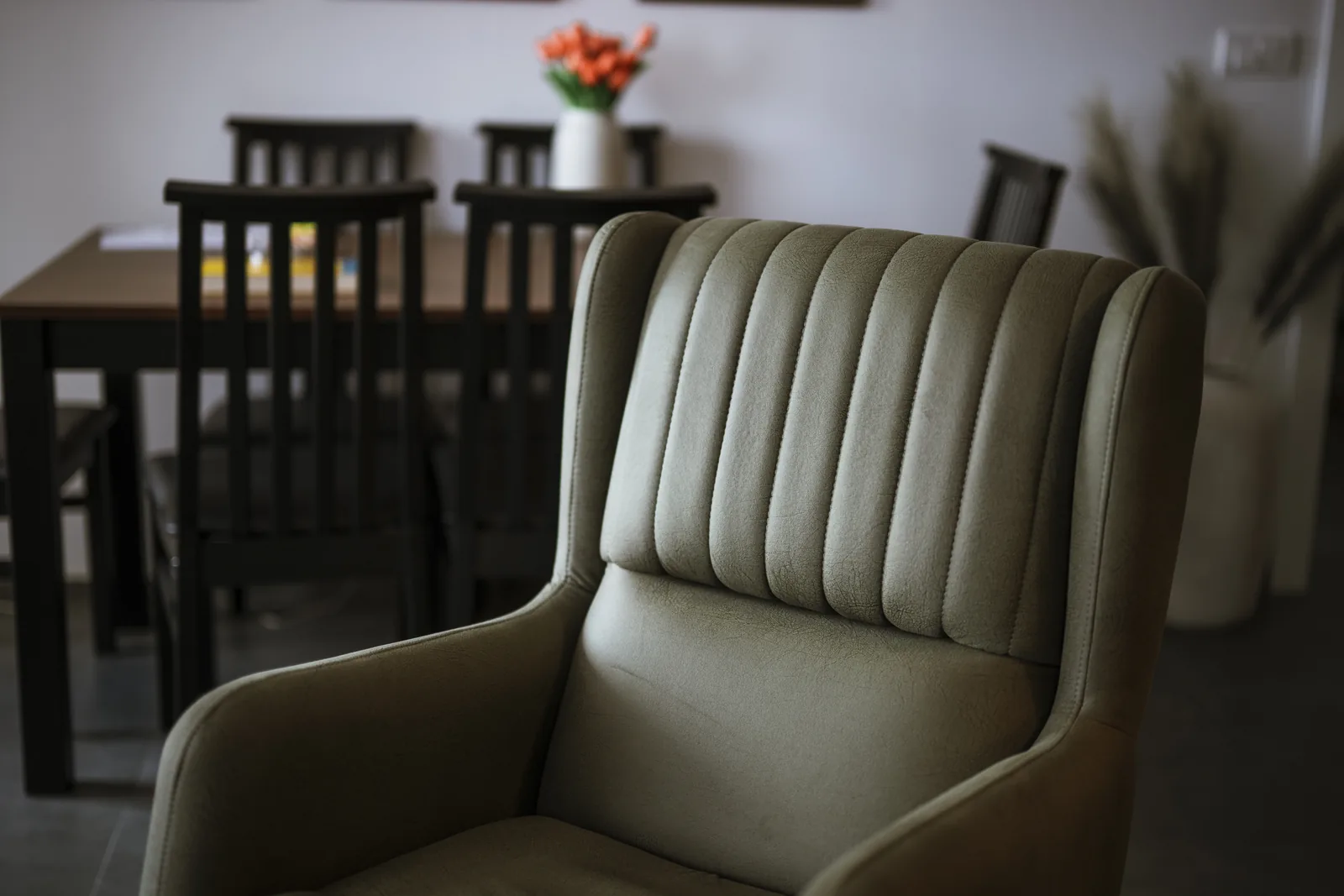
Different Curved Back Dining Chair Styles
The most useful comparison is the construction of the curved upper body and the amount of open space around it. The table below groups common design directions. These are visual families, not fixed industry standards: an actual model may combine features from more than one row.
| Style | What the buyer can see | Useful sample check | Possible trade-off |
|---|---|---|---|
| Continuous wraparound | Back flows into raised sides or arms | Check inside width and arm-to-table clearance | May have a wider outer envelope |
| Rounded bucket | Upholstered bowl-like back and seat relationship | Compare seat depth and ease of entry | Thick padding can reduce usable space |
| Open-back curve | Curved upper rail with a deliberate gap below | Inspect gap finish, connections and rear view | More exposed structure must look consistent |
| Shallow curved panel | Arc is limited to the backrest | Assess actual back contact on the sample | May read less distinctive in a large room |
| Winged or segmented | Separate curved side pads or stitched sections | Check symmetry, seam alignment and templates | More visible alignment points in production |
When shortlisting, compare the same views for each chair. A front image may conceal how far the back projects. A three-quarter image may make an open-sided chair look fully enclosed. The rear finish matters when chairs sit away from a wall or surround an island table. Ask for one complete photo set per variant, with the exact fabric and leg finish named.
Wraparound Upholstered Dining Chairs
A wraparound dining chair has a back that turns toward the occupant and often continues into arm-like sides. The curve can be low and restrained or tall enough to define much of the chair’s outline. From the aisle, it may look generous and enclosed; at the table, the relevant questions are the usable seat width, opening between the sides and the height of the outer edge. Some versions have a visible gap beneath the arms, while others carry upholstery down to the seat.
Wholesale buyers should ask where the internal frame supports the turn from back to side. The upholstered radius often needs carefully planned panel cuts, piping or seams to avoid wrinkles and mismatch. Examine a real sample from the front and rear. Check that left and right curves match, that the cover sits smoothly along the inside radius, and that the chair can be pulled toward the intended table without an arm or back edge colliding with the apron. A pleasing wraparound photograph cannot answer those questions.
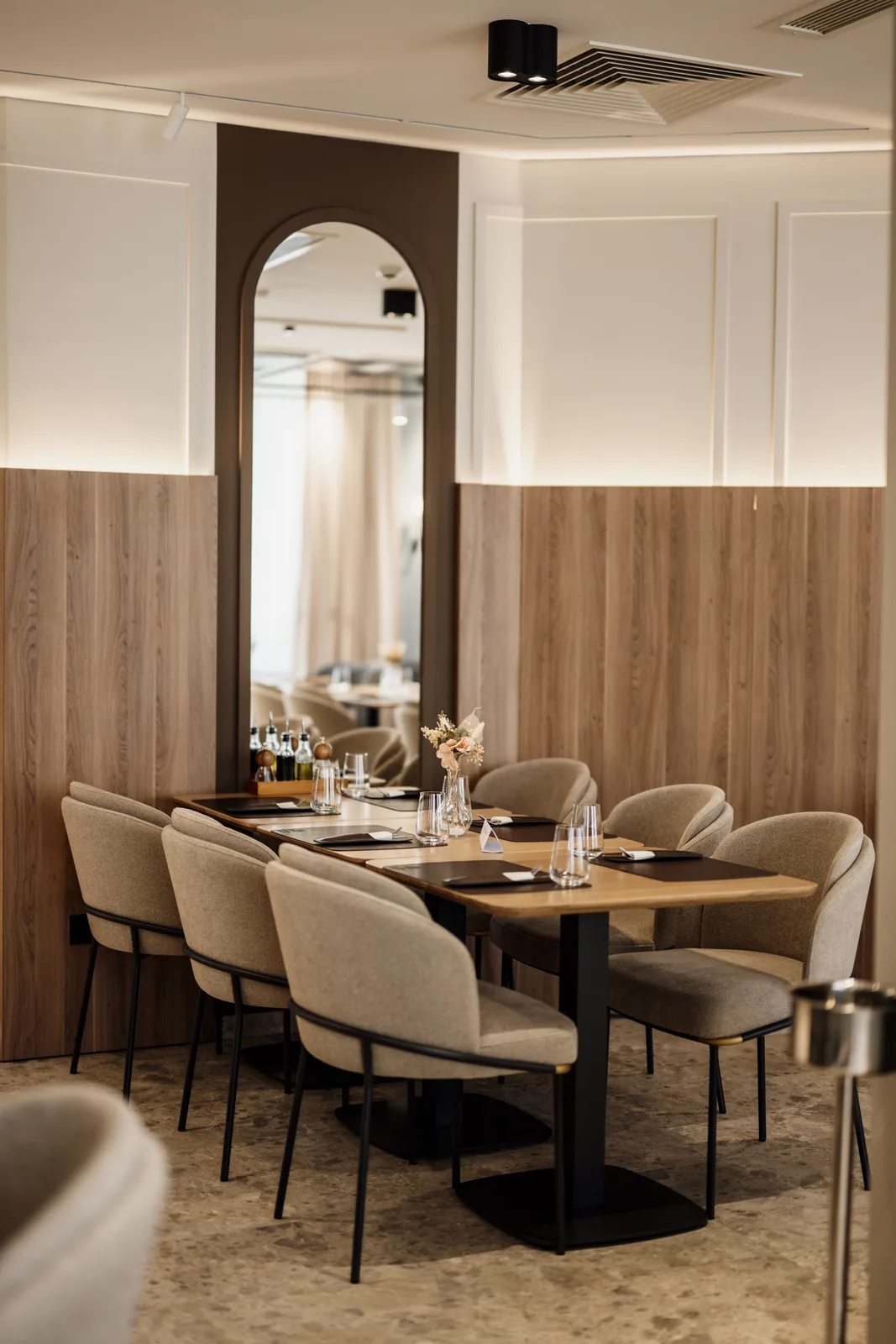
Rounded Bucket Dining Chairs
Bucket is a visual shorthand for a shaped back and seat that appear to cradle the sitter. The actual construction may be a one-piece upholstered form or separate components designed to look continuous. Specify which one is offered. A bucket chair can be compact outside yet narrow inside if its side cushions are thick. Conversely, a wider outside dimension may provide useful interior space, depending on the frame and padding.
Do not treat a deep curve as proof of superior support. During sample approval, have intended users sit upright at a dining-height table, turn to leave the chair and rise without assistance. Note where the back touches the body, whether the front edge presses behind the knee, and whether the sides restrict comfortable movement. Record observations against the model and upholstery selected. If the sample changes cushion thickness or fabric, repeat the fit check; the approved silhouette may remain similar while the contact surface changes.
Open-Back Curved Dining Chairs
Open-back designs place a curved upper rail, upholstered band or arm structure above a visible gap. The opening can make the chair look lighter from across a room and reveal more of the table and floor. It also exposes connections and finish transitions that a fully upholstered shell would conceal. For product photography, request a straight rear view in addition to the more flattering three-quarter view. The back of the chair may face customers, circulation routes or showroom windows.
Inspect the gap with practical handling in mind. Can fingers contact a rough edge when a chair is moved? Is the transition between upholstery and exposed frame neat on both sides? Does the rear material look intentional at the seam? Check that the curve and the gap remain symmetrical on several units, rather than approving only one well-positioned sample. An open design does not automatically reduce weight or packing volume; its frame, legs and carton determine those facts.
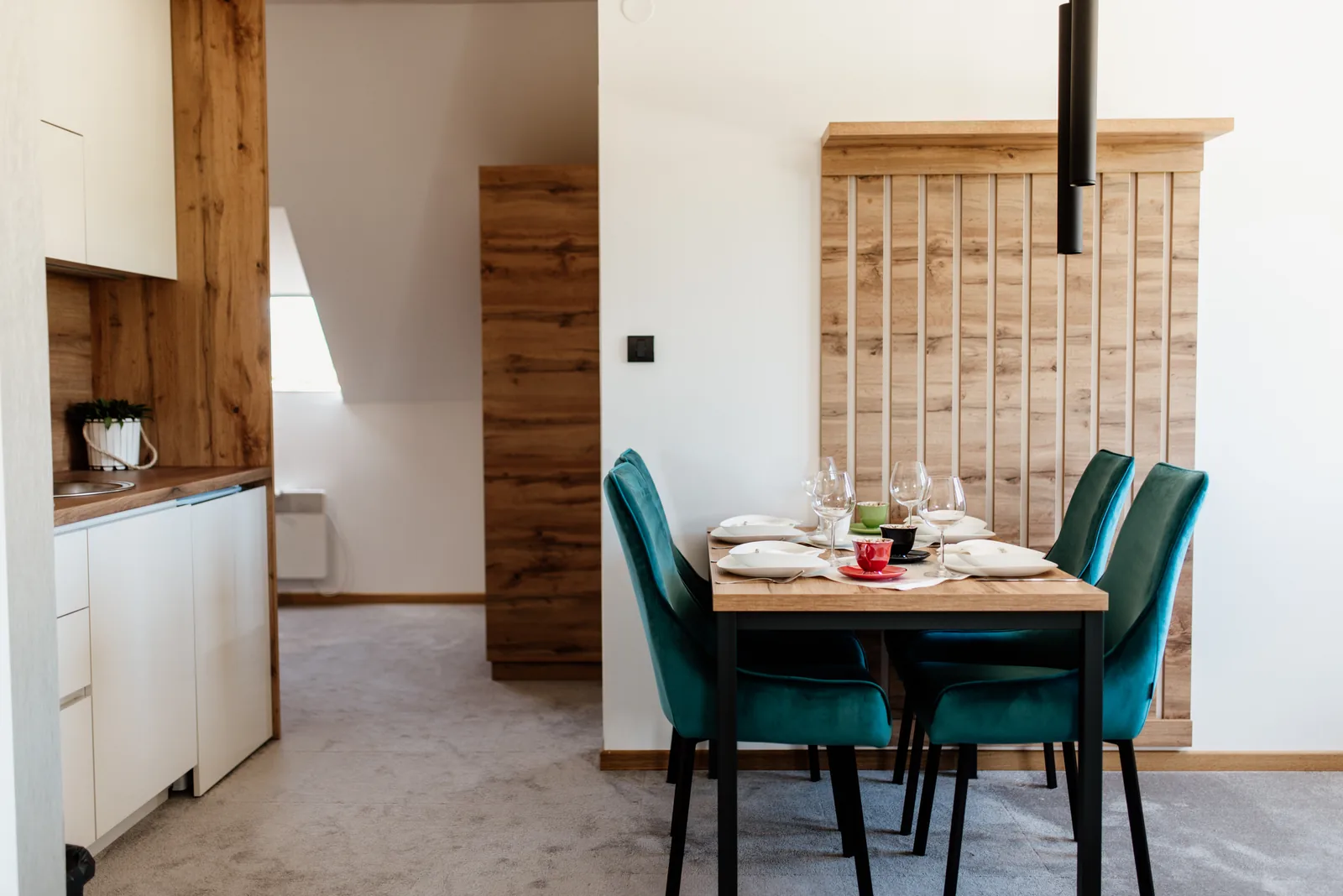
Curved Armchairs vs Armless Designs
A curved dining armchair can provide a more defined seating position and a stronger end-of-table accent. An armless curved chair generally offers a clearer side entry and may allow a tighter arrangement, but only its measured overall width will tell you how many fit at a table. Some chairs described as armless have backs that flare outward beyond the seat. Measure the widest point rather than assigning spacing by product name.
For arms, record both floor-to-arm height and the underside clearance if the chair is intended to slide under a tabletop. Also check whether the arms support a natural seated posture at the selected table height. For armless versions, inspect the lateral edge where users grip the chair to pull it back. Compare finished chairs in the same upholstery: a thick cover, piping or different cushion build may shift the edge or inside width. The round-table selection guide covers layout and seat count in more detail; this guide stays with the chair design itself.
Wood-Leg vs Metal-Leg Curved Chairs
The upper curve and the leg system should be assessed separately. Tapered wood legs can give a warm, furniture-like base beneath a soft shell. Slim metal legs can create a more open lower profile. Crossed, splayed or continuous base shapes alter the stance again. None of these appearances confirms the hidden frame material or the exact metal or wood species. A wood-grain surface may be veneer or another finish; a metallic sheen does not identify stainless steel.
Ask for a component-level specification and close photographs of the leg-to-seat junction. Compare the sample for wobble, floor contact, finish consistency and access to fasteners or replaceable glides. Confirm whether legs are factory fitted, detachable for shipping or assembled after delivery. For a dedicated material and connection comparison, see the wood versus metal dining chair frame guide. That question deserves its own specification review instead of being inferred from the visible legs.
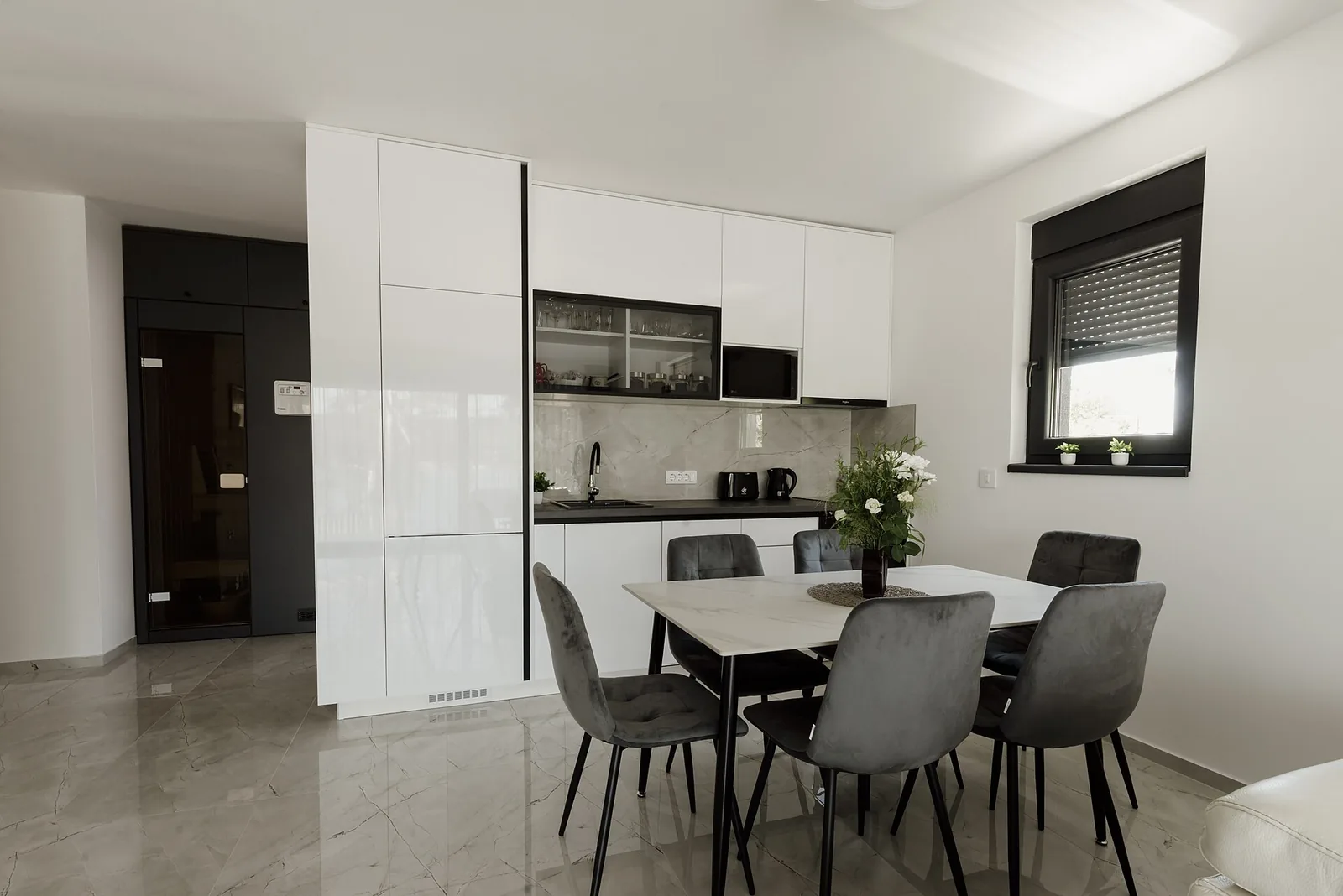
Upholstery and Stitching Details
A curved back places different demands on a cover than a flat rectangular panel. The fabric may need shaped sections, darts, a center-back seam or carefully controlled tension around the radius. Piping can trace a curve neatly but also draws attention to any waviness. Horizontal stitching or segmented padding can emphasize shape, provided lines align across both sides and remain consistent from unit to unit.
Inspect the front and rear, with particular attention to the inside corners where the back turns toward the arms. Record the seam location, stitch appearance, pattern or pile direction, piping width and allowable visual variation on the approved sample. If a photograph suggests chenille, velvet, PU leather or another material, do not assign that material name without a supplier specification. Visual texture alone is unreliable. The separate dining chair upholstery materials guide explains how to compare material codes, swatches and batch consistency.
Photograph the approved sample under neutral light and under the lighting expected in the sales or project setting. A curved surface reflects light unevenly, which can make one side appear darker even when the material is consistent. Ask the supplier to identify whether the observed difference comes from directional nap, panel orientation, lighting or a real mismatch. Agree on the inspection method before bulk production.
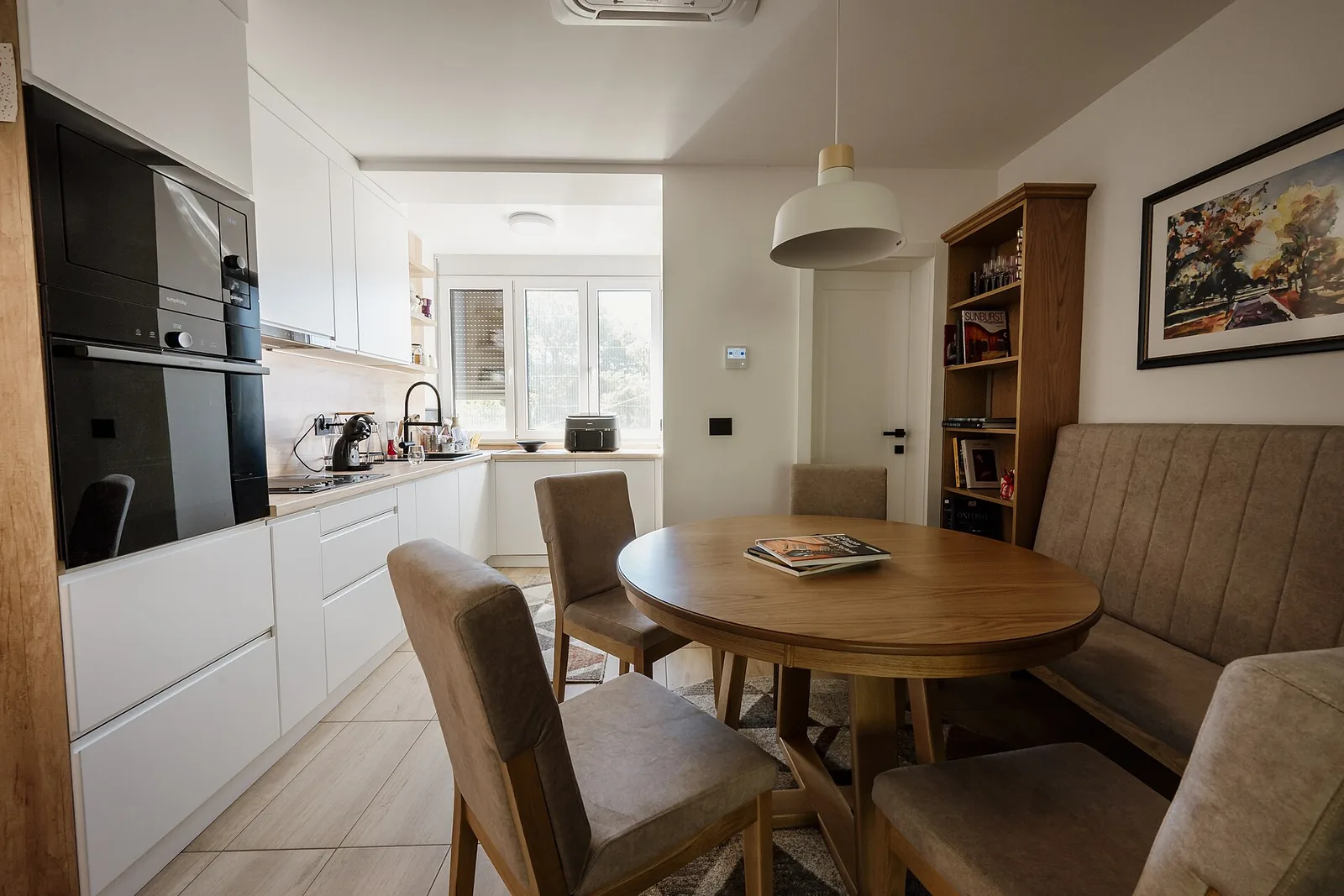
Choosing Curved Chairs for Different Dining Spaces
A retailer may want a distinctive hero model with a strong rear view and several restrained colorways. An importer building a range may need a compact side chair plus a wider armchair that share upholstery or finish language. A restaurant buyer may prioritize a manageable footprint, repeatable appearance and a surface that fits the cleaning plan. These are different briefs; no single curve answers all three.
In a tight café layout, a low, shallow back may reduce visual bulk, but the full chair envelope and circulation still require a plan. In a spacious private dining room, a more pronounced wrap can serve as an accent if guests can enter and leave comfortably. For banquette-adjacent tables, check whether the chair’s rear projection blocks the aisle when occupied. Where chairs line a long table, compare the repeated rear elevation as carefully as the front. Use an actual chair-and-table mock-up when the project depends on exact spacing.
| Buying setting | Design priority | Dimension to confirm | Approval evidence |
|---|---|---|---|
| Wholesale showroom | Distinct front and rear silhouette | Overall width and display footprint | Photographs of exact colorways |
| Restaurant dining area | Repeatability and movement in aisles | Widest back point and pull-back envelope | Sample at the selected table |
| Private dining room | Coherent group appearance | Arm height and table-apron clearance | Room mock-up or dimensioned plan |
| Retail assortment | Clear differences between models | Inside seat width and carton size | Approved sample for each construction |
| Replacement program | Stable finish and identifiable variants | Leg location and floor contact | Specification record and production sample |
This table is a starting brief, not a claim that a particular chair has passed a commercial test. Specify any destination-market or project performance requirement explicitly and request supporting evidence for the selected model and material.
What Wholesale Buyers Should Compare
Compare real candidates on one worksheet. Record the public Product Reference or supplier code; overall width, depth and height; usable seat width and depth; seat height; arm height where relevant; the widest back dimension; leg material and finish; upholstery code; and carton dimensions. Include the proposed table and intended use. Without the same fields, a narrow armless chair and a wide wraparound armchair can appear comparable in a catalog while serving different layouts.
Request the same five views for each candidate: front, both sides, rear, and a close view of the back-to-arm transition. Then inspect at least one physical sample for sitting fit, symmetry, seams, wobble, glide contact and finish. If the order has multiple colors or upholstery types, approve the exact options. Record what has been confirmed, what remains subject to sampling and which changes require renewed approval. Do not treat a supplier’s generic product family description as the specification for every variant.
Curved Dining Chair RFQ Checklist
A useful request for quotation connects the visual reference to a buildable, inspectable order. Send one line per chair model and finish, and attach the relevant drawing or photographs.
- Model identification: verified Product Reference code or named source model, with front and rear images.
- Order scope: units by model, upholstery color and leg finish; destination market and intended use.
- Finished dimensions: overall width, depth and height; widest back point; seat and arm measurements where relevant.
- Construction: documented back and frame materials, leg material, connection method and whether legs detach.
- Upholstery: material code, approved swatch, seam map, piping or stitch details and acceptable visual variation.
- Sample plan: approval of sitting fit, symmetry, finish, glides and the exact chair-and-table relationship.
- Packing: carton size, units per carton, protection for curved backs and handling or labeling needs.
- Evidence: any market-specific tests, care instructions or documents the buyer requires for the selected configuration.
If a requirement is unknown, mark it for confirmation instead of allowing two suppliers to assume different constructions. Ask whether a change in fabric, back padding or leg system affects the approved dimensions. The quote should identify the chosen configuration and the open questions clearly enough for a buyer to compare like with like.
FAQ
Are curved back dining chairs always more comfortable?
No. Comfort depends on inside width, back angle, padding, seat dimensions and the user. Compare physical samples at a dining table rather than relying on the curve alone.
Is a wraparound chair the same as a bucket chair?
The terms overlap, but they describe different emphases. Wraparound highlights how the back continues toward the sides or arms; bucket suggests a bowl-like seated form. Check the actual construction and inside space.
Can curved chairs fit around a round table?
Yes, if their widest points, arm heights and pull-back footprints suit that particular table and room. Use the actual chair dimensions and table-base drawing, not a generic seat-count rule.
Do metal legs mean the entire chair has a metal frame?
No. Visible legs do not establish the material of the upholstered shell or internal support. Request a component-level specification for the selected model.
How should a buyer check curved upholstery quality?
Review the approved sample from multiple angles. Check seam placement, left-right symmetry, cover tension, piping and rear finish, then document the accepted appearance for production inspection.
What information should be included in a bulk chair inquiry?
Provide the model reference, quantity by variant, intended use, destination, required dimensions, upholstery and finish choices, sample requirements and packing needs. Identify any unresolved specification before requesting a final quote.
Related Curved Dining Chair Models
Explore the verified Product References recommended below to compare real silhouettes and rear views. Use each detail page’s current reference code when requesting a sample or a bulk quotation. If a shown material or dimension matters to your order, confirm that exact specification for the selected finish.
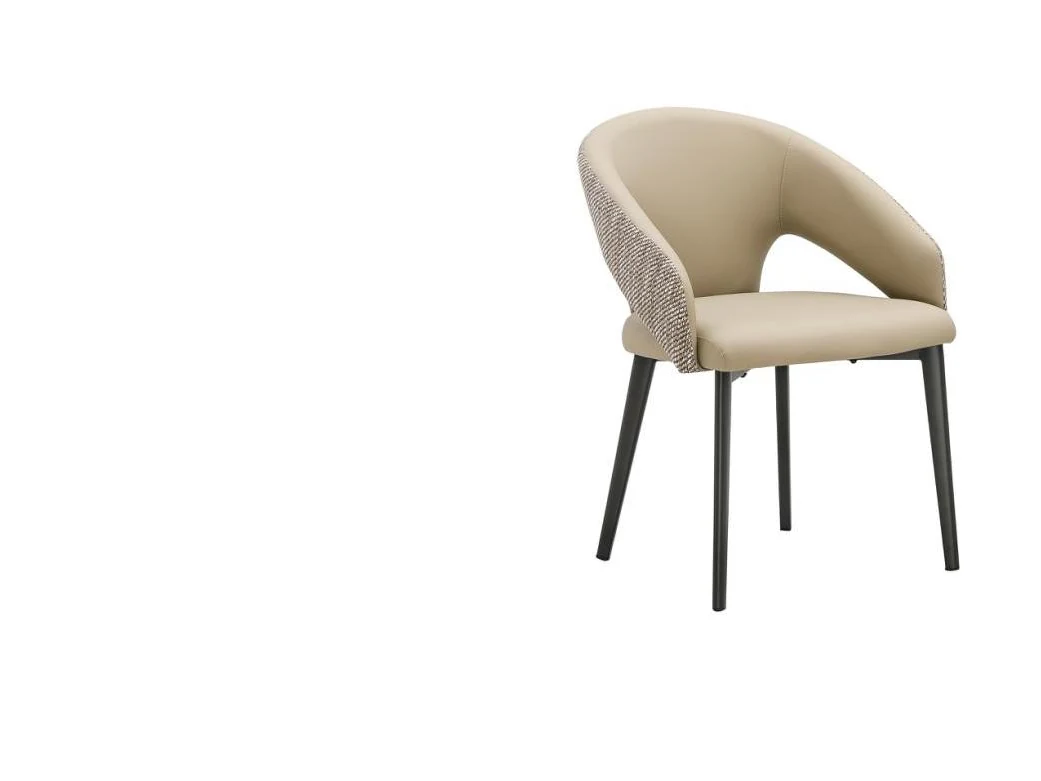
Half-Wrap Dining Armchair with Open Side Detail
Half-wrap back and open side detail show a lighter curved armchair profile.
View Details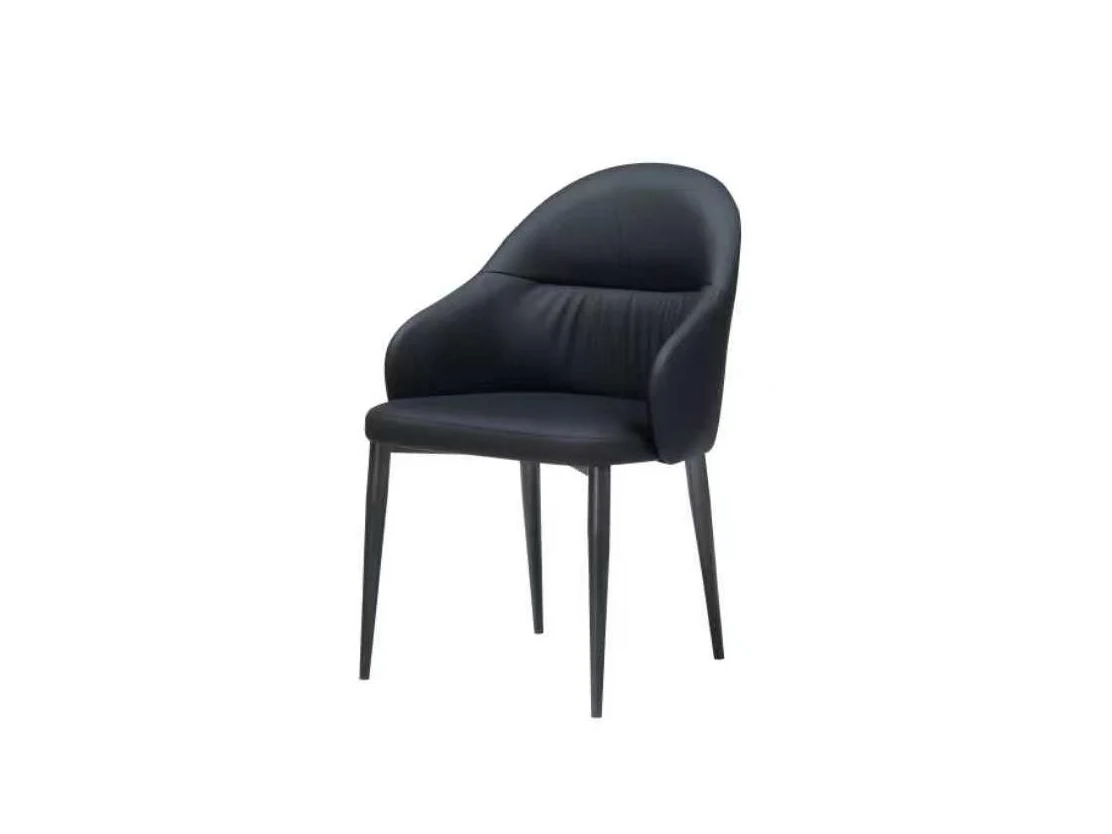
Curved High-Back Dining Chair with Horizontal Stitching
Continuous high curved back gives a contrast to open-back forms.
View Details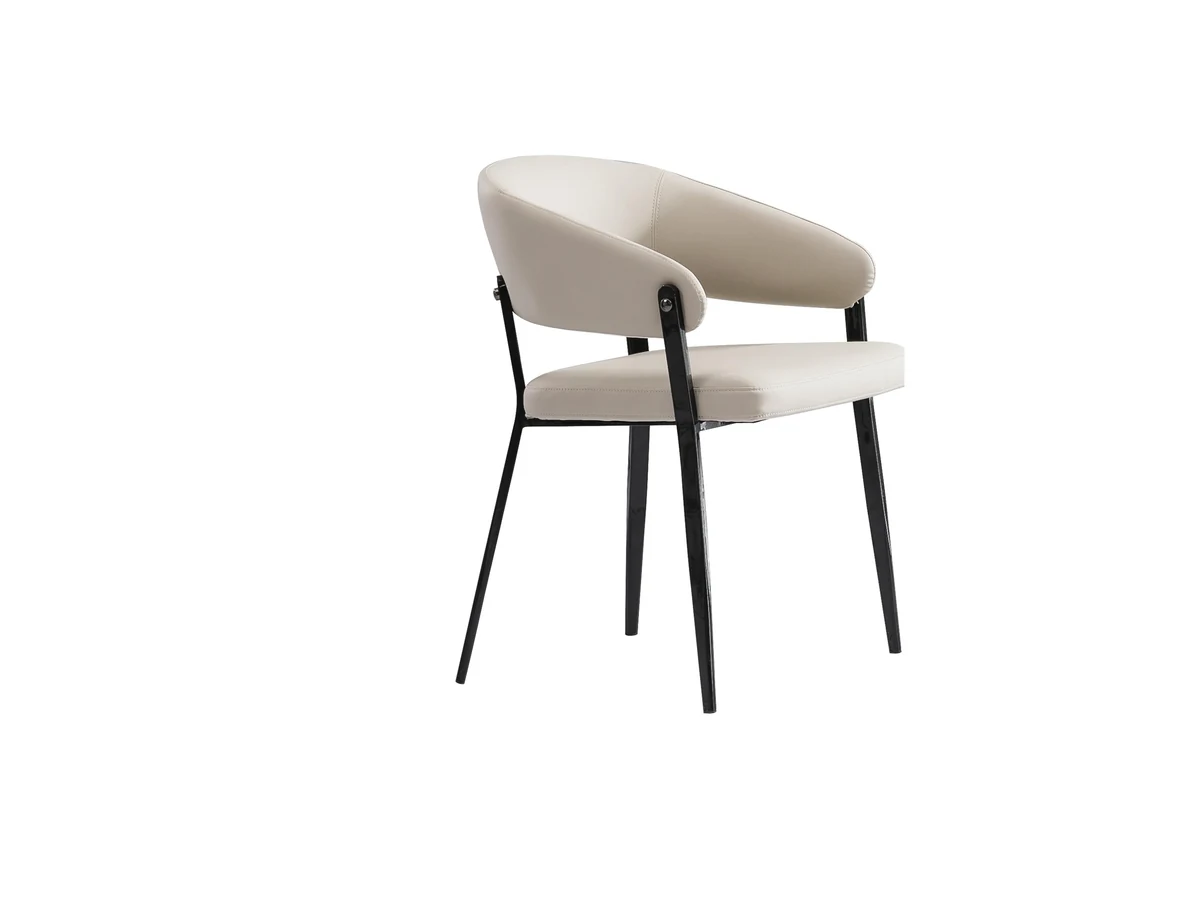
Floating Wrap-Back Dining Chair with Short Arms
Short arms and a floating wrap-back create a more open seated outline.
View Details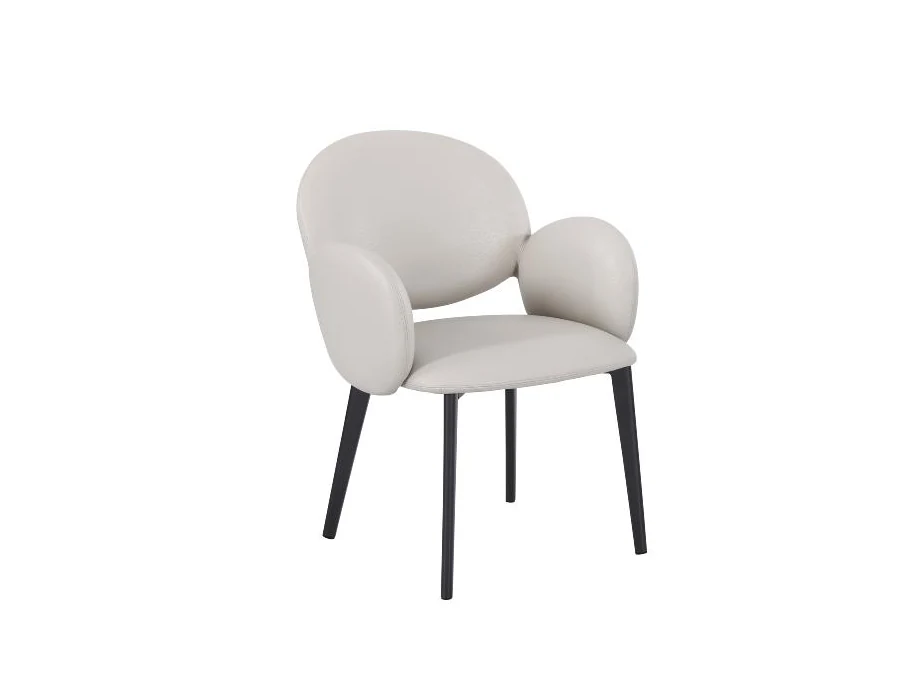
Rounded Double-Cushion Dining Armchair
Rounded layered cushions illustrate a fuller enclosed upper body.
View DetailsImage credits
- Modern dining area with wooden decor and empty tables inviting guests to enjoy a meal at a restaurant.jpg by Shixart1985, CC BY 2.0. Resized and converted to WebP; no crop.
- Modern chair sits in front of a dining table.jpg by Shixart1985, CC BY 2.0. Resized and converted to WebP; no crop.
- Table set for dining in a modern restaurant interior with wooden walls and elegant decor.jpg by Shixart1985, CC BY 2.0. Resized and converted to WebP; no crop.
- Modern dining area with stylish table and chairs in cozy interior design.jpg by Shixart1985, CC BY 2.0. Resized and converted to WebP; no crop.
- Modern kitchen and dining area in a bright apartment on a sunny day with simple decor and furniture.jpg by Shixart1985, CC BY 2.0. Resized and converted to WebP; no crop.
- Modern kitchen and dining area with wooden table and chairs during daytime.jpg by Shixart1985, CC BY 2.0. Resized and converted to WebP; no crop.