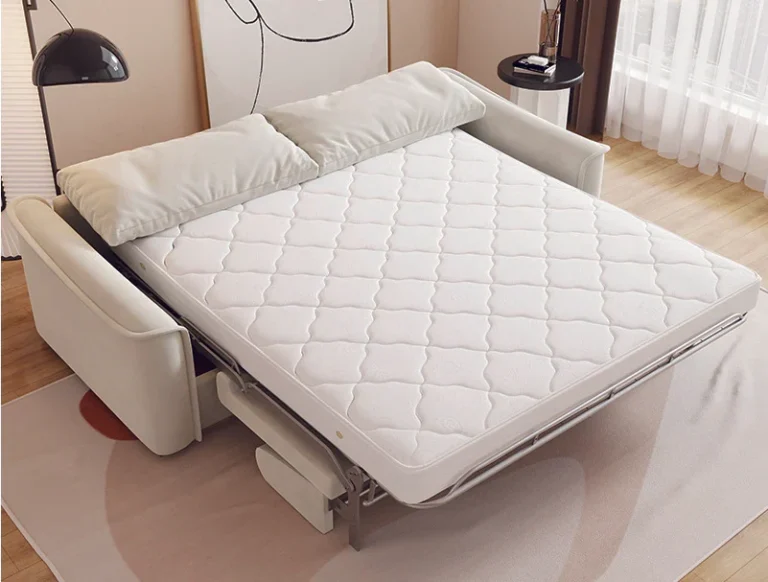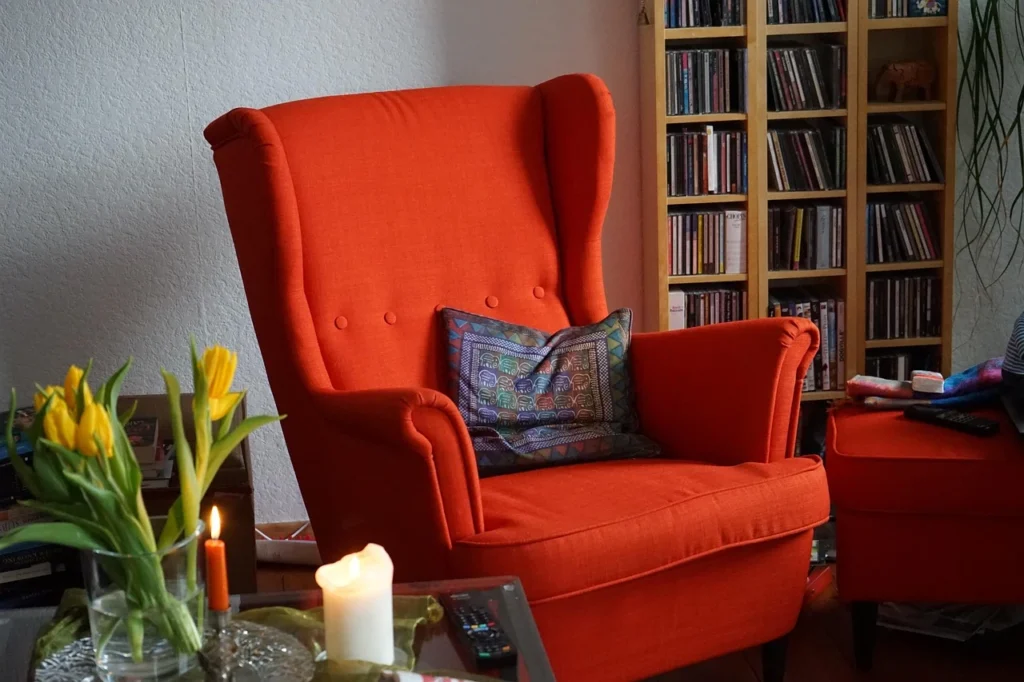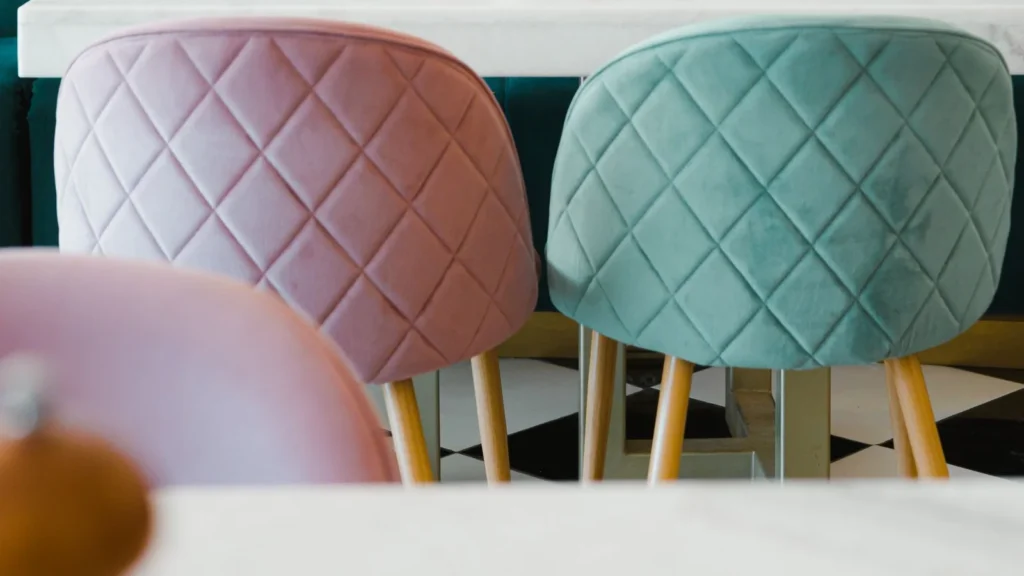

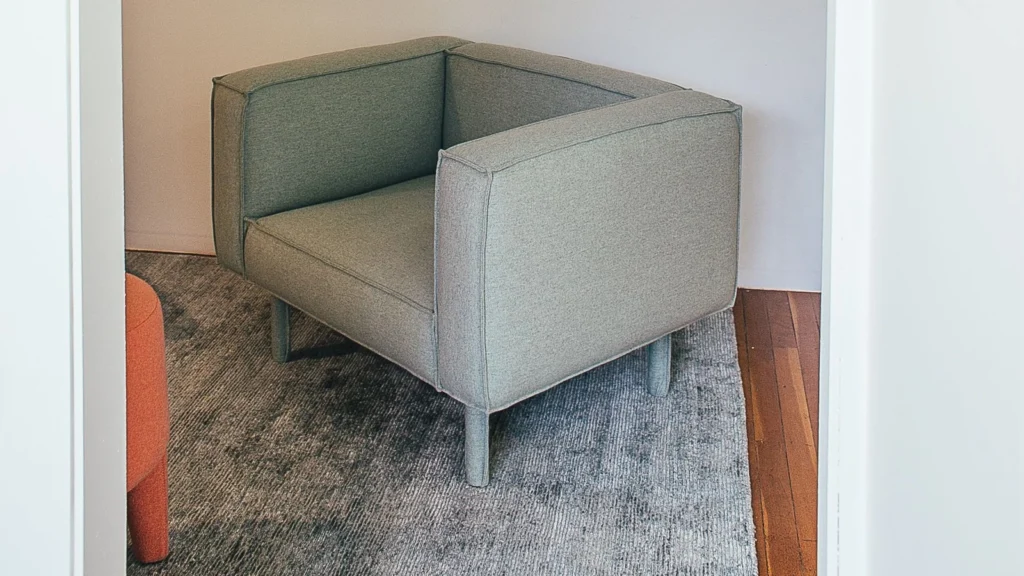
That distinction helps when comparing products. A chair can look striking without supporting the posture you need, while a quiet neutral chair can still bring contrast through its shape. Start with its job in the room, then check the actual model.
What Makes a Chair an Accent Chair?
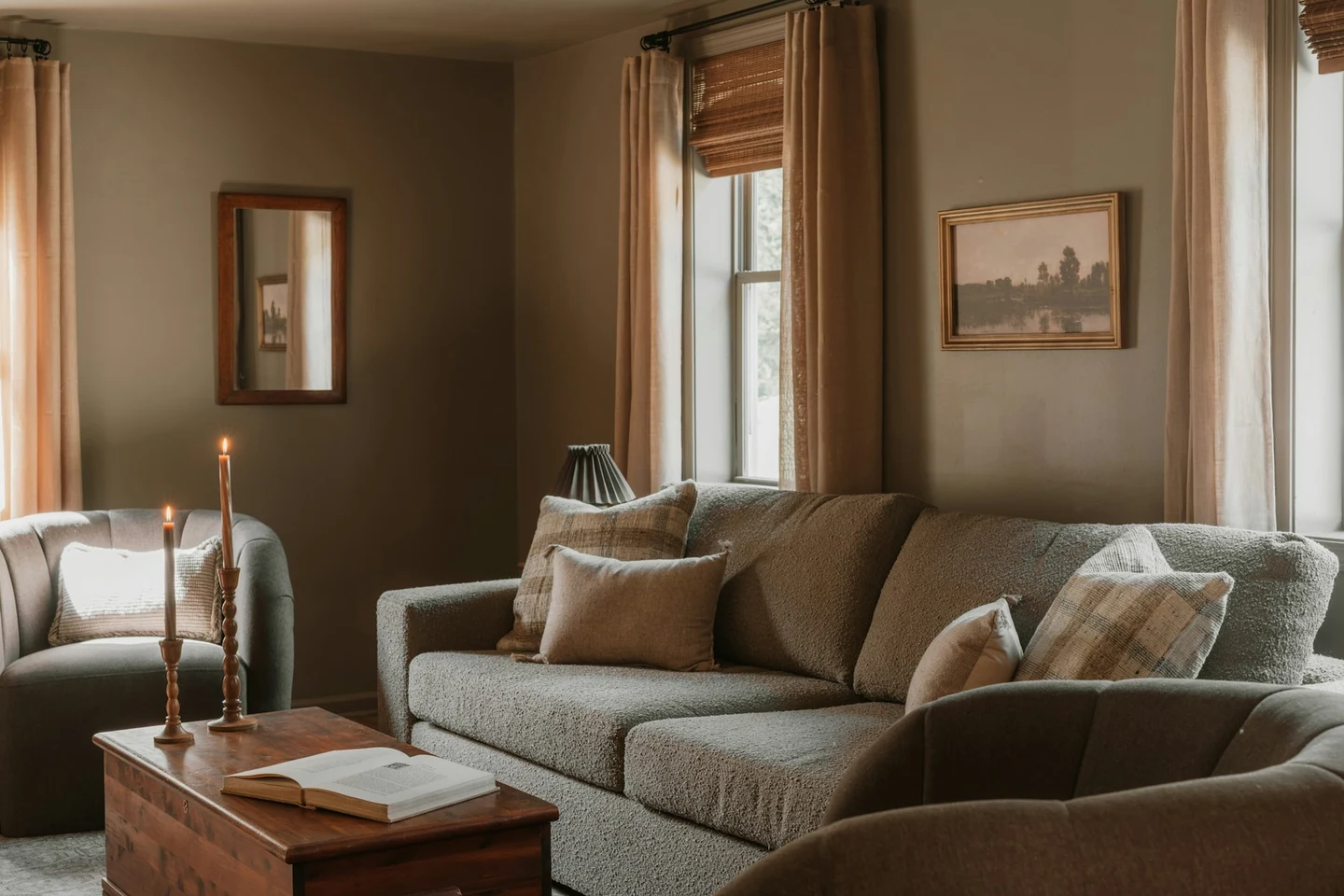
The defining feature is its relationship with the surrounding furniture. A patterned chair can stand out against a plain sofa; a softly curved seat can interrupt a room full of straight edges. An exposed frame, textured cover or different leg finish can create emphasis without a bright color.
The term is used broadly in furniture retail. World Market’s accent-chair guide, for example, describes a chair that complements or contrasts with the main seating. That is a useful description of a decorating role, rather than a promise about dimensions or comfort.
Ask two separate questions: what does the chair contribute visually, and what will someone do in it? Reading, receiving visitors, putting on shoes and dining create different requirements. The label alone cannot establish that a chair suits all of them.
Accent Chair vs Armchair vs Lounge Chair
These terms describe different aspects of furniture, so they can overlap. Use the following distinction when reading a catalog or writing a purchase brief.
| Term | What it describes | What still needs checking |
|---|---|---|
| Accent chair | Visual and supporting-seating role within a room | Posture, size, structure and intended use |
| Armchair | A chair fitted with armrests | Whether it is a dining, lounge or other form |
| Lounge chair | Seating intended for a relaxed sitting activity | Seat depth, back angle and support for the user |
| Club or barrel chair | A more specific style or enclosing shape | Actual proportions, upholstery and base operation |
A fabric lounge armchair in a distinctive color may satisfy all three of the first descriptions. Conversely, an armless accent chair is still an accent chair. Avoid treating search categories as mutually exclusive engineering specifications.
Common Types of Upholstered Accent Chairs
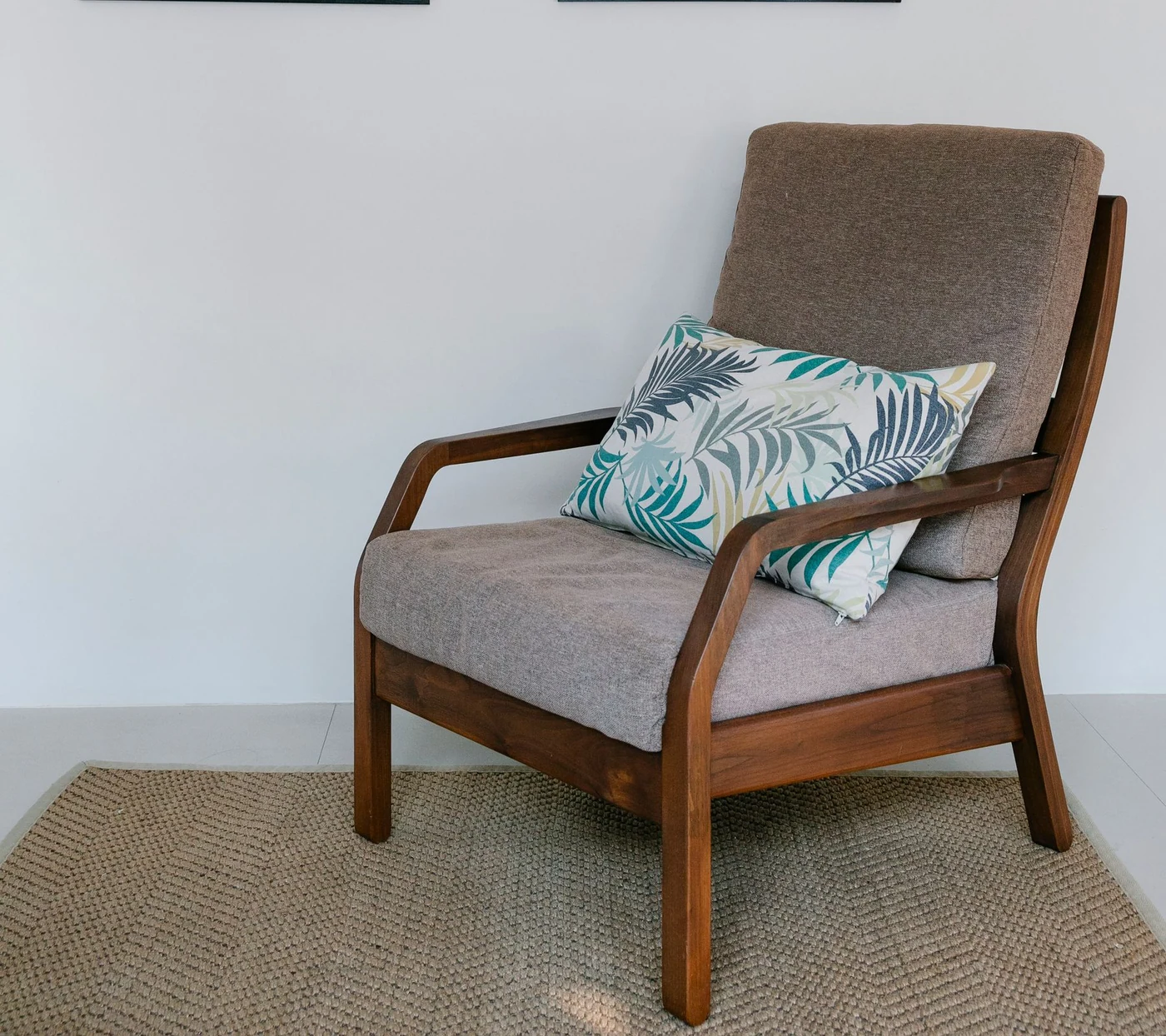
Exposed-frame chairs combine a visible frame with upholstered areas. They can introduce a wood or metal finish while keeping the room visually open. Confirm the material rather than identifying it from color alone.
Slipper-style chairs are armless upholstered seats. They may have a compact outline, but the absence of arms does not establish a shallow seat or an easy standing movement. Compare the finished seat with the intended user and activity.
Wingback chairs have projecting sides at the upper back. They bring a taller silhouette and a more enclosing outline. Their wing shape, back angle and upholstery deserve separate review.
Club and barrel forms can also create an accent. A club chair suggests a lounge-oriented upholstered armchair; a barrel form uses a back that curves around the sides. For the detailed distinctions, use What Are Club Chairs? and the barrel chair guide.
Swivel describes a movement feature, which can occur beneath several shapes. Request an operation demonstration before assuming that a circular base turns, tilts or returns to center.
Where Are Accent Chairs Used?
In a living room, one chair can balance a sofa and give someone a separate place to sit. Two chairs may support conversation, but the right number depends on the occupied layout. A chair that fills an empty corner yet blocks access has not solved the seating problem.
In a bedroom or apartment, decide whether the seat supports reading, dressing or occasional guests. Place the lamp and table within reach of the seated position. Do not assume a low lounge chair can replace a desk chair simply because both fit beside a table.
Hotel guestrooms add repeated room layouts and housekeeping needs. A distinctive chair can identify the sitting corner, but curtains, luggage and cleaning equipment still need space. In a reception area, consider where a visitor places a bag and whether the back of the chair is visible from the entrance.
The hotel lounge chair buying guide covers that broader hospitality selection process. Here, the useful first decision is whether the chosen accent adds seating that people can actually use.
Accent Chair Sizes and Placement Considerations
There is no universal accent-chair size. The outside width includes arms and upholstery, while usable seat width measures the space available to the sitter. Two equally wide chairs can therefore feel very different. Overall depth also includes the back structure, rather than just the sitting surface.
Mark the proposed chair on the floor and include space to approach, sit, stand and pass. Add the side table, lamp base, rug and nearby doors. For a swivel model, check the farthest projecting part throughout its allowed movement. A static outline is insufficient.
Compare the chair with the sofa and table at full scale. Matching seat heights exactly is not a universal requirement, and a photograph can hide proportion differences. Use the lounge chair dimensions guide for the measurement fields, then obtain the selected model’s drawing.
Upholstery, Frame and Comfort Considerations
Choose the covering for its appearance and the care routine it will receive. Texture, pile direction and pattern scale can change how a chair looks across a room. Approve a physical swatch under the intended lighting, then inspect a covered sample; a small swatch cannot show seam placement or a full pattern repeat.
Check whether a material is woven fabric, genuine leather or a leather-look covering. Similar photographs can show different compositions. Cleaning instructions, removable covers and performance documentation should refer to the exact material and finished configuration.
The visible legs do not identify the entire internal frame. Ask how the seat, back and base connect. During a sample review, sit naturally, reach the table and stand again. Note where the back and arms make contact, whether a cushion changes the usable depth, and whether the chair sits steadily on the proposed floor.
A soft appearance is not evidence of a particular foam density, load rating or certified performance. Record requirements explicitly and request matching documentation when a project calls for it.
Choosing Accent Chairs for Hospitality and Wholesale Collections
For a wholesale assortment, organize models by purpose before color: a compact reading seat, a taller statement chair or a flexible swivel option. This keeps a collection from becoming several visually different chairs that all duplicate the same function.
Keep the approved style and ordered configuration separate. Changing a cover, arm shape or base may affect seams, comfort, outside dimensions and floor contact. Record the revised configuration rather than relying on the original catalog photograph.
- Identify the intended room, activity and quantity by model.
- Attach front, side and rear references, plus the required measurements.
- Specify upholstery code, pattern direction, visible finish and base function.
- Review an assembled sample with its adjacent furniture.
- Record drawing revision, accepted changes and any required test evidence.
Use the HUAXUAN upholstered chair collection to shortlist actual designs. This is the stage to connect a room’s accent idea with a repeatable product specification.
Real HUAXUAN Accent Chair References
HX-CHR-004 is a yellow fabric lounge-chair reference for a stronger color accent. HX-CHR-007 uses patterned upholstery and a taller outline. Compare these with HX-CHR-006 for a quieter rounded shape and HX-CHR-014 for another compact accent direction.
These are published lounge or accent references, rather than dining chairs relabeled for the article. Their records do not provide verified numerical dimensions or complete internal specifications. Request those for the chosen version. The licensed room photographs illustrate furniture roles; only the identified product references and cards represent HUAXUAN catalog models.
Frequently Asked Questions
What are accent chairs used for?
They provide an additional seat and a visual point of interest. Common settings include living rooms, reading corners, guestrooms and reception areas; the actual model determines its suitability.
Does an accent chair have to be a different color?
No. Shape, pattern, texture or frame finish can create the accent. A neutral chair can still stand out against the surrounding furniture.
Can an accent chair be an armchair?
Yes. “Armchair” describes the presence of arms, while “accent” describes the chair’s role in the room.
Are accent chairs comfortable for everyday sitting?
Some are, but the category name cannot establish comfort. Check usable seat size, support, back angle and the assembled sample for the intended activity.
Can a dining chair serve as an accent chair?
It can add visual interest, but that does not make it a lounge chair. Confirm posture and table compatibility before using it for another purpose.
For a bulk selection, send the reference codes, quantities, target dimensions and upholstery direction through the furniture quotation form.