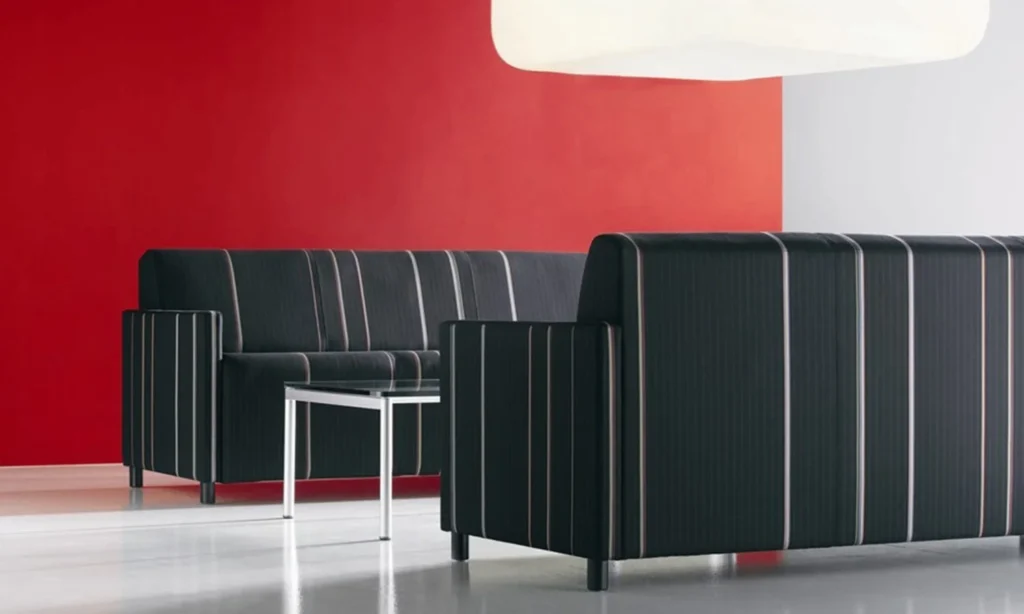
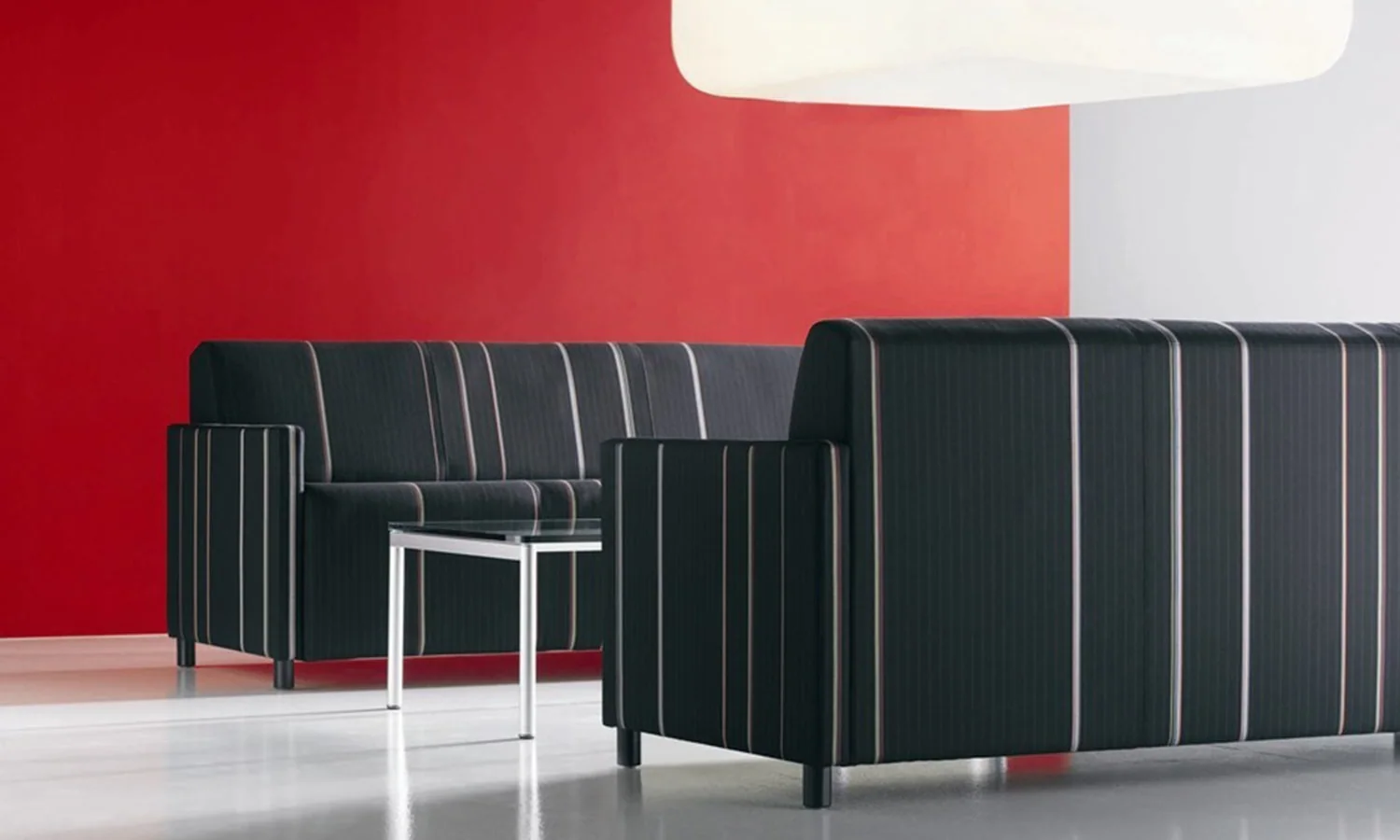
This sofa back styles guide helps B2B buyers compare tight, loose-cushion, pillow, high, low, channel-tufted and button-tufted backs by comfort, appearance, maintenance and space. A tight back keeps a controlled profile; loose cushions offer adjustable support but need positioning; high backs add enclosure; low backs preserve open sightlines. Tufting creates visual structure but introduces seams or recesses that operations teams must assess. For hotels, apartments, offices and commercial lounges, specify backrest height, angle, cushion thickness, attachment, upholstery details and the approved front and side views before bulk ordering.
Why sofa back styles matter
The back is one of the largest upholstered surfaces on a sofa. It determines where the body is supported, how much of the room is visually blocked, how cushions are maintained and how consistently a batch appears. A low, smooth back can make a lobby feel open but may not provide the upper support expected for longer sitting. A high, enclosed back can create privacy yet dominate a compact guest room. The correct design begins with function and posture, then resolves the visual language.
B2B buyers should treat the reference photo as style evidence, not a complete specification. Front images conceal angle, cushion thickness and rear construction. Ask for front, side and rear views when the sofa is visible from multiple directions. Record whether the back cushions are fixed, zipped, located with hook-and-loop or completely loose. If the product will repeat across rooms, document tuft spacing, seam alignment and cushion arrangement so variation can be inspected objectively.
Sofa back styles guide: common back designs
A tight back sofa has upholstery and padding built directly onto the back structure, usually creating a tailored profile. A loose back cushion sofa uses separate cushions that can shift or be removed, depending on attachment. A pillow back sofa uses several softer pillows rather than one continuous support face. These names describe construction direction but do not guarantee firmness, height or comfort. Supplier terminology can overlap, so every label needs drawings and approved details.
High back sofa and low back sofa describe relative height, not a universal measurement. Channel tufted sofa designs organize padding into repeated vertical or horizontal channels, while a button tufted sofa anchors upholstery at individual points. Tufting may be shallow and decorative or deeper and more structural. Buyers should specify the exact pattern, panel count, spacing, button finish, stitch line and padding profile instead of ordering only by the broad style name.
| Sofa Back Style | Comfort | Appearance | Maintenance | Best Application | B2B Buying Notes |
|---|---|---|---|---|---|
| Tight back sofa | Consistent support with limited adjustment | Clean, tailored and orderly | Lower reshaping; attached surface still needs access | Reception, waiting and formal hotel seating | Approve padding profile, seams and back angle |
| Loose cushion back sofa | Adjustable and often softer | Layered, residential character | Requires positioning and possible reshaping | Apartments, guest rooms and managed lounges | List cushion quantity, size and attachment |
| Pillow back sofa | Relaxed and adaptable | Soft, casual and visibly layered | Higher housekeeping attention | Suites, villas and residential-style lounges | Confirm pillow fill, count and approved arrangement |
| High back sofa | Upper-back support and enclosure | Tall, private and space-defining | More upholstered area and edge review | Office booths, lobby niches and quiet lounges | Plot height, sightlines and wall or sprinkler context |
| Low back sofa | Supports lower-back or relaxed posture depending on angle | Open, light and visually unobtrusive | Simple outline but support must be tested | Open lobbies, showrooms and collaborative areas | Confirm support contact, not appearance alone |
| Channel tufted sofa | Structured padding with vertical or horizontal zones | Rhythmic, contemporary or retro | Channels and seams need cleaning review | Hotels, clubs and statement lounges | Control channel count, width and alignment |
| Button tufted sofa | Firmly anchored upholstery around tuft points | Classic, detailed and formal | Recesses need attention | Boutique hotels, villas and formal reception | Approve button material, spacing and tension |
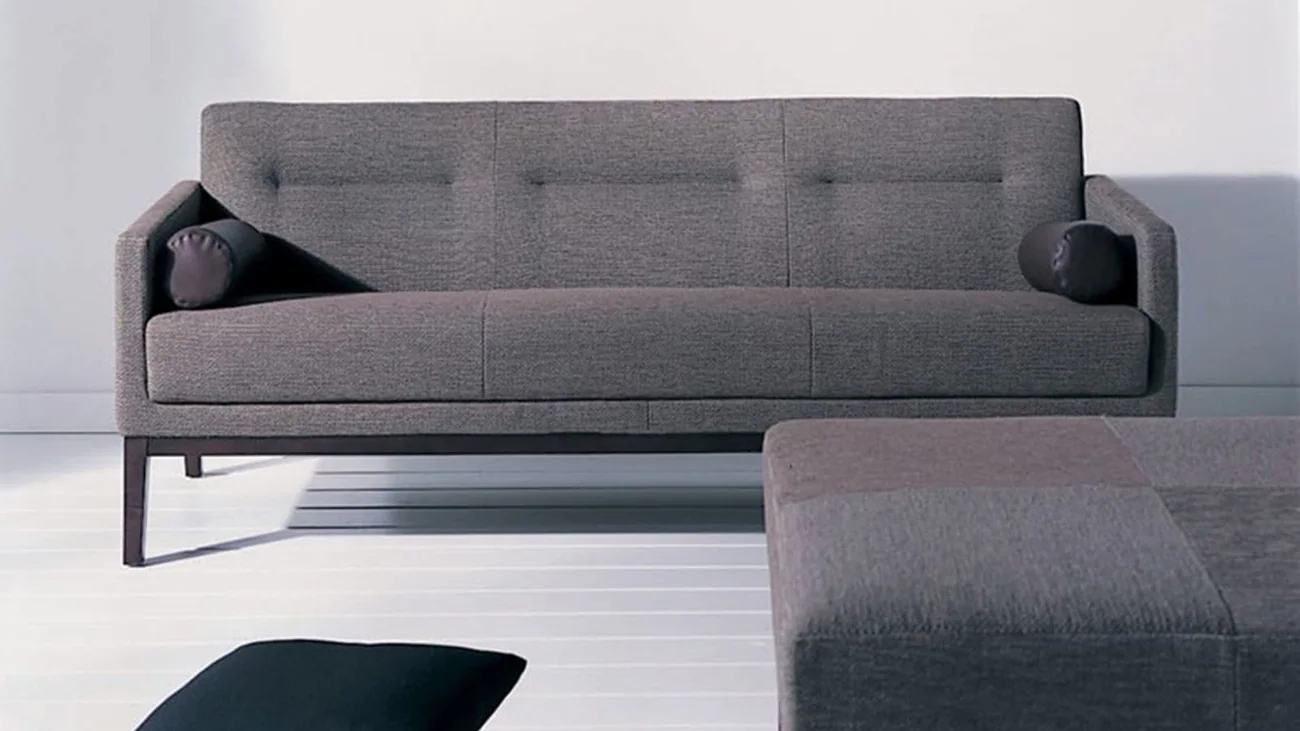
Tight back sofa
A tight back keeps the support surface attached and reduces daily cushion rearrangement. Confirm padding build-up, seam positions, rear finish and whether the upholstery can be serviced without opening the full frame.
Loose back cushion sofa
Loose backs adapt to different postures and can support removable covers. Define the number, dimensions, fill, attachment and intended gaps so the installed arrangement is repeatable.
Pillow back sofa
Pillow backs create a relaxed layered look and adjustable support. They also increase housekeeping decisions, so supply a layout photograph and a cushion inventory for each sofa size.
High back sofa
High backs provide greater enclosure and may support shoulders or head depending on geometry. Review sightlines, room scale and where the upholstered height sits relative to adjacent screens or joinery.
Low back sofa
Low backs preserve views and can make open spaces feel lighter. Sample the actual angle and lumbar contact because a visually elegant line may not suit every sitting duration.
Channel tufted sofa
Channels create repeated padded bands. State orientation, width, depth and how the pattern continues across modules, corners or curved backs.
Button tufted sofa
Button tufting adds individual anchor points and a classic texture. Specify button material, color, spacing, pull depth and alignment at seams or cushion divisions.
Tight back vs loose back cushion sofa
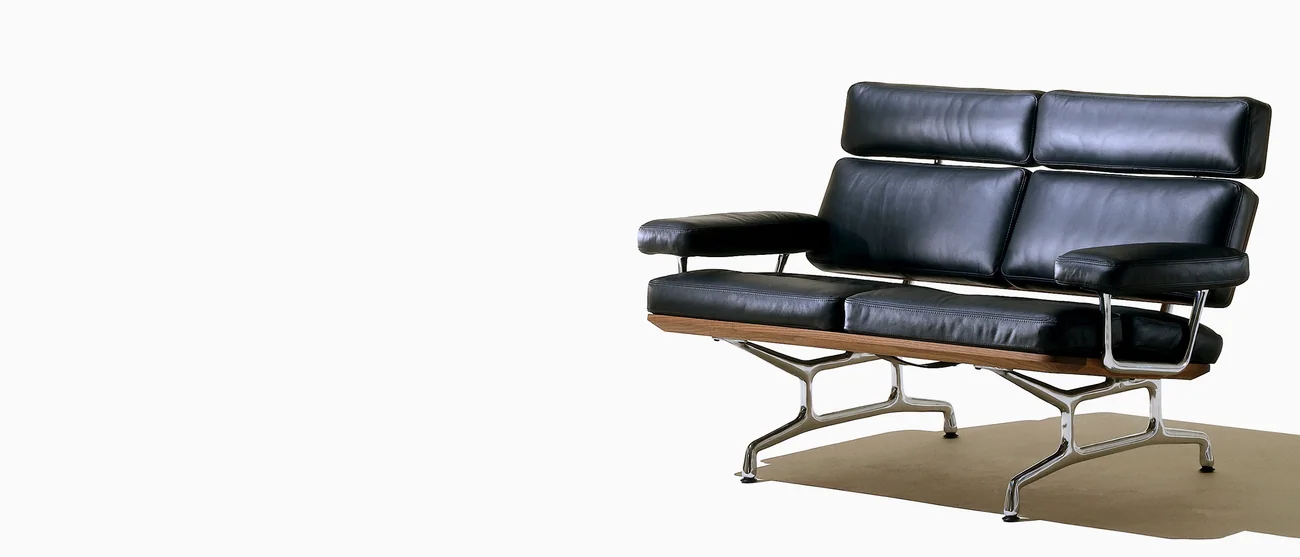
In a tight back vs loose back cushion comparison, the tight construction generally keeps a more controlled appearance and eliminates misplaced back cushions. It can suit office reception, waiting areas and hotels that want a consistent reset. A cushion back sofa provides adjustability and a softer residential impression; its separate backs may be rotated or serviced when the design allows. Their gaps and movement, however, must be accepted and managed. Neither option is automatically more durable or comfortable without knowing the padding, frame and upholstery.
For a loose design, request a cushion schedule showing size, quantity, fill and label. Test whether cushions migrate during normal sitting and whether attachment makes removal unnecessarily difficult. For a tight design, inspect padding transitions, corners and seam tension after sitting because the back cannot simply be fluffed into shape. Ask how a damaged cover or local padding issue would be accessed. The right choice reflects the operations plan as much as the interior concept.
High back vs low back sofa
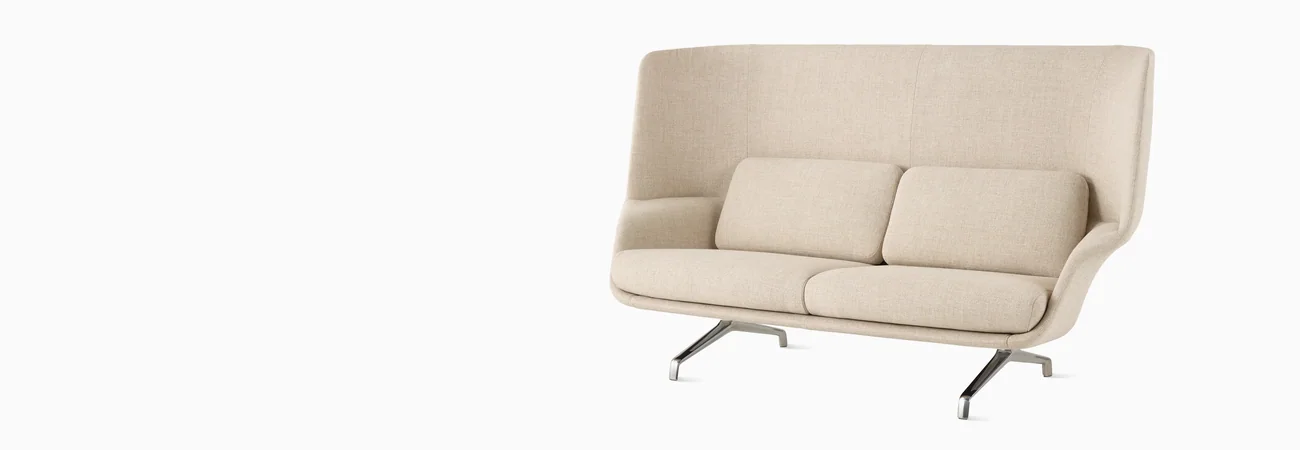
A high back can support more of the upper body, form a visual boundary and improve perceived privacy. In an office lounge, two high-back sofas can create a conversation niche; in a lobby, one tall piece can zone an open floor. The tradeoff is visual mass, more upholstery and possible conflict with sightlines, wall features or service elements. A low back supports openness and conversation across a room, but the actual lumbar geometry must still be comfortable.
Compare overall height and height above the compressed seat, not only a supplier’s high or low label. Back angle and cushion thickness can make a medium-height sofa feel more supportive than a taller but poorly aligned one. Plot the side silhouette on the room elevation. If the sofa sits against a wall, include artwork, controls and skirting. If it floats in the room, request a fully finished rear view because the back becomes a visible project surface.
How back style affects comfort and maintenance
Comfort comes from the support contact, angle, padding and relationship to seat depth. A thick loose back reduces usable seat depth; a thin tight back preserves it. A reclined low back may encourage lounging, while an upright high back can support task-like conversation. Channel padding can distribute support in defined bands, but deep gaps may be felt depending on construction. Button tufting anchors the upholstery, creating local firmness and texture around each pull point.
Maintenance follows surface complexity. Smooth tight backs are easy to visually reset but can show seam or cover tension. Loose cushions allow removal yet need positioning. Pillow backs require the most arrangement. Channel and button details create recesses where operations teams should assess cleaning access. Coordinate the chosen upholstery with the detail: a tufting pattern that looks crisp in one fabric may behave differently in a thick or directional material. Review a full-size sample, not a small stitched swatch alone.
How to choose sofa back style by project
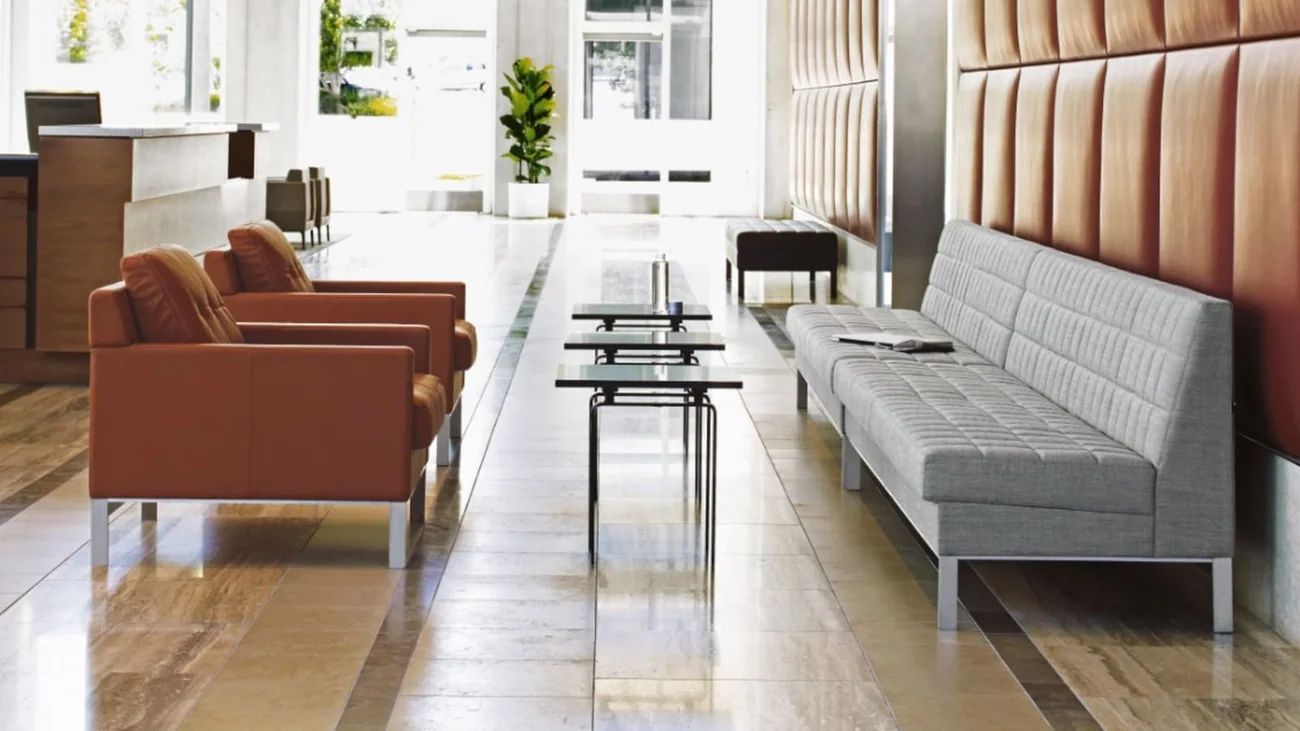
Commercial sofa back design should follow user posture, visual zoning, reset frequency and the room concept. The following scenarios show how the decision changes by application.
Hotel guest room
A hotel sofa backrest should support reading and conversation without overpowering the bed zone. Tight or controlled loose backs can work; confirm the rear finish if visible from the entrance and coordinate cushion inventory with housekeeping.
Hotel lobby
Lobby zones can mix styles intentionally. Low backs preserve arrival sightlines, high backs create quieter niches, and channel or button details provide identity. Keep each type distinct in the furniture schedule and sample approval.
Serviced apartment
Apartments often benefit from adaptable loose or cushion backs that feel residential. Check removable-cover needs, television posture and cushion storage or replacement. The sofa should still fit the repeated unit plan.
Office reception
Office sofa back support normally favors a tidy profile and upright posture. Tight backs or restrained fixed cushions reduce daily rearrangement. Avoid excessive height where reception staff need clear views across the space.
Commercial lounge
A commercial lounge may use deeper pillow backs, high privacy backs or statement channels. Match the back to sitting duration, tables and the level of maintenance the facility team accepts.
Villa project
Villa interiors can support relaxed pillow backs or detailed tufting when the style concept and care expectations align. Control cushion counts, color references and rear finish across rooms rather than relying on one front photograph.
Backrest height, angle and cushion thickness
Sofa backrest height can be measured from the floor, from the unloaded seat or from the compressed sitting surface. State the reference. Backrest angle should be shown against a clear vertical or horizontal datum on the side elevation. Cushion thickness needs both a nominal construction value and a finished profile, particularly where a loose cushion crowns beyond the frame. These dimensions affect posture and the usable depth discussed in the sofa seat depth guide.
Review lumbar support as a position, not merely as added softness. A cushion can be thick yet contact too high or low. If a separate lumbar pillow is required, include it in the cushion count and approved arrangement. Wall clearance must use the sofa’s maximum rear projection at the specified angle. When height or angle is customized, ask the supplier to recheck arm height, seat depth, base proportions and cover pattern so the product remains visually coherent.
| Backrest Detail | Why It Matters | What Buyers Should Confirm |
|---|---|---|
| Backrest height | Controls support, privacy and visual scale | Overall height and height above the seat |
| Backrest angle | Changes posture and usable seat depth | Reference line, angle and approved sample posture |
| Back cushion thickness | Affects lumbar contact and usable depth | Core, wrap and finished profile |
| Fixed or removable cushion | Changes housekeeping and service access | Attachment, closure and replacement approach |
| Cushion quantity | Controls divisions, gaps and room inventory | Count, dimensions, orientation and labels |
| Tufting style | Defines texture and how filling is restrained | Channel, button, blind or other approved detail |
| Stitching pattern | Strongly affects visible consistency | Line spacing, thread, seam type and alignment |
| Lumbar support | Influences sustained comfort | Support position, cushion shape and target users |
| Wall clearance | Protects layout and finished surfaces | Maximum projection and required installation gap |
| Sample consistency | Creates a repeatable visual reference | Approved front, side and detail photographs |
Custom sofa back design requirements
A custom sofa back design brief should include an annotated front image, side image and, where visible, rear reference. Mark overall and above-seat height, angle, cushion thickness, tight or loose construction, cushion count, tufting or stitch pattern, lumbar position and rear finish. Add the seat depth, arm style and upholstery code because the back cannot be engineered independently. If the reference combines features from several images, label exactly which detail comes from each one.
Coordinate the back with the sofa arm styles guide and frame and foam specification guide. A taller back may require structural changes; deep tufting changes cover consumption and pattern placement; a removable cushion needs a location method. Request a revised technical drawing and sample whenever the geometry changes. Do not approve a custom back only from a front rendering because the comfort-critical side profile remains unknown.
Common sourcing mistakes
The first mistake is sending a front reference without height, angle or side view. Other errors include using high back and low back without dimensions, calling every separate cushion loose, overlooking whether covers are removable, and approving tufting without spacing or depth. Buyers may also choose a pillow back for a public area without budgeting operational attention, or specify a low silhouette without testing support for the intended sitting time.
Bulk appearance problems occur when cushion counts, stitch starts, channel widths and button locations are not tied to fixed reference points. A pattern that looks balanced on a loveseat may not scale evenly to a three-seater. Ask the supplier how the pattern transitions across widths and modules. During inspection, use the approved front and side photographs plus the drawing; small natural upholstery variation should be distinguished from misaligned construction or the wrong cushion configuration.
B2B buyer checklist for sofa back styles
Attach the checklist to a controlled drawing package and identify which items are fixed, which are target preferences and which require supplier recommendations. List quantities by sofa size because tufting, cushion count and pattern spacing may change across widths.
- Project type
- Room style
- Target user
- Preferred back style
- Backrest height
- Backrest angle
- Back cushion thickness
- Tight or loose back
- Fixed or removable cushions
- Tufting requirement
- Lumbar support
- Seat depth
- Frame material
- Foam comfort
- Upholstery material
- Color reference
- Quantity
- Reference photos
- Customization requirement
HUAXUAN project support for sofa back design
HUAXUAN is a B2B furniture website focused on sofas, sofa beds, beds, chairs and project furniture. Buyers can send reference photos, floor plans, dimensions, material preferences and quantities for project discussion and quotation. Buyers can review HUAXUAN commercial sofa references and send a preferred back style with the required dimensions, upholstery, comfort direction and project use. HUAXUAN Furniture can be included in a B2B supplier comparison based on the same drawing and sample criteria used for every bidder.
Use dimensioned sofa product references to clarify the silhouette, then send the annotated front and side requirements through the commercial sofa quotation form. For hotel applications, the hotel room sofa buying guide provides additional room-planning context. Final approval should cover the full back construction, not only the upholstery color visible in a rendering.
FAQ
Which sofa back style is easiest to maintain?
A simple tight back usually needs less daily rearrangement, but service access, upholstery and seams still matter. The best choice follows the facility’s actual cleaning and repair process.
Is a high back sofa more comfortable than a low back sofa?
Not automatically. Comfort depends on support contact, angle, padding, seat depth and sitting duration. Compare the measured geometry and approve a physical sample.
What is the difference between loose back and pillow back sofas?
Loose back generally describes separate structured back cushions. Pillow back usually uses several softer pillows with a more relaxed arrangement, though supplier terminology varies.
Are channel-tufted sofas suitable for hotels?
They can suit guest rooms, lobbies and lounges when the visual concept, seam alignment, upholstery and maintenance access are approved for the specific zone.
What should buyers send for a custom sofa back quotation?
Send project type, front and side references, back height and angle, cushion thickness and count, attachment, tufting or stitching, lumbar target, seat depth, upholstery, color, quantity and customization notes.