
This office reception chair buying guide helps B2B project buyers choose chairs for offices, clinics, showrooms, coworking spaces, hotel lobbies and commercial waiting areas. Reception chairs must look professional, fit the floor plan, support different users and survive frequent use. The right specification balances seat size, frame strength, foam, upholstery, cleaning needs, brand image and quantity planning before the quotation stage, so the waiting area feels organized instead of crowded or cheaply furnished for visitors during daily peak traffic periods.
HUAXUAN can support office reception furniture project support, commercial upholstered chair customization, custom sofa and reception seating options, office lounge furniture sourcing guide, furniture materials and finishes guide, product reference gallery and contact HUAXUAN Furniture.
Send your reception area floor plan, chair quantity and reference photos to get seating suggestions.
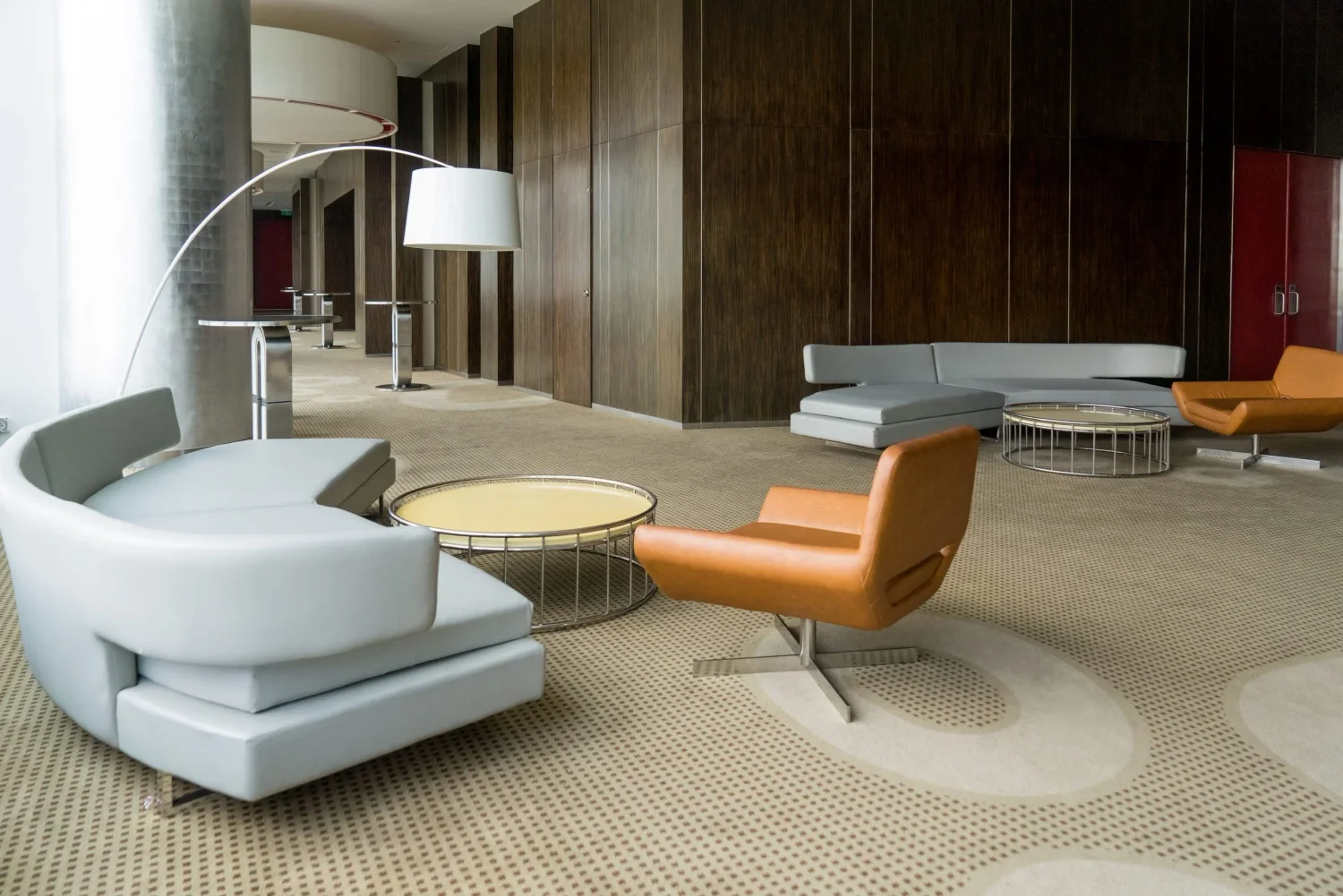
Existing HUAXUAN product references
Office Reception Chair Options for Project Review
These existing upholstered chairs show three distinct directions for reception, visitor and commercial waiting zones. Dimensions, upholstery, comfort and base details are reviewed against the actual layout and quantity.
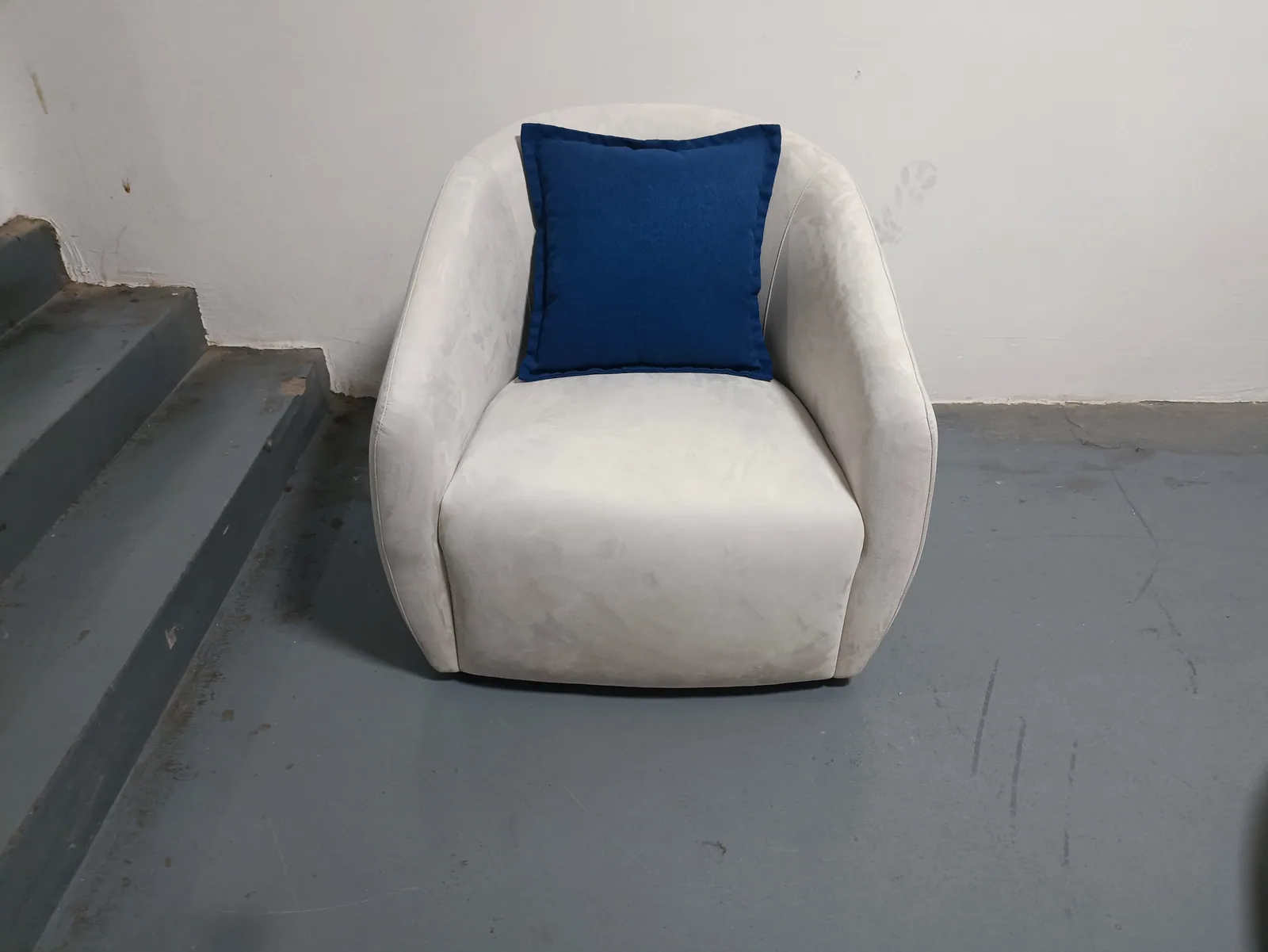
White Tub Reception Chair
A compact office lounge reference. Customize: dimensions, upholstery and leg finish.
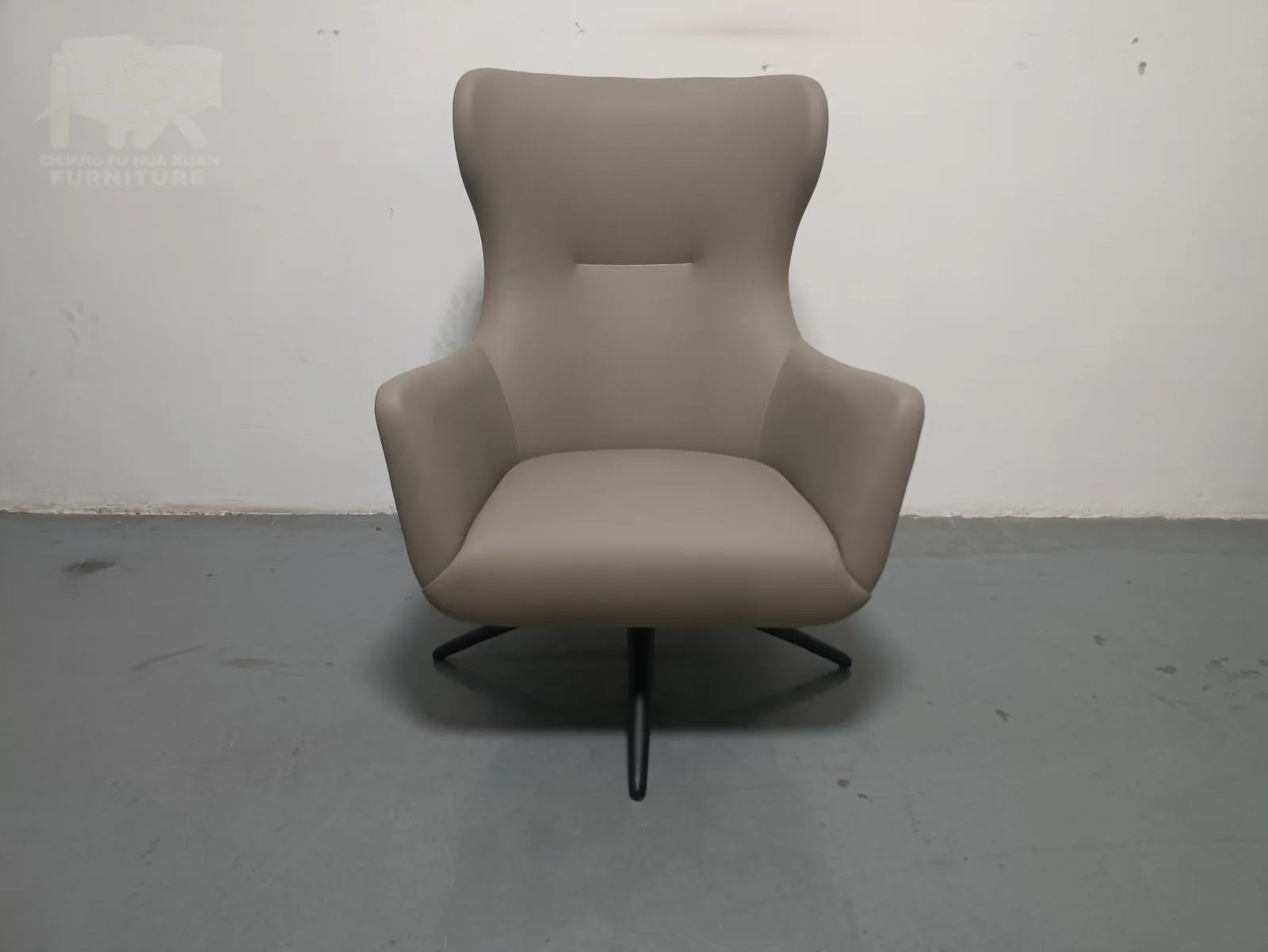
High-Back Swivel Reception Chair
For reception rooms and office lounge corners. Customize: upholstery, back height and base finish.
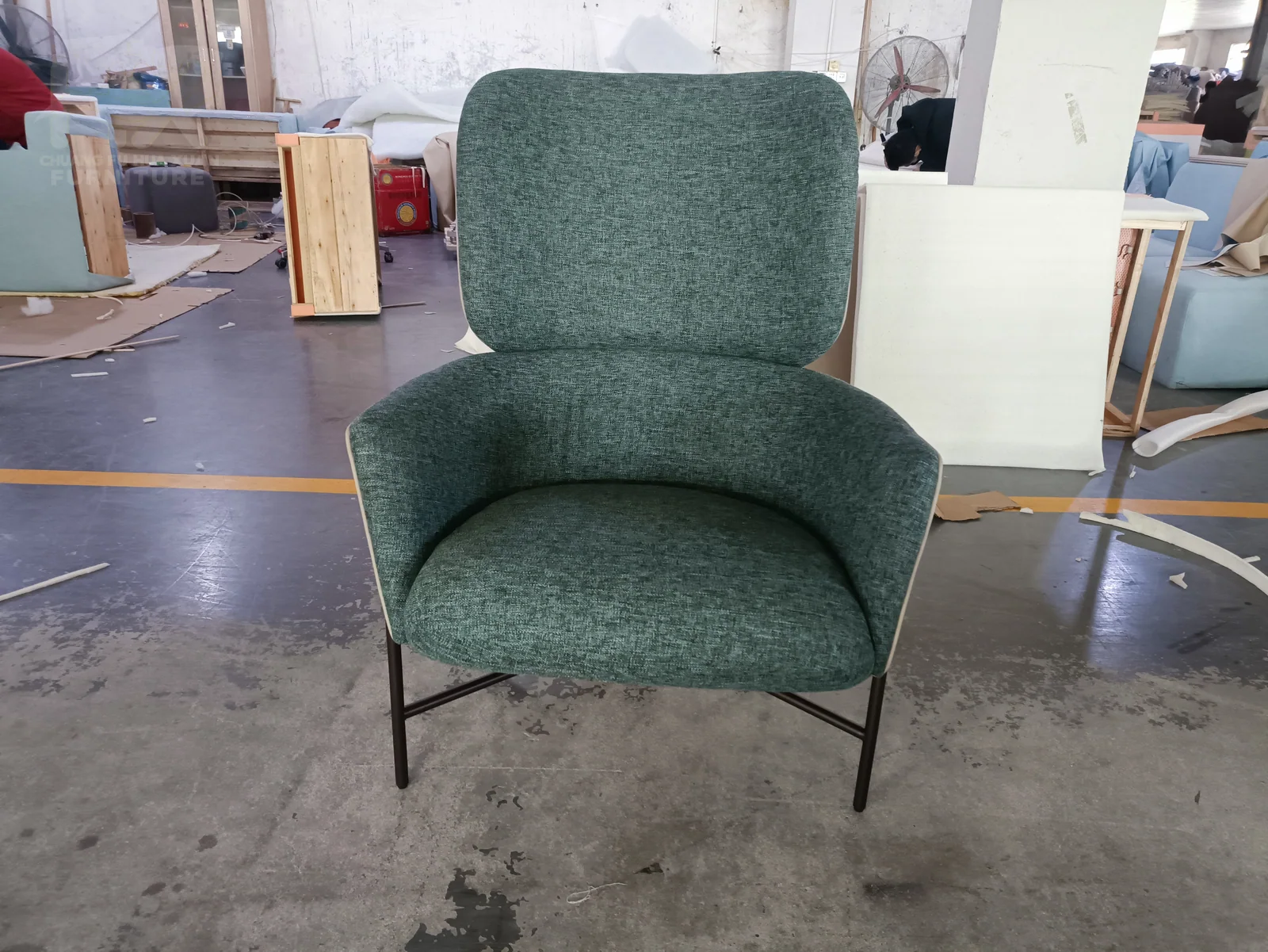
Wingback Commercial Waiting Chair
For a more defined visitor or breakout zone. Customize: wing profile, seat height and fabric.
What Is an Office Reception Chair?
An office reception chair is a commercial seating product used where visitors wait, check in, meet staff or sit briefly before an appointment. It can be a lounge chair, armchair, armless chair, bench, modular seat, upholstered waiting chair, wood frame chair or metal frame chair. Unlike a home accent chair, it must fit a public-facing layout and handle repeated use by many different people.
For B2B buyers, the chair should be reviewed as part of the reception system. Floor plan, expected visitor count, user age, cleaning frequency, brand color, adjacent tables, traffic paths and project budget all matter. A beautiful chair that blocks circulation or feels uncomfortable after ten minutes can make the whole waiting area feel poorly planned.
How This Office Reception Chair Buying Guide Helps Procurement Teams
A practical office reception chair buying guide turns a broad design request into a measurable seating brief. Instead of asking suppliers for ‘modern reception chairs’, buyers should define the number of seats, chair type, seat dimensions, frame material, upholstery direction, color range, cleaning level and sample requirement. That makes quotations easier to compare and reduces the chance of receiving chairs that only match the style reference.
This office reception chair buying guide also helps facility teams and designers speak the same language. Designers may focus on brand image and visual rhythm, while facility teams focus on cleaning, movement and replacement. The final chair specification should satisfy both sides because reception furniture is visible to visitors and handled by operations every day.
Why Reception Seating Matters in Commercial Spaces
Reception seating shapes the first physical impression of a company, clinic, showroom or lobby. Visitors notice whether the area feels organized, comfortable and trustworthy. In commercial projects, reception chairs also affect operational flow: people need enough space to sit, stand, move bags, speak to staff and pass through without bumping into other users.
Durability is equally important. Waiting areas may have short sitting times, but the chairs are used by many people every day. Weak frames, low-density foam and hard-to-clean upholstery can make a new project look tired quickly. B2B buyers should therefore specify reception chairs by use level, not only by style.
Main Office Reception Chair Types
Single Lounge Chair
A single lounge chair creates a comfortable and premium impression. It works well in executive reception rooms, hotel lobby corners, showroom consultation areas and coworking lounges. Buyers should check seat depth carefully because an overly deep chair can feel relaxed but difficult for short waiting visits.
Armchair
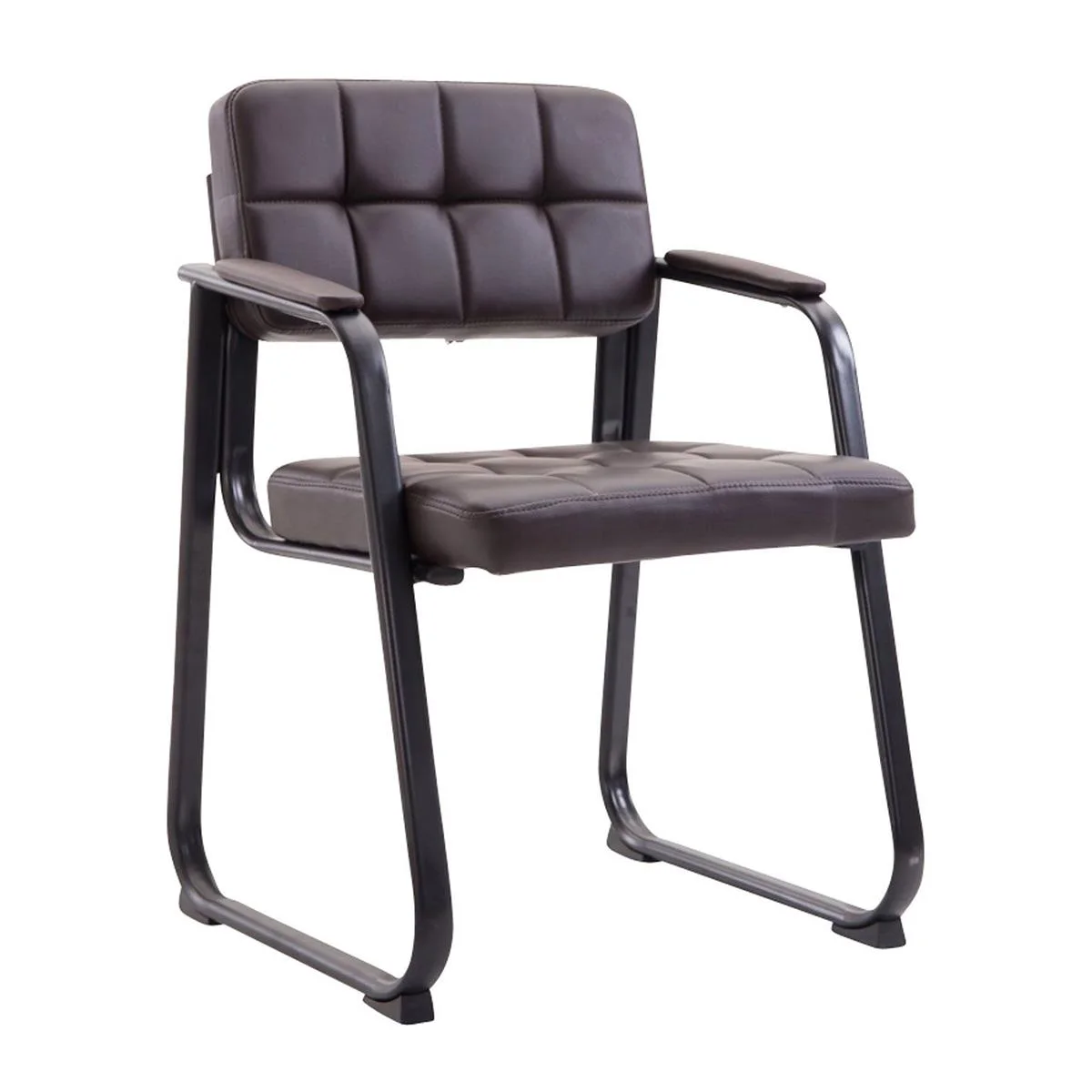
Armchairs give users side support and a clearer personal seat. They are useful in clinics, offices and waiting areas where visitors may include older users or people who prefer help standing up. The buyer should confirm arm height, total chair width and whether the arms reduce the number of seats that fit in the room.
Armless Chair
Armless reception chairs save width and can create a cleaner line in narrow waiting areas. They are practical when the buyer needs more seats in a limited space. The limitation is that some users may feel less supported, and chairs can look less premium if the frame and upholstery are too simple.
Bench Seating
Bench seating is efficient for clinics, service counters, education spaces and public waiting zones. It can increase capacity and simplify cleaning under the seat. Buyers should confirm user spacing, cushion divisions and whether the bench feels too institutional for the brand image.
Modular Reception Seating
Modular reception seating works when the waiting area needs flexible layouts, mixed group sizes or future reconfiguration. It can include sofas, corner seats, ottomans and individual modules. The buyer should check connector stability, module height alignment, upholstery consistency and whether the final layout has clear walkways.
Upholstered Waiting Chair
An upholstered waiting chair balances comfort and professional appearance. It can work for offices, showrooms, clinics and hotel lobby waiting zones. Buyers should confirm foam density, seat height, upholstery material, seam strength and cleaning frequency because these chairs often receive high daily contact.
Reception Chair Type Comparison Table
| Chair Type | Best For | Advantages | Limitations | B2B Buying Notes |
|---|---|---|---|---|
| Upholstered lounge chair | Executive offices, hotel lobbies, showrooms | Comfortable, premium look, strong brand impression | Needs more floor space | Check seat depth, foam recovery and fabric durability |
| Armchair | Clinics, offices, waiting rooms | Supportive arms and defined user space | Wider footprint than armless chairs | Confirm arm height, width and standing support |
| Armless reception chair | Compact waiting areas and high seat count layouts | Space efficient and easy to line up | Less side support | Check stability, comfort and spacing between seats |
| Bench seating | Clinics, counters, public service areas | High capacity and easy layout planning | Can feel less personal | Review cushion divisions, cleaning access and user spacing |
| Modular reception sofa/chair | Coworking, lobbies, flexible waiting zones | Flexible layout and modern look | Needs connector and alignment control | Confirm module plan, color consistency and replacement logic |
| Wood frame reception chair | Warm office interiors and hospitality spaces | Natural feel and stable visual structure | Finish can show impact if not protected | Check joint strength, finish resistance and seat padding |
| Metal frame reception chair | High-traffic offices, clinics, institutional spaces | Strong structure and cleaner under-seat look | Can feel cold if upholstery is limited | Check welds, powder coating, glides and floor protection |
How to Choose Chair Size and Layout

Start with the waiting area size and expected number of users. Mark reception desk position, entry path, door swing, corridor direction, coffee table location and wheelchair or stroller movement if relevant. Then choose chair width, depth and spacing. A chair that looks compact online may still feel crowded if the back angle, arms or legs extend beyond the seat.
Seat height should allow most users to sit and stand comfortably. Very low lounge chairs can look relaxed but may not suit clinics or formal offices. Deep seats can feel premium for lounges but may be awkward for short appointments. B2B buyers should request overall dimensions and usable seat dimensions separately.
If you are sourcing chairs for an office, clinic, showroom or waiting area, send your expected traffic level and material preference for practical recommendations.
Frame Materials for Commercial Reception Chairs
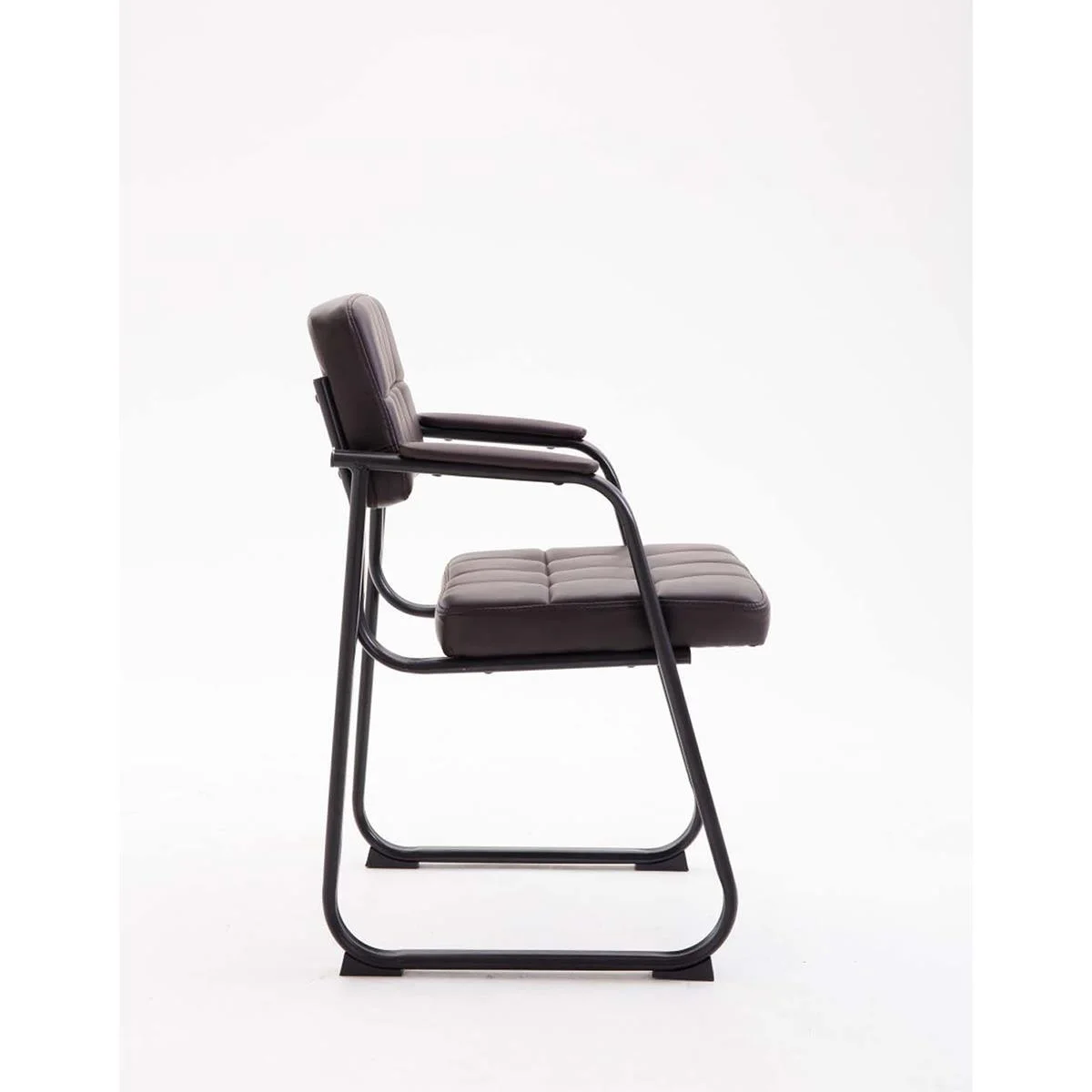
Frame material affects strength, weight, style and maintenance. Wood frames can create a warmer hospitality look, especially when paired with upholstered seats. Metal frames can provide a slimmer profile and stronger high-traffic impression. Plywood and internal hardwood structures are common in upholstered lounge chairs, but buyers should ask how the frame is reinforced and how legs attach.
For commercial use, check more than the visible leg. Inspect underside support, corner blocking, screw points, welds, glides and whether the chair rocks on a flat floor. A reception chair may be moved often during cleaning or layout changes, so leg stability and floor protection are practical details, not minor accessories.
Upholstery Options for High-Traffic Spaces
Commercial fabric, vinyl, PU leather, microfiber leather and leather-look options can all work in reception areas. The right choice depends on traffic, cleaning frequency and brand style. Clinics and service areas may prefer wipeable upholstery. Showrooms and executive offices may use softer fabrics or textured materials. High-traffic waiting areas should avoid very delicate fabrics unless the cleaning plan supports them.
Color is part of the specification. Light colors can make a small reception area feel open, but they show stains faster. Dark colors hide marks but can make a compact space feel heavier. Many B2B buyers choose neutral main upholstery, then use accent chairs or pillows only where maintenance risk is lower.
Foam, Comfort and Seat Height Considerations
Foam density and seat construction decide whether a reception chair keeps its shape. Low-density foam may look fine at installation but flatten quickly in a busy waiting area. Buyers should check seat firmness, edge support, back support and whether the chair feels comfortable for the expected waiting time. A clinic may need a firmer, easier-to-stand seat; a showroom lounge may accept deeper comfort.
Seat height should match user needs and nearby tables. If chairs sit around a coffee table, the table should not block leg movement. If the reception area handles visitors with documents or laptops, consider small side tables and arm support. Comfort is not only softness; it is posture, access, spacing and how the chair works with the whole layout.
How to Match Reception Chairs with Brand Image
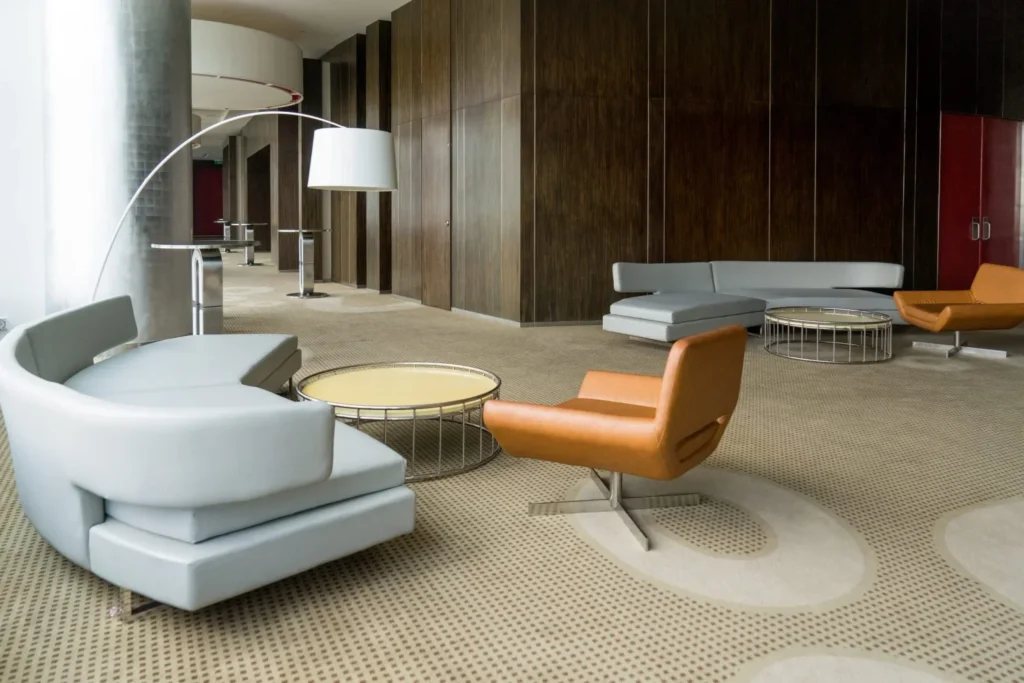
Reception chairs should match the brand without ignoring practical use. A law office may need structured armchairs in calm colors. A clinic may need cleanable materials and reassuring shapes. A showroom may need more expressive lounge chairs that support product presentation. A coworking space may use modular seating and mixed chairs, but the color and height should still feel organized.
The safest method is to build a small material and layout brief: brand colors, wall finishes, flooring, lighting, reception desk material and expected visitor profile. Send that with reference photos so the supplier can recommend chairs that fit both the brand and the use level.
Common Mistakes in Reception Chair Sourcing
The biggest mistake is buying a chair that looks good as a single product image but fails in the room. Buyers should request layout dimensions, side views and rear views. Another mistake is ignoring armrests. Arms can improve comfort, but they increase width and may reduce total seat count. If the room is narrow, armless or slim-arm chairs may work better.
Buyers also forget color consistency across batches. If a project has several floors or future expansion plans, keep material codes and approved samples. Avoid choosing a unique fabric that is hard to repeat. For high-traffic reception areas, do not use delicate upholstery just because it looks good in a mood board.
Another mistake is ignoring the transition between reception chairs and nearby sofas or tables. If the waiting area mixes armchairs, armless chairs and small sofas, seat height and upholstery color should still feel coordinated. A mismatched group can make the space look assembled from leftover products, even when each chair is acceptable on its own.
Buyer Checklist Before Ordering
- Waiting area size and marked floor plan
- Expected number of users and traffic level
- Seat width for each chair type
- Seat depth and overall chair depth
- Seat height for visitor comfort
- Armrest requirement and arm height
- Frame material and leg structure
- Foam density and cushion recovery
- Upholstery material and approved color
- Cleaning frequency and maintenance expectation
- Brand style and surrounding interior finishes
- Color consistency across batches
- Quantity by zone or floor
- Project timeline for sample and approval
- Reference photos and target budget direction

FAQ
What type of chair is best for an office reception area?
The best type depends on space, visitor count and brand image. Armchairs work for supportive waiting, armless chairs save space, lounge chairs feel premium and benches can increase capacity.
What upholstery is best for high-traffic waiting areas?
Commercial fabric, vinyl, PU leather and microfiber leather can work. Choose based on cleaning frequency, touch feel, stain risk, color direction and the expected visitor traffic.
How much space should be left between reception chairs?
Spacing depends on chair width, arms, side tables and traffic paths. Buyers should leave enough space for users to sit, stand and walk without blocking the reception desk or entrance route.
Should reception chairs have arms?
Arms improve support and comfort but increase total width. They are useful for clinics and formal offices, while armless chairs can be better for compact waiting areas.
Can HUAXUAN quote custom reception chairs from a floor plan?
Yes. Send the floor plan, style reference, material preference, quantity and target budget direction so HUAXUAN can review suitable reception chair options.
Send Floor Plan and Reference Photos for Reception Chair Quotation
Office reception chairs should be selected through layout, comfort, material and durability decisions, not only by style. For B2B projects, confirm waiting area size, expected users, seat dimensions, frame, foam, upholstery, cleaning needs, brand style and quantity before requesting a quotation.
Use this office reception chair buying guide before sending an RFQ so the supplier can respond with chairs that fit the room plan, traffic level and brand image.
Send your floor plan, style reference, quantity and target budget to request an office reception chair quotation from HUAXUAN.