
This guide starts after the first chair order has been delivered. It helps restaurant chains, importers and commercial furniture distributors reproduce that approved purchase across later batches. For initial selection, use the commercial dining chair buying guide; here, the question is how to reorder a known configuration reliably.
Why Repeat Orders Can Differ from the Original Batch
A catalog can retain the same model name while a textile collection changes, a finish is revised or a component source becomes unavailable. The chair in the restaurant may also have faded or worn since delivery. These are different causes of mismatch and need different decisions. First establish what was originally approved, then compare what can be produced now.
Ask the supplier to return a change declaration with the reorder quotation. It should state either that the listed configuration is unchanged or identify exceptions line by line. Silence is not confirmation. Resolve discrepancies before issuing an order described as “same as before,” particularly when several branches purchased variations under one broad design name.
US manufacturer Richardson Seating’s commercial seating FAQ also advises retaining original order, model, finish and upholstery information for matching reorders, while noting that component availability can change. That principle supports a documented process; it does not establish any HUAXUAN supply commitment.
Model Codes and Specification Revision Control
Keep the buyer SKU, supplier model and configuration revision as separate fields. The supplier model identifies the starting design. The buyer SKU identifies the sellable configuration. The revision records the approved build. Two chairs sharing a shell but using different covers or leg finishes should not become one indistinguishable order line.
Reference the previous purchase order, final approved specification and accepted deviations. Do not use an early quotation if later sample corrections changed the product. Ask whether the original model is still active and whether the current quotation refers to exactly that build. If it has been renamed, retain a written cross-reference instead of replacing the old code throughout the archive.
Use a change sheet for exceptions
Record the affected SKU, old requirement, proposed new requirement, reason, approval evidence, decision owner and effective order. Mark a substitution as pending, accepted or rejected. An accepted change should create a new controlled revision while leaving the earlier purchase record available. Identify whether earlier and later chairs may be mixed at the same table or must remain in separate locations.
Upholstery Color, Texture and Material Matching
For a repeat order, request current material identification and a current swatch against the retained standard. Include collection, supplier, code, color reference and relevant lot information. A familiar color name cannot prove that fiber, backing, coating or surface texture is unchanged. Refer detailed material selection questions to the dining chair upholstery materials guide.
Compare the proposed swatch with both the stored standard and an existing installed chair. The stored standard represents the original approval; the installed chair shows what guests will see beside the reorder. If those references differ, decide which appearance the new batch should target. Do not silently change the production standard to match one unusually worn chair.
Review representative finished upholstery in consistent light and orientation. Directional texture, seam placement, padding and cover tension can change the apparent color. State whether a visual range is acceptable and attach the signed comparison. Where an objective color tolerance is required, agree the method and measuring conditions with the supplier rather than inventing a universal numerical limit.
Chair Frame, Leg Finish and Dimensions
Freeze the frame and leg specification as well as the visible cover. A similar outline does not verify the same internal frame, connection, leg material, glide or seat support. Ask for the relevant construction drawing or component schedule and identify any proposed change. The wood versus metal chair frame guide explains material questions; a reorder needs the actual previously approved answers.
Record finished width, depth, overall height, seat height and any arm height with the measuring points and agreed tolerances. Compare leg spread and floor contact on the assembled chair. A small dimensional change can affect table fit or the rhythm of a dining row, even if the product still looks correct in isolation.
Keep a physical finish panel or approved leg reference showing color, sheen and texture. Record glide type and attachment, too. Finally, compare the seat and back feel with the retained chair: a changed padding or support arrangement may be noticeable to guests before it appears in photographs. Any claimed equivalent construction needs buyer review, not an informal assurance that the replacement is “better.”
Keeping an Approved Reference Sample
Label the retained chair with its SKU, revision, approval date and linked order. Store it away from routine restaurant use where practical. Keep material swatches and finish references with their own identifiers; a sample chair without supporting codes can still be difficult to reproduce. Record where each reference is held and who may authorize a change.
If buyer and supplier retain separate samples, document that they represent the same approved version. Photograph all sides and relevant details as backup evidence. If the physical master is lost or damaged, explicitly approve a replacement standard before the next production release. An untracked showroom sample should not quietly become the new master.
Dining Chair Reorders Across Restaurant Locations
Collect demand by location, configuration and required arrival window. Separate replacement of installed chairs from seating for a new branch. Two sites may use the same model in different fabrics; one site may contain multiple revisions. Give the central purchaser a configuration register so each branch requests the right SKU instead of “the green chair.”
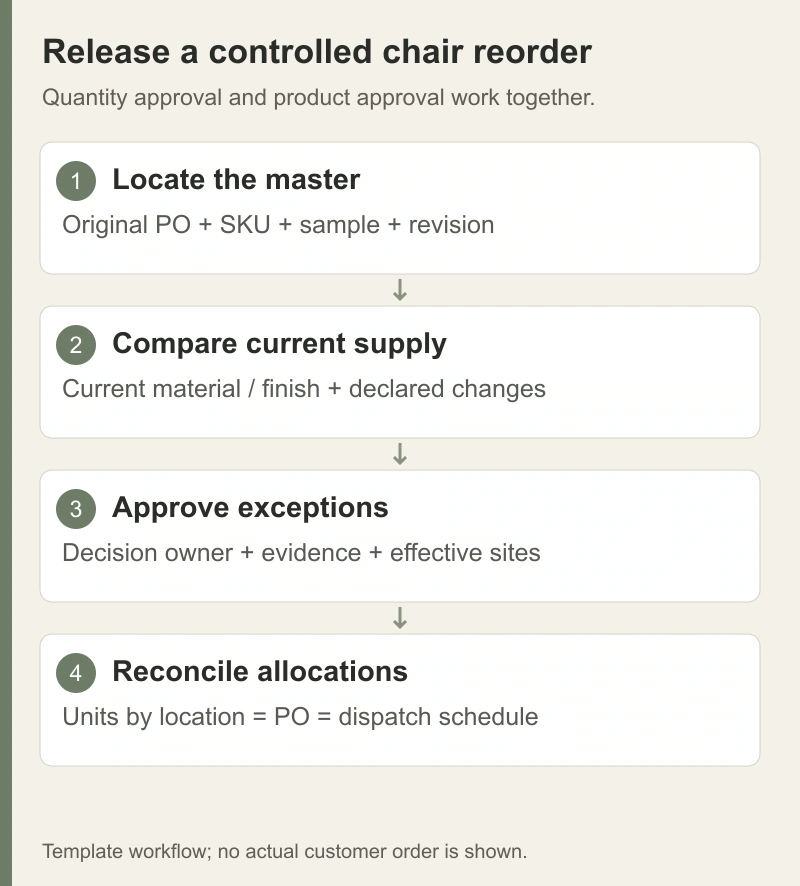
Keep commercial quantity approval separate from specification approval. Operations can confirm how many chairs a branch needs, while the designated product owner approves the build. Reconcile the location schedule to the total purchase quantity before order release and again before dispatch. If a substitute is approved for one branch only, prevent it from becoming the default for all branches.
A hypothetical rollout illustrates the decision: an existing dining room needs replacement chairs beside older seats, while a new branch has no installed reference. The first location requires an explicit old-to-new appearance review. The second can use a newly approved revision. Those are planning scenarios, not HUAXUAN customer orders or a promise that matching is always possible.
Packaging and Labeling for Multi-Site Orders
Attach a dispatch schedule linking each carton or bundle to the buyer SKU, revision, color, batch and destination code. Keep those fields consistent with the packing list and purchase order. If one carton contains several chairs, state the quantity clearly. Agree how mixed configurations and partly filled cartons will be identified.
Confirm whether the reorder uses the original assembled state and protection method. A changed packing configuration can affect handling and warehouse work even when the chair is unchanged. If chairs pass through an import warehouse, decide whether site labels are applied before dispatch or after receiving. Use location codes that remain meaningful when a delivery address changes.
At receiving, count by configuration and site allocation before redistributing stock. Hold mismatched or unapproved units separately and record their labels. Keep a representative accepted chair from the new batch linked to the inspection record; do not replace the original master simply because the new shipment has arrived.
Dining Chair Repeat Order Specification Checklist
This blank procurement template defines the evidence to collect. It contains no actual order quantities or customer information. Attach the completed sheet and approved changes to the repeat purchase order.
Scroll horizontally if needed to compare all columns.
| Field | Record for This Reorder | Release Check |
|---|---|---|
| SKU | Buyer SKU, supplier model, prior PO and revision | Current quotation matches the controlled configuration |
| Approved Sample Reference | Chair ID, approval date, custodian and location | Buyer and supplier use the same standard |
| Upholstery Code | Supplier, collection, material code and construction | Any source, backing or coating change disclosed |
| Color Reference | Physical standard, current lot and accepted visual range | Current material compared with master and installed chairs |
| Frame Material | Part-level construction, joints, seat and back support | Changes reviewed against the previous build |
| Leg Finish | Material, finish code, sheen and glide | Approved physical reference available |
| Dimensions | Finished measurements, measuring points and tolerances | Representative chair checked against the drawing |
| Quantity by Location | Site code, SKU, units and arrival window | Allocations reconcile to purchase and dispatch totals |
| Packing Requirements | Assembly state, chairs per carton, protection and marks | Cartons and packing list identify the same configuration |
| Revision Approval | Change list, evidence, approver and effective order | No unresolved substitution released to production |
Real HUAXUAN Dining Chair References
HX-DCH-001 is a cream upholstered dining chair reference, while HX-DCH-002 is a green upholstered dining chair. Their product codes help start an inquiry; neither color description is a controlled production fabric code.
HX-DCH-009 provides a teal high-back dining reference, and HX-DCH-005 an ivory button-back reference. Record the approved back profile and upholstery details for the selected variant. These are real dining chairs, not lounge chairs or bar stools. Their listings do not guarantee unchanged future materials or an exact match to installed furniture.
Browse HUAXUAN upholstered chairs and send a repeat-order brief with the original order reference, product codes, retained-sample details, quantities by location and any proposed changes.
Frequently Asked Questions
Can a supplier reproduce chairs from one old photograph?
A photograph can help identify the design, but it does not establish material codes, internal construction, dimensions or the approved revision. Send the original order and specification records, then confirm the current sample.
What if the original upholstery is discontinued?
Request an identified alternative, a current physical swatch and review on the actual chair where needed. Approve the affected locations and new revision before production. Keep the original material in the archive.
Should new chairs match the original swatch or the used chairs?
Compare both and state the chosen target. The swatch documents the initial standard; the used chairs show the installed appearance. A decision to match wear should be explicit and may still have practical limits.
Does an unchanged SKU eliminate the need for sample review?
No. Reconfirm material and component status, review declared changes and agree suitable current evidence. The depth of sample review should follow the actual change and the importance of mixing old and new units.
Image sources and permissions
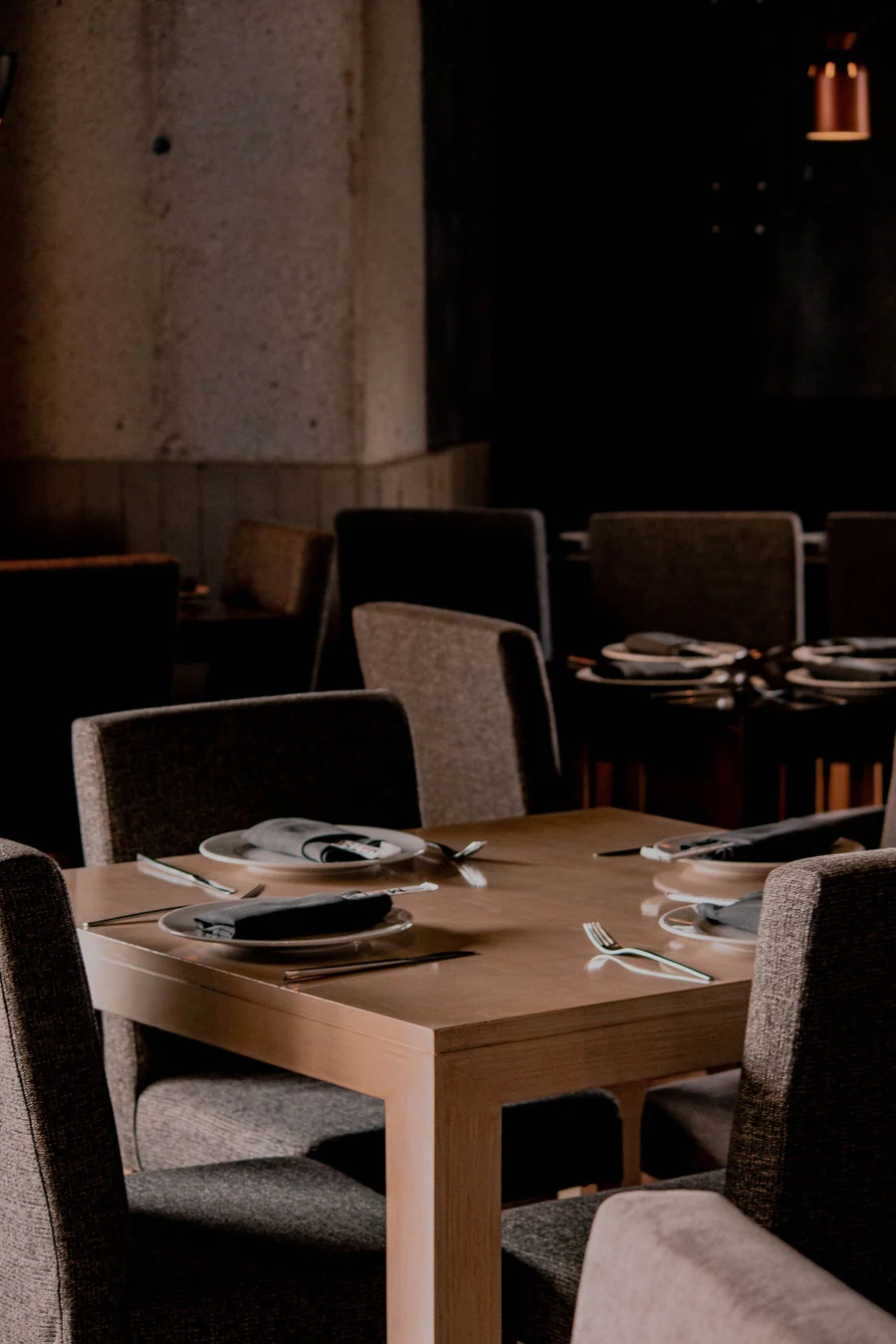
- Luc Sauvage / Unsplash: Restaurant seating illustration by Luc Sauvage / Unsplash. External chairs in coordinated shapes and colors, not HUAXUAN products or a HUAXUAN project. Source license.
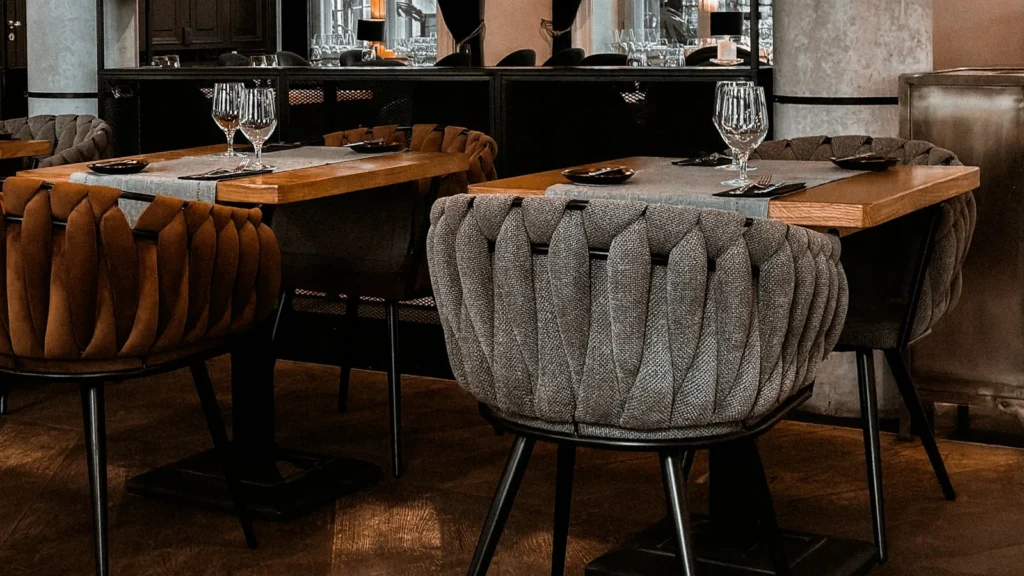
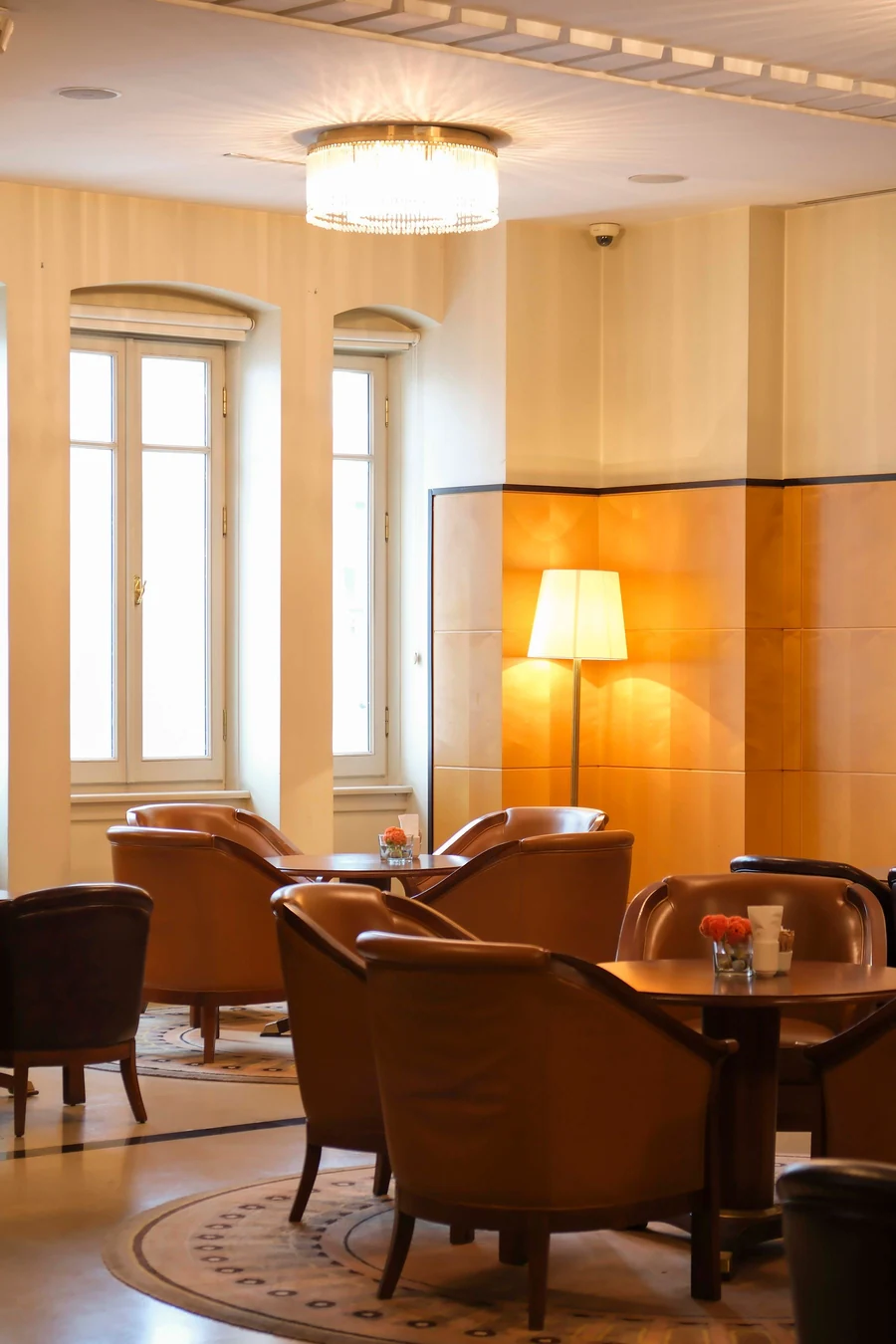
- Nicolás Rueda / Pexels: Nicolás Rueda / Pexels. Repeated chairs make a dining-room design visible; this photograph does not establish batch or material consistency. External setting, not a HUAXUAN project. Source license.
- Merve Nur Türker / Pexels: Cafe illustration by Merve Nur Türker / Pexels. Compare physical standards for actual color and material approval; the pictured seating is not a HUAXUAN SKU. Source license.